Positive Dog Trainings Impact on Nigerian Culture A Key Importance
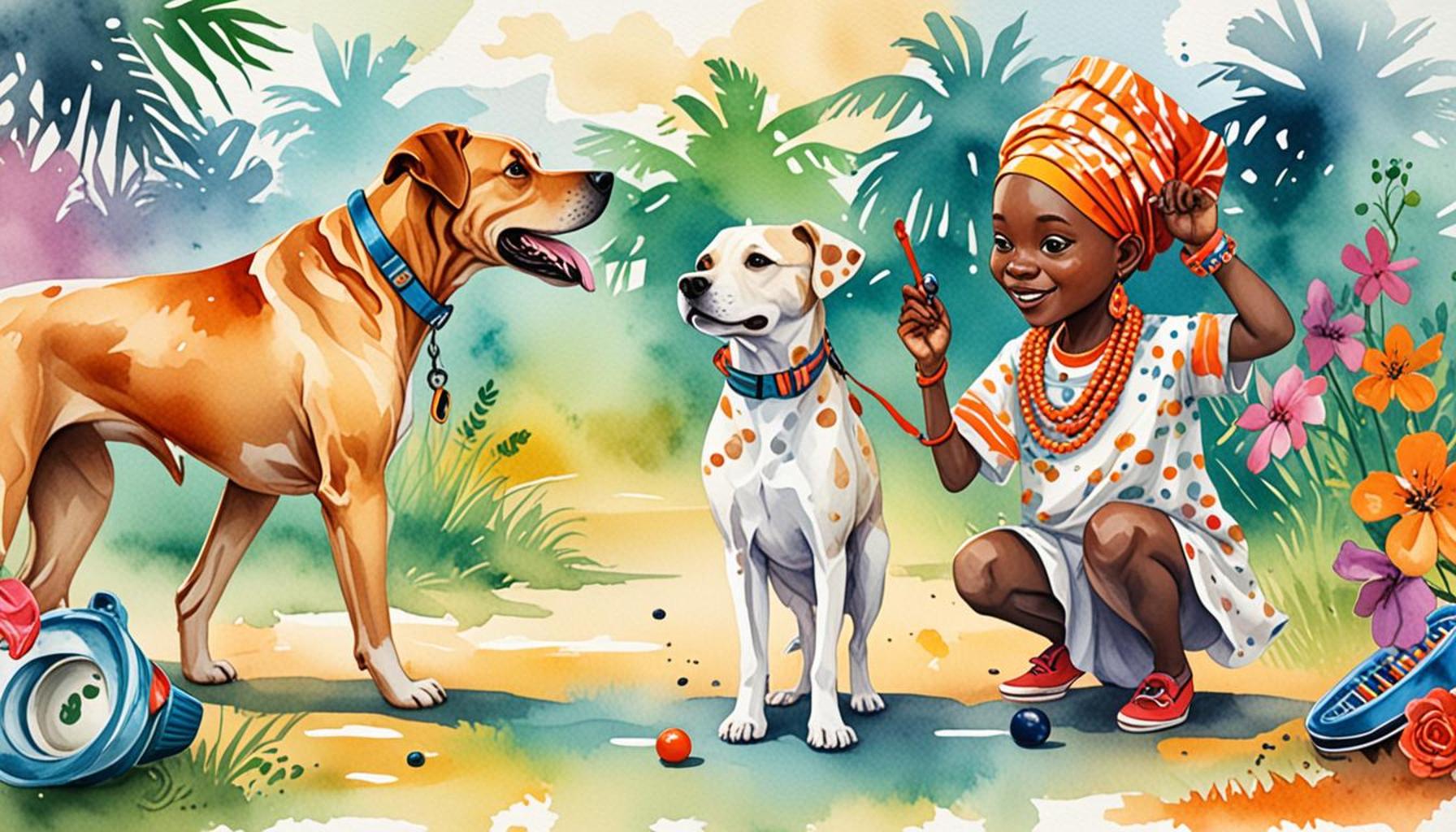
The relationship between humans and their canine companions is one that transcends boundaries, connecting cultures through shared experiences and practices. In Nigeria, where dogs are often viewed as both protectors and companions, positive training methods are gaining recognition for their effectiveness and the humane treatment they promote. This shift in training philosophy is not just about obedience; it reflects a deeper understanding of canine behavior and stronger bonds between dogs and their owners.
As more dog owners embrace positive reinforcement techniques, the impact on both pets and their families becomes increasingly significant. The following points highlight key reasons why positive training is essential in the Nigerian context:
- Enhancing obedience: Techniques focus on reward-based methods that encourage good behavior.
- Cultural perception: Positive training challenges traditional views on animal handling and promotes empathy.
- Building relationships: Strengthens the emotional bond between dogs and their owners, resulting in happier pets.
- Community education: Fosters a culture of responsible pet ownership and awareness.
- Long-term benefits: Reduces behavioral issues, leading to less stress for both dogs and their families.
This article will explore the top 5 benefits of positive dog training techniques as they apply to Nigerian culture, encouraging readers to rethink and invest in their relationship with their four-legged friends.
Top 5: The Importance of Positive Training for Dogs in Nigerian Culture
Dogs have long been considered man’s best friend, and in Nigeria, this bond is particularly significant. Throughout the years, the relationship between humans and dogs has evolved, becoming an integral part of family life across the globe. Nigeria is no exception. Here, the method of dog training has seen a meaningful shift—from traditional coercive techniques to more humane, positive training approaches. This article explores the top five reasons why positive training is crucial in Nigerian culture, detailing its impact on interpersonal relationships, community safety, and societal attitudes toward animals.
5. Fostering Healthy Human-Animal Bonds
At the core of the human-dog relationship is the bond formed between owner and pet. In Nigerian culture, where family roles often extend to pets, establishing a trustworthy and affectionate relationship is vital. Positive training plays a critical role here, using methods based on reward rather than reprimand to cultivate trust and affection.

For example, when a dog successfully completes a command or exhibits desired behavior, it is rewarded with treats, praise, or playtime. This reinforces positive behaviors and creates an environment of mutual respect and affection. Unlike harsh methods that can incite fear, positive reinforcement fosters gentle interactions, leading to a harmonious household.
- Trust: Dogs learning through positive reinforcement are more likely to trust their owners, as there is no fear of retribution from mistakes.
- Affection: Building bonds fueled by mutual respect and understanding results in deep-seated affection between humans and dogs.
- Responsibility: Implementing positive training methods inherently teaches owners about responsible dog care, promoting healthier, more profound relationships.
4. Enhancing Safety in the Community
Safety within the community is an invaluable benefit of positive dog training methods. A well-trained dog is less likely to pose risks through aggressive behavior or unexpected escapes, thus minimizing potential threats as well as reducing anxiety within the community. In Nigerian communities, where dogs often serve as protectors and companions, this aspect is particularly significant.
For instance, when dogs are taught using positive techniques, they learn to respond appropriately to a variety of social cues without resorting to aggression. This ensures not only the safety of the family but also the peace of mind of neighbors and visitors. These well-socialized dogs can comfortably participate in public life, which is pivotal as urban areas continue to grow and interactions with various people and animals become more frequent.
3. Encouraging Socialization Skills
Socialization is a cornerstone of a dog’s behavioral development. In bustling Nigerian cities, dogs encounter numerous social situations, from bustling marketplaces to community events. Positive training methods introduce dogs to diverse social settings, equipping them with the confidence to interact coherently with both other animals and humans.
This exposure is instrumental in developing a dog that is adaptable and less prone to anxiety-induced behaviors. By using positive reinforcement, dogs learn to perceive new environments and interactions as exciting opportunities rather than threats, leading to more enjoyable excursions for both dogs and their owners.
2. Promoting Responsible Pet Ownership
The rise in pet ownership across Nigeria necessitates a concurrent increase in responsible care. Positive training methods promote this responsibility by urging owners to engage with their pets constructively. By investing time and effort into understanding and applying positive reinforcement techniques, owners learn to set boundaries and instill discipline without resorting to fear or punitive measures.
Educating owners about these methods is critical in shaping caring attitudes towards pets. It encourages a larger cultural shift towards responsible pet ownership, recognizing dogs as valued family members deserving of kindness and understanding.
1. Shaping a Compassionate Society
Perhaps the most significant impact of positive dog training is its potential to reshape society into one characterized by compassion. The embrace of humane training techniques does not only extend to the immediate relationship between dogs and their owners but permeates into broader cultural attitudes towards animals.
As more dog owners engage with positive reinforcement, they become pivotal advocates for animal rights and welfare. By treating dogs with respect and empathy, these individuals reinforce the notion that compassion is a vital component of human experience. This ripple effect is critical in creating a society that values empathy, not just towards animals, but as a foundational principle of interaction across all sectors of life.
In conclusion, the adoption of positive training methods stands as a vital cultural shift in Nigeria. It enhances the relationship between dogs and their humans, enriches community safety through well-behaved pets, and fosters a broader culture of kindness and responsibility. From nurturing bonds to cultivating a compassionate society, these methods are key in securing a brighter and more humane future for all.
| Training Approach | Significance in Nigerian Culture |
|---|---|
| Positive Reinforcement | This method encourages desired behavior through rewards, making training a joyful experience. In Nigeria, fostering a strong bond between owners and their dogs is essential in a culture where community andrelationships are valued. |
| Socialization Techniques | Introducing dogs to various environments and activities helps to prevent behavioral issues. Nigerian households often include multiple family members and pets, thus, socialization is crucial for harmony and interaction. |
| Behavior Modification | Addressing problem behaviors using positive methods has profound benefits, contributing to the overall well-being of both dog and owner. In Nigeria, where dogs can be guardians, proper behavior management is crucial for safety and peace of mind. |
| Building Confidence | Training that focuses on positive outcomes boosts a dog’s confidence. In Nigerian culture, where dogs are often integrated into daily life and community, fostering confidence enables dogs to perform their roles effectively, whether as companions or working animals. |
The method of positive reinforcement stands as a cornerstone in dog training, shifting focus from punishment to rewards. This approach not only builds trust but also encourages dogs to repeat positive behaviors, cultivating a peaceful coexistence within Nigerian families. As communities that often embrace canine companionship grow, understanding the significance of reward-based training becomes integral in shaping well-behaved dogs who can be seen as family members rather than mere animals.Moreover, socialization techniques play an equally important role, as dogs interact with diverse people, sounds, and environments. In many Nigerian households where family dynamics can be complex, raising well-adjusted pets is paramount. Socialized dogs are less likely to engage in aggressive or fearful behaviors, which is a significant aspect of promoting community acceptance and harmonious living.Also, applying behavior modification through positive methods provides solutions to common issues faced by dog owners. In regions where dogs are expected to serve as protectors or companions, effectively managing their behavior ensures safety. By opting for humane strategies, owners not only improve their dogs’ behavior but also deepen their relationship, creating a balance of respect and understanding that resonates with the core values of Nigerian society.Lastly, fostering a dog’s confidence through positive training cultivates a sense of security in their role within the household. Such empowered dogs contribute positively, be it through guarding, herding, or companionship, making their presence vital in the cultural fabric of Nigeria. This form of training highlights the mutual benefits for both the pet and the owner, establishing a framework that celebrates the integral bond shared between them.
Frequently Asked Questions about Positive Dog Training in Nigerian Culture
What is positive dog training, and why is it important in Nigerian culture?
Positive dog training focuses on using reward-based techniques, such as treats and praise, to encourage desirable behaviors. In Nigerian culture, adopting these methods is becoming increasingly significant as there’s a growing awareness of humane animal treatment. Such training not only fosters a strong bond between dogs and their owners but also promotes respect and understanding within communities, reflecting broader cultural values of care and kindness.
How does positive dog training differ from traditional training methods used in Nigeria?
Traditional training methods in Nigeria have often included aversive techniques, which might involve punishment or negative reinforcement. In contrast, positive training emphasizes encouragement rather than fear to elicit behavior. This approach is more aligned with the Nigerian cultural shift towards ethical behavior and responsibility in both human and animal interactions, supporting community efforts towards more compassionate living.
What are the benefits of positive dog training for families and communities in Nigeria?
For families, positive training can enhance the intelligence and sociability of their pets, making them more integrated and valued members of the household. On a community level, it can reduce the incidence of aggressive dogs, lowering the risk of dog-related incidents. Moreover, it encourages an environment of empathy and patience, reflective of a broader push towards societal harmony.
How can one start implementing positive dog training practices in Nigeria?
Begin by incorporating basic reward-based techniques, such as clicker training, which are easily accessible and affordable in Nigeria. There are numerous resources, including online tutorials and local dog training workshops. Engaging with local dog enthusiasts and trainers can provide valuable insights and support in adopting these methods. Practicing consistency and patience is key to seeing significant improvements.
Are there any cultural challenges when adopting positive dog training in Nigeria?
One challenge is the traditional mindset that might resist change, as some may view positive training as ineffective compared to conventional methods. Additionally, access to resources and a lack of widespread education on positive training principles can pose obstacles. Combating these challenges involves community education and showing tangible results of positive training to gradually shift perceptions.
Conclusion: Embracing a New Approach to Canine Companionship
The article on the importance of positive training for dogs in Nigerian culture underscores a remarkable shift in pet ownership and care. As Nigeria experiences cultural shifts and urbanization, the traditional methods of dog training are being reassessed. This shift opens up opportunities for positive reinforcement techniques, which not only ensure effective training but also enhance the emotional bond between dogs and their owners.
By actively engaging with their pets through positive training methods, Nigerian dog owners can foster a healthier, happier relationship. Positive reinforcement, as highlighted, emphasizes rewarding desired behaviors, reducing the stress that often accompanies more punitive methods. The result is clear: dogs trained through positive means tend to be more obedient, less aggressive, and more socially adaptable.
Building a Foundation for Better Pet Relationships
The benefits of positive training extend beyond individual households to the broader community. As more dog owners adopt these techniques, it serves to reshape the common understanding of dog training, aligning it with global best practices and nurturing a more compassionate approach toward canine care.
- The focus on reward-based training fosters a stronger bond and mutual respect.
- This approach is proven to contribute to a decreased incidence of aggression in dogs.
- Encourages owners to take an active role in the mental and emotional well-being of their pets.
In conclusion, the integration of positive training methods into Nigerian culture is not just desirable but imperative. It ensures well-adjusted pets and a harmonious coexistence, an understanding that is slowly gaining traction across the country. This revolution in dog training in Nigeria signifies a brighter future for both dogs and their devoted owners, leading to discoveries and innovations in canine care that could extend their impact globally.