Why Regular Pet Vaccination is Vital for Health in Nigeria
In Nigeria, the bond between pets and their owners is cherished and growing stronger every day. However, the welfare of these beloved companions often hinges on one critical factor: vaccination. Understanding the significance of regular vaccinations can mean the difference between a healthy pet and one susceptible to serious illnesses.
Much like humans, pets require protection against diseases that can affect their health and longevity. Vaccinations serve as a shield, offering both individual and community health benefits. This becomes even more crucial in a diverse environment like Nigeria, where communicable diseases can easily spread among animals.
As responsible pet owners, it’s imperative to stay informed about vaccinations and their role in preventing disease outbreaks. To deepen your understanding, we have curated a list of the Top 5 Reasons why regular vaccination is vital for your pet’s health in Nigeria. Each point highlights essential insights into keeping your furry friends safe and thriving.
Top 5: The Importance of Regular Vaccination for Pet Health in Nigeria
In Nigeria, the health of our pets is a matter that transcends the basic necessities of food and shelter. Regular vaccinations are imperative in ensuring pets live enduring, healthy, and fulfilling lives. Pets have increasingly become integral family members, making the understanding and implementation of vaccination protocols crucial in preventing a plethora of diseases. In this exploration, we delve deeply into the five most significant aspects of regular vaccination for pets in Nigeria.
5. Preventing Common Diseases
Vaccination serves as a formidable barrier against a multitude of common diseases that can severely impact pets in Nigeria. Vaccines provide robust protection against serious diseases such as rabies, parvovirus, distemper, and hepatitis, each posing unique threats but with potentially fatal outcomes if left unchecked.
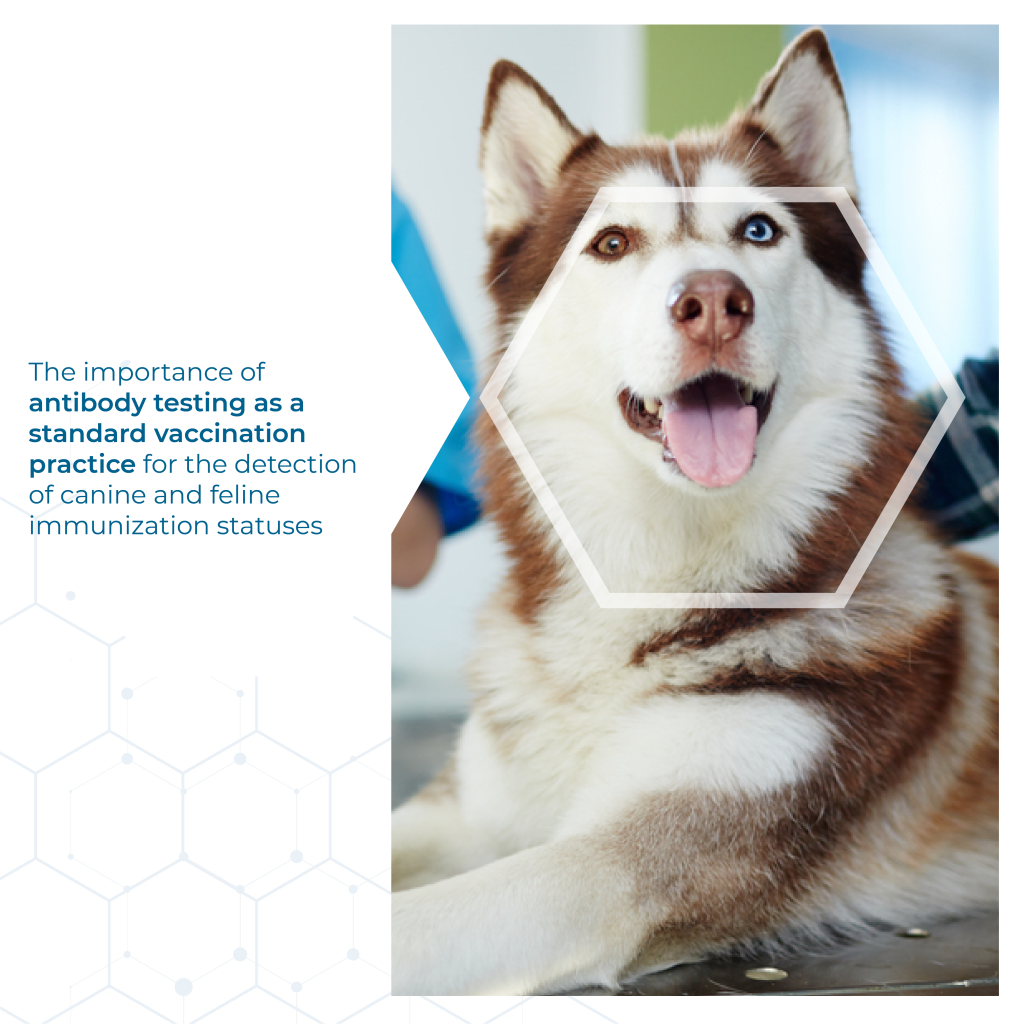
For instance, rabies is a viral disease that attacks the central nervous system and is transmissible to humans through animal bites, leading to a worldwide push for regular vaccination. Canine Parvovirus indiscriminately attacks dogs, especially puppies, leading to severe gastrointestinal distress and often requiring intensive veterinary intervention. Canine Distemper is particularly insidious, being an airborne virus that delivers devastating blows to respiratory, gastrointestinal, and nervous systems within dogs. On the feline front, Feline Viral Rhinotracheitis stands as a principal cause of upper respiratory infections, posing continual challenges for cat owners.
By adhering to a schedule of routine vaccinations, pet owners contribute significantly to curbing the incidence and transmission of these pervasive diseases within their communities.
4. Reducing Veterinary Costs
From a financial perspective, regular vaccinations stand as an economic bulwark against the high costs associated with treating diseases that are, in many instances, preventable. Treating conditions like parvovirus or distemper is resource-intensive, often necessitating hospital stays, specialized dietary regimes, and extended medical care, rapidly inflating veterinary expenses.
Conversely, adhering to regular vaccination schedules is a financially sound strategy, providing a preventive framework rather than a reactive solution. By planning vaccination into practical pet care routines, pet owners can side-step the staggering costs of treating outbreaks and emergencies, leading to better financial planning and resource allocation for other vital aspects of pet care.
3. Enhancing Public Health
Regular vaccination transcends the sphere of pet health, playing an indispensable part in reinforcing public health. One of the primary concerns lies with rabies, a disease that presents a significant zoonotic threat by being transmissible to humans. Historical rabies outbreaks in Nigeria underscore the acute importance of vaccination as an indispensable strategy in public health policy.
The connection between public health and animal health is exemplified in the One Health Initiative, a global movement that recognizes the need for integrated approaches to balance and optimize the health of people, animals, and the environment. Regular pet vaccinations reduce the risk of zoonotic disease transmission, protecting both individuals and the community at large, and exemplifying the essential role of vaccination programs.
2. Facilitating Travel and Socialization
In an increasingly interconnected world, our pets accompany us across a burgeoning array of social landscapes, including travel and cultural events. Compliance with vaccination protocols is frequently mandated by airlines, hotels, and even local parks, forming the cornerstone of pet socialization by allowing them to partake in diverse interactions safely.
Vaccination records stand as passports to these ventures, aligning with industry standards and health regulations that ensure collective animal and human safety during social engagements. Furthermore, current vaccination documentation is often a prerequisite for entry into veterinary practices, boarding facilities, and grooming services, facilitating comprehensive care and inclusive experiences.
When pets are not vaccinated, they are often barred from these enriching experiences, stunting social exposure and, ultimately, their behavioral development. Thus, consistent adherence to vaccination schedules not only ensures engagement in vibrant social routines but also enhances the holistic well-being of pets.
1. Ensuring a Healthy Companion
Underlying all considerations is the overarching goal of nurturing healthy companions. A pet fortified with timely vaccinations is emblematic of wellness, possessing an enhanced capacity for longevity and vitality. This endeavor is entrenched in regular veterinary consultations that assess and uphold comprehensive vaccination schedules.
By placing premium importance on the health and welfare of pets, owners can forge strong, enduring bonds, enriching lives filled with joy and mutual fulfillment. Pets that are regularly vaccinated testify to the considerations of responsible pet ownership, embodying dedication to disease prevention and life-long care.
In conclusion, the practice of regular vaccination transcends simple recommendation—it is an essential mandate for pet health in Nigeria. Pet owners must embrace this critical facet of pet care to ensure the continued well-being of their cherished companions. By doing so, they safeguard not only individual pets but also contribute positively to community health dynamics and public safety.
| Category | Details |
|---|---|
| Prevention of Diseases | Regular vaccinations protect pets from common diseases such as rabies, parvovirus, and distemper, which are prevalent in Nigeria. |
| Enhancement of Lifespan | Vaccinated animals are less prone to severe illnesses, contributing to a longer and healthier life for pets. |
| Community Health | Vaccination of pets helps to protect the wider community from zoonotic diseases, thus forming a healthier environment for humans and animals alike. |
| Economic Benefits | Investing in vaccinations can lead to reduced veterinary costs in the long term by preventing costly diseases and associated treatments. |
Frequently Asked Questions about Regular Vaccination for Pets in Nigeria
What are the most important vaccines for pets in Nigeria?
In Nigeria, it is crucial to keep pets vaccinated against common diseases like rabies, parvovirus, and canine distemper. These vaccines help shield pets from potentially deadly infections and contribute significantly to public health by preventing zoonotic diseases. Rabies vaccination is legally required due to its potential to spread to humans. Consulting with a local veterinarian can provide detailed guidance tailored to specific regions and individual pet needs.
How often should pets be vaccinated?
The frequency of pet vaccinations can vary based on the type of vaccine and the animal’s age, health status, and previous vaccination history. Generally, vaccinations start from around six to eight weeks of age, with booster shots following the initial vaccinations. Adult pets often require annual vaccinations or boosters to maintain immunity levels. It’s important to follow a recommended schedule set by a veterinarian to ensure consistent protection.
Are there side effects of vaccinations for pets?
While vaccinations are generally safe, some pets might experience mild side effects such as a slight fever, reduced appetite, or lethargy shortly after receiving a vaccine. Severe reactions are rare but can occur. Pet owners should monitor their pets closely following vaccinations and report any concerning symptoms to a veterinarian immediately. Early detection can prevent complications, ensuring that pets remain healthy and protected.
Why is regular vaccination particularly important in Nigeria?
Nigeria faces unique challenges, including a high prevalence of certain infectious diseases and varying levels of veterinary care access. Regular vaccinations are a critical preventive measure, helping to curb outbreaks and ensuring the health of both animals and humans. In a country with diverse ecosystems and animal-human interactions, maintaining a vaccinated pet population is vital for safeguarding public health and biodiversity.
How can pet owners in Nigeria access vaccination services?
Owners can access vaccination services through government clinics, private veterinary practices, and sometimes during community outreach programs. In regions with limited veterinary services, mobile clinics and NGO-sponsored interventions may also offer vaccination. It’s essential for pet owners to stay informed about local vaccination drives and actively seek out these services to keep their animals healthy and prevent the spread of disease.
Conclusion: Bolstering Pet Health in Nigeria Through Regular Vaccination
The significance of regular vaccination for pets in Nigeria cannot be overstated. As we’ve explored, ensuring that pets are vaccinated timely not only safeguards them against a spectrum of diseases but also contributes to a healthier community overall. With Nigeria’s diverse ecosystem, pets are regularly exposed to a variety of pathogens, making vaccinations crucial for their health and longevity.
Throughout the article, we’ve identified key benefits of vaccination, including the prevention of rampant diseases such as rabies and parvovirus, the enhancement of pet longevity, and the reduction of transmission risks to humans. Vaccinations serve as a frontline defense for pets in a challenging environment, reinforcing public health efforts across the country.
- Prevention and Protection: Vaccination protects pets from serious illnesses and promotes general well-being.
- Cost-Effectiveness: Preventive care through vaccination is less costly compared to treating advanced diseases.
- Community Health: Regular vaccination breaks the chain of transmission, protecting both animals and humans.
- Responsible Pet Ownership: Vaccinated pets are less likely to suffer and contribute to healthier households.
- Veterinary Guidance: Establishing a partnership with vets ensures timely vaccination and up-to-date pet health monitoring.
To conclude, fostering a culture of regular pet vaccination in Nigeria is not merely a matter of individual pet health, but a crucial step in building a safer and healthier environment for all. It is imperative that pet owners remain vigilant and proactive, ensuring that their pets are regularly vaccinated. Such actions today can promise a resilient and thriving community tomorrow.