Natural Pet Foods vs Commercial Kibble Whats Healthier for Your Pet
The debate around natural pet foods versus commercial kibble has become increasingly relevant among pet owners who prioritize the health and well-being of their furry companions. With a vast range of options available, understanding the potential benefits and drawbacks of each can be overwhelming. This guide aims to navigate through the complexities of pet nutrition, equipping you with valuable insights and practical advice.
Why This Topic Matters
Pet health is directly linked to diet, making it crucial for pet owners to make informed choices. Consider the following:
- Nutrition Quality: Ingredients vary significantly between natural and commercial foods.
- Health Impact: Certain diets can influence weight, energy levels, and longevity.
- Ethical Considerations: Sourcing and production practices can vary greatly.
Prepare for Our Top 5 Rankings
This article will guide you through the top 5 foods in each category, comparing the health benefits and unique features of natural pet foods and commercial kibble. By the end, you will be better equipped to make a choice that aligns with your pet’s needs and well-being.
Top 5: Natural Foods vs. Commercial Kibble – What Is Best for Your Pet’s Health?
Pet owners often find themselves weighing the benefits and drawbacks of feeding their furry companions natural foods versus sticking to commercial kibble. This debate is prevalent and vitally important, as it directly influences pet health and well-being. Here, we delve into the top five aspects of this debate, providing insights that aim to guide you in making the best nutritional decision for your beloved pet.
5. Cost-Effectiveness
One of the primary factors pet owners consider when choosing between natural foods and commercial pet food is the issue of cost. Commercial pet food, particularly kibble, is generally less expensive than a fully natural diet. This is largely because of the mass production and long shelf life of commercial products, which drive down costs.
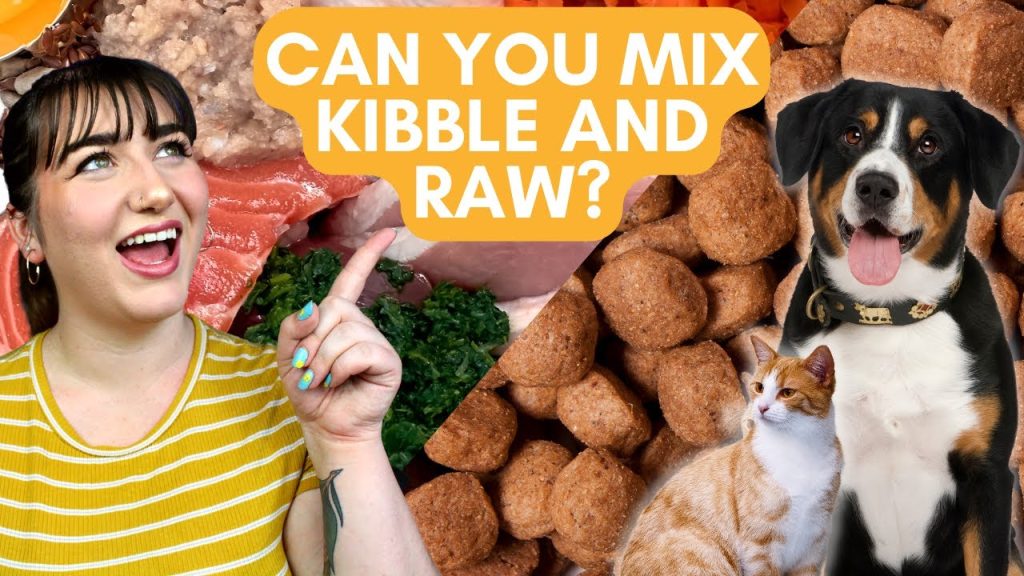
Natural foods, especially those that are organic or locally sourced, tend to be more expensive. The costs can mount quickly, especially for large breeds or multi-pet households. However, it’s crucial to weigh these upfront costs against the potential long-term health implications. Feeding your pet low-quality commercial food could lead to health issues that result in more expensive veterinary bills over time, such as chronic allergies or digestive problems.
A practical approach to evaluate cost can consider these ranges:
- Commercial Kibble: Typically costs between $2 to $5 per pound, reflecting a more budget-friendly option for many households.
- Natural Foods: Prices usually range from $5 to $15 per pound or more, influenced by the quality and source of the food.
4. Nutritional Value
The nutritional value of your pet’s food is a critical consideration. Many commercial pet foods are formulated to match specific nutritional standards and come with guaranteed nutritional information. They are designed to provide a complete diet with balanced vitamins and minerals required for a pet’s health.
In contrast, natural foods can offer superior quality in nutrients but demand careful selection and preparation to make sure they fulfill all dietary requirements. This often requires pet owners to conduct thorough research or consult with a veterinarian to ensure their pets receive a complete and balanced diet. For balanced nutrition, a natural food diet might include:
- Lean meats such as chicken or turkey for protein
- Vegetables like carrots, peas, and leafy greens for vitamins and fibers
- Whole grains like brown rice and oats for carbohydrates
- Healthy fats found in fish oil or flaxseed oil
While natural diets can be highly beneficial, they require diligence to avoid nutrient deficiencies that can affect your pet’s health and vitality.
3. Digestibility and Allergens
Digestibility and the presence of allergens are significant factors influencing whether to adopt a natural or commercial pet food diet. Pets can sometimes develop allergies or intolerances to specific ingredients commonly found in commercial foods, such as certain grains, artificial coloring, or preservatives.
With natural foods, pet owners have the flexibility to tailor meals to their pet’s unique dietary needs, avoiding allergens more efficiently. This can enhance digestion, leading to better absorption of nutrients and a decrease in gastrointestinal problems.
Commercial pet foods, despite being convenient, can contain fillers and low-quality ingredients that are tough for some pets to digest. Evaluating your pet’s digestion and energy levels can be a telling measure of which diet suits them best.
2. Control Over Ingredients
Control over what goes into your pet’s body is a significant advantage of choosing natural foods. Pet owners can select high-quality ingredients, free from artificial additives commonly found in commercial pet foods such as preservatives, colorings, and flavor enhancers. This greater control can support your pet’s unique health needs and preferences.
This option allows for the personalization of meals aimed at managing conditions such as obesity, allergies, or digestive sensitivity. Moreover, preparing homemade meals can foster a stronger bond between pet and owner, contributing to both physical and emotional well-being.
1. Overall Health and Longevity
The ultimate goal in the debate over natural foods versus commercial kibble is to enhance the overall health and longevity of pets. Evidence and anecdotal accounts suggest that pets fed on well-balanced, species-appropriate natural diets tend to exhibit fewer health problems and potentially live longer, healthier lives.
Reports indicate that pets on natural food diets often showcase improved energy levels, healthier skin and coat conditions, and better dental health. On the flip side, pets consuming low-quality commercial diets might be more prone to obesity, diabetes, and even behavioral issues.
Whichever option you choose, it’s important to conduct extensive research and even experiment to figure out which diet best suits your pet’s individual needs and preferences. The key is in ensuring that the diet provides complete nutrition and supports a happy, healthy life for your four-footed companion.
In conclusion, whether you decide on natural foods or commercial kibbles, the choice should ultimately serve your pet’s unique dietary needs while considering factors like cost-effectiveness, nutritional balance, digestibility, and ingredient control. A thoughtfully constructed diet is a stride towards ensuring your pet’s vibrant health and longevity.
| Category | Details |
|---|---|
| Nutritional Value | Alimentos naturais can provide a varied diet rich in vitamins, minerals, and healthy fats. Fresh fruits and vegetables can enhance fiber content compared to many commercial brands. |
| Additives and Preservatives | Many commercial pet foods contain artificial additives and preservatives to extend shelf life. This can lead to potential health risks over time, whereas natural foods typically do not have these additives. |
| Customizability | Feeding pets natural foods allows for tailoring diets according to specific health needs and preferences. This can be particularly beneficial for pets with allergies or sensitivities to certain ingredients found in commercial foods. |
| Long-term Health Benefits | Research suggests that diets rich in natural ingredients can lead to improved longevity and overall health in pets. Investing in a balanced natural diet may reduce the risks of chronic diseases in the long run. |
Exploring the nutritional value, additives, customizability, and health implications can offer pet owners vital insights into making informed dietary choices for their furry companions. Each of these categories highlights essential considerations when weighing the benefits of natural foods against commercial options, leading to a well-rounded understanding of pet nutrition. As you delve into the world of pet foods, assess each category’s weight according to your pet’s specific needs and lifestyle.
Frequently Asked Questions
What are the main differences between natural foods and commercial pet food?
Natural foods typically refer to whole ingredients such as meats, vegetables, and grains, while commercial pet food, or kibble, is a processed item that’s designed to meet a pet’s nutritional needs. Natural foods often have fewer preservatives and artificial flavors, which can be beneficial for pets with sensitivities. On the other hand, commercial foods are convenient and balanced according to industry nutritional standards. Each option has its pros and cons, and pet owners should consider their pet’s individual health needs when deciding between them.
Is it true that natural food is always more expensive than commercial pet food?
Not necessarily. The cost of natural foods can vary greatly depending on the source and preparation. While some premium natural diets can be more costly, there are economical ways to incorporate natural ingredients into your pet’s diet. Conversely, high-quality commercial food can also be pricey. It’s crucial to weigh the nutritional value and longevity of both options to determine what’s most cost-effective for your pet’s diet over time.
Can a mix of natural foods and commercial pet food be an ideal solution?
Yes, many pet nutritionists suggest a blended approach can offer the best of both worlds. A combination can ensure that your pet receives adequate nutrition from commercial food’s complete profiles, while also enjoying the varied flavors and benefits of natural ingredients. However, it’s essential to maintain balance and ensure that all nutritional requirements are met. Consulting with a veterinarian can help tailor the right mix for your pet.
Are there specific health benefits associated with feeding pets natural foods?
Some pet owners and experts claim that diets rich in natural foods can lead to improvements in coat quality, energy levels, and overall health. Nutrients from fresh sources can be more readily absorbed, and pets with allergies or digestive issues may respond better to diets with fewer processed ingredients. However, scientific evidence is mixed, and individual results may vary, so careful consideration and professional advice are recommended.
How can I make sure my pet’s diet is balanced if I choose natural foods?
Ensuring a balanced diet with natural foods involves incorporating the right mix of proteins, carbohydrates, and fats, along with necessary vitamins and minerals. Homemade pet food recipes often require supplements to meet all nutritional needs. Consulting with a veterinary nutritionist can be invaluable in crafting a diet plan that ensures no deficiencies occur and that your pet remains healthy and happy. Additionally, regular blood work and health check-ups can help monitor your pet’s response to a new diet.
Conclusion: Weighing the Options for Your Pet’s Health
In the ongoing debate over natural foods versus commercial pet foods, it is evident that both options carry their own sets of advantages and considerations. For pet owners striving to make the best dietary choices for their beloved companions, this decision hinges on a multitude of factors, including nutritional balance, convenience, cost, and individual pet needs.
Natural foods offer a sense of control and transparency. By preparing meals at home, pet owners ensure that their pets consume fresh, wholesome ingredients free from preservatives, artificial flavors, and filler substances. This personalized approach can cater specifically to pets with unique dietary requirements or allergies. However, it is crucial to acknowledge the potential drawbacks: the risk of nutritional imbalances if not carefully planned and the additional time and effort required for preparation.
Conversely, commercial pet foods present a convenient, cost-effective solution that caters to a wide range of dietary needs. These products are formulated by veterinary nutritionists to meet established nutritional standards, providing balanced meals that require no additional effort from pet owners. While some may express concerns over ingredients and processing methods, modern advancements in pet food production have led to a plethora of high-quality options on the market.
Final Thoughts
Ultimately, the choice between natural foods and commercial pet foods should be guided by a pet’s specific health needs, with professional veterinary advice serving as an invaluable resource. As the pet food industry continues to evolve, it promises more innovative solutions to meet diverse nutritional requirements. With informed decisions, pet owners can ensure their furry friends lead healthy, happy lives. Exploring both feeding approaches can yield valuable insights, leading to a well-rounded understanding of pet nutrition and well-being.