The Art of Decluttering: How Space Optimization Enhances Mental Clarity
Why Your Cluttered Desk Is Sabotaging Your Focus
Americans spend an estimated 2.5 days a year just searching for misplaced items in their homes, according to organizational research. That statistic alone hints at a bigger truth: physical chaos and mental fog are deeply connected. The reality is that a cluttered environment can have detrimental effects on our cognitive functions, leading to decreased productivity and heightened feelings of overwhelm.
Decluttering for mental clarity has become more than a home organization trend. It’s emerging as a legitimate strategy backed by neuroscience and psychology. Many people find themselves struggling to concentrate in cluttered spaces, which can ultimately hinder their ability to perform both personal and professional tasks effectively.
The Hidden Cost of Clutter
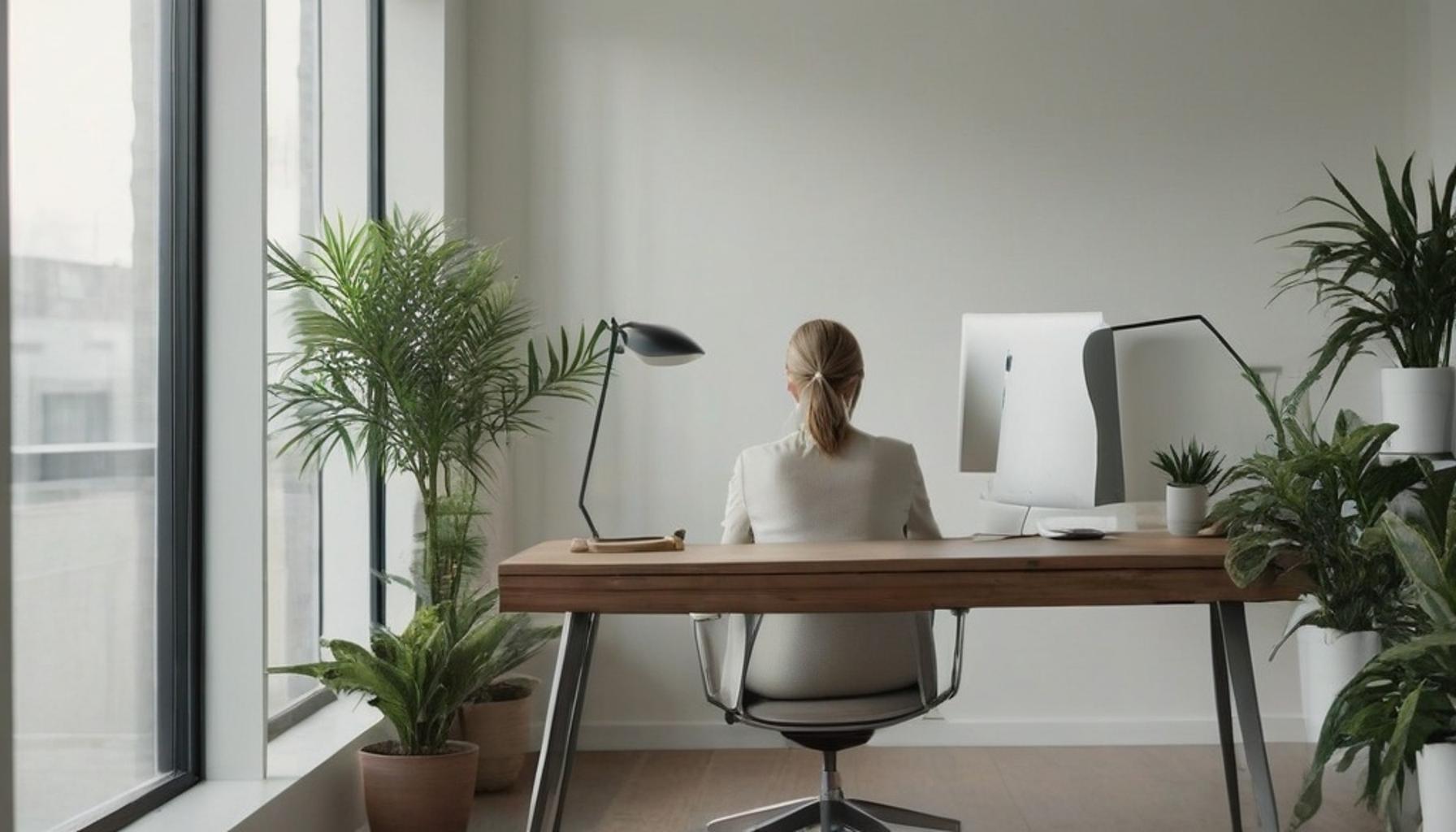
Researchers at Princeton University found that visual clutter competes for attention in the brain, reducing our ability to process information and focus on tasks. Every stack of papers or overflowing closet sends a subtle signal of unfinished business. This is exemplified in a workplace scenario where a disorganized desk can inhibit creativity and problem-solving. When distractions are prevalent, even the simplest tasks can seem monumental.
Consider what excess clutter actually costs you:
- Increased cortisol levels and chronic stress: Chronic stress induced by clutter can impact mental health, leading to anxiety and depressive symptoms.
- Reduced ability to concentrate on important tasks: When your mind is constantly distracted by clutter, you become less effective at prioritizing what truly matters.
- Lower overall life satisfaction: According to UCLA studies, individuals living in cluttered environments report lower levels of happiness and contentment.
- More time wasted searching for essentials: On average, Americans spend up to 8 hours a year looking for keys and other important items, time that could be better spent on fulfilling activities.
Space Optimization as a Mental Reset
The good news? The benefits of decluttering extend far beyond tidy shelves. Simple space optimization tips can transform not just your home, but your headspace. By creating a well-organized environment, you can foster peace and productivity.
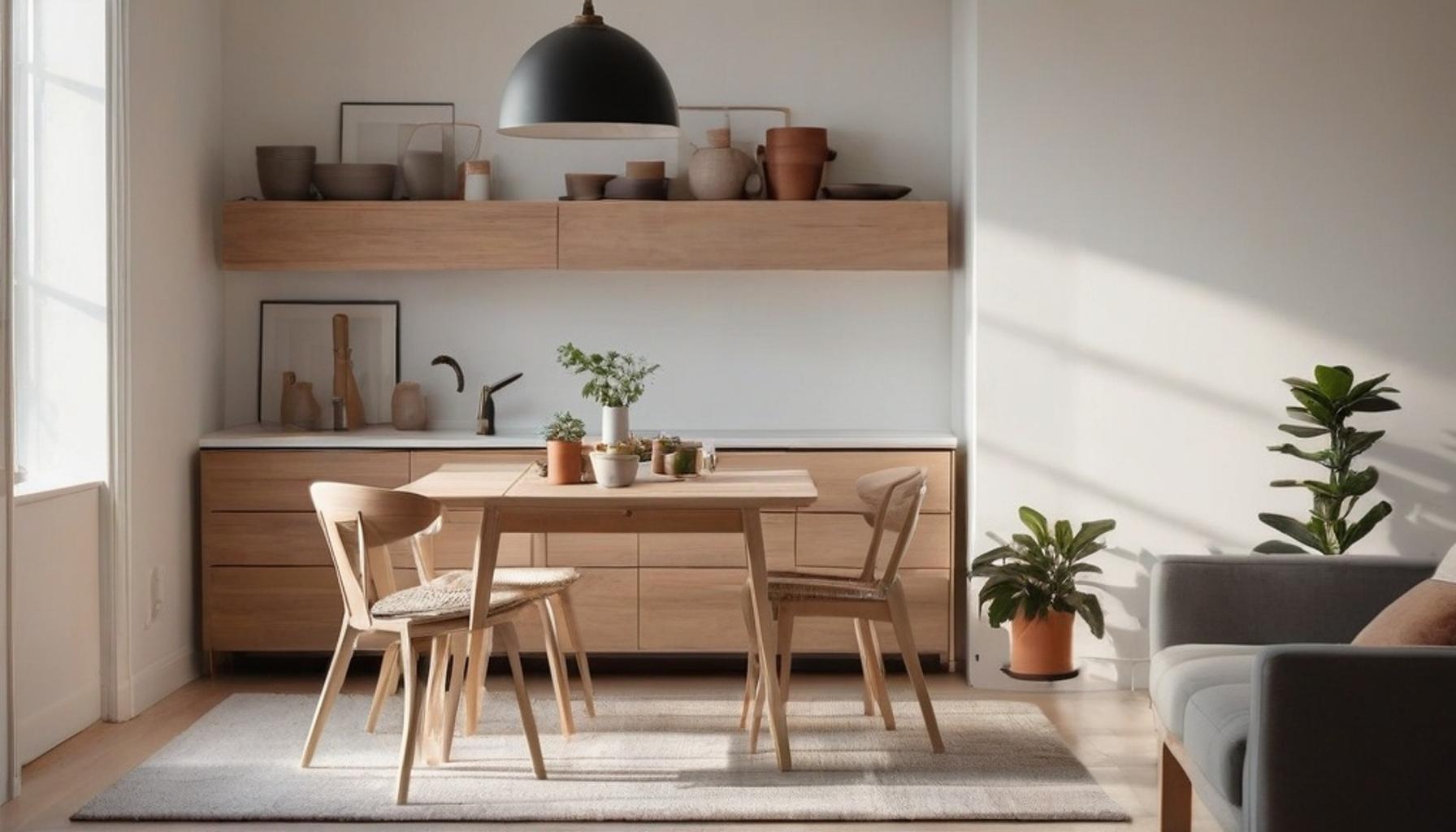
Start by tackling one room at a time. Consider the space around your desk; removing unnecessary items can lead to a clearer mind. Using organizational tools such as drawer dividers or shelf bins can enhance your atmosphere significantly. Remember, minimalism doesn’t equate to deprivation; it’s about focusing on what truly brings value to your life.
This article explores practical decluttering strategies that create lasting change. You’ll discover how to declutter your space room by room, why minimalism isn’t about deprivation, and how achieving mental clarity through organization might be the self-care upgrade you didn’t know you needed. Embracing these strategies not only helps in reducing clutter but can lead to a more fulfilling and productive life.
LEARN MORE: Maximizing Small Spaces: Minimalist Solutions for Urban Living
# The Science Behind a Clear Space and a Clear MindNeuroscientists have discovered something remarkable about how our brains process physical environments. The visual cortex doesn’t distinguish between “important” and “unimportant” objects in your peripheral vision—it registers everything. This means that pile of unopened mail on your kitchen counter is quietly draining cognitive resources, even when you’re not consciously looking at it.
How Clutter Rewires Stress Responses
A 2011 study published in the Journal of Neuroscience revealed that when people cleared clutter from their workspace, their ability to focus and process information improved significantly. Participants completed tasks faster and with fewer errors in organized environments compared to chaotic ones.This isn’t just about aesthetics. It’s about biology.Decluttering for mental clarity works because it directly addresses how our nervous system interprets visual chaos. Every object in your line of sight represents an unfinished decision: keep, toss, organize, or ignore. Multiply that by the hundreds of items in an average American home, and you’ve got a recipe for constant low-grade cognitive strain.Consider these findings from environmental psychology research:
- Faster decision-making: People in organized spaces make choices 20% more efficiently than those surrounded by clutter, according to behavioral studies.
- Improved sleep quality: A National Sleep Foundation poll found that people who make their beds and keep bedrooms tidy are more likely to report restful sleep.
- Better emotional regulation: Clutter has been linked to increased irritability and difficulty managing everyday frustrations.
- Enhanced creative output: Contrary to the “creative mess” myth, structured environments often support deeper creative thinking by reducing mental noise.
The Domino Effect of Physical Order
What makes space optimization tips so powerful is their ripple effect. When you organize one area—say, a junk drawer—you’re not just gaining storage space. You’re practicing decision-making, building momentum, and training your brain to associate order with calm.This is why professional organizers often recommend starting small. A single cleared surface can shift your entire perception of a room. It signals to your brain that chaos is manageable, that control is possible.The benefits of decluttering compound over time. Each small win builds confidence for tackling bigger projects, whether that’s a garage full of forgotten belongings or a digital inbox with thousands of unread emails. The mental clarity gained from one organized space often motivates people to extend those same decluttering strategies throughout their entire home.

CHECK OUT: How to Optimize Small Living Spaces with Minimalist Design Principles
# From Theory to Practice: Real-World Applications That WorkUnderstanding the science is one thing. Putting it into action is where most people stumble. That’s why decluttering strategies need to be practical, not just theoretical.
The 90-Second Rule and Other Quick Wins
Professional organizers across the country have popularized a simple technique: if a decision takes less than 90 seconds, make it immediately. Don’t overthink whether to keep that expired coupon or broken phone charger. This approach eliminates decision fatigue before it accumulates.Space optimization tips don’t require a complete weekend overhaul. Small, consistent actions produce measurable results:
- The one-in-one-out rule: For every new item brought into your home, one existing item leaves. This prevents accumulation before it starts.
- Vertical storage solutions: Americans living in apartments, particularly in cities like New York and San Francisco, have embraced wall-mounted shelving to maximize limited square footage without sacrificing organization.
- The 12-12-12 challenge: Find 12 items to throw away, 12 to donate, and 12 to return to their proper place. This gamifies decluttering and makes it less overwhelming.
- Digital decluttering: Unsubscribing from unused email lists and organizing desktop files reduces cognitive clutter just as effectively as physical tidying.
What Happens When You Learn How to Declutter Your Space
A survey conducted by the National Association of Productivity and Organizing Professionals found that 54% of Americans feel overwhelmed by the amount of clutter they own. Yet those who actively organize report significantly lower stress levels within just two weeks of starting.This timeline matters. Mental clarity through organization isn’t an instant transformation—it’s a cumulative process. Brain scans show that repeated exposure to organized environments gradually reduces activity in the amygdala, the region responsible for processing stress and fear responses.Marie Kondo’s methodology, which swept through American households after her Netflix series premiered, tapped into something deeper than aesthetic preference. Her approach of evaluating whether items “spark joy” forces intentional decision-making, a practice that mirrors cognitive behavioral techniques used in clinical psychology.The benefits of decluttering extend beyond individual rooms. Families who implement consistent organizational systems report smoother morning routines, fewer arguments about misplaced items, and even improved academic performance among children who have designated, clutter-free study spaces.Retailers have noticed this shift too. Container Store and similar organizational retailers have seen consistent year-over-year growth, reflecting a broader cultural movement toward intentional living and simplified spaces.
The Bigger Picture: Why Clutter-Free Living Is Here to Stay
The evidence is clear: decluttering for mental clarity isn’t a fleeting trend borrowed from lifestyle influencers. It’s a legitimate response to a culture drowning in consumer goods, digital notifications, and overstuffed closets that has left many Americans quietly overwhelmed.
What started as aesthetic preference has evolved into something closer to preventative mental health care. Neuroscience confirms what professional organizers have long suspected—our brains respond to physical order the same way they respond to reduced threat. Fewer visual distractions mean fewer stress signals firing in the background.
Rethinking Space as a Mental Health Tool
Perhaps the most compelling shift is how Americans now view their homes. Living spaces are no longer just storage for belongings; they’re environments actively shaping cognitive performance, emotional regulation, and daily productivity.
This reframing matters. When space optimization tips get treated as wellness practices rather than chores, motivation changes. People stick with systems longer when they understand the psychological stakes involved.
The benefits of decluttering ripple outward too, touching relationships, work performance, and even sleep quality, according to multiple behavioral studies referenced throughout organizational psychology research.
Where to Go From Here
Anyone still wondering how to declutter your space effectively doesn’t need perfection. Progress matters more than a magazine-worthy result achieved overnight.
Start small. Pick one drawer, one shelf, or one inbox. Consistency, not intensity, produces lasting mental clarity through organization.
As American households continue prioritizing intentional living over accumulation, one truth remains constant: the space you inhabit shapes the mind you bring into it. That connection alone makes decluttering worth taking seriously.
Frequently Asked Questions
How does decluttering for mental clarity impact my daily productivity?
Decluttering for mental clarity significantly reduces distractions in your environment, allowing you to focus better on tasks at hand. A streamlined space can lead to improved decision-making and heightened creativity, ultimately enhancing overall productivity.
What are some effective strategies for decluttering my workspace to enhance mental clarity?
Start by sorting items into categories: keep, donate, or discard. Utilize storage solutions like baskets or cabinets to keep necessary items organized and out of sight, and ensure that your workspace reflects a minimalist aesthetic to reduce visual noise and promote focus.
Can emotional attachment to items hinder my decluttering efforts for mental clarity?
Yes, emotional attachment can create significant barriers to decluttering, causing you to hold onto items that clutter your space. Acknowledge your feelings, but try to prioritize the potential mental clarity gained from letting go of items that no longer serve a purpose in your life.
What role does mindfulness play in the process of decluttering for mental clarity?
Mindfulness enhances the decluttering process by encouraging you to be present and intentional about each item in your space. By assessing your possessions with a mindful approach, you can make more thoughtful decisions about what to keep or let go of, promoting clearer mental space.
Are there long-term benefits of maintaining a decluttered environment for mental clarity?
Absolutely, maintaining a decluttered environment can lead to sustained mental clarity over time. A tidy space often translates to reduced stress levels and improved emotional well-being, allowing you to cultivate a more focused and balanced mindset in your everyday life.

Linda Carter
Linda Carter is a writer specializing in minimalism and personal organization. With extensive experience helping readers create more functional and balanced routines, she shares practical advice on decluttering, organizing spaces, simplifying daily tasks, and making more intentional choices. Her goal is to offer clear guidance and accessible strategies that help people reduce excess, improve their surroundings, and enjoy a calmer, more organized lifestyle.