Music as a Form of Personal Expression: Stories of Nigerian Artists
The Role of Music in Nigerian Society
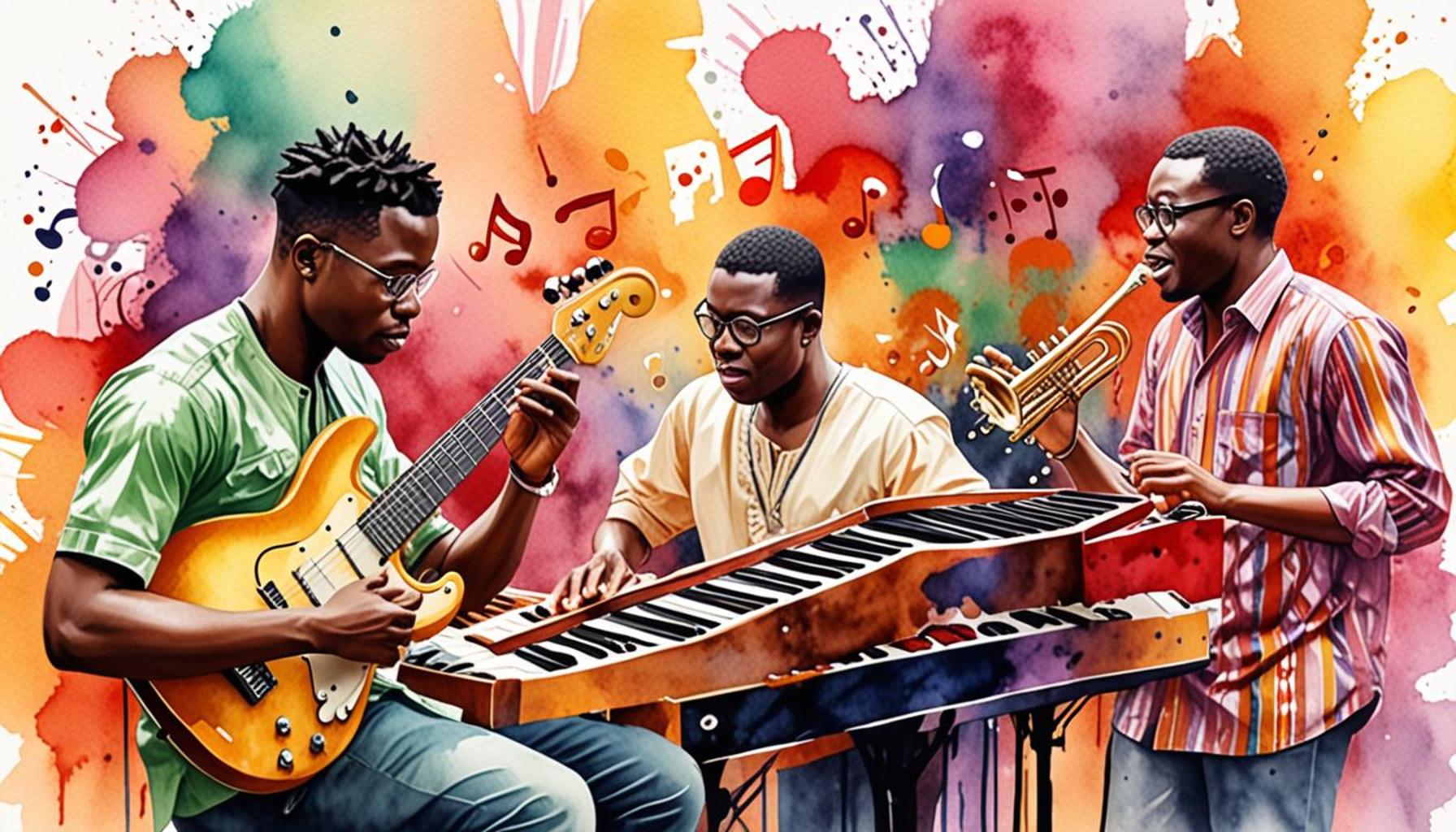
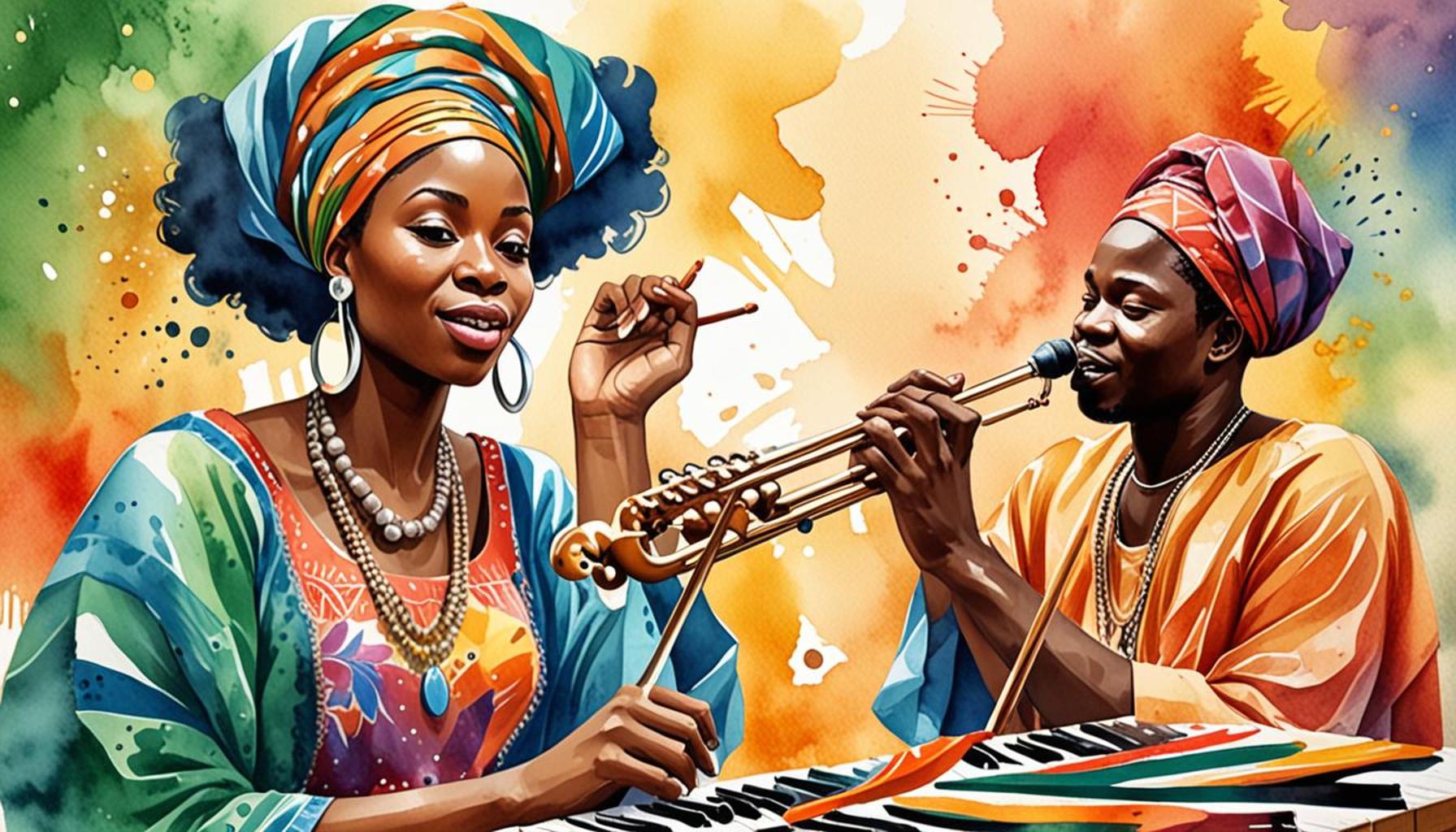
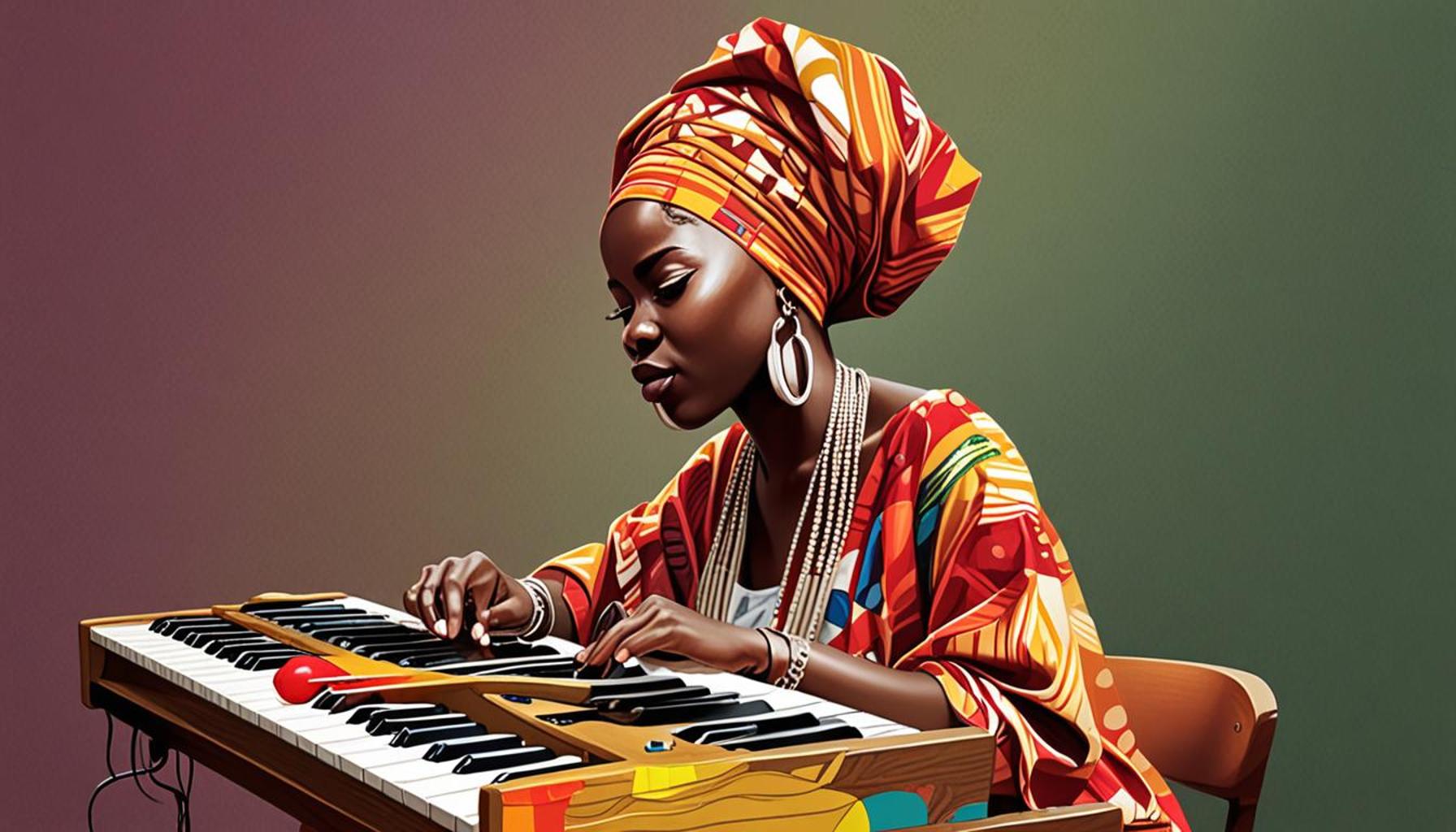
Music is more than just sound; it is a powerful form of personal expression. For many Nigerian artists, it serves as a canvas to paint their stories, emotions, and cultural heritage. Each beat, lyric, and melody transcends mere entertainment, morphing into a vibrant narrative of identity and resilience.
Nigeria boasts a rich tapestry of musical genres, each reflecting unique experiences and backgrounds. The country’s diverse ethnic groups contribute to a mosaic of sounds that resonate on both local and international stages. Here are some notable forms that exemplify this phenomenon:
- Afrobeats: This contemporary genre blends traditional African rhythms with global influences, creating an infectious sound that appeals to a wide audience. Artists like Burna Boy and Wizkid have popularized this genre, using it to share their narratives of love, struggle, and cultural pride.
- Highlife: Emerging from the Gold Coast in the early 20th century, highlife incorporates jazzy horns and catchy melodies rooted in West African culture. It reflects the stories and aspirations of the people, often celebrating life’s joys and communal experiences.
- Hip Hop: A genre where young artists articulate contemporary issues, from social injustices to personal struggles. Nigerian hip hop is vibrant and influential, with artists like Olamide and Reminisce using their platforms to spark dialogue around pressing societal concerns.
- Traditional Music: This genre remains a vital expression of community and ancestral heritage. Through drumming and folk chants, artists like King Sunny Adé and traditional performers preserve age-old customs while narrating the history and beliefs of their communities.
The stories behind these genres are as diverse as the artists themselves. For instance, Tiwa Savage has not only achieved commercial success but also challenged social norms and provoked dialogue through her lyrics, often addressing issues related to womanhood and empowerment. By harnessing the power of music, these artists spark conversations about socio-political realities, encouraging listeners to engage with their environment.
As we delve deeper into the lives of these artists, we uncover how their musical journeys are intertwined with their personal stories, regional struggles, and the vibrant culture that shapes Nigeria. Each artist not only reflects their surroundings, but also influences the younger generation’s perspectives on identity, ambition, and self-worth.
Join us on this explorative journey through the lens of music, where every note and lyric becomes a testament to personal and collective identity. Discover how the heartbeat of Nigeria resonates through sound, driving social change and fostering unity among its people.
CHECK OUT: Click here to explore more
The Personal Stories Behind the Sound
Music in Nigeria is a profound reflection of personal journeys and societal narratives, where each artist embodies a unique story that resonates with listeners. For many, the journey into music is not merely a career choice but a necessity for self-expression. This dichotomy of personal struggle and triumph forms the backbone of the storytelling inherent in Nigerian music.
Take, for instance, the rising star Tems. Her music is a raw expression of her experiences as a young woman navigating life in Nigeria. Through her emotive vocals and poignant lyrics, Tems addresses themes of love, trauma, and resilience, creating a deep connection with her audience. Her breakout hit “Try” became an anthem for many who have faced adversity, showcasing how music can articulate collective pain and aspiration. Such personal stories exemplify how Nigerian artists craft their narratives, exposing vulnerabilities while advocating for empowerment.
The impact of traditional influences on contemporary artists cannot be overstated. Many modern musicians seamlessly weave traditional sounds into their work to maintain a connection to their roots. Seun Kuti, son of the legendary Fela Kuti, continues to explore themes of political activism and social justice in his music, aligning closely with his father’s legacy. His Afrobeat style not only entertains but also educates, motivating listeners to reflect on their socio-political environment.
Moreover, artists like Yemi Alade leverage their music to explore the rich diversity of Nigerian culture. With her pan-African sound and lyrics often infused with vernacular, Alade celebrates her heritage while addressing universal themes of empowerment and identity. Her hit song “Johnny,” which humorously details a love story gone wrong, transcends borders, allowing audiences everywhere to relate to her experiences, thus reinforcing the potency of music as a form of expression.
These varying narratives culminate in a broader movement within the Nigerian music scene, where artists are increasingly utilizing their platforms for social change. The emergence of socially conscious music reflects a growing awareness among artists of their role in society. This has paved the way for collective movements, such as #EndSARS, where many musicians took a stand against police brutality and corruption, merging their art with activism. Songs became rallying cries for justice, proving that music serves not only as a personal expression but as a vessel for communal hopes and frustrations.
In examining these stories, it becomes evident that the music of Nigerian artists transcends mere entertainment; it is a vital means of connecting individuals with their cultural identities and political realities. As we continue this exploration, we will uncover more artists whose journeys illuminate the diverse ways in which music in Nigeria serves as a powerful form of personal expression.
Exploring Themes of Identity and Representation
Music in Nigeria serves as a powerful medium through which artists express their cultural identities, personal experiences, and societal issues. The diverse musical genres, from Afrobeat to Highlife, are reflections of the rich tapestry of Nigerian culture. For instance, artists like Fela Kuti emerged as voices of a generation, using their music to challenge political oppression and advocate for social justice. This intersection of music and activism has played a crucial role in shaping public consciousness, inspiring listeners to reflect on their own identities and the world around them.Moreover, the stories of contemporary Nigerian artists illustrate how music transcends geographical and social boundaries. Talents like Burna Boy and Tiwa Savage have gained international acclaim, promoting Nigerian culture on global platforms. Their lyrical content often includes themes of resilience, love, and socio-economic challenges, resonating with audiences worldwide. This not only showcases the talent within Nigeria but also elevates the narratives that often remain unheard in mainstream media.The role of technology in amplifying these voices cannot be overlooked. With the rise of platforms like YouTube and Spotify, Nigerian artists are reaching audiences far beyond the African continent. This digital revolution has enabled them to share their stories and experiences with a larger audience, creating a global community of music lovers who appreciate the rich narratives that accompany their art. As the world continues to evolve, so does the music scene in Nigeria, pushing boundaries and challenging norms. The stories of these artists are not just about entertainment; they serve as crucial insights into the personal and collective struggles of a nation. Through music, they articulate what it means to be Nigerian, making significant contributions to the global music landscape.
| Category | Details |
|---|---|
| Cultural Identity | Artists use music to express their heritage and personal experiences. |
| Social Commentary | Music as a platform to address political and social issues, inviting reflection and action. |
In this context, music becomes not just a form of entertainment but also a means of personal and communal expression, encapsulating the essence of what it means to be a storyteller in today’s world.
SEE ALSO: Click here to read another article
A Canvas of Cultural Resilience
One of the striking aspects of Nigerian music is its ability to encapsulate not just individual experiences, but also collective sentiments that resonate across diverse groups. Artists like Burna Boy exemplify this, creating a sound that fuses Afro-fusion with elements of reggae, dancehall, and pop. His critically acclaimed album “African Giant” serves as a powerful exposition of his personal identity intertwined with that of Nigeria at large. Tracks such as “Anybody” and “Gbona” reflect on themes of identity and social consciousness, echoing the aspirations and frustrations of his generation. Burna Boy’s journey underscores how music acts as a safe space where personal tales interlace with national narratives, fostering a deep sense of solidarity among listeners.
The story of Wizkid further expands this narrative. An emblematic figure in the global Afrobeats movement, Wizkid’s rise to fame is marked by his ability to bridge local and international audiences. His hit “Ojuelegba” narrates his experiences growing up in the suburbs of Lagos, articulating the hustle, dreams, and realities faced by many youths in Nigeria. A celebration of the ordinary, the song urges listeners to resonate with the struggles that define their daily lives. This authenticity cements Wizkid’s status as a voice for the youth, illustrating how art can become a conduit for shared life experiences.
Moreover, female artists are carving out their own spaces within this cultural milieu, often celebrating their identities in the face of patriarchal norms. Simi, known for her soothing vocals and poignant lyrics, addresses personal and societal issues through her music. Her song “Joromi” intertwines themes of love with cultural exploration, emphasizing the importance of women’s voices in Nigerian storytelling. Simi’s journey highlights how female artists are redefining narratives and becoming powerhouses of influence, thus enriching the landscape of personal expression in music.
The emergence of genres such as Afrobeats and Alté has created a platform for experimentation among younger artists, showcasing their uniqueness. The Alté scene, which includes artists like Santi and Tems, represents a departure from mainstream sounds, bringing to the forefront eclectic styles that blend genres and visuals. This melting pot of creativity emphasizes a freedom of expression that encourages authenticity, as today’s artists grapple with modern issues such as mental health, sexuality, and identity. For instance, Santi’s “Shanti” is a vivid narrative illustrating the complexities of love, shedding light on the inner workings of youth through a contemporary lens.
The music industry in Nigeria is also increasingly recognizing the importance of crafting euphoria through collaborative projects that further amplify personal stories. Collaborative efforts such as “Lion Heart,” featuring multiple artists, invite listeners to engage with various narratives anchored in personal experiences. This trend not only celebrates diversity but also provides a platform for underrepresented voices, broadening the scope of personal expression and fostering a sense of inclusivity.
As these artists continue to break boundaries and redefine Nigerian music, their stories become interwoven with those of their listeners. The music emanates as an expansive tapestry, showcasing a rich heritage while carving new pathways for personal expression. In this vibrant ecosystem, every note and lyric speaks of resilience, hope, and the enduring spirit of a nation, compelling us to pay attention to the stories behind the sound.
RECOMMENDED: Check out this similar article
Conclusion
As we navigate through the rich tapestry of Nigerian music, it becomes evident that this art form transcends mere entertainment; it is a profound means of personal expression that captures the essence of diverse experiences. From the evocative narratives of artists like Burna Boy and Wizkid to the empowering voices of Simi and the rising Alté scene, each story encapsulates the multifaceted identity of a nation wrestling with social issues, dreams, and aspirations.
Through their lyrics and melodies, Nigerian artists honor both their personal journeys and the collective struggles of their communities, crafting songs that resonate on both local and global stages. Their ability to blend traditional sounds with contemporary influences allows for a dynamic exploration of identity, and serves as a catalyst for change and awareness among listeners. The discussions surrounding themes like mental health, gender equality, and socio-economic challenges reflect a growing consciousness within the music scene, proving that art can indeed influence societal perspectives.
The rise of collaborative efforts, such as the impactful project “Lion Heart,” exemplifies the strength found in unity, inviting a multitude of voices to share their narratives. This inclusivity nurtures a culture of empathy and understanding, ultimately forging a shared identity that echoes across generations. As Nigerian artists continue to forge new paths and redefine their narrative, they pave the way for future creators to explore their own stories through music. In doing so, they not only honor their past but also ignite a spark of hope, creativity, and resilience for the future.
In a world where music acts as a universal language, Nigerian artists stand out as powerful storytellers, making their unique mark on the fabric of global music and inspiring others to embrace the beauty of personal expression through sound.