Creating Multifunctional Spaces: How Minimalism Can Transform Every Corner of Your Home into a Useful Area
Creating Functional Homes in Limited Spaces
As living arrangements evolve, so do the spaces we inhabit. The average American home has decreased in size over recent decades, yet the requirements of families have notably grown. Accommodating home offices, workout areas, and guest accommodations are just some of the demands competing for limited square footage. Here, multifunctional spaces emerge as practical solutions that combine functionality with style, rather than simply serving as a fleeting design trend.
Embracing a minimalist home design goes beyond creating visually appealing environments. It is a strategic framework that empowers homeowners to maximize home utility effectively, all without the hefty price tag of a room addition. This approach encourages us to rethink how we utilize existing spaces, leading to environments that suit modern life demands.
Why This Matters Right Now
- According to recent studies, remote and hybrid work setups have rendered dedicated home offices essential for over 27% of U.S. employees, necessitating smart designs in limited areas.
- With urban apartments averaging under 900 square feet, the quest for innovative and efficient layouts becomes even more crucial for city dwellers.
- Escalating renovation costs are prompting families to creatively reimagine current spaces, making the need for versatility more apparent than ever.
Transforming small spaces into multifunctional areas does not equate to sacrificing comfort or style. Instead, it involves making intentional design choices that declutter our homes and reveal their hidden potential. By integrating well-planned elements, homeowners can enhance both functionality and aesthetic appeal.
What You’ll Discover
- In this guide, you’ll find simple minimalist living tips for turning underutilized corners into effective functional zones.
- We will explore versatile furniture and storage solutions that adapt seamlessly to evolving daily needs.
- Real-life examples of dual-purpose rooms will be highlighted, showcasing innovative setups like dining areas that comfortably transform into workspaces and bedrooms equipped with built-in fitness zones.
This guide offers a breakdown of practical strategies for functional home decor, ensuring every square foot in your home serves its purpose and contributes to a harmonious living environment. With some creativity and planning, you can embrace a lifestyle where efficiency meets comfort, all within your existing space.
CHECK OUT: Functional Organization: Creating Minimalist Work Environments with Minimal Resources
The Foundations of Minimalism Home Design
Before you rearrange a single piece of furniture, it helps to understand what actually makes a space multifunctional. It is not just about cramming more uses into one room. True minimalism home design focuses on intention, ensuring each item and zone earns its place through genuine usefulness.
Interior designers across the country have noted a shift in client requests. Instead of asking for bigger homes, people want smarter ones. This is where the philosophy of “less but better” becomes a practical tool rather than an abstract idea.
Core Principles That Drive Results
Successful transformations rely on a handful of consistent principles. These are not rigid rules but flexible guidelines that adapt to different homes, budgets, and family sizes.
- Purpose before purchase: Every piece of furniture should serve at least two functions, such as a bench that doubles as storage.
- Visual breathing room: Clear sightlines and uncluttered surfaces make small areas feel larger and more usable.
- Flexible zoning: Rooms are divided by function, not walls, allowing spaces to shift as needs change throughout the day.
- Vertical thinking: Shelving, wall-mounted desks, and hanging storage free up valuable floor space.
These principles work together to transform small spaces into areas that feel deliberate rather than crowded. A studio apartment in Chicago, for example, might use a Murphy bed combined with a fold-down desk, giving residents both a bedroom and a workspace without ever feeling cramped.
Why Minimalism Outperforms Traditional Design in Tight Quarters
Traditional design often prioritizes aesthetics room by room. Minimalist approaches, on the other hand, evaluate the entire home as an interconnected system. This shift in thinking is precisely what allows homeowners to maximize home utility without expanding their footprint.
Consider a family of four living in a 1,100-square-foot home. Rather than sacrificing a guest room for a home office, they might install a wall bed unit that conceals a desk during work hours and reveals a bed at night. This single adjustment can save families thousands of dollars compared to a traditional renovation.
According to housing industry reports, homeowners investing in flexible furniture systems report higher satisfaction with their living space, even without square footage increases. The takeaway is clear: functionality, not size, often determines how “livable” a home truly feels.
YOU MAY ALSO LIKE: Maximizing Small Spaces: Creative Solutions for Minimalist Living
Room-by-Room Strategies for Functional Home Decor
Once the foundational mindset is in place, the next step involves looking at specific rooms with fresh eyes. Every corner of a home, from entryways to bathrooms, holds untapped potential when approached through the lens of minimalist living tips rather than conventional decorating habits.
The Living Room as a Multipurpose Hub
Living rooms have quietly become the busiest rooms in American homes. A 2023 survey by the National Association of Home Builders found that nearly 68 percent of homeowners now use their living room for at least three distinct activities: relaxing, working, and entertaining guests.
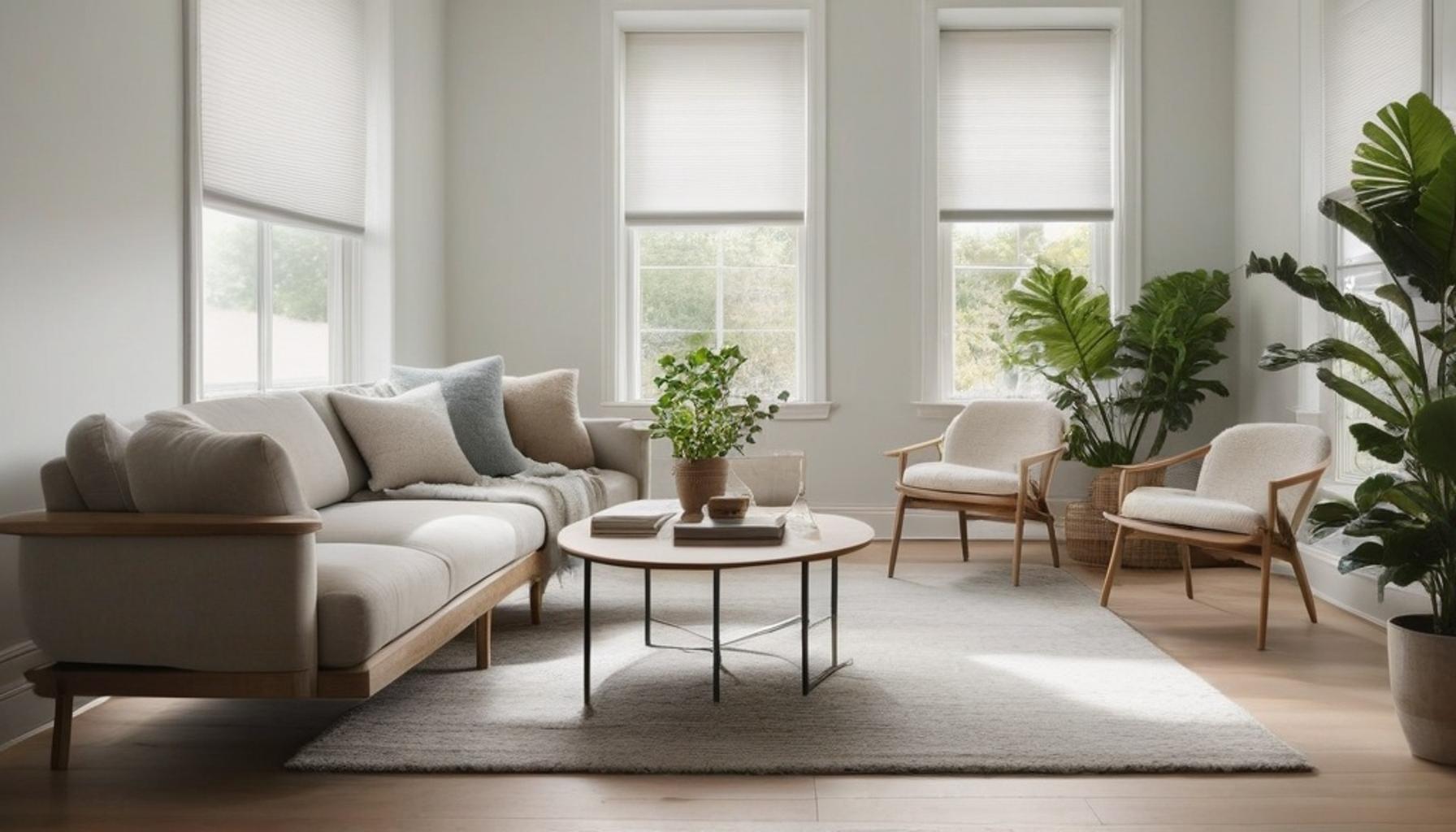
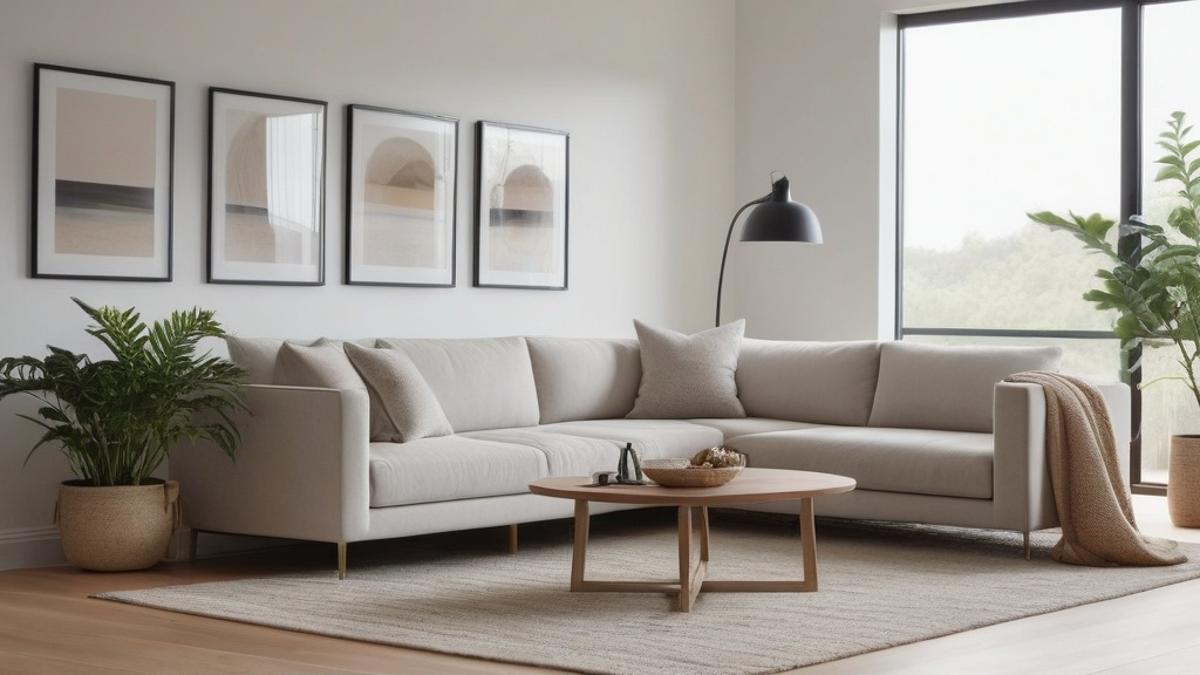
Nesting tables, modular sofas, and ottomans with hidden compartments allow this single room to shift effortlessly between purposes. Some families in Austin have even swapped traditional coffee tables for lift-top versions that convert into makeshift desks during remote work hours.
Kitchens That Do More With Less
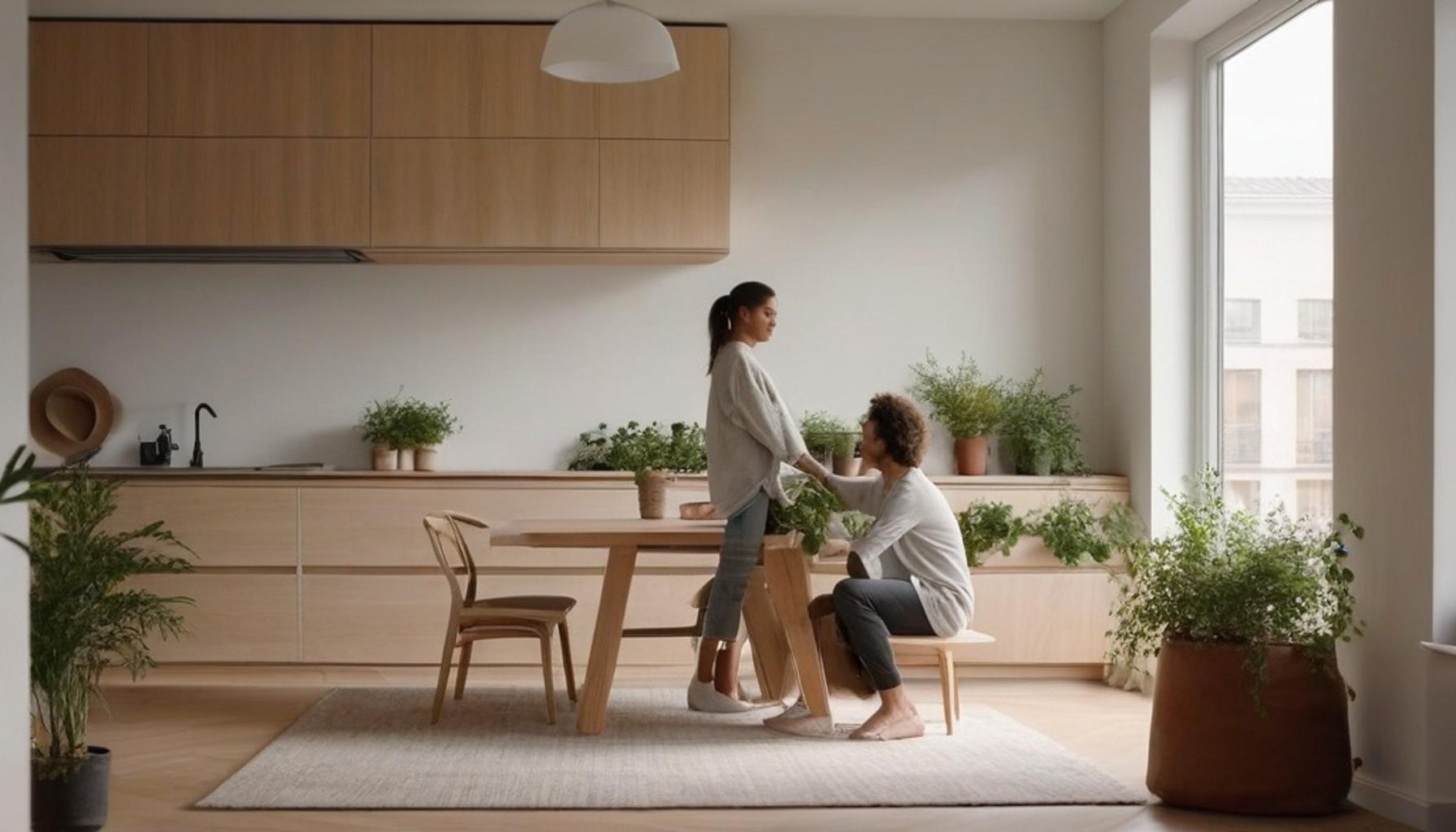
Kitchens present a unique opportunity for multifunctional spaces because they already combine cooking, storage, and social interaction. Rolling islands with butcher-block tops can serve as prep stations, dining surfaces, or even temporary home office nooks.
Homeowners in smaller apartments have started installing pegboards and magnetic strips instead of bulky cabinets, freeing up counter space while keeping tools accessible. This approach reduces clutter without sacrificing efficiency.
Bedrooms Built for Dual Purposes
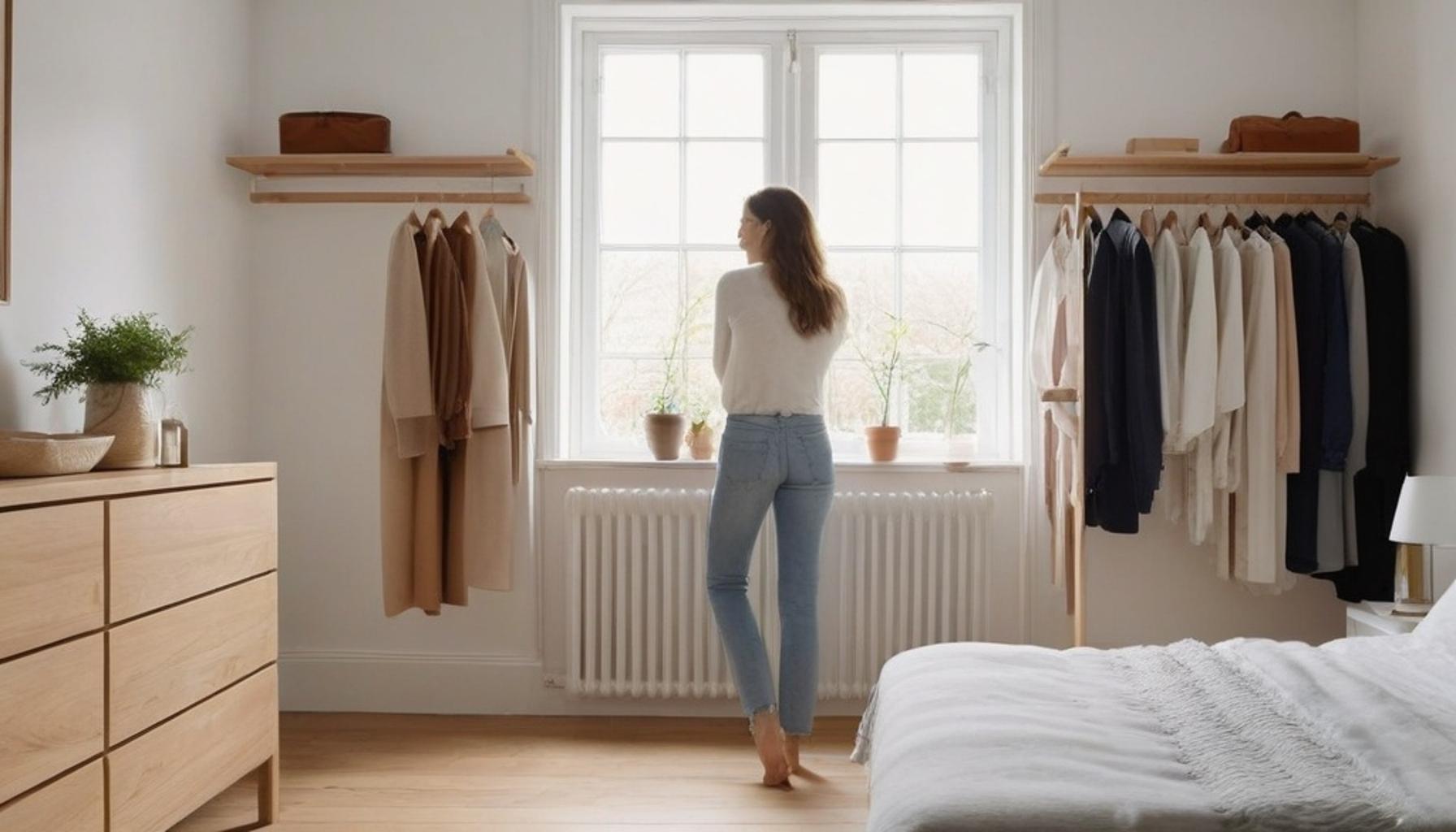
Bedrooms no longer need to be reserved exclusively for sleep. Platform beds with built-in drawers, floating nightstands, and foldable reading nooks help transform small spaces into rooms that support rest and productivity alike.
In cities like New York and San Francisco, where square footage comes at a premium, designers report growing demand for beds that convert into seating areas during the day, effectively doubling a room’s daily function.
Unexpected Areas Worth Reconsidering
Some of the most overlooked spaces offer surprising returns when redesigned intentionally.
- Hallways: Slim shelving units can turn walkways into mini libraries or shoe storage areas.
- Closets: Fold-out desks inside closets create hidden offices that close away completely after hours.
- Stair landings: Built-in seating with storage underneath adds function to otherwise wasted square footage.
These small interventions demonstrate how easily homeowners can maximize home utility without undertaking major renovations. Data from remodeling firms suggests that targeted, functional upgrades often deliver a better return on investment than purely cosmetic changes, particularly in markets where space is limited and buyer expectations are shifting toward efficiency.
Rethinking What a Home Can Be
The shift toward multifunctional spaces is not a passing trend driven by small apartments or tight budgets. It reflects a deeper change in how people relate to their homes, favoring flexibility over formality and purpose over pretense.
Across the country, from compact Brooklyn studios to sprawling suburban houses in Texas, homeowners are discovering that square footage matters less than intention. A well-planned 900-square-foot home can outperform a poorly organized 2,500-square-foot one simply because every area has been designed to work harder.
Minimalism as a Long-Term Strategy
Embracing minimalism home design is not about owning less for its own sake. It is about making deliberate choices that allow furniture, layouts, and storage to serve multiple roles without creating visual or mental clutter.
This mindset pays off beyond daily convenience. Real estate professionals increasingly note that homes designed with adaptable, functional layouts tend to attract more interest, especially among younger buyers who prioritize efficiency over excess square footage.
Practical Takeaways for Any Household
Whether starting with a single room or reimagining an entire floor plan, a few core principles apply universally:
- Prioritize furniture that serves at least two purposes.
- Treat overlooked areas, like landings and closets, as design opportunities.
- Choose upgrades that improve daily function over purely decorative changes.
These minimalist living tips offer a practical roadmap for anyone looking to transform small spaces into rooms that genuinely support how people live today.
Ultimately, learning to maximize home utility is less about square footage and more about mindset. As lifestyles continue to evolve, homes that adapt alongside their occupants, through thoughtful functional home decor choices, will likely define the next era of American living.
Frequently Asked Questions
What are some practical tips for creating multifunctional spaces in a small apartment?
To create multifunctional spaces in a small apartment, consider using foldable furniture like wall beds or drop-leaf tables that can be easily stored away. Additionally, utilize vertical space with shelves and wall-mounted storage to keep the floor area open. Incorporating multi-use items, such as an ottoman that doubles as storage, can also maximize functionality without sacrificing style.
How can minimalism enhance the functionality of a home office space?
Minimalism can enhance the functionality of a home office by eliminating clutter and focusing on essential items only. Choose a simple desk that meets your needs and use cable organizers to keep electronics tidy. Natural light and a few personal touches can create a conducive environment for productivity while keeping the space visually appealing.
What role does color play in designing multifunctional spaces?
Color plays a significant role in multifunctional spaces by influencing mood and the perception of space. Light, neutral colors can make a room feel larger and more open, while darker tones may create intimacy but can close in a room. By using a cohesive color palette, you can visually connect different areas of a multifunctional space and ensure a harmonious flow throughout your home.
Can multifunctional furniture really make a difference in a family living room?
Yes, multifunctional furniture can greatly enhance the usability of a family living room by providing flexibility and organization. Pieces like a storage coffee table or a sofa bed can provide comfort while accommodating various activities, from family gatherings to overnight guests. This versatility allows the living room to adapt to different needs, making it a more enjoyable space for everyone.

Beatriz
Beatriz Johnson is a seasoned minimalist and writer with a passion for simplifying the complexities of personal organization and intentional living. With over a decade of experience in decluttering strategies and mindful consumption, she specializes in topics like space optimization, habit simplification, and sustainable lifestyle choices. Through her work on our website, Beatriz empowers readers to embrace minimalism, reduce mental and physical clutter, and create more meaningful, organized lives in today's fast-paced world.