Transforming Cluttered Areas: Innovative Techniques for a Minimalist Home
Reclaiming Your Space: Where to Begin
Every closet stuffed with forgotten sweaters and every kitchen counter buried under mail tells the same story: clutter creeps in silently, then takes over. According to the American Cleaning Institute, 54% of Americans feel overwhelmed by clutter but don’t know where to start. This statistic highlights a growing struggle as more people grapple with maintaining a sense of order in their homes amidst busy lifestyles and an ever-increasing number of belongings.
The good news? Minimalist home techniques have evolved far beyond simply “buying fewer things.” Today’s approach blends smart design, psychology, and practical systems that actually stick. This modern perspective embraces the principle that a clutter-free environment leads to a clearer mind, which can boost overall productivity and well-being.
Why This Matters Now
Homes across the United States are shrinking in square footage while possessions keep multiplying. This mismatch fuels stress, wasted time, and even financial loss from duplicate purchases. Not only does clutter impede movement in the home, but it can also diminish the enjoyment of the spaces we inhabit. Consider a well-organized living room that invites relaxation versus a chaotic one where the presence of excess belongings creates unease.
Transforming cluttered areas isn’t just about aesthetics—it’s about reclaiming mental clarity and physical function. Consider what’s possible when you apply the right strategy:
- Decluttering tips that target decision fatigue, not just piles of stuff, such as the “30-day minimalism game” that challenges you to declutter one item on day one, two items on day two, and so forth.
- Innovative storage solutions using vertical space and multi-purpose furniture, like ottomans with storage inside or wall-mounted shelving that creates homes for books and trinkets.
- Space-saving techniques designed for apartments, tiny homes, and full-size residences alike, such as utilizing under-bed storage to maximize space efficiency.
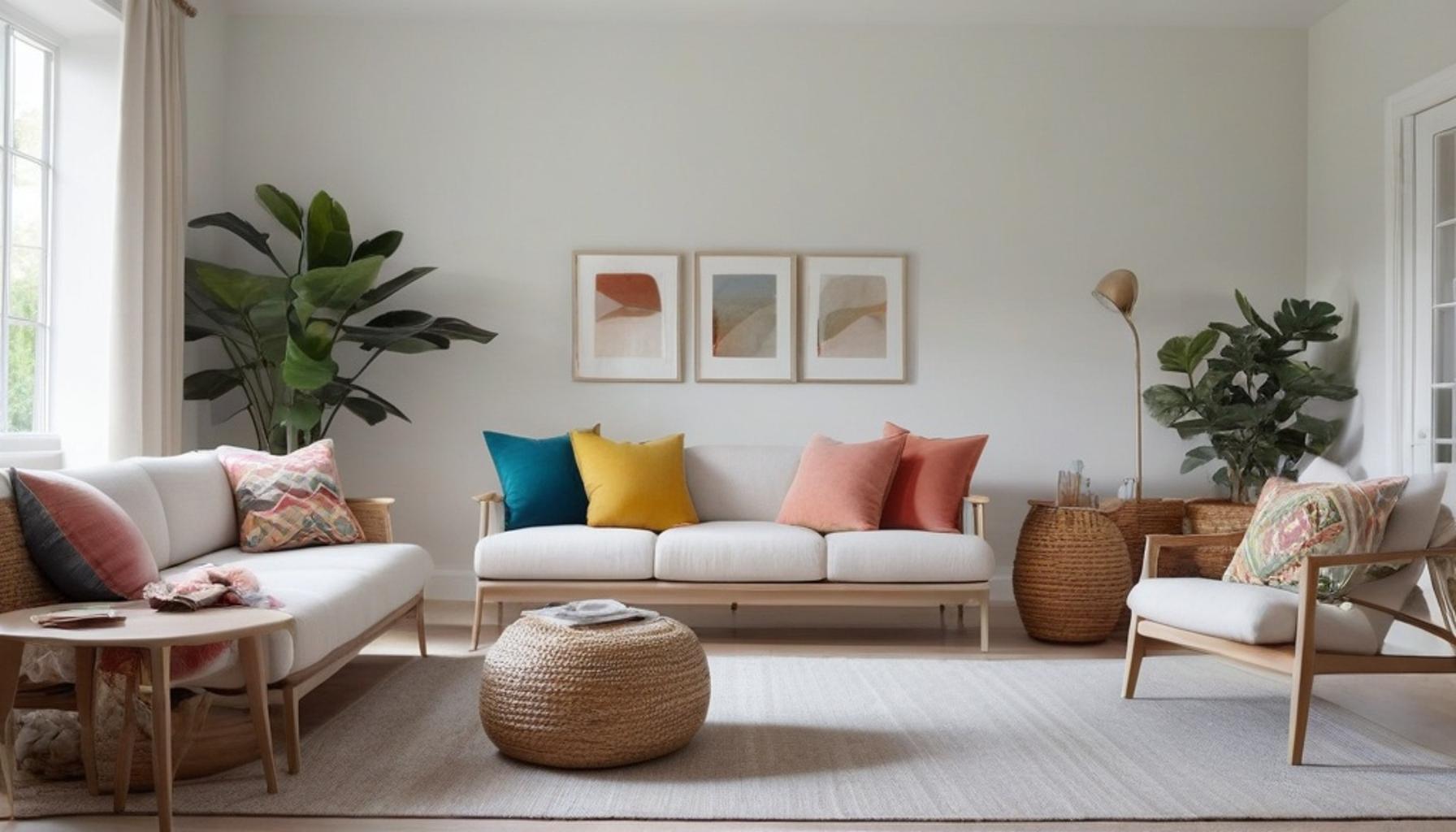
- Minimalist decor ideas that create calm without feeling sterile or empty, including the use of warm colors and art that resonates emotionally to maintain personal touches.
This article breaks down the proven methods homeowners are using to turn chaotic rooms into functional, breathable spaces. From the one-touch rule, which states that each item should either be put away immediately or discarded, to hidden storage hacks borrowed from professional organizers, you’ll find strategies that fit real budgets and real lifestyles.
Ready to see how small changes can create dramatically different results? Implementing these techniques makes minimalism sustainable, not just a passing trend, offering practical solutions that resonate with a society striving for simplicity amidst the complexities of modern living.
SEE ALSO: How to Optimize Small Living Spaces with Minimalist Design Principles
Before diving headfirst into the task of decluttering, it’s essential to acknowledge an undeniable truth articulated by professional organizers: you can’t declutter what you haven’t assessed. Engaging in a thorough room-by-room audit lays the groundwork for any successful minimalist home transformation. By neglecting this crucial step, many organizing projects tend to stall, leaving homeowners frustrated and overwhelmed.
The initial phase of your audit should involve a comprehensive observation of your home. Equip yourself with a notebook or utilize your phone’s voice memo application to record your findings. As you move through each room, refrain from touching or rearranging anything at this point. Instead, take a mental note—or a physical note—of which surfaces seem to perpetually collect clutter, which closets you dread opening, and especially those rooms that elicit a sense of tension or discontent the moment you walk through the door. This observation will not only provide insight into problem areas but will also help you regain control over your space.
The Hotspot Method
To streamline the decluttering process, certified professional organizers often employ a strategy known as the “hotspot method.” This targeted approach allows you to pinpoint problematic areas before developing a more comprehensive organizing plan. By focusing on specific hotspots, you can save time and reduce the overwhelming feeling that arises from attempting to declutter your entire house simultaneously.
Common clutter hotspots that Americans encounter include:
- The kitchen counter near the entryway, where mail, keys, and school-related papers seem to multiply within hours
- The primary bedroom closet, often a catch-all for clothes in various sizes and styles, many of which may not have been worn in seasons
- The garage, frequently cited as the most cluttered space in 65% of homes according to the National Association of Productivity and Organizing Professionals
- Bathroom cabinets filled to the brim with expired products and duplicate toiletries, sometimes leading to wasted money and resources
After identifying these hotspots, tackle them one at a time, prioritizing them based on their daily impact rather than their size. For instance, a cluttered entryway affects your mood each time you step inside your home and creates an immediate sense of chaos, making it more beneficial to address this area first. In contrast, a seldom-used guest room, while potentially cluttered, may not warrant immediate attention when it doesn’t affect your everyday experience.
Setting Realistic Zones
Another effective decluttering tip emphasizes the importance of working in small, defined zones rather than overwhelming yourself with the prospect of decluttering an entire room. For example, instead of setting out to “clean the kitchen,” narrow your focus to tasks like “clear the junk drawer” or “sort the pantry shelf by the door.” This zone-based strategy aligns seamlessly with the broader principles of minimalist home techniques, which advocate for incremental progress rather than dramatic overhauls that can lead to burnout.
By breaking down spaces into manageable micro-zones, you’ll find it easier to apply targeted space-saving techniques after gaining clarity on how each area is utilized—and misused. The aim during this phase is not to achieve perfection; rather, it’s about establishing clarity and understanding the origins of clutter and why it gathers in specific areas. With this foundational knowledge, each subsequent step toward transforming cluttered areas into organized, functional spaces becomes much more strategic and significantly less daunting.
Ultimately, this methodical approach not only simplifies the process of decluttering but also empowers you to cultivate a home environment that is both minimalist and meaningful.
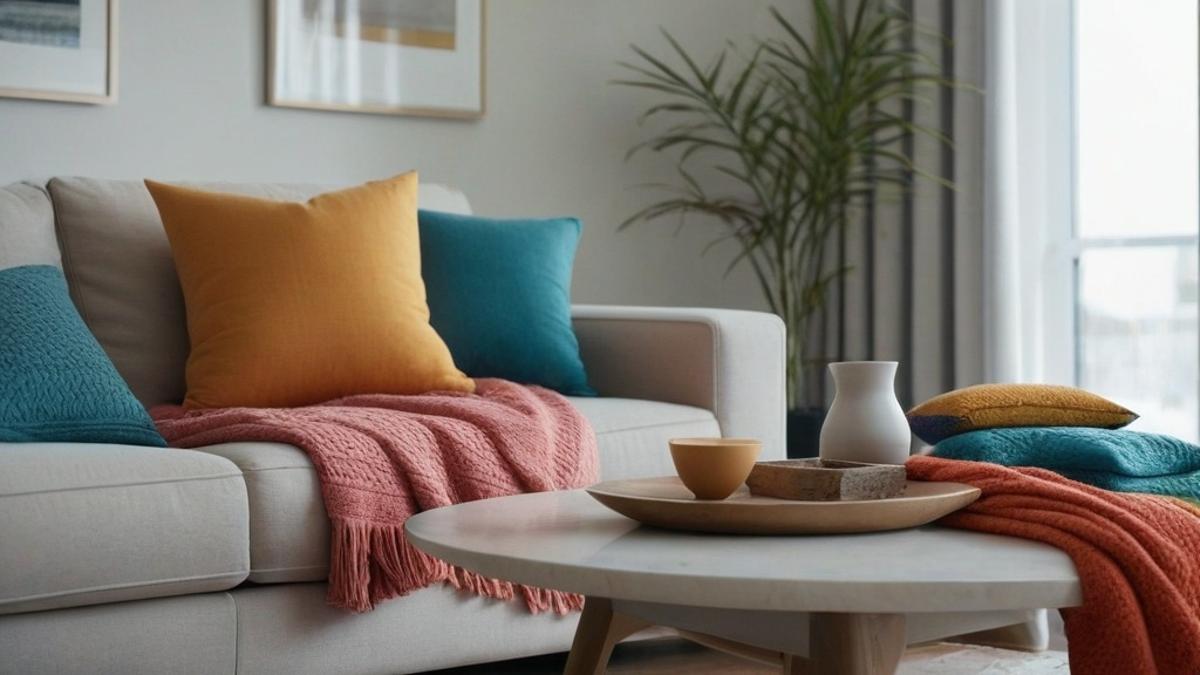
DISCOVER MORE: Click here to learn how to maximize your space
Innovative Storage Solutions That Work With Your Space, Not Against It
Once you’ve mapped your hotspots, the next logical step in any minimalist home transformation is rethinking storage itself. Too many households default to buying more bins, more shelving, more “organizing products” without first asking whether the storage system matches how the space is actually used. According to a 2023 survey by the Self Storage Association, the average American household owns roughly 300,000 items, yet most homes are designed with only a fraction of the storage capacity needed to house them efficiently. This mismatch is precisely why generic solutions often fail.
Innovative storage solutions succeed when they’re tailored to specific behaviors rather than aesthetics alone. Consider vertical space, which remains one of the most underutilized resources in American homes. Wall-mounted pegboards in garages, over-the-door shoe organizers repurposed for cleaning supplies, and stackable drawer units inside cabinets can dramatically increase usable storage without expanding a home’s footprint. These clever adaptations provide practical answers to common storage dilemmas, allowing homeowners to maximize their available space.
Furniture That Multitasks
Multi-functional furniture has become a cornerstone of modern minimalist decor ideas, particularly in smaller homes and apartments common in cities like New York, Chicago, and San Francisco. This approach transcends mere aesthetics, prioritizing functionality alongside style. Notable examples include ottomans with hidden storage compartments, beds with built-in drawers, and expandable dining tables that cater to both small family dinners and larger gatherings.
Some practical examples include:
- Storage benches placed in entryways to corral shoes, bags, and outdoor gear—helping to maintain a tidy first impression while providing a convenient seating option.
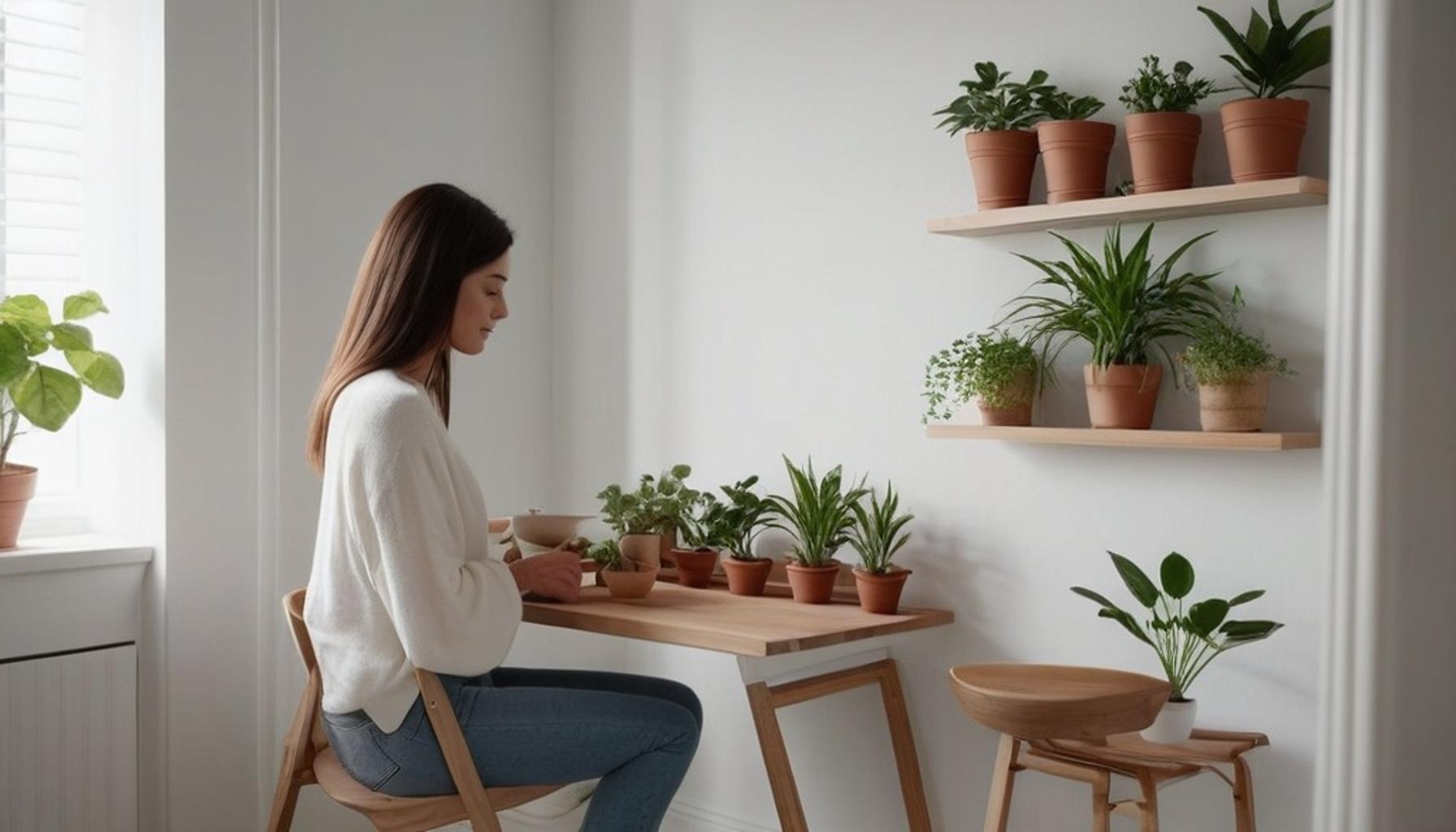
- Floating shelves installed above desks or counters to free up floor space. This not only allows for additional decor but also provides a smart place for books and small plants.
- Modular shelving units that can be reconfigured as household needs change, allowing families to adapt their living spaces as they grow.
- Under-bed storage containers designed specifically for seasonal clothing rotation, ensuring that winter coats or summer shorts are easily accessible without cluttering prime living areas.
These space-saving techniques aren’t just about tidiness—they directly influence how functional a room feels on a daily basis. A 2022 study from the National Association of Home Builders found that homeowners who incorporated multi-purpose furniture reported a 40% increase in perceived usable space, even when square footage remained unchanged. This highlights the emotional and practical benefits of an intentionally curated living environment.
The “One In, One Out” Rule
Professional organizers frequently recommend the “one in, one out” principle as a sustainable decluttering tip that prevents future accumulation. For every new item brought into the home—whether it’s a kitchen gadget, a piece of clothing, or a child’s toy—an existing item should be donated, sold, or discarded. This rule fosters a culture of mindfulness towards consumption and helps individuals rethink their purchasing habits.
This principle works particularly well in categories prone to overaccumulation, such as clothing and children’s toys, where American households report owning significantly more items than they use regularly. For instance, a wardrobe audit can reveal just how many sweaters or shoes go unworn each season. Applying this principle consistently to these areas helps ensure that transforming cluttered areas isn’t a one-time event but an ongoing lifestyle shift rooted in mindful consumption.
In embracing innovative storage solutions that work with your space, you’re not just organizing belongings; you’re crafting a lifestyle that prioritizes simplicity, functionality, and intentionality. As you evaluate your storage strategies, consider how each adjustment can enhance your daily living experience, allowing your home to reflect your unique needs and aspirations.
Bringing It All Together: A Lasting Shift Toward Simplicity
Transforming cluttered areas isn’t about achieving a picture-perfect home overnight. It’s a gradual process built on understanding your space, identifying behavioral patterns, and implementing solutions that genuinely fit how you live. From mapping hotspots to embracing multi-functional furniture, each strategy discussed contributes to a larger goal: creating a home that supports rather than hinders daily life.
The data speaks for itself. With the average American household managing roughly 300,000 items, and studies showing a 40% boost in perceived usable space through smart furniture choices, it’s clear that minimalist home techniques offer measurable, tangible benefits. These aren’t just design trends—they’re practical responses to real challenges facing modern households across the country.
What separates successful transformations from short-lived ones is consistency. The “one in, one out” rule, thoughtful vertical storage, and furniture that serves double duty all work best when applied as ongoing habits rather than one-time fixes. Clutter has a way of creeping back in, especially in high-traffic areas like entryways, kitchens, and bedrooms.
Consider starting small. Choose one room or a single hotspot identified earlier, and apply just one or two of these innovative storage solutions. Track how it feels after a few weeks—chances are, the sense of order will motivate further changes.
Ultimately, decluttering tips and space-saving techniques work hand in hand with a mindset shift. It’s less about owning fewer things and more about owning the right things, stored in ways that respect both your space and your daily routines.
As minimalist living continues to gain traction across American cities and suburbs alike, homeowners willing to experiment with these minimalist decor ideas will likely find that a decluttered home isn’t just easier to maintain—it’s easier to live in, breathe in, and enjoy every single day.

Linda Carter
Linda Carter is a writer specializing in minimalism and personal organization. With extensive experience helping readers create more functional and balanced routines, she shares practical advice on decluttering, organizing spaces, simplifying daily tasks, and making more intentional choices. Her goal is to offer clear guidance and accessible strategies that help people reduce excess, improve their surroundings, and enjoy a calmer, more organized lifestyle.