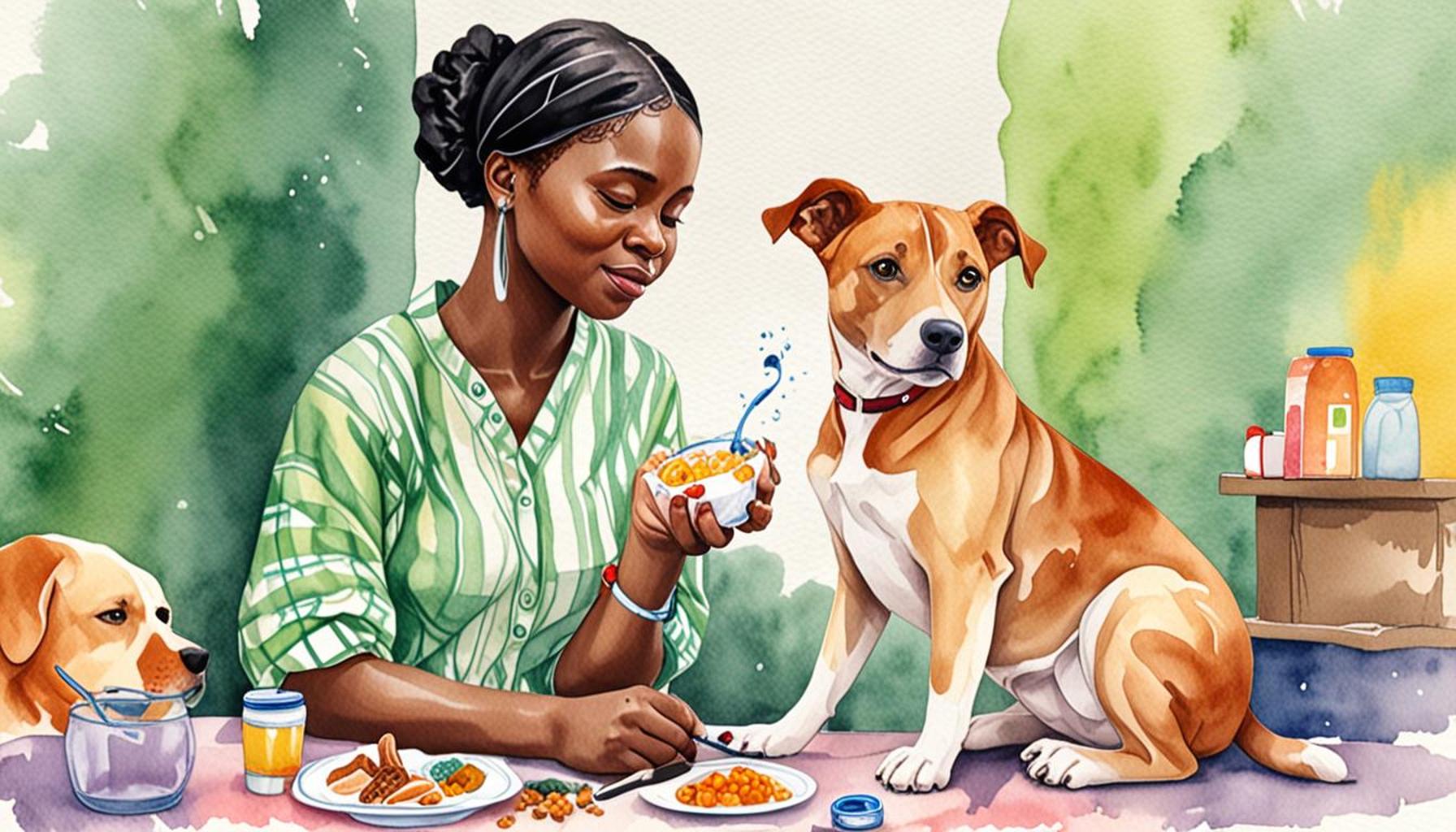
Community Initiatives Promoting Pet Adoption in Urban Areas of Nigeria

Understanding the Landscape of Pet Adoption in Nigeria
The surge in pet ownership in urban Nigeria highlights a growing awareness of animal welfare. However, many animals, particularly dogs and cats, still find themselves abandoned or homeless. This situation has sparked a wave of community initiatives aimed at promoting pet adoption in major cities. The alarming number of stray animals roaming the streets demonstrates an urgent need for effective solutions to address the challenges in animal welfare.
Across Nigeria’s bustling urban areas, various organizations are stepping up to bridge the gap between abandoned pets and potential adopters. These initiatives focus on raising awareness and encouraging responsible pet ownership. Some notable features include:
- Community awareness campaigns: These campaigns often utilize local media, flyers, and community events to educate the public about the importance of adopting pets instead of buying from breeders or pet shops.
- Workshops on responsible pet care: Workshops aim to equip pet owners with the knowledge needed to care for their animals properly, covering nutrition, healthcare, and training techniques that ensure a healthy and happy life for their pets.
- Partnerships with local businesses for adoption events: Collaborations with pet-related businesses can create opportunities for adoption fairs, providing a platform for shelters and rescue groups to showcase their animals while offering incentives for adoption, such as discounted supplies.
Through grassroots efforts, passionate individuals and NGOs are mobilizing communities to embrace pet adoption. These programs not only aim to reduce the number of stray animals but also foster a culture of empathy towards animals. Urban centers like Lagos, Abuja, and Port Harcourt are witnessing transformations fueled by:
- Rescue operations for strays: Dedicated volunteers conduct rescue missions to save injured or abandoned animals, rehabilitating them before finding them forever homes.
- School programs teaching compassion for animals: By integrating animal welfare into school curriculums, children learn about kindness and responsibility towards pets, nurturing the next generation of compassionate pet owners.
- Social media campaigns showcasing adoptable pets: Platforms like Instagram and Facebook are utilized by organizations to share heartwarming stories and visuals of pets in need, sparking interest and encouraging adoption.
As these community-driven initiatives gain traction, the hope is to create a sustainable model for animal welfare in Nigeria. With the backing of local communities and dedicated advocates, the response to the pet crisis is a testament to the power of collective action and public engagement. By highlighting the plight of abandoned animals and promoting adoption, these initiatives can reshape societal attitudes towards pets and foster a harmonious coexistence between humans and animals.
In conclusion, the ongoing efforts in Nigeria paint a hopeful picture for abandoned animals. By continuing to spread awareness and encourage responsible pet ownership, the dream of a future with fewer homeless pets can become a reality. Each adopted pet is a success story waiting to unfold, reminding us that compassion and community involvement are key to improving the lives of animals in need.
Grassroots Movements and Local Heroes in Pet Adoption
As urban centers across Nigeria grapple with the challenges posed by rising stray animal populations, local communities have taken it upon themselves to drive the push for pet adoption. Through creativity, collaboration, and sheer determination, grassroot movements have emerged, mobilizing citizens to take action and change the narrative around animal welfare. These initiatives often leverage individual stories and shared experiences, making them relatable and impactful. People resonate with personal tales of rescue animals that have enriched lives, fostering a deeper connection to the need for responsible pet ownership.
In cities like Lagos, Abuja, and Port Harcourt, organizations are innovating ways to engage the community. Key strategies deployed in these initiatives include:
- Outreach Programs: Many local NGOs and volunteers organize community outreach programs in neighborhoods, schools, and markets. These programs aim to engage with the public, offering information about the benefits of adopting pets and the joy they can bring to families. By creating a direct and personal connection with the community, advocates inspire potential adopters to consider bringing a furry friend into their lives.
- Foster Care Networks: Recognizing that overcrowded shelters struggle to meet the needs of pets waiting for adoption, some organizations have developed foster care programs, where volunteers provide temporary homes for animals. This initiative not only gives the animals a safe and nurturing environment but also allows potential adopters to interact with pets on a personal level, increasing the chances of successful adoption.
- Mobile Adoption Units: Some community initiatives have taken the creative step of introducing mobile adoption units. These mobile shelters travel to various neighborhoods, making it convenient for individuals to meet adoptable pets. This approach not only raises awareness but also brings the adoption process closer to people who may not have been able to visit traditional shelters.
Relying heavily on collaboration, these community-driven initiatives often partner with local businesses and institutions. Veterinary clinics may provide discounted health checks for adopted pets, while pet supply stores contribute by offering starter kits for new pet owners. Such partnerships transform typical adoption events into festive gatherings that celebrate the joy of pet ownership, making adoption a communal affair.
Moreover, these grassroots movements actively engage with social media platforms, amplifying their efforts beyond physical boundaries. Through captivating visuals and uplifting stories, campaigns reach a broader audience, encouraging not just adoption but community discussions about the importance of spaying and neutering to control the pet population effectively. Hashtags like #AdoptDontShop have gained momentum, contributing to a cultural shift in how people perceive and approach pet adoption.
By fostering compassion and a sense of responsibility towards animals, these community initiatives spark an interest in pet adoption while shaping the future of animal welfare in urban Nigeria. They harness the power of local voices advocating for change, encouraging every citizen to play a part in creating a more humane society for both humans and animals alike.
Exploring Community Initiatives for Pet Adoption
As urban areas in Nigeria grow, the need for innovative and community-driven solutions to promote pet adoption becomes increasingly vital. Various organizations and grassroots movements are spearheading efforts to connect homeless pets with families, in what has become a heartwarming trend. Here, we delve into some of the successes and initiatives that have emerged, showcasing their impact on local communities and the pets they aim to save.
| Initiative | Description |
|---|---|
| Adoption Drives | Community events that bring together potential adopters and rescue animals, making the adoption process more accessible and engaging. |
| Partnerships with Local Businesses | Collaborative efforts with pet stores, vets, and cafes to provide resources and support for ongoing adoption programs. |
These initiatives not only increase visibility for local shelter animals but also foster a sense of community and responsibility among residents. By adopting a pet, families not only gain a companion but also play a crucial role in improving the lives of vulnerable animals in urban settings. Furthermore, education campaigns are key components of these initiatives, shedding light on the importance of responsible pet ownership and the benefits of adopting over purchasing animals.
As more people become aware of these community efforts, there’s hope for a future where every pet finds a loving home, transforming urban landscapes across Nigeria into havens for both humans and their four-legged friends.
Innovative Campaigns and Success Stories in Pet Adoption
Building on the momentum of grassroots movements, various community initiatives in urban Nigeria have launched innovative campaigns that highlight the importance of pet adoption while showcasing successful adoption stories. With the aim to inspire and inform, these initiatives underline the transformative impact pets can have on individuals and families, contributing to a shift in public perception regarding stray animals.
One of the notable methods employed by these campaigns is the use of storytelling through various media platforms, particularly social media. Engaging content featuring heartwarming success stories of pets finding their forever homes helps to normalize adoption as a viable option. Campaigns like “Adopt a Local Hero” feature stories of rescue pets who have become integral members of their adoptive families. These stories resonate deeply within communities, illustrating how adopting an animal can result in a mutually beneficial relationship and a sense of companionship that enriches lives.
In collaboration with local artists, some initiatives have even organized community art projects that focus on spreading advocacy for pet adoption. Murals depicting rescued animals and the joy they bring to families not only beautify neighborhoods but also serve as eye-catching reminders of the need for responsible pet ownership and adoption. This creativity in advocacy reaches people who might not actively engage with pet welfare issues, ensuring a wider impact across diverse segments of urban populations.
Additionally, many urban areas are witnessing the advent of adoption fairs that turn into major social events, merging the fun of community gatherings with a serious purpose. These events often feature local food vendors, entertainment, and educational workshops, creating a vibrant atmosphere for families. Organizations set up booths to provide information on various pets available for adoption, fostering a sense of excitement and urgency in prospective adopters. Statistics show that such events significantly increase adoption rates; for example, during a recent adoption fair in Lagos, over 75% of featured pets found homes within a day.
Moreover, the role of schools cannot be understated in promoting pet adoption. Educational partnerships have emerged where schools invite local shelters to conduct workshops on animal care and responsibility. This early exposure not only informs children but also involves entire families, as students often encourage their parents to consider adopting a pet. The ripple effect of this educational approach fosters a culture of compassion towards animals from a young age, potentially increasing long-term responsible pet ownership in the community.
In urban centers like Abuja, volunteer-driven initiatives encourage community members to take part in hands-on activities, like organizing local spay and neuter clinics. These clinics not only help control the stray population but also educate pet owners about the importance of animal health care, significantly contributing to the well-being of animals in urban areas. By integrating health awareness into adoption campaigns, communities create a holistic approach to pet care that extends beyond mere adoption, establishing a framework for sustainable animal welfare.
As the landscape of pet adoption continues to evolve in Nigeria, these innovative campaigns and success stories show that community-driven efforts hold the key to transforming attitudes towards animal welfare. Each initiative, whether through artistic expression, educational programs, or engaging events, plays a vital role in promoting a cultural shift that emphasizes the importance of adopting over buying pets while ensuring a brighter future for stray animals in urban Nigeria.
Conclusion: A Brighter Future for Pets through Community Engagement
As we examine the rise of community initiatives promoting pet adoption in urban areas of Nigeria, it is evident that these grassroots efforts are reshaping the narrative around animal welfare and transforming lives. By focusing on innovative campaigns that leverage storytelling, artistic expression, and community events, these initiatives not only highlight the pressing need for pet adoption but also celebrate the joy of forming lasting bonds between humans and animals.
Moreover, initiatives centered around educational partnerships with schools are particularly noteworthy, as they plant the seeds of empathy and responsibility in the minds of young people. This generational approach encourages families to consider adopting pets over purchasing them, fostering a culture of compassion and commitment to animal care. Volunteer-driven efforts further contribute to the sustainability of these programs while addressing critical issues like overpopulation through clinics and community outreach.
Statistics indicate a palpable shift in public perception, as seen in the remarkable adoption rates during events like adoption fairs. With over 75% of featured pets finding homes, it is clear that well-organized community gatherings can serve as catalysts for significant change. As urban Nigeria continues to grapple with the challenges of stray populations and animal welfare, the collaborative spirit harnessed by these initiatives offers a beacon of hope.
In conclusion, the commitment and creativity of local communities in urban areas are crucial to building a future where pet adoption is not just a choice but a celebrated norm. For those interested in making a difference, the call to action is clear—get involved, spread awareness, and join the movement towards a compassionate society that values every living being. Together, we can ensure that every animal has a loving home and a chance at a fulfilling life.