The influence of Nigerian culture on the perception of pet adoption
Understanding Nigerian Perspectives on Pet Adoption
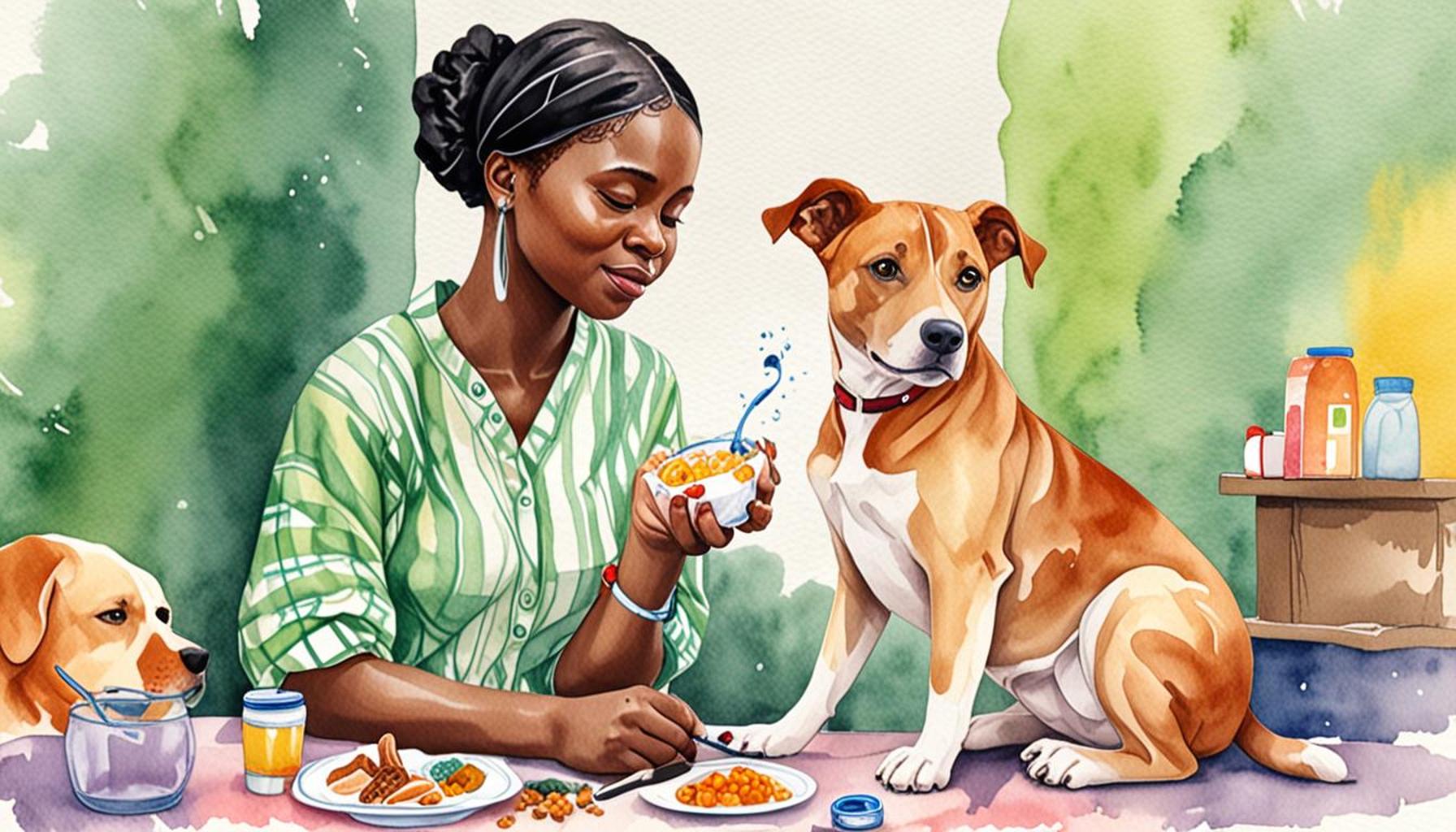
In Nigeria, the perception of pet adoption is deeply rooted in cultural beliefs and practices that shape the relationship between humans and animals. While animals have been historically viewed through diverse lenses, today’s evolving sentiments encourage the exploration of how these cultural dynamics influence attitudes toward pet ownership.
- Traditional Beliefs: Across various ethnic groups in Nigeria, animals hold significant spiritual and cultural meanings. For example, in some Yoruba communities, dogs may be seen as protectors and carriers of ancestral spirits, while in other regions, they may be regarded as emblems of wealth. Cats, often linked to superstition, can evoke varying feelings of admiration or fear depending on specific regional folklore. Such traditional beliefs contribute to the perception that pets are more than just companions; they occupy a special place in the cultural hierarchy.
- Religious Factors: The major religions practiced in Nigeria, particularly Christianity and Islam, also shape the ways in which society views animals. Many adherents prioritize utility, often considering working animals essential for farming or security, rather than companions. For instance, in predominantly Muslim communities, dogs may be seen as unclean, affecting their roles within families. This utilitarian mindset often leads to a lack of emphasis on the emotional bonds that can develop through pet ownership.
- Social Norms: Pet adoption is still a relatively new concept in many Nigerian households. Traditionally, animals such as dogs are primarily regarded as guards or guides, not as family members or friends. With limited exposure to the growing global trend of pet companionship, adopting pets remains an uncommon practice. Instead, many households prioritize animals for their functional contributions, often overlooking the joys that can come from nurturing and bonding with pets.
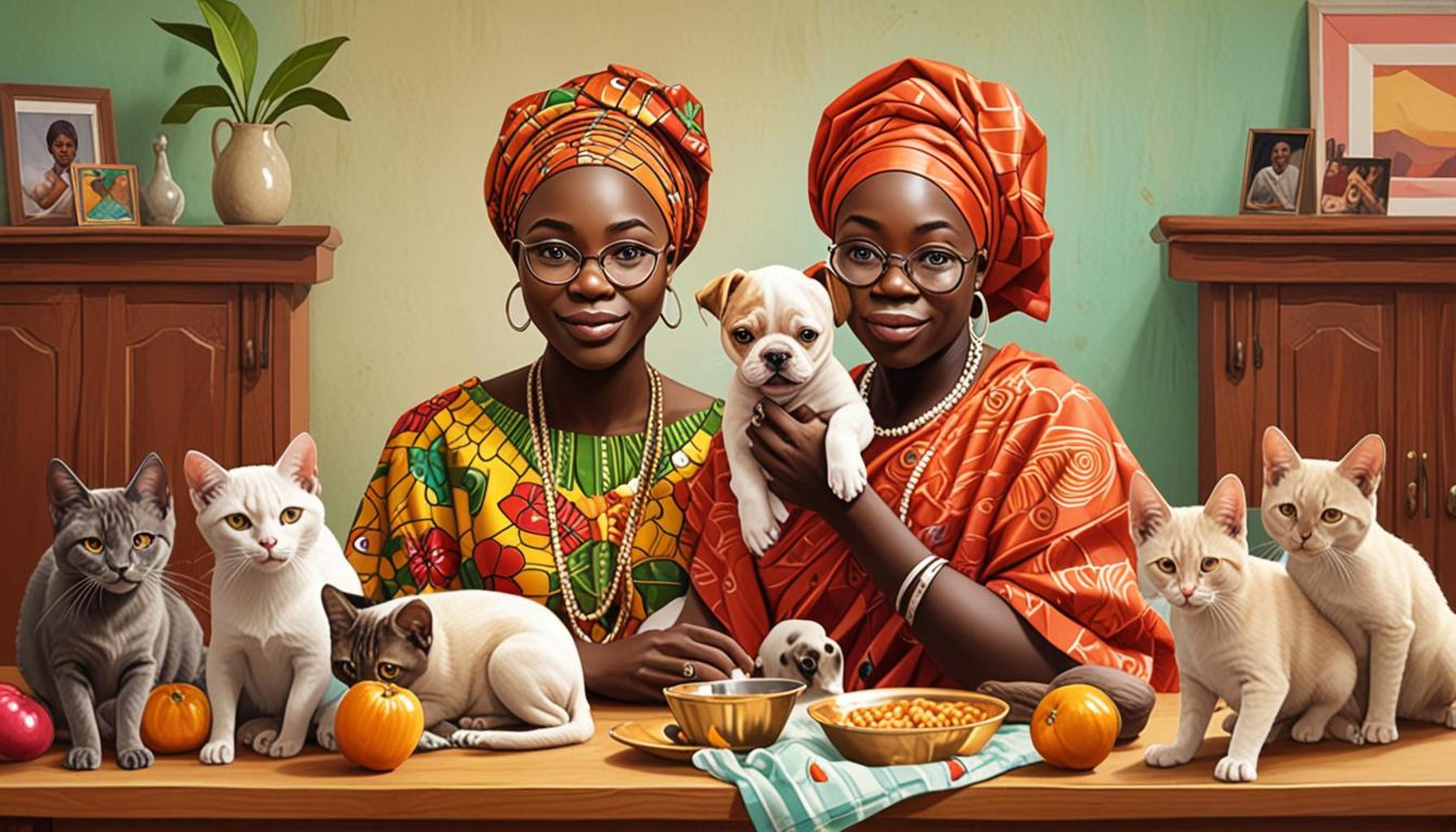
However, there is a notable shift occurring in Nigeria today. With the advent of social media and the internet, younger generations are broadening their perspectives on what it means to have a pet. This evolving culture can inspire a deeper understanding and appreciation for animals as companions. For example, platforms like Instagram and TikTok feature playful pet content that resonates with the youth, creating a burgeoning interest in pet ownership.
- Changing Attitudes: Exposure to international pet cultures through digital media has led to significant shifts in attitude towards animal companionship. Pitbulls, once stigmatized as aggressive dogs, are now being showcased as wholesome family pets, thanks to influential figures and relatable stories shared online. This growing acceptance is prompting many to reconsider the conventional views around pet ownership.
- Community Initiatives: Local organizations are actively working to enhance pet welfare and promote adoption. Groups like the Nigerian Society for the Prevention of Cruelty to Animals (NSPCA) are pivotal in driving awareness campaigns about responsible pet ownership and the importance of adopting rescue animals. These initiatives encourage compassionate actions toward animals that might otherwise be neglected or abandoned.
- Education and Awareness: Many advocates now emphasize the need for educational programs that reshape perceptions about pets. By encouraging responsible ownership and fostering compassion, these efforts can cultivate a deeper connection between Nigerians and animals. Workshops on the benefits of pet adoption, responsible veterinary care, and understanding pet behavior are crucial in paving the way for a shift toward more humane treatment of animals.
As Nigerian society continues to evolve, it becomes essential to examine these cultural dimensions surrounding pet adoption. Understanding these elements is vital not only for improving the lives of animals but also for enriching the human experience within Nigerian homes. By exploring these shifts, we can unlock a new perspective on the role of pets in contemporary Nigerian society, leading to greater harmony between humans and animals.
Cultural Perceptions and the Role of Animals in Nigerian Society
The perception of pet adoption in Nigeria is a tapestry woven from cultural narratives, historical practices, and societal norms that have evolved over time. In examining the influence of Nigerian culture on the perception of pet adoption, it is crucial to recognize the roles that animals play beyond mere companionship. They are often viewed through the lenses of tradition, belief, and economic practicality, dictating who can own a pet and what it symbolizes within various communities.
- Animals as Status Symbols: In many Nigerian communities, owning certain animals is synonymous with status and affluence. Wealthier families may keep breeds of dogs that are considered prestigious, such as the Rottweiler or the German Shepherd, which are not only seen as companions but also as representations of authority and power. This perspective can make pet adoption less appealing to those who may not have access to such breeds, thus reinforcing the idea that owning pets is a luxury reserved for the affluent.
- The Influence of Indigenous Knowledge: Traditional knowledge systems play a significant role in shaping perception. Beliefs surrounding specific animal species affect their treatment and acceptance within households. For instance, in some communities, goats might be deemed more valuable as livestock than as pets, which further complicates the potential for pet adoption. Such distinctions indicate a hierarchy of animals that overlooks the potential for emotional relationships and companionship.
- Social Conditioning: Growing up in a society where animals are primarily seen as functional beings deeply impacts individuals’ views on pet adoption. Many consider pets primarily for their roles, such as guarding property or assisting in farming, rather than as part of the family unit. This conditioning can lead to resistance to the idea of adopting pets for companionship, as people may feel uncomfortable with the notion of forming emotional bonds with animals that are traditionally viewed as “working” beings.
Despite these prevailing attitudes, Nigeria is seeing a gradual shift fueled by globalization and social change. A burgeoning online community is reshaping traditional perceptions, making way for a more nuanced understanding of pet adoption. Through engaging platforms, young Nigerians are learning that animals can offer companionship, emotional support, and joy in ways that transcend cultural norms.
- Social Media Influence: The rise of social media has played a pivotal role in altering perceptions around pet ownership. Online platforms allow users to share experiences of pet ownership, showcasing happy moments and heartfelt interactions. This visibility fosters relatability, especially among younger generations who may feel estranged from the traditional views of their elders regarding pets. Influencers are now actively promoting the joys of adopting pets, dispelling myths, and encouraging advocacy for adoption.
- Increased Visibility of Adoption Stories: The stories of adopted pets finding loving homes resonate deeply with those who encounter them online. These narratives often highlight the bond between humans and rescued animals, changing the narrative from merely functional relationships to ones characterized by love and companionship. Through heartfelt stories and testimonials, the conversations surrounding pet adoption in Nigeria are becoming more prevalent and accepted.
As Nigeria continues to develop and progress, it becomes imperative to acknowledge these cultural influences on pet adoption. The coexistence of tradition and modernity creates fertile ground for new perceptions about animal companionship, potentially enhancing the human-animal bond and fostering a more inclusive environment for pet adoption.
The Influence of Nigerian Culture on the Perception of Pet Adoption
Nigerian culture, with its rich tapestry of traditions and beliefs, plays a pivotal role in shaping attitudes towards pet adoption. While pet ownership has become increasingly popular in urban areas, traditional views often see pets as working animals or symbols of social status rather than companions. This perception is slowly evolving, influenced by various factors such as globalization, urbanization, and exposure to Western ideals of animal companionship.
Historically, many Nigerian communities valued animals for their utility, such as herding, protection, or hunting. However, as cities grow and lifestyles change, the concept of pets as family members is gaining traction, particularly among younger generations and urban dwellers. This shift is largely due to the influx of social media and the internet, where stories of rescued pets and the benefits of adoption are shared widely, gaining community support.
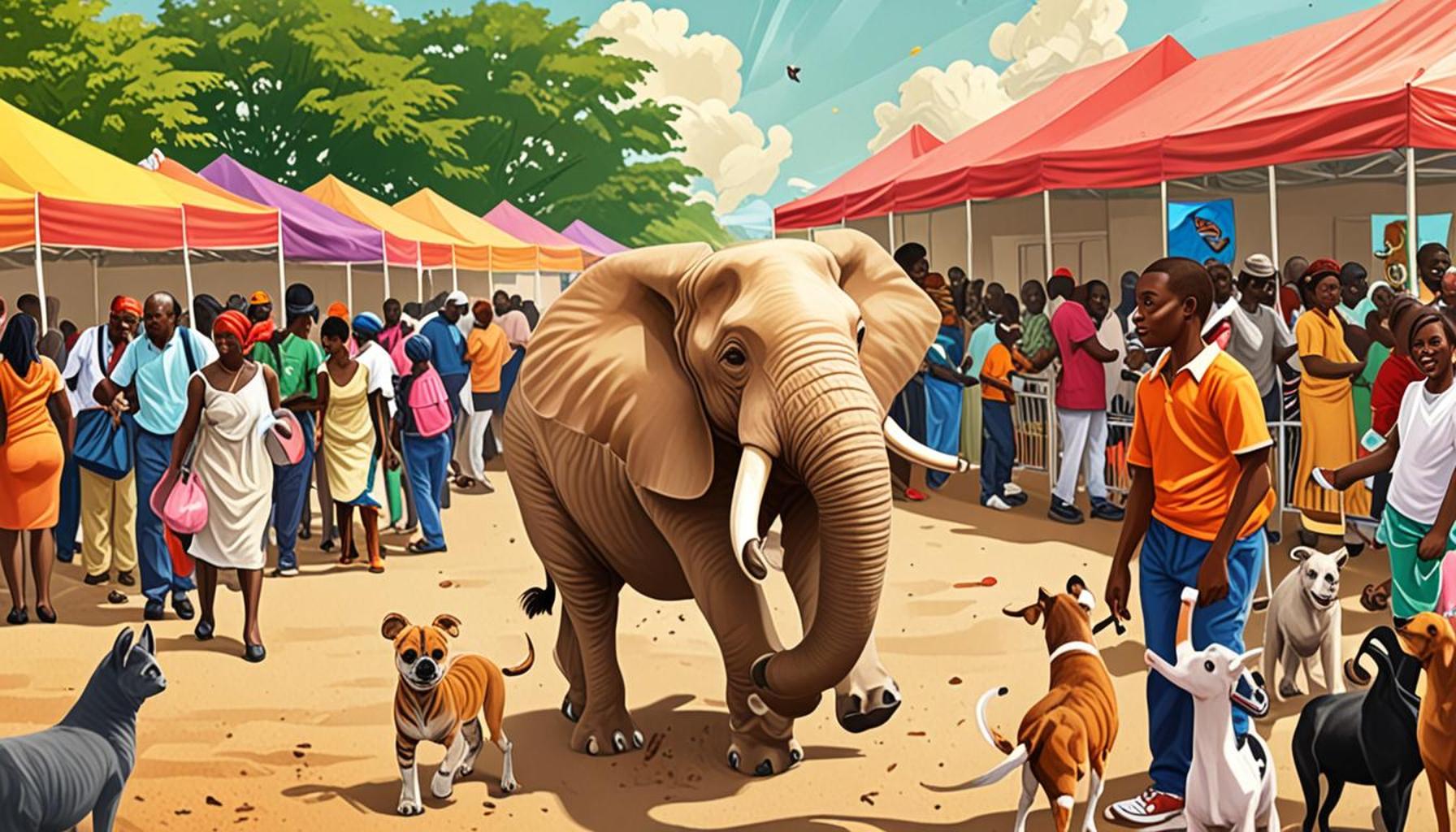
Moreover, the role of communal gatherings and festivals cannot be overlooked. Celebration events often feature animals, bringing communities together in appreciation of their beauty and health, which further influences positive perceptions of animal welfare. In line with this, local NGOs and animal advocates actively promote adoption campaigns that resonate with cultural values of care and empathy.
The diverse ethnic groups and languages in Nigeria add another layer to this dialogue, as perceptions can differ significantly between urban and rural areas. Nonetheless, an overarching trend shows that the narrative around pet adoption is gradually changing, suggesting a future where pets are viewed as integral members of the family.
| Category | Details |
|---|---|
| Cultural Beliefs | Pets seen as less important; viewed primarily as utility. |
| Changing Attitudes | Urbanization leads to pets as family members; prevalence of adoption campaigns. |
Through these evolving narratives, Nigeria is on the brink of a transformation in its relationship with pets, reflecting a broader global trend where animal welfare and companionship are gaining increasing significance.
Modern Trends and Emerging Attitudes Towards Pet Adoption
As Nigeria navigates the waters of modernization, the evolving perception of pet adoption reflects broader societal transformations. The growing acceptance of pets as companions rather than mere functionaries marks a significant shift in cultural attitudes. This evolution is driven by a combination of urbanization, exposure to new lifestyles, and an increasing understanding of animal welfare. Young Nigerians, in particular, are at the forefront of this shift, reshaping traditional views on animal companionship.
- The Rise of the Urban Pet Ownership Trend: Urbanization has given rise to a new class of pet owners who live in cities and lead lifestyles that embrace the concept of companionship. With the influx of global culture and values, urban dwellers are beginning to adopt pets regardless of their social status, creating a more inclusive environment for animal adoption. The emergence of pet-friendly policies in some metropolitan areas, such as Lagos and Abuja, highlights how urban settings can promote pet adoption, encouraging people from various backgrounds to consider pets as part of their families.
- Increasing Awareness of Animal Welfare: The awareness surrounding animal rights and welfare issues has been gaining traction in Nigeria, influenced by both local and international animal advocacy groups. Campaigns aimed at educating the public about the plight of stray animals and the benefits of adoption have started to resonate with the populace. These initiatives not only advocate for responsible pet ownership but also frame pet adoption as a compassionate act, prompting conversations around the ethical treatment of animals.
- The Role of Education: Educational institutions are increasingly integrating themes of compassion towards animals and responsible pet ownership into their curricula. Schools and universities have organized events promoting animal adoption, where students can engage with local shelters. Such initiatives foster empathy and nurture a culture that recognizes the value of animals as companions, potentially influencing future generations to embrace pet adoption as a norm rather than an exception.
The traditional values surrounding animals are also shifting in the face of these modern influences. For many contemporary Nigerians, the image of pets is evolving from that of utility to cherished family members. This paradigm shift carries implications not only for individual lives but for communities as a whole, where the prevalence of pet ownership might serve to enhance social cohesion and emotional well-being.
- The Influence of Local Organizations: Various local NGOs, shelters, and rescue organizations are working diligently to promote pet adoption across regions. They are organizing adoption drives that highlight the stories of rescued animals, making the cause more relatable. These initiatives not only showcase the joy that can come from adopting pets but also create spaces for community engagement, fostering a sense of collective responsibility towards animal welfare.
- The Impact of Pet Expos and Events: Additionally, the hosting of pet expos and related events in cities such as Lagos is helping to normalize pet ownership. These gatherings provide a platform for potential pet owners to interact with various breeds, learn about pet care, and meet local shelters that offer adoption services. It encourages dialogue around the idea of adopting pets for companionship, thereby enhancing public interest in the benefits of pet ownership.
As the influence of Nigerian culture on the perception of pet adoption continues to evolve, it is essential to recognize the factors contributing to this change. The dynamic interplay between tradition and contemporary influences is reshaping not just the notion of pet ownership but also the intrinsic bond shared between humans and animals. In this transitional phase, pet adoption in Nigeria holds the potential to become a vital aspect of modern society, encouraging empathy, companionship, and a deeper understanding of animal welfare.
Conclusion: Embracing Change in Pet Adoption Perception
The transformation of pet adoption perception in Nigeria reflects a significant cultural shift that intertwines tradition with modern values. As the nation embraces urbanization and global influences, the increasing acceptance of pets as family members signifies a move away from historical utilitarian views. The recognition of animal welfare and responsible pet ownership is becoming ingrained in the society, fostering an environment where adoption is seen as both a moral obligation and a rewarding experience.
Local organizations and educational initiatives have played a crucial role in this evolution by raising awareness about animal rights and highlighting the joys of adopting rather than purchasing. The positive narratives surrounding pet adoption challenge preconceived notions and invite broader participation, expanding the demographic that considers welcoming a pet into their lives.
The rise of urban pet ownership, along with pet-friendly policies in major cities, paves the way for a new animal-loving community. As young Nigerians champion these ideals, the future looks promising for pet adoption in Nigeria. The cultural dialogue around the emotional benefits of having pets is intensifying, hinting at a society that increasingly values compassion and companionship.
In essence, the ongoing changes in the perception of pet adoption signify a burgeoning recognition of the intersecting roles of humans and animals. With these cultural shifts continuing to unfold, each adopted pet stands not just as a companion but as a testament to the evolving relationship between Nigerians and their furry friends, embodying a hope for a more empathetic and responsible future.