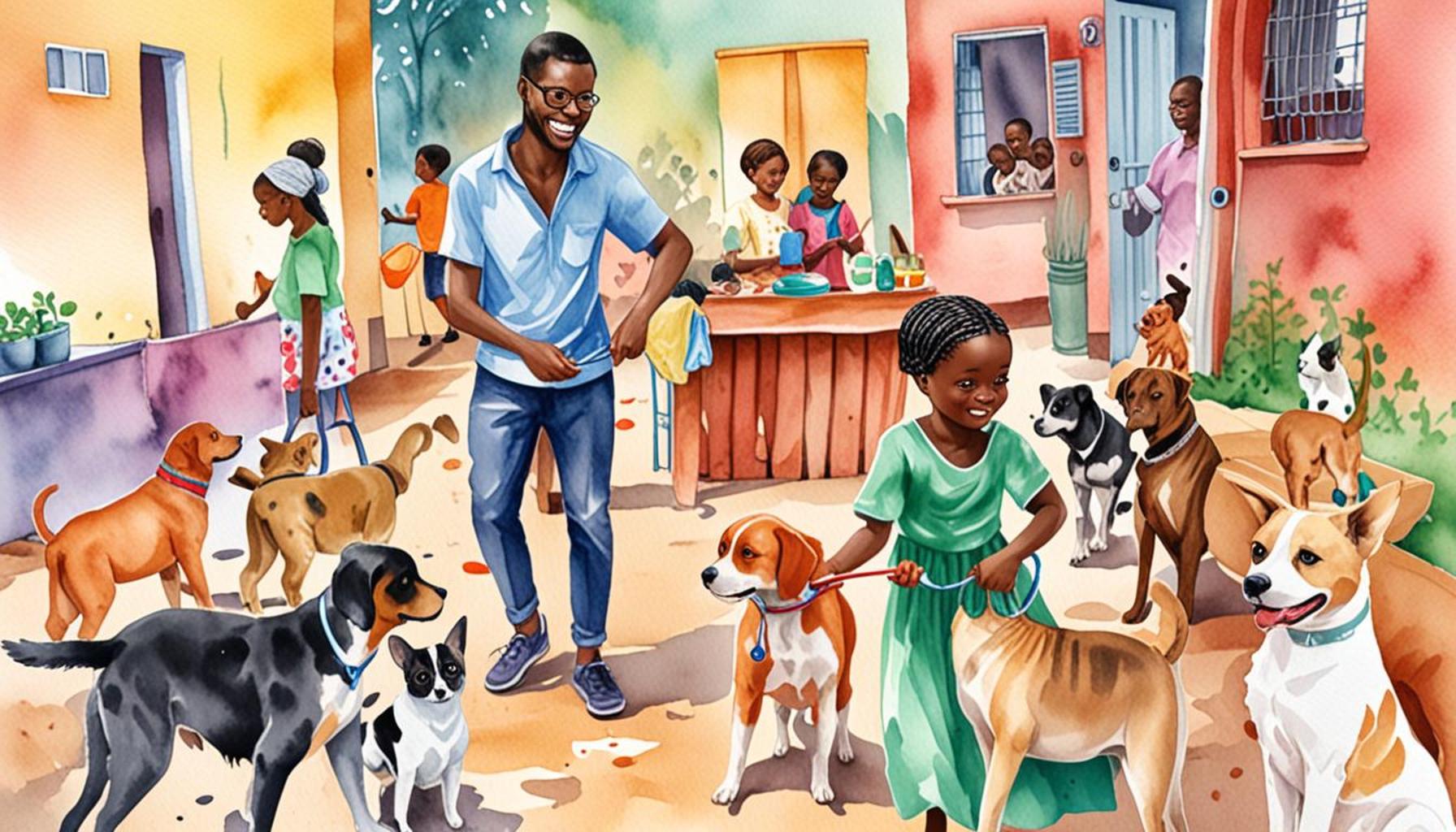
Challenges faced by animal shelters in Nigeria and how to overcome them to increase adoption
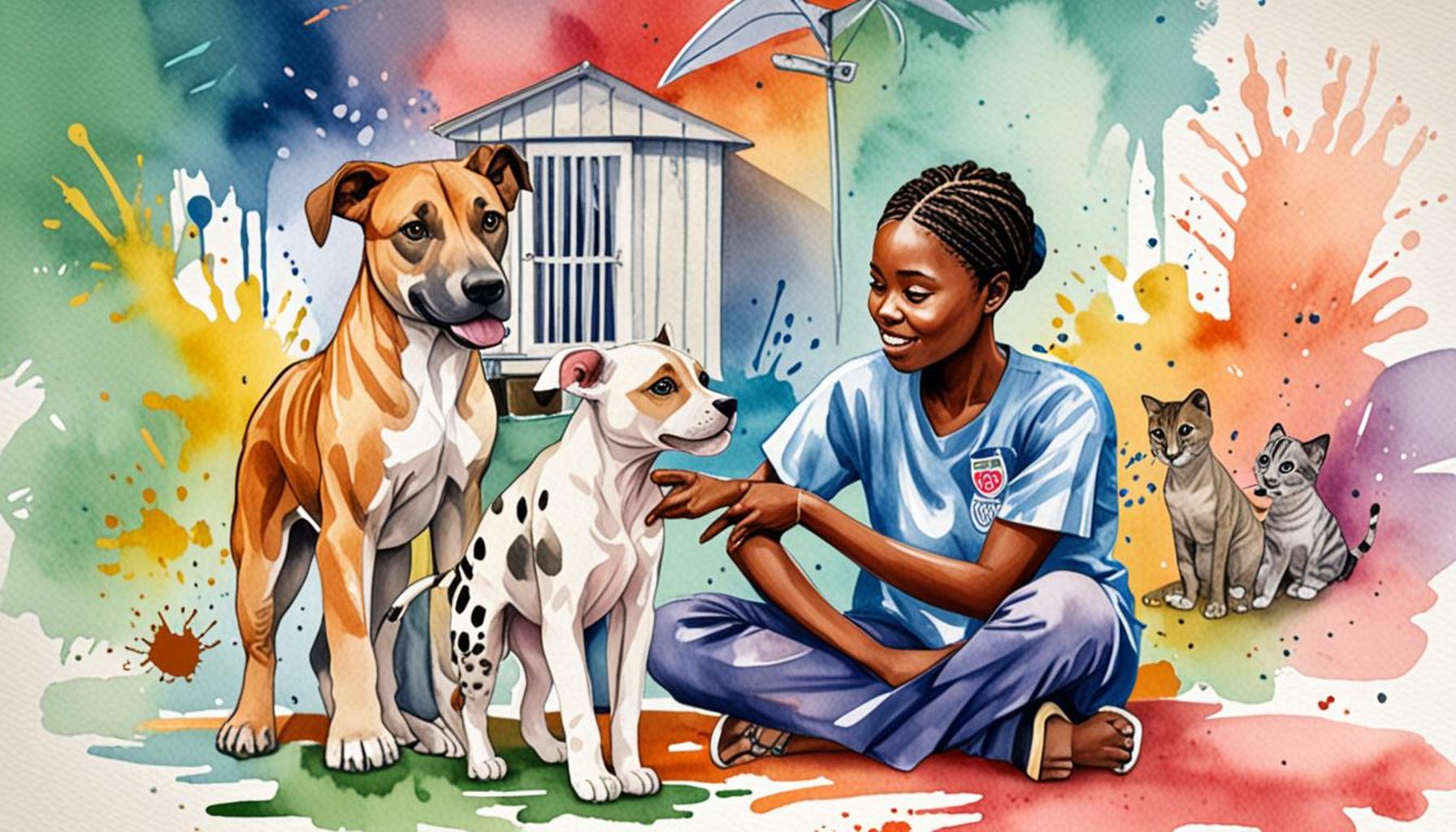
Current Landscape of Animal Shelters in Nigeria
The plight of animals in Nigeria is a pressing issue that is often overlooked. Animal shelters play a crucial role in addressing the needs of homeless and abused animals, yet they encounter significant hurdles that impede their operations. These obstacles range from funding shortages to a lack of public awareness about animal welfare, each of which requires urgent attention and innovative solutions. Understanding these challenges not only highlights the struggles faced by animal shelters but also serves as a call to action for individuals and organizations eager to make a difference.
Funding Shortages
Funding shortages rank among the most critical challenges facing animal shelters in Nigeria. Many of these organizations run on shoestring budgets, heavily reliant on the goodwill of donors and volunteer labor. For instance, a typical shelter might only be able to afford basic veterinary care and nutrition for the animals in their care, leaving little to no funds for facility maintenance, staff training, or outreach programs. According to a 2020 survey by the Nigerian Animal Welfare Society, about 60% of shelters reported an inability to keep up with medical expenses, leading to a troubling situation where animals suffer due to lack of care.
Public Awareness
Another major challenge is the significant gap in public knowledge regarding the importance of animal welfare. Many Nigerians lack education about responsible pet ownership and the ethical treatment of animals. This often results in increased abandonment rates and neglect. Public campaigns that emphasize the psychological and emotional benefits of pet companionship, alongside the responsibilities that come with it, could potentially transform attitudes. For example, community events that feature local veterinarians providing free consults and pet vaccinations can raise awareness and promote responsible pet ownership.
Overpopulation
The issue of overpopulation exacerbates the situation for shelters. There is a staggering number of stray animals roaming the streets, which overwhelms the available facilities. This often leads to overcrowded conditions that are unsuitable for proper animal care. A recent study indicated that Lagos alone has an estimated 400,000 stray dogs, many of which are not spayed or neutered, further complicating the overpopulation crisis. Shelters struggle to maintain healthy environments under such pressure, often resulting in animal health issues and increased euthanasia rates, which is a heartbreaking reality in many cases.
Effective Strategies for a Brighter Future
Despite the numerous challenges, innovative strategies can indeed pave the way for increased adoption rates and improved shelter conditions. Community outreach is paramount; shelters can mobilize local communities through educational campaigns to instill a sense of responsibility and compassion for animals. Schools and social media platforms can play key roles in spreading awareness and encouraging the younger generation to participate in animal welfare activities.
Moreover, forging collaborations with businesses and NGOs can provide essential financial support and resources that shelters desperately need. For example, partnerships with pet supply companies can lead to donations of food and supplies, alleviating some of the financial burdens on shelters. Additionally, hosting joint events can not only develop community engagement but also create visibility for available adoptable pets.
Lastly, employing enhanced adoption drives through creative advertising and robust social media campaigns can significantly boost interest in adoption. Showcasing the personalities and stories of the animals available for adoption can make them more relatable and appealing to potential pet owners. Regular community events, like adoption fairs and open days at shelters, can serve to bring attention to these animals that need loving homes.
By addressing the various complexities that challenge animal shelters in Nigeria head-on, we can create a more compassionate society for both animals and their human companions. The future is indeed hopeful if we choose to act now, creating lasting change for animals across the country.
Understanding the Key Challenges for Animal Shelters
Animal shelters in Nigeria are grappling with a myriad of challenges that significantly hinder their ability to operate effectively and promote animal adoption. The struggle to uphold the basic welfare of animals is compounded by multiple factors, each contributing to the ongoing cycle of overpopulation, neglect, and abandonment. Addressing these challenges is not only crucial for raising the standards of animal care but also vital for encouraging adoption rates across the country.
Resource Limitations and Financial Constraints
The most prominent challenge that animal shelters face in Nigeria is the issue of resource limitations and financial constraints. Many shelters operate on minimal budgets that dictate the extent of their capabilities. It is not uncommon for shelters to rely heavily on community donations, which are often inconsistent and unpredictable. As a result, vital services such as veterinary care, nutritional needs, and even staffing can become compromised. A staggering 75% of shelters reported struggling to provide proper medical care for the animals due to insufficient funding, ultimately jeopardizing the well-being of the animals entrusted to them.
Lack of Public Engagement and Education
In tandem with financial issues, there is a pressing need for increased public engagement and education regarding animal welfare. A large segment of the population remains unaware of the responsibilities associated with pet ownership or the consequences of neglecting animals. An enlightening statistic from the Animal Welfare League of Nigeria indicates that approximately 65% of pet owners in urban areas do not spay or neuter their pets, contributing to the overpopulation crisis. Educational initiatives that emphasize the importance of responsible pet ownership, spaying, and neutering can significantly alter perceptions and behavior in communities.
Challenges of Animal Overpopulation
The crisis of animal overpopulation further complicates the situation for animal shelters. Nigeria is home to millions of stray animals, with urbanized areas like Lagos and Abuja facing massive inflows of abandoned or lost pets. For instance, an estimate suggests that Lagos has as many as 400,000 stray dogs on the streets. The overflowing number of animals leads to overcrowded shelters, where facilities struggle to maintain health standards. In many cases, this results in increased euthanasia rates, causing great distress to shelter workers and the wider community.
- Resource limitations hinder veterinary care and shelter upkeep.
- Lack of public knowledge results in improper animal care and abandonment.
- Overpopulation creates untenable conditions within shelters.
Collectively, these factors create an environment where the potential for increased adoption rates is diminished. However, recognizing and understanding these challenges is the first step towards implementing practical solutions that can foster a healthier ecosystem for both animals and caretakers alike. The forthcoming sections will delve into actionable strategies that can be adopted to confront these issues head-on, paving the way for a brighter future for both animal shelters and the animals under their care.
| Challenges | Solutions |
|---|---|
| Resource Limitations | Establish community partnerships to enhance funding. |
| Public Awareness | Engage in local campaigns to educate on the value of adoption. |
| Overpopulation | Implement sterilization and spaying programs to control populations. |
| Negative Perceptions | Promote success stories of adopted animals via social media. |
In Nigeria, animal shelters face numerous obstacles hindering their mission. Among these are resource limitations, resulting in insufficient medical care and basic needs for the animals. By establishing community partnerships, shelters can improve funding and resource allocation, creating a sustainable model for care.There is also a significant issue with public awareness regarding the benefits of adoption. Local campaigns are crucial for educating the population about the advantages of adopting pets rather than buying them. Furthermore, the challenge of overpopulation leads to overwhelmed shelter capacities. Implementing effective sterilization and spaying programs will help manage animal populations effectively.Lastly, negative perceptions surrounding shelter animals propel adoption stigma. Utilizing social media to showcase successful adoption stories can alter these narratives, making shelter animals appealing companions worthy of love and care. Each of these challenges presents an opportunity for growth and betterment within animal welfare advocacy in Nigeria.
Strategies for Overcoming Challenges Faced by Animal Shelters
Despite the significant challenges confronted by animal shelters in Nigeria, there are viable strategies that can be implemented to improve the situation and boost adoption rates. Through fostering community involvement, creating partnerships, and leveraging innovative funding mechanisms, shelters can enhance their operational capabilities and create a more positive impact on animal welfare.
Community Engagement and Volunteer Programs
To address the lack of public engagement, animal shelters can actively develop community engagement initiatives and volunteer programs. These platforms not only raise awareness about animal welfare but also encourage community members to participate in hands-on activities, such as fostering or socializing animals in shelters. For example, shelters in Lagos, such as the Lagos State Animal Control and Regulation Unit, have successfully involved university students in community-service programs, resulting in increased visibility and support. Public events, such as open days or adoption drives, can serve as a magnet for potential adopters and educate attendees about responsible pet ownership.
Strengthening Partnerships with Corporations and NGOs
Building alliances with local businesses, non-governmental organizations (NGOs), and other stakeholders can provide shelters with additional resources. Corporations can sponsor shelters through financial donations, food supplies, or pet care products in exchange for brand visibility and positive corporate responsibility. Such partnerships can ease the financial burden that shelters face, as it allows them to allocate funds towards veterinary services and shelter maintenance. For instance, collaborative efforts between shelters and veterinary clinics can result in discounted or pro bono medical services, ensuring animals receive the care they need without breaking the shelter’s budget.
Innovative Fundraising Strategies
Adopting innovative fundraising strategies can also prove integral to expanding shelter resources. Implementing online crowdfunding campaigns can reach a wider audience beyond local communities and garner support from animal lovers both nationally and internationally. Platforms like GoFundMe or Patreon can facilitate a continuous flow of donations, providing a financial cushion for shelters facing budgetary constraints. Furthermore, hosting fundraising events, such as fun runs or charity dinners, can encourage local participation and raise money while bringing the community together to promote animal welfare.
Utilizing Social Media for Adoption Campaigns
In an increasingly digital world, social media plays a crucial role in animal adoption efforts. By crafting engaging content showcasing the animals available for adoption, shelters can capture the attention of potential adopters. Platforms like Instagram and Facebook allow for visually impactful storytelling, showcasing animals’ personalities and promoting events. Success stories of animals that have found forever homes can create a ripple effect, encouraging others to consider adoption. Utilizing hashtags related to animal welfare can increase visibility and engage a broader audience in discussions surrounding pet adoption.
- Community engagement fosters awareness and involvement.
- Partnerships with NGOs and corporations can enhance shelter resources.
- Innovative fundraising brings in necessary financial support.
- Social media amplifies adoption campaigns and stories.
Through the implementation of these strategies, animal shelters in Nigeria can better navigate the challenges they face and raise adoption rates. Collaborative efforts, resourcefulness, and a commitment to public education all play a vital role in creating a future where animal welfare and adoption become fundamental norms in Nigerian society.
Conclusion
In conclusion, tackling the challenges faced by animal shelters in Nigeria requires a multifaceted approach that prioritizes community involvement, strategic partnerships, and innovative fundraising efforts. The road to improving adoption rates is paved with the dedication of both shelter operators and the broader community. By fostering a culture of empathy towards animals, we can address the public’s misconceptions and ignite enthusiasm for animal adoption.
Building lasting relationships with local businesses and NGOs can significantly bolster the resources available to shelters. This financial support can make a profound difference in the quality of care provided to animals in shelters. Moreover, expanding outreach through community engagement initiatives and social media campaigns not only raises awareness but also invites greater participation from the public. Each successful adoption story shared online has the potential to inspire countless others who might be considering welcoming a furry friend into their lives.
As Nigerian society evolves, so too must our approach to animal welfare. By embracing these strategic solutions, we can transform animal shelters into thriving sanctuaries that champion the cause of adoption and responsible pet ownership. With collective effort and unwavering commitment, a future where every shelter animal finds a forever home is not just a dream but an achievable reality.