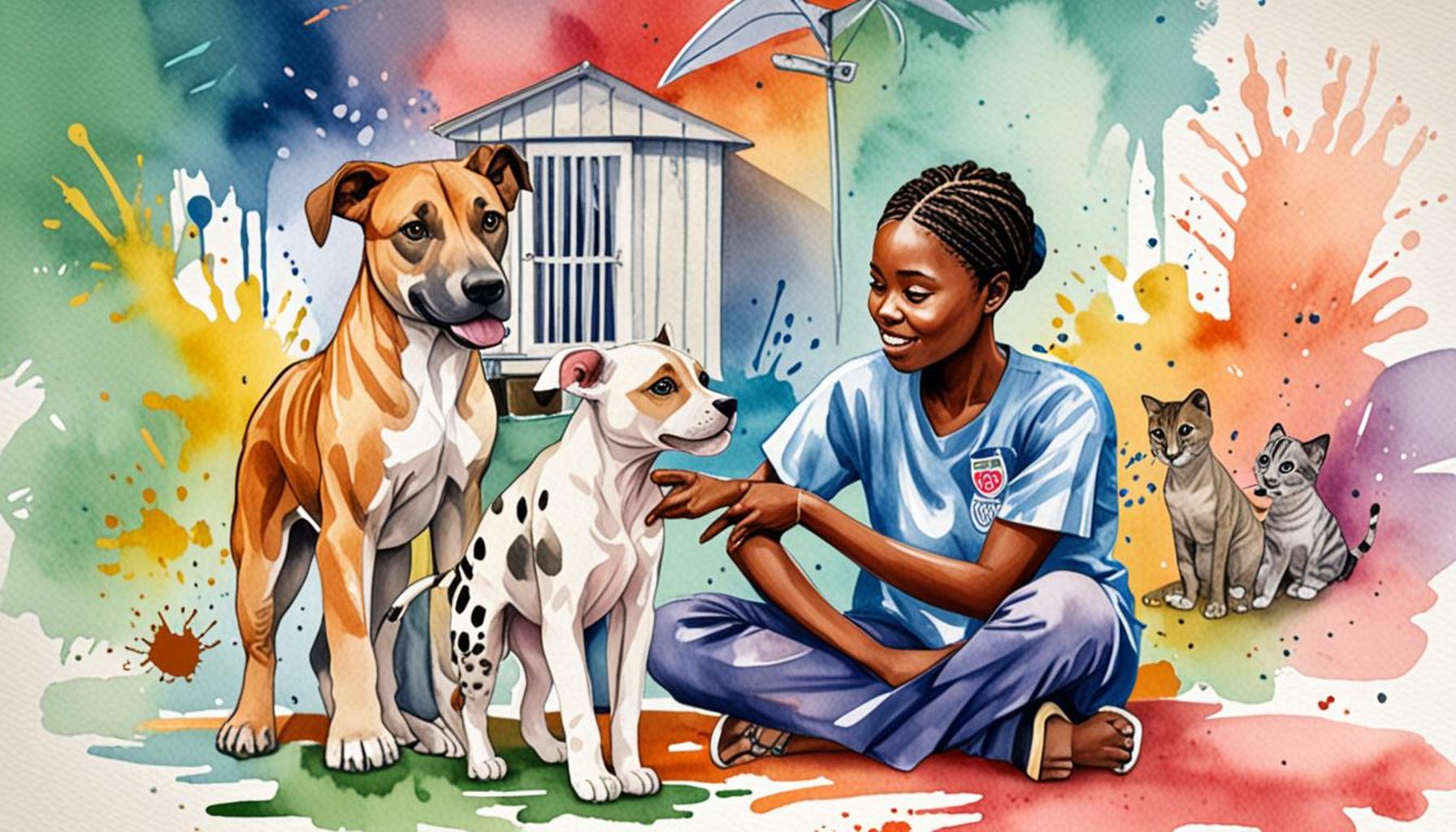
The role of animal welfare organizations in promoting responsible adoption in Nigeria

Understanding Animal Welfare Organizations in Nigeria
In Nigeria, the role of animal welfare organizations extends far beyond mere rescue operations. These organizations are pivotal in educating the public about the ethical responsibilities associated with pet ownership. Their dedication strives to build a compassionate society where animals are treated with dignity and respect. By ensuring successful pet adoptions, these organizations not only save lives but also enhance the dynamic human-animal bond, fostering a more empathetic community.
Public Awareness: One of the primary focuses of these organizations is to raise public awareness regarding the joys and responsibilities of pet ownership. For instance, campaigns organized around World Animal Day or local events can take various forms from workshops to social media outreach. Through these initiatives, potential pet owners learn about the emotional benefits of companion animals, such as companionship and increased physical activity. Moreover, they are educated on the importance of spaying and neutering to control the pet population, which is a significant issue with the rising number of stray animals in urban areas like Lagos and Abuja.
Adoption Programs: To streamline the adoption process, many animal welfare organizations have developed structured programs that help match animals with suitable families. For example, ‘Adopt a Pet’ programs often involve pre-adoption screenings that assess whether an individual’s lifestyle aligns with the needs of a particular breed. By introducing home visits and follow-ups post-adoption, organizations aim to ensure that pets are not returned to shelters, thereby reducing the cycle of abandonment and the stress faced by animals and their new families.
Education and Training: Offering resources and training is crucial in preparing potential adopters for the realities of pet ownership. Workshops on proper animal care, ranging from nutrition to basic grooming techniques, equip new pet owners with essential knowledge. Organizations also emphasize the importance of socialization to cultivate well-adjusted pets. This proactive approach can significantly reduce behavioral issues often associated with mismanaged pets, leading to more fulfilling and lasting relationships.
Despite their numerous contributions, these organizations face significant challenges. In Nigeria, limited funding remains a persistent hurdle, often restricting the scope of their programs. Coupled with cultural perceptions that view pets merely as utility animals, the journey toward greater animal rights can seem daunting. However, the efforts of dedicated groups like the Nigerian Society for the Prevention of Cruelty to Animals (NSPCA) and other local organizations exhibit that change is achievable through perseverance.
Understanding the vital roles these organizations play enables the public to appreciate the significance of responsible adoption. This increased awareness not only fosters healthier relationships between humans and their animal companions but also contributes to a culture of empathy and care, creating a more harmonious society for all its inhabitants.
Promoting Responsible Adoption Through Advocacy and Education
Animal welfare organizations in Nigeria are at the forefront of promoting responsible pet adoption through a multifaceted approach that includes advocacy, education, and community engagement. These organizations emphasize the need for a shift in how society views pets, moving away from the traditional notion of animals being mere possessions to recognizing them as valued members of families. In this transformation, education plays a crucial role.
Educational Workshops and Campaigns: To inform potential adopters about animal care and the responsibilities involved in pet ownership, many organizations offer workshops and informational sessions. These programs not only cover the fundamental aspects of animal care—including nutrition, health issues, and behavioral training—but they also address the legal and moral responsibilities that come with pet ownership. Topics like understanding animal behavior, the necessity of routine veterinary check-ups, and the importance of companionship are regular highlights in these educational outreach efforts.
<pMoreover, awareness campaigns are often targeted at schools and community centers, where children and families can learn the importance of kindness towards animals. By nurturing a sense of empathy from a young age, organizations hope to instill a culture of responsible pet ownership in the next generation.
Collaborative Initiatives: Many animal welfare organizations collaborate with local governments, businesses, and community groups to amplify their message. For instance, joint initiatives with local veterinary clinics can streamline spaying and neutering programs, thereby addressing pet overpopulation, which is a pressing issue in many Nigerian cities. In addition, such collaborations can also provide subsidized veterinary care for pets adopted through these organizations, making ownership more accessible to families on tighter budgets.
Furthermore, public adoption events often take place during community fairs and markets. These gatherings not only showcase animals in need of homes but also provide an opportunity for prospective pet owners to engage with volunteers, who can answer questions and offer insights into the adoption process. Such events serve multiple purposes: they elevate animal visibility, promote responsible adoption, and encourage community involvement in animal welfare.
Community Involvement: Engaging the community is key to fostering a supportive environment for responsible pet ownership. Through volunteer programs, animal welfare organizations can mobilize community members to assist in various capacities. Whether it’s participating in rescue operations, fostering animals, or helping spread the word about adoption opportunities, the involvement of local individuals creates a sense of ownership and responsibility towards animal welfare.
The impact of these initiatives extends past individual adoptions, as they help cultivate a strong culture of empathy and compassion within the community. As responsible adoption takes root, communities witness a decline in stray animals and an increase in human-animal bonding, thereby enhancing the quality of life for both pets and their owners.
While the challenges facing animal welfare organizations in Nigeria, such as limited resources and shifting societal views on pet ownership, may seem daunting, the ongoing efforts and dedication of these organizations continue to inspire change. Their work emphasizes that responsible adoption is not merely an act of kindness; it is a commitment to improving the welfare of animals and fostering a compassionate society.
The Vital Role of Animal Welfare Organizations
Animal welfare organizations play an indispensable role in promoting responsible adoption practices throughout Nigeria. These organizations are at the forefront of efforts to combat overpopulation by encouraging the adoption of stray and abandoned animals. Through various outreach programs and community engagement initiatives, they educate the public about the importance of adoption as a humane solution to pet overpopulation and abandonment issues. Education and Awareness are key aspects of their mission. Many of these organizations conduct workshops and informational sessions aimed at raising awareness about animal rights, proper pet care, and the significance of sterilization and spaying. By equipping potential adopters with the knowledge they need, they help ensure that adoptions result in long-term, loving homes for animals.Furthermore, animal welfare organizations also offer support systems for new adopters, including follow-up resources, training sessions, and access to veterinary care. By providing this support, they lessen the chances of animals being returned to shelters and encourage responsible pet ownership. This community-driven approach fosters a culture of compassion and responsibility around animal welfare practices in Nigeria.Moreover, by collaborating with local governments, veterinarians, and community leaders, these organizations amplify their impact, reaching a broader audience and garnering crucial support. Their efforts contribute significantly to changing societal attitudes towards animal adoption and welfare, making strides towards a future where all animals are treated with kindness and respect. As Nigeria grapples with issues of animal neglect and abuse, the unwavering commitment of these organizations becomes even more crucial in steering the country toward responsible adoption practices and a more compassionate society.
Providing Support Systems for New Pet Owners
Beyond the initial education and advocacy efforts, animal welfare organizations in Nigeria also play a vital role in supporting new pet owners after adoption. This ongoing support is essential to ensure that the bond between pets and their new families thrives, leading to a more stable environment for both the animals and their caregivers.
Post-Adoption Counseling: Many organizations offer post-adoption counseling services aimed at addressing common challenges faced by new pet owners. These sessions can be invaluable in troubleshooting behavioral issues and helping families adjust to their new responsibilities. Common concerns addressed include separation anxiety, house training issues, and integration with existing pets. By offering guidance, animal welfare organizations help reduce the likelihood of pets being relinquished due to manageable issues that could be resolved with the right support.
Resource Accessibility: To further strengthen the experience of pet ownership, several animal welfare organizations create resource hubs where new adopters can access valuable information, from feeding schedules to exercise regimens. Additionally, partnerships with local veterinarians facilitate easier access to healthcare, with some organizations offering discounted or subsidized services for newly adopted pets. This proactive approach aims to demystify regular veterinary care and encourages responsible health management long before issues arise.
Monitoring and Follow-Up Programs: Some welfare organizations implement follow-up programs to check on adopted pets and their families periodically. These programs serve a dual purpose: they ensure that the animals are well-treated and assist owners in maintaining a positive experience with pet ownership. Such monitoring can include home visits, phone calls, or even community meet-ups, fostering a network of support amongst adopters that can help alleviate feelings of isolation or overwhelm.
The Ripple Effect of Responsible Adoption
The work of animal welfare organizations in Nigeria has broader societal implications. By facilitating responsible pet adoption, these organizations contribute to the improvement of public health and safety. For example, a decrease in unregulated breeding and abandonment leads to fewer stray animals on the streets, which in turn reduces the risk of diseases like rabies, ultimately benefiting the entire community.
Community Rebranding: Moreover, the presence and success of animal welfare organizations also help to reshape public perceptions about pet ownership. As these groups cultivate a culture of responsibility and empathy, communities start viewing animals not just as pets but also as companions worth investing in. This shift can lead to increased volunteerism within communities and even stimulate local businesses that cater to pet needs, creating economic opportunities that benefit everyone.
Volunteerism and Local Engagement: Engaging residents through volunteer programs provides individuals with hands-on experience in animal care and advocacy. Not only do these initiatives enhance the care and placement of animals in loving homes, but they also help cultivate a sense of responsibility and community goodwill. Local volunteers often become ambassadors for animal welfare, spreading the word about responsible adoption and fostering an environment where pets are treated with dignity and respect.
Through their persistent efforts, animal welfare organizations continue to influence public attitudes toward pet adoption in Nigeria. This endeavor plays a pivotal role in shaping a more humane society, ensuring that the significance of responsible adoption goes beyond individual households to impact broader community health and unity.
Conclusion: The Future of Responsible Adoption in Nigeria
In summary, the role of animal welfare organizations in Nigeria extends far beyond mere advocacy; they are the linchpins of responsible pet adoption that can turn casual pet ownership into a fulfilling lifelong partnership. By addressing the challenges faced by new pet owners through post-adoption counseling, providing accessible resources, and implementing follow-up programs, these organizations ensure pets flourish in their new homes. The ripple effect of their work not only promotes healthier and safer communities but also fosters a culture of empathy and commitment towards animal welfare.
As these organizations continue to reshape perceptions about pet ownership, their influence is paramount in transforming how Nigerians view animals, from mere possessions to cherished companions deserving of care and respect. The ongoing initiatives also invite broader community engagement, encouraging individuals to volunteer and advocate for responsible adoption. Such collective actions create opportunities for economic growth through local businesses that cater to pet needs, thus benefiting society as a whole.
Looking ahead, the challenge remains to sustain the momentum of these initiatives while expanding outreach to underserved populations. As more Nigerians embrace the responsibilities of responsible pet ownership, the potential for a kinder, more humane society grows exponentially. Indeed, the future of animal welfare and responsible adoption in Nigeria hinges on the relentless dedication of these organizations, fostering a world where every pet finds their forever home and every proud pet owner participates in a compassionate community.