How Pet Adoption Can Strengthen Communities and Promote Social Inclusion in Nigeria
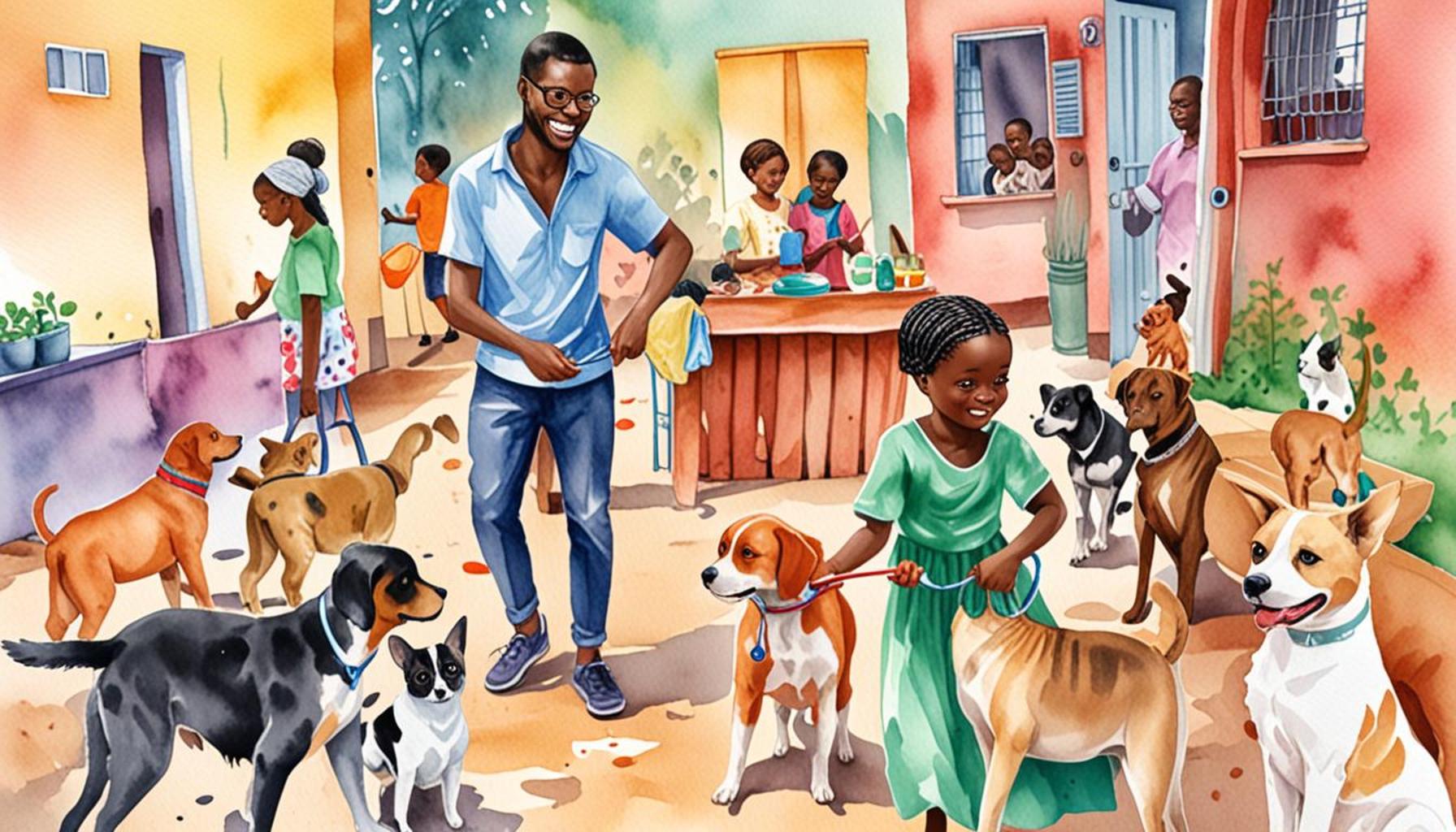
Enhancing Connections Through Compassion
The act of pet adoption extends far beyond individual households; it reverberates through communities, directly impacting social cohesion. In Nigeria, where community bonds are vital, adopting pets can foster connections that enrich the fabric of society. It presents an opportunity for collective action and mutual support that can significantly bolster neighborhood ties and encourage a culture of kindness.
The Ripple Effects of Pet Adoption
When individuals adopt pets, they inadvertently contribute to the following:
- Increased empathy: Caring for animals nurtures compassion among people. The daily acts of feeding, grooming, and training pets are not just tasks; they forge a deeper understanding of responsibility and empathy. For many, especially children, these experiences teach valuable lessons about nurturing and commitment.
- Community engagement: Adoption drives often bring together diverse groups, encouraging dialogue and cooperation. In cities like Lagos and Abuja, events such as “Adopt Don’t Shop” can draw hundreds of attendees, with families and individuals from various backgrounds participating. These gatherings provide a platform for storytelling, connection, and outreach, where people can exchange knowledge about pet care and the joys of pet companionship.
- Support networks: Pet owners can form alliances that provide emotional and practical assistance. These networks become essential, especially in urban settings where individuals may feel isolated. Pet owners often form WhatsApp groups to share advice, arrange meet-ups, or exchange services, creating a sense of belonging and shared responsibility.
Building Bridges Across Differences
Pet adoption plays a crucial role in promoting social inclusion, particularly in urban areas where migration and displacement are prevalent. For instance, adopting a pet can help break down barriers between different ethnicities, creating shared experiences that unite communities. In a nation like Nigeria, where cultural diversity is rich but often divides, pets can serve as a common ground. A Hausa individual adopting a local street dog may find commonality with a Yoruba family through their shared love for animals, fostering friendships that transcend cultural boundaries.
Moreover, initiatives such as community dog parks or pet-friendly events not only encourage pet ownership but also invite participation from various groups, including those who may not own pets. This inclusivity promotes an environment where diverse cultures can engage in meaningful interactions, celebrating both individual differences and shared moments.
Ultimately, pet adoption goes beyond the immediate act of bringing an animal into one’s home; it encapsulates the potential for a more empathetic, connected society. By making the choice to adopt, individuals are making a statement about compassion that echoes throughout their communities, inspiring others to take similar steps towards fostering kinship and support.
Cultivating Compassionate Communities
Pet adoption is not merely an act of kindness toward animals; it embodies a profound shift towards building cohesive and compassionate communities in Nigeria. As urbanization continues to rise, the challenges of disconnectedness and isolation become increasingly palpable. Yet, the adoption of pets can provide the impetus for reconnecting individuals within neighborhoods, setting the stage for a more inclusive society.
Engaging the Community Heartbeat
The heart of community lies in its members’ ability to engage with one another, and pet adoption plays a pivotal role in facilitating this engagement. Adoption events serve as lively occasions where people come together—not only to find a furry companion but also to mingle and exchange ideas. These gatherings can host workshops on responsible pet ownership, breeding education, and health awareness, where both seasoned pet owners and newcomers can share knowledge. Events such as the “Walk for Animals” in Lagos are excellent examples where community members walk through city streets with their pets, spreading awareness about adoption and animal welfare while also sparking conversations among diverse individuals.
- Social integration: Embracing pet adoption paves the way for social inclusivity. For instance, people from various backgrounds can find common ground in their love for animals. A community that nurtures friendships through shared responsibilities can combat loneliness and foster a sense of belonging.
- Support for local shelters: Adopting pets often involves local animal shelters, creating a connection between residents and institutions dedicated to animal welfare. Community engagement with shelters not only improves the lives of abandoned animals but also galvanizes collective efforts for better welfare standards, including vaccinations and spaying/neutering programs.
- Rehabilitation and therapy: Various pet adoption initiatives incorporate therapy animals to support vulnerable groups, including the elderly or those battling mental health issues. Interaction with pets has been shown to lower stress levels, encouraging emotional well-being and connection among participants.
Creating Safe Spaces for Interaction
As the concept of pet ownership evolves, the need for safe and inclusive spaces becomes ever more critical. Community dog parks and pet-friendly festivals are emerging across major Nigerian cities, providing venues where families can gather and children can play freely alongside their pets. These spaces become melting pots for local cultures, where laughter and joy are manifested as people learn the etiquette of responsible pet care in a supportive environment. People who may not own pets can still participate and engage, building rapport and breaking down socio-economic barriers.
In essence, pet adoption acts as a crucial thread weaving through the social tapestry of Nigerian communities. It transforms casual interactions into strong community ties, reinforcing the idea that we are stronger together. By welcoming an animal into their homes, Nigerians are simultaneously opening the door to a broader sphere of understanding and mutual respect, paving the way for a more connected and empathetic society.
| Community Engagement | Promoting Inclusivity |
|---|---|
| Pet adoption events can foster interaction among community members, offering a platform for shared experiences and relationships. | By embracing pet adoption, community groups can encourage diversity and acceptance, creating connections across different backgrounds. |
| These activities not only bring people together but also inspire volunteerism, as individuals contribute their time and skills to animal welfare. | Pets become a common bond, breaking down social barriers and making it easier for individuals to connect in meaningful ways. |
In Nigeria, where communities often face fragmentation, pet adoption acts as a bridge that fosters participation and unity. Through organized events, people from various walks of life come together, creating a vibrant atmosphere that enhances social cohesion. Establishing pet-friendly spaces can also invite families and individuals to interact in a relaxed environment, significantly improving community morale and cooperation. Moreover, community-led initiatives focused on animal rescue and life quality improvements can lead to an increase in social support networks. Collaboratively, communities can tackle issues related to overpopulation and abandonment, resulting in a healthier environment for both humans and animals. Emphasizing the significance of empathy and responsibility, pet adoption provides profound lessons about care, compassion, and mutual respect. Understanding these community dynamics can ultimately pave the way for a more inclusive society, emphasizing the collective responsibility residents have towards their neighborhoods and each other.
Enriching Lives Through Responsible Pet Ownership
When families choose to adopt pets, they embark on a transformative journey that goes beyond personal fulfillment. This decision also has broader implications that contribute positively to society. In Nigeria, responsible pet ownership promotes not just animal welfare but also enhances communal values, encouraging a culture of care and empathy among neighbors.
Educational Opportunities and Youth Engagement
One of the remarkable aspects of pet adoption is its potential to educate and engage the youth. Schools and community centers can leverage pet adoption as an educational tool, integrating animal welfare into their curriculums. Programs that teach children about the importance of responsible pet ownership, empathy towards animals, and community service can spark a sense of responsibility in young people. By participating in adoption campaigns or volunteering at local shelters, youth can develop critical life skills, build self-esteem, and mature into compassionate adults.
- Life skills development: Young adopters often take on the responsibility of caring for their pets, which helps them learn invaluable skills such as time management, patience, and compassion. These lessons transcend pet care, laying the foundation for responsible citizenship and community engagement.
- Inspiring future generations: When children see their parents actively involved in pet care and adoption, they are likely to emulate these behaviors, fostering a legacy of compassion for animals and fellow community members.
- Enhancing social networks: Families who adopt pets often find themselves in vibrant networks of fellow pet owners. This bonding can lead to friendships and alliances that cross socio-economic boundaries, enriching community life overall.
Boosting Local Economies
Pet adoption doesn’t only thrive on goodwill; it also stimulates local economies. The surge in pet ownership encourages an increase in pet-related businesses—veterinary clinics, grooming parlors, and pet supply stores. In Nigeria, where entrepreneurship is a crucial driver of economic growth, pet businesses are a growing sector ripe with potential. By supporting local shelters and opting for locally-sourced pet products, communities can foster economic development and job creation.
This economic aspect is particularly significant when considering the plight of stray animals. As communities band together to address the issue of stray populations through adoption drives and spay/neuter programs, they cultivate a sense of ownership and responsibility. In turn, this leads to improved public health outcomes and reduces incidences of zoonotic diseases, reflecting the profound benefits of pet adoption on community well-being.
Fostering Mental and Emotional Well-Being
The mental health implications of pet ownership are well-documented. For many Nigerians, adopting a pet can serve as a lifeline amidst challenging environments. The presence of a pet can help alleviate feelings of loneliness, anxiety, and depression. Research indicates that pet owners often experience lower levels of stress and enhanced emotional well-being through the companionship of their animals, fostering connections that ripple through the broader community.
Moreover, community-led initiatives that promote therapy animal programs aim to reach individuals struggling with mental health issues. The partnership between mental health professionals and animal shelters to provide therapy pets for those in need exemplifies how pet adoption can forge unexpected bonds and create a network of support across neighborhoods. Such collaborations ultimately enhance community resilience, showcasing the profound impact of animal companionship.
Through responsible pet adoption, communities can not only address animal welfare but also enrich the human experience. By creating educational platforms, stimulating local economies, and prioritizing mental health, pet adoption stands as a powerful catalyst for social inclusion and community cohesion in Nigeria.
Conclusion: A Call to Embrace Pet Adoption in Nigeria
As we reflect on the myriad ways pet adoption acts as a catalyst for social change in Nigeria, it becomes evident that this initiative transcends the bounds of individual fulfillment. By fostering a culture of responsibility and compassion, pet adoption encourages communities to come together, promoting essential values such as empathy and shared care. The profound implications for social inclusion resonate well beyond the immediate benefits felt by pet owners.
The role of education and youth engagement, the stimulation of local economies, and the enhancement of mental health reflect just a few of the transformative impacts of adopting pets. Each adopted animal not only finds a loving home but also becomes a bridge that connects individuals from diverse backgrounds, forging networks of support and friendship that elevate community spirit. With an estimated 20 million stray animals wandering Nigeria’s streets, embracing adoption campaigns can not only reduce this number but also foster a sense of shared responsibility among citizens.
As we strive for positive social change, every community member’s involvement is paramount. Local governments, schools, and NGOs should collaborate to create awareness and facilitate adoption drives, strengthening the basic fabric of society. By welcoming the initiative of pet adoption, Nigerians are not merely rescuing animals; they are investing in a future where communities thrive on inclusive values. It is time to harness the power of compassion to build a more connected and resilient Nigeria, one pet adoption at a time.