The Evolution of Dog Training Techniques in Nigerian Culture
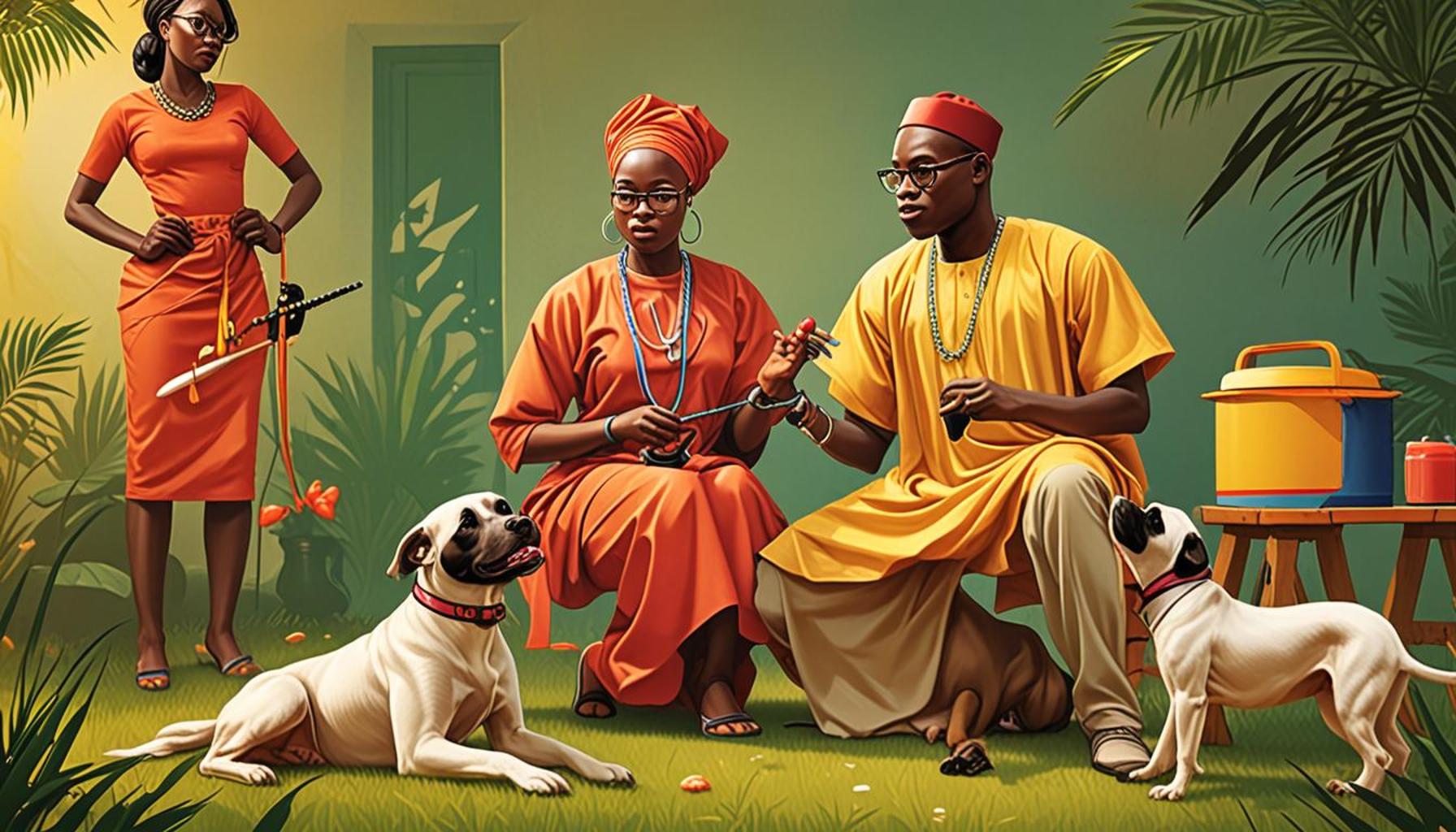
Understanding the Historical Context
The relationship between humans and dogs in Nigeria is rooted in history, characterized by a dynamic interplay between practicality and companionship. Traditionally, dogs have played crucial roles in various communities. In rural areas, they often serve as vigilant protectors against wild animals and intruders, as well as herders assisting in managing livestock. This underscores the importance of training dogs for specific tasks that economically benefit households.
Training dogs in these contexts has often relied on a hands-on approach, focusing on commands that encourage protective instincts and herding behaviors. Local techniques might include utilizing whistles or specific vocal tones that resonate within the community, enhancing the bond between dog and handler.
Influence of Modern Training Methods
As Nigeria experiences rapid urbanization, there is an increasing adaptation of modern training techniques influenced by Western methods. This shift is especially noticeable in urban centers like Lagos and Abuja, where dogs are increasingly seen as family members rather than just functional animals. This change has introduced concepts like positive reinforcement, focusing on rewarding desired behaviors with treats or affection rather than relying solely on discipline.
For instance, dog trainers in these urban environments have begun hosting workshops that emphasize these modern strategies. Such events often attract a diverse range of participants, from seasoned animal trainers to pet owners eager to better understand their companions. This blending of traditional and modern techniques illustrates a growing appreciation for the emotional bond between humans and dogs.
The Role of Community in Dog Training
Community-based practices are pivotal in how dog training evolves in Nigeria. Knowledge is often shared within local groups, where experienced dog owners mentor new caretakers. This grassroots approach not only fosters a sense of camaraderie among dog owners but also ensures that training methods remain culturally relevant.
- Local Events: Community gatherings frequently include dog care seminars and training sessions, promoting widespread understanding of animal behavior and welfare.
- Shared Resources: In some towns, community resources like veterinary clinics provide training programs that reflect both local customs and emerging best practices.
- Traditional Knowledge: Elders often impart wisdom on the historical significance of different breeds, enhancing the community’s appreciation for their dogs’ roles.
Cultural Significance of Dogs in Society
In Nigeria, dogs symbolize more than companionship; they represent loyalty, protection, and cultural heritage. In various ethnic groups, certain breeds are venerated for their traits, such as the Borzoi for hunting or the Nigerian Mastiff for guarding homes. This deep-seated cultural appreciation informs training practices, as owners are motivated to enhance qualities that their breeds are traditionally known for.
As urbanization continues to shape lifestyles, the challenge will be to maintain this rich cultural legacy while embracing innovation in dog training. There is potential for improved human-animal relationships that could lead to better welfare for dogs across the country, ensuring that the bond remains strong and evolving.
Through the lens of history, modern influences, and community practices, the journey of dog training in Nigeria reflects a rich tapestry of cultural significance, social change, and personal connection. As we continue to explore these themes, it will be key to recognize how they impact not just dogs but the communities they inhabit.
Tradition Meets Modernity in Dog Training
The evolution of dog training techniques in Nigerian culture embodies the delicate balance between tradition and modernity. Historically, training methods were practical and utilitarian, focused primarily on enhancing the dogs’ natural instincts for protection, herding, or hunting. This hands-on approach was essential in rural communities, where dogs were integral to daily life.
In many Nigerian villages, dogs often learn through direct interaction with their handlers, incorporating local training methods that rely heavily on vocal commands and physical gestures. Numerous breeds have unique training nuances derived from their roles within the community. Take, for example, the local herding breeds, which require specialized training to effectively manage livestock. The techniques may include gentle nudging or specific vocal commands that resonate culturally, uniquely aligning the dog’s behavior with expected tasks.
The Transformation: Urban Influences
With rapid urbanization, a noticeable transformation in dog training techniques has emerged, especially in bustling cities like Lagos and Abuja. In these metropolitan areas, dogs have transitioned from mere working animals to esteemed family members, leading to an essential reevaluation of training methodologies. This shift prioritizes a gentle approach, known as positive reinforcement, where good behavior is rewarded with treats or praise rather than punishment.
Modern dog trainers have begun to conduct workshops that emphasize these contemporary training strategies. This development attracts pet owners eager to establish better connections with their pets. The outcome of such initiatives is a more profound understanding of the emotional and psychological needs of dogs. As many Nigerian pet owners acclimate to this shift, they often share success stories that highlight the benefits of adopting these innovative techniques.
Access and Education: Key Components
Access to training resources plays a critical role in shaping the methods employed in urban and rural areas alike. Community initiatives are pivotal in bridging the gap between traditional practices and modern approaches. Several factors contribute to this collective effort:
- Workshops and Seminars: Local events provide platforms for trainers and pet owners to engage with one another and learn about effective training techniques, thereby enriching their knowledge and skills.
- Collaboration with Veterinarians: Veterinary clinics often host training programs that incorporate both cultural practices and emerging dog training trends, making training accessible to a broader audience.
- Peer Support Networks: Experienced dog owners frequently assist newcomers, sharing insights on local training methods while encouraging the adoption of modern ones, creating a supportive training environment.
This dynamic exchange of knowledge enhances the cultural relevancy of dog training in Nigeria today, fostering an evolving relationship between dogs and their human companions. As we look deeper into how these shifts are shaping dog training practices, it becomes evident that maintaining the essence of traditional knowledge is crucial amidst this transition. The transformation does not erase the past; instead, it builds upon it, crafting a new narrative in the evolution of dog training techniques in Nigerian culture.
| Training Method | Characteristics |
|---|---|
| Traditional Techniques | Emphasis on obedience through authoritative commands and rewards based on discipline. |
| Modern Approaches | Focus on positive reinforcement which fosters a bond between the dog and trainer, encouraging playful learning. |
| Cultural Context | Integration of indigenous practices that respect the natural behavior of dogs while incorporating societal values. |
| Technological Influence | Utilization of training apps and online resources, expanding accessibility to training methods in urban areas. |
The evolution of dog training techniques in Nigerian culture showcases a rich tapestry of traditional and modern practices. The traditional techniques, deeply rooted in the culture, emphasize obedience as a key element. Trainers often use authoritative commands, with a reward system based on discipline and understanding of the dog’s instincts. In contrast, modern approaches have shifted towards positive reinforcement, which not only enhances the learning experience but also strengthens the emotional bond between the dog and the trainer. This methodology has gained popularity among younger generations, reflecting a more compassionate understanding of animal behavior.Culturally, there is a significant integration of indigenous practices in dog training methods, promoting mutual respect and understanding of canine instincts. This aspect is particularly relevant as it embodies the values of community and behavioral harmonization, crucial in Nigerian social structure.Finally, the technological influence has emerged as a game-changer, especially in urban areas where access to diverse training resources has become seamless through the use of training apps and online forums. This commitment to advancing dog training methodologies encapsulates the dynamic evolution present in Nigerian culture, inviting ongoing exploration and adaptation in the field.
Cultural Influences and Dog Training Practices
The evolution of dog training techniques in Nigeria is not merely an amalgamation of varied methodologies; it is a reflection of cultural richness and diversity. Every region brings its unique influences that shape practices, emphasizing the deep-rooted connection between Nigerian heritage and canine training. For instance, in the northern parts of the country, where breeds such as the Sokoto Gudali and the Arewa breed are predominant, training often incorporates elements from traditional pastoral lifestyles. Here, dogs are not only treated as companions but also as pivotal partners in herding and guarding livestock. The training techniques often engage older handlers who teach younger generations through storytelling and practical demonstrations, coupling respect for tradition with practical efficacy.
Conversely, in southern Nigeria, especially among the Yoruba and Ibo communities, the approach to dog training intertwines with local spiritual beliefs and narratives. It is not uncommon for trainers to invoke folklore that emphasizes the intelligence and protectiveness of dogs. Training methods here may include holistic practices, where the dog’s emotional well-being is meticulously considered. These cultural perspectives permeate modern training schools, which often incorporate traditional wisdom into their curriculum. For example, incorporating methods influenced by folklore not only enriches the training process but also bolsters the bond between dogs and their owners.
Technology and Dog Training: A New Age
The advent of technology has also played a significant role in shaping dog training techniques in Nigeria. As evidenced by the increasing availability of instructional videos, mobile applications, and online forums, pet owners now have the opportunity to learn and refine their pet training skills from anywhere in the world. For instance, platforms like YouTube feature numerous Nigerian dog trainers who share their expertise, offering guidance on everything from basic obedience to advanced agility training. This influx of information allows pet owners to select techniques that resonate with both contemporary practices and traditional values.
Moreover, social media platforms serve as vital tools for spreading awareness about canine welfare and effective training methods. Anecdotal evidence suggests that the visibility of dogs in Nigerian pop culture, through films and music, significantly influences public perception towards dog training. Dogs depicted as companions in these media further reinforce notions of positive reinforcement and empathetic training methods that focus on building trust and respect between dog and owner.
The Future of Dog Training in Nigeria
As Nigerian society continues to evolve, so too do the expectations for dog training practices. A growing awareness about animal rights and proper canine care has led to heightened demand for ethical training methods that prioritize the well-being of dogs. Future developments in dog training techniques may well include greater integration of scientific research into behaviorism, promoting an understanding of canine psychology within cultural contexts.
Furthermore, collaborations between local trainers and international canine behaviorists could pave the way for more standardized and effective training curricula that honor Nigeria’s cultural heritage while embracing modern advancements. By fostering local expertise with global best practices, dog training in Nigeria stands to evolve in a way that serves both the dogs and their human companions, creating harmonious relationships that reflect a blend of past wisdom and future-oriented practices.
Conclusion
The journey of dog training techniques in Nigeria embodies a fascinating blend of tradition, culture, and modernity. From the pastoral practices in the north involving breeds like the Sokoto Gudali, where storytelling and hands-on mentorship play significant roles, to the spiritual narratives prevalent in the southern regions, such as among the Yoruba and Ibo communities, each approach reflects a rich tapestry of local beliefs and lifestyles. These evolving practices emphasize not only the technical aspects of training but also the deep emotional connections between dogs and their owners.
As technology reshapes our interactions, Nigerian dog training is becoming more accessible and diverse. The rise of online resources and social media has democratized knowledge, allowing trainers and dog owners to share methods that resonate with both modern sensibilities and traditional wisdom. This synthesis of techniques heralds a future where ethical training methods prioritizing canine welfare are increasingly embraced, signaling a greater societal awareness regarding animal rights.
Looking forward, the potential for future collaborations between local and international canine behaviorists could revolutionize training methodologies in Nigeria. Such partnerships can foster an exchange of knowledge that honors local cultural practices while integrating innovative strategies grounded in scientific understanding. Ultimately, as Nigerians continue to redefine their relationships with dogs, the evolution of dog training techniques serves as a testament to the nation’s rich cultural heritage, paving the way for stronger bonds between dogs and their human companions that honor the past while embracing the future.