Pet Training for Children: How to Engage Little Ones in Learning
Engaging Children in Pet Training
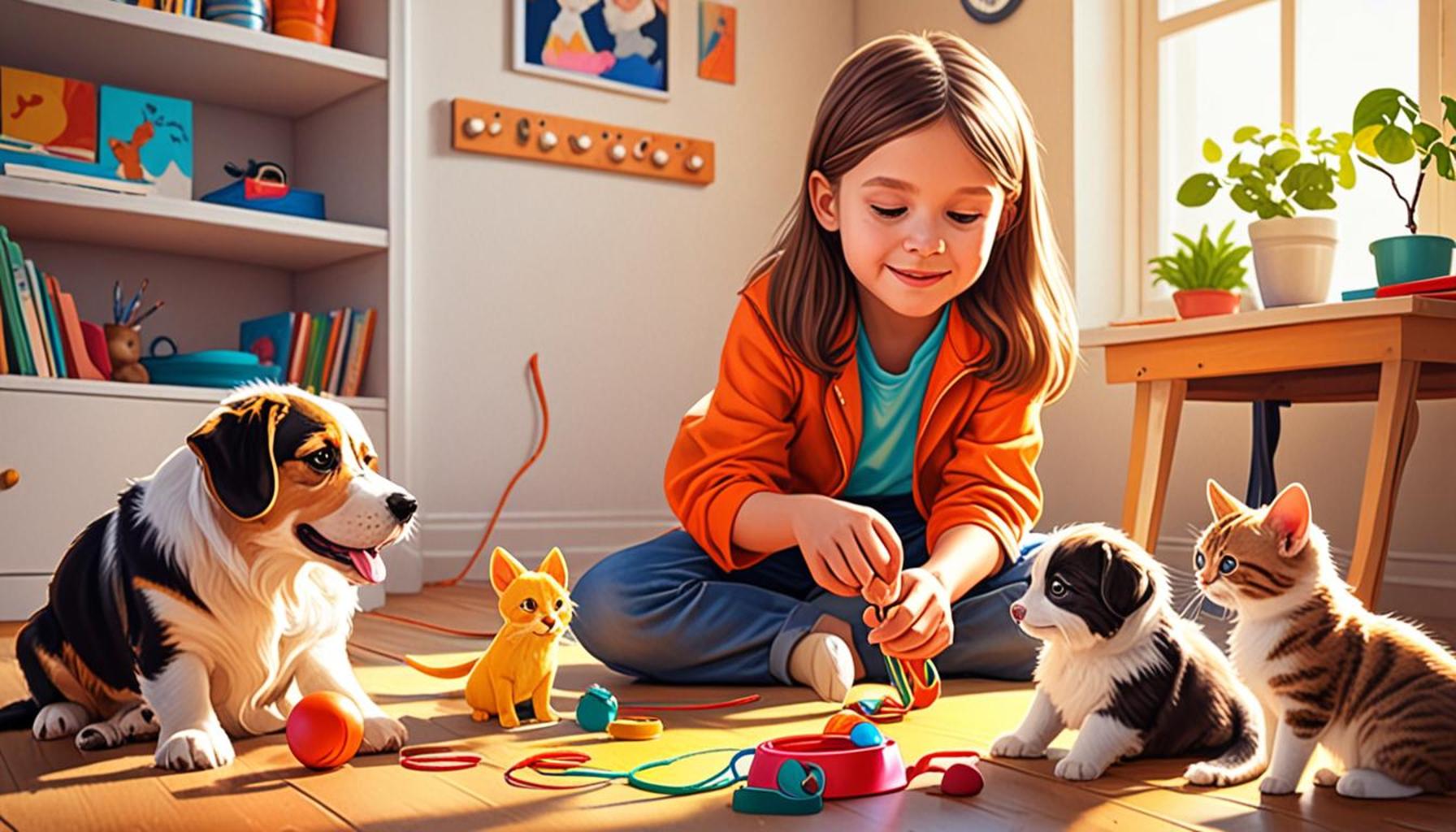
Training pets is an enriching experience that extends beyond simply teaching commands such as “sit” or “stay.” It serves as a unique avenue for children to acquire essential life skills, including responsibility, empathy, and patience. By creating an environment that fosters engagement and fun, pet training can transform into a captivating adventure that stimulates young minds while also enhancing the bond between child and animal.
One of the most significant benefits of involving children in pet training is how it enhances bonding between them and their furry companions. During training sessions, children learn to communicate effectively with their pets, which builds mutual trust and affection. For instance, teaching a pet to follow simple commands not only encourages obedience but also nurtures the emotional connection, paving the way for deeper interactions and lasting memories.
Moreover, as children achieve training milestones, they experience a boost in confidence. Successfully teaching their pets new tricks or commands can create a sense of accomplishment in young learners. Imagine a child who has taught their Nigerian Dogue to roll over – this achievement not only makes the child proud but can also inspire them to set and achieve new goals in other areas of their life.
Additionally, pet training instills a sense of responsibility in children. Caring for a pet requires commitment, training, and daily attention. Children learn the importance of routine, feeding, and grooming, which can translate into greater accountability in their personal daily tasks. This responsibility helps in instilling a sense of duty that may carry over into their adult lives.
Nigeria’s vibrant culture deeply values community and family engagement, and involving children in pet training can reinforce these values. By creating joy-filled moments during training, families can come together and build strong connections. Utilizing local pet breeds, such as the Nigerian Dogue, presents an opportunity to make the activity relevant and exciting.
To spark enthusiasm in this shared endeavor, you might consider fun training activities like:
- Agility Courses: Setting up simple obstacle courses allows both pets and children to navigate challenges together. This not only keeps them physically active but also encourages teamwork and cooperation. For example, a makeshift course in the backyard using household items can provide hours of entertainment.
- Trick Training: Teaching pets entertaining tricks not only serves as a source of amusement but also imparts the valuable lesson of positive reinforcement. Children learn that patience and encouragement yield better results than punishment, nurturing a compassionate approach toward both pets and peers.
- Storytelling Sessions: Engage children by sharing stories of pets’ training journeys, which can foster a rich understanding of the challenges and triumphs involved in the process. This can also be an opportunity for children to share their experiences, facilitating creativity and emotional expression.
As parents and guardians, embracing these creative techniques in pet training can significantly impact children’s growth and development. By weaving fun and learning into training sessions, you not only educate your child but also build memories that will be cherished for years to come. Let’s explore more ways to transform this educational endeavor into an entertaining journey that impacts young lives positively.
Creative Approaches to Pet Training
To effectively engage children in the process of pet training, it’s essential to adopt creative approaches that tap into their innate curiosity and enthusiasm. These techniques not only maintain their interest but also enrich the training experience for both the child and the pet. Tailoring the training environment to be dynamic and interactive can make learning feel like an exciting adventure rather than a chore.
One approach is to integrate games into training routines. Children’s natural inclination toward play makes this method particularly effective. For example, you can transform basic commands such as “sit” or “stay” into a game of “Simon Says.” This not only reinforces obedience but also allows children to practice their listening skills. As they issue commands to the pet, they strengthen their ability to communicate clearly and gain a sense of command and control over their environment.
Moreover, addressing the particular interests of children can make pet training even more stimulating. Tapping into their creative instincts can lead to fun outcomes. For instance, if a child enjoys storytelling, they can create narratives around their training sessions. By anthropomorphizing their pets—giving them personalities and backgrounds—children become not just trainers but also storytellers. This form of engagement fosters their imaginative skills and helps them establish a connection with their pet on a deeper level.
Harnessing technology offers another innovative angle to engage children during pet training. With the increasing popularity of social media, you can encourage children to document their pet training journey. They can take videos or photographs of the training sessions, creating a digital scrapbook or sharing updates with friends and family. This not only cultivates creativity and tech-savviness but also encourages a sense of community and shared experience. Kids could even establish a unique challenge or series, such as “Training Tuesdays,” where they showcase new tricks each week and invite their peers to join in.
- Consistency is Key: Children should understand the importance of consistency in the training process. Developing a set routine helps pets learn more effectively, and this also reinforces children’s time management abilities. A dedicated training schedule involving simple commands reinforces the necessity of sticking to a plan.
- Utilizing Treats: Teaching children about using treats as positive reinforcement can create a fun atmosphere. Letting kids choose or make homemade treats for their pets adds a layer of excitement, as they can experiment with flavors and learn nutritional aspects in the process.
- Parent-Child Collaboration: Involve parents in training sessions to reinforce teamwork and family bonding. By fostering a sense of collaboration, children learn that pet training is a shared responsibility that brings everyone together, strengthening family ties.
Incorporating these engaging methods into pet training not only makes the process enjoyable but also equips children with essential skills they can apply in various aspects of life. As families across Nigeria continue to embrace the joys of pet ownership, understanding how to effectively engage children in pet training will cultivate both responsible pet owners and empathetic individuals. In the following sections, we will explore more strategies for making pet training a delightful journey filled with learning opportunities.
| Category | Benefits |
|---|---|
| Engagement Techniques | Incorporating fun games and activities to keep children excited about training. |
| Communication Skills | Training fosters listening and speaking abilities through instruction and interaction. |
| Emotional Development | Children learn empathy and responsibility by caring for another living being. |
| Creative Problem-Solving | Facing challenges during training encourages innovative thinking in difficult situations. |
In the world of pet training for children, these categories illuminate the multifaceted benefits for young learners. Note that effective engagement techniques, such as adventurous games and competitions, not only make training enjoyable but also solidify learning experiences. Furthermore, with each command taught and reinforced, kids develop vital communication skills as they articulate instructions and respond to their pets. This interaction leads to enhanced emotional development; by caring for pets, children cultivate empathy and responsibility—traits that are essential in their personal growth. As they navigate the ups and downs of training, little ones learn to approach challenges creatively, strengthening their problem-solving skills in real-time. This comprehensive approach to educating children about pet training is not just about commands; it’s about shaping well-rounded individuals.
Building Lifelong Skills Through Pet Training
Engaging children in pet training not only fosters a bond between them and their furry companions but also instills invaluable life skills that extend far beyond the training sessions. As pet training involves various elements such as responsibility, empathy, and patience, it becomes a multifaceted learning experience for young ones. By capitalizing on these learning moments, parents can play a crucial role in nurturing well-rounded individuals.
One significant aspect of pet training for children is the development of responsibility. When children are given the task of training their pets, they learn that pets depend on them for guidance, care, and emotional support. For instance, assigning age-appropriate chores related to pet care—such as feeding, grooming, or walking—encourages a sense of ownership. This responsibility can be further emphasized by incorporating a pet care checklist that children can tick off daily, instilling discipline and reliability.
Additionally, pet training serves as a practical lesson in empathy. Children learn to recognize their pet’s feelings and understand their needs through training exercises. For instance, if a pet appears anxious or bored, children must adapt their approach to make the training sessions enjoyable. This practice of observing and responding to emotions builds their capacity to empathize not just with animals, but also with people in their lives. Such emotional intelligence is essential in today’s interconnected world.
Encouraging Patience and Persistence
Patience is another crucial skill nurtured through pet training. Learning new tricks can be a gradual process, and not all pets will respond immediately to commands. Children must realize that consistent practice will yield results—lessons that can be applied in academics and personal endeavors as well. Setting realistic expectations for both the child and the pet reinforces the idea that success is often a journey, not a destination. Celebrating small victories during the training sessions, such as a pet finally sitting on command after days of practice, can help instill a positive mindset around persistent effort.
Incorporating Cultural Elements
In Nigeria, pets are often viewed as family members, and incorporating cultural elements into training can deepen the experience. For example, parents can guide their children to share stories from Nigerian folklore that involve animals, prompting them to incorporate these narratives into training sessions. This cultural context not only engages children further but also makes the training more relatable and rich with meaning. Such practices harness the power of storytelling to reinforce learning while making the educational process enjoyable.
Peer Interaction and Social Skills
Pet training can also enhance social skills. Organizing playdates with other families and their pets or participating in community pet training workshops allows children to interact with their peers in a meaningful way. They can share experiences, compare training techniques, and even work together on specific tasks, which strengthens friendships and fosters teamwork. Additionally, these interactions can allow children to develop leadership skills as they may take on the role of the trainer during group sessions, facilitating their growth as confident individuals.
By integrating responsibility, empathy, patience, cultural context, and social interactions into pet training, families can create a holistic learning environment for children. Enabling little ones to engage actively in pet training transforms the experience into one filled with lessons that nurture character development while cultivating a love for animals. As we delve deeper into practical strategies for enhancing the pet training experience, it becomes clear that this journey is about more than just teaching a pet tricks—it’s about helping children grow into compassionate, responsible young adults.
Conclusion: The Transformative Power of Pet Training
In conclusion, pet training for children is a multifaceted approach that not only enhances the bond between children and their pets but also serves as an engaging platform for life’s essential lessons. Through nurturing responsibility, fostering empathy, and teaching patience, children can develop skills that contribute to their personal growth and social interactions.
Moreover, by incorporating cultural elements, such as the rich storytelling traditions found in Nigeria, parents can enrich the training experience while making it relatable and enjoyable for children. This not only instills a deeper connection to their pets but also promotes a sense of belonging and understanding within their cultural context.
As children engage in pet training, they learn invaluable social skills, teamwork, and leadership, paving the way for them to form meaningful relationships with peers. The connection between pets and children thus becomes a powerful crucible in which character and emotional intelligence are forged.
Healthcare studies have shown that interaction with pets can reduce stress and anxiety, adding an aspect that enhances physical well-being for both children and their furry friends. In this way, pet training is not merely a process of teaching tricks but an investment in a child’s future as a competent, compassionate, and responsible member of society. Therefore, as parents and caregivers, it is vital to embrace pet training as an enriching opportunity that molds children into well-rounded individuals—one training session at a time.