Pet Care in Families with Children: Creating a Harmonious Environment in Nigeria
Understanding the Importance of Pets in Nigerian Families
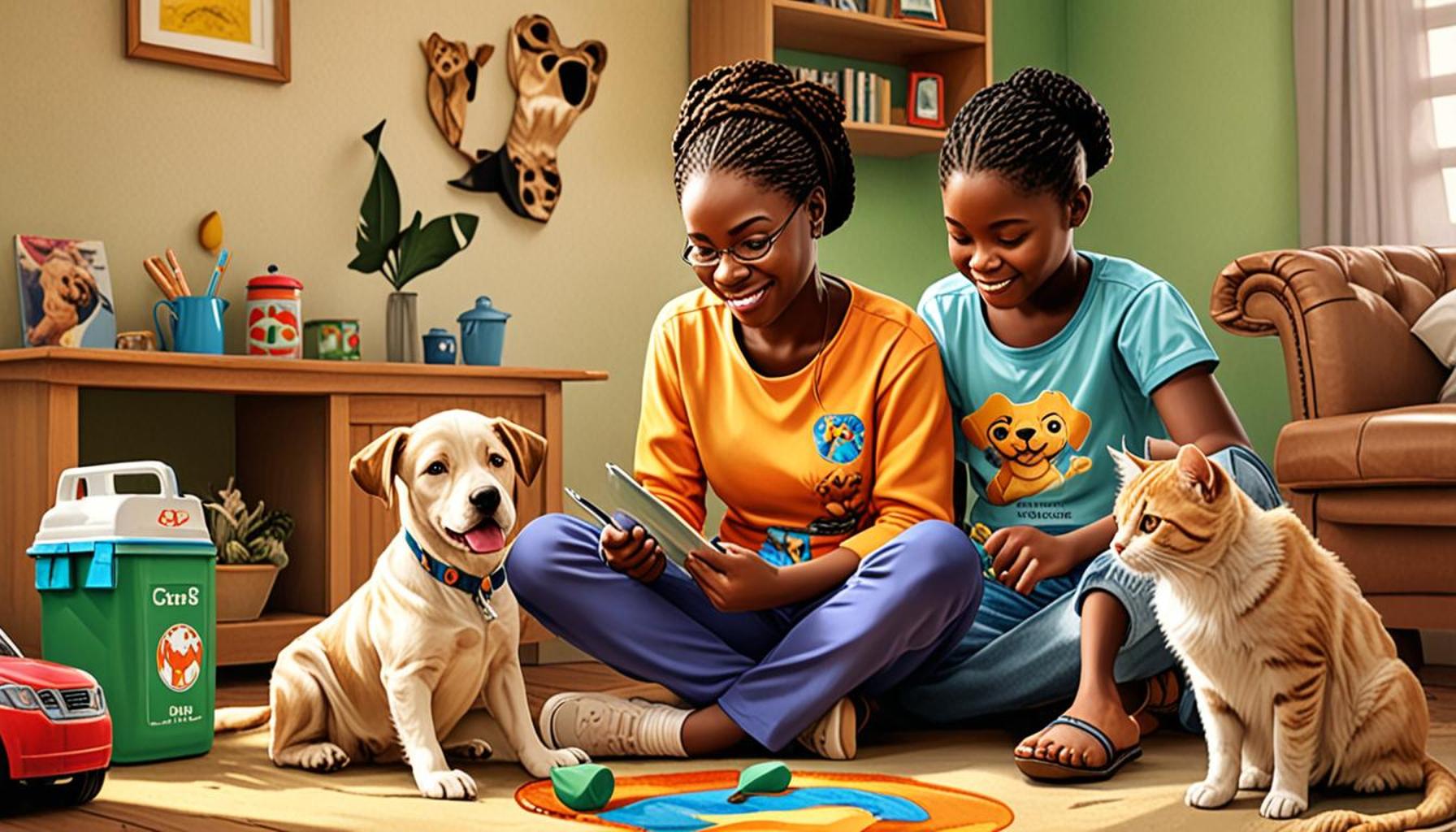
In recent years, an increasing number of families in Nigeria have recognized the profound benefits of integrating pets into their homes. This trend is not merely about companionship; it symbolizes a shift towards enhancing emotional and social development for children. Pets can serve as confidants, buddies, and even teachers in life lessons, nurturing our future generation’s empathy and interpersonal skills.
Creating a harmonious environment for both pets and children is paramount. It requires thoughtful planning and consideration, ensuring that both parties can enjoy their companionship safely and fulfillingly. Below are significant factors to consider:
- Pet Selection: The breed and temperament of a pet can greatly influence a child’s experience. For families with energetic children, breeds like Labradors or Golden Retrievers are often ideal due to their friendly demeanor and playful nature. Smaller breeds, while generally easier to manage, may not always provide the robust physical play that larger breeds can offer. Families should also consider adopting local Nigerian breeds like the Nigerian Goat or Nigerian Hairless Dog, which are well-suited to the local environment and culture.
- Space Management: It is crucial to ensure that there is ample space in the household for both children and pets to engage in their activities. Designating specific play areas or even using fences in outdoor spaces can mitigate tensions and allow for safe play. Many Nigerian families, especially those living in urban areas, may face constraints in space. In such cases, incorporating pets that require less room, such as cats or smaller dogs, could be a viable option.
- Education: Educating children on how to interact with pets safely and respectfully is critical. Lessons on gentleness, recognizing pet signals, and understanding responsibilities like feeding and walking can shape a child’s character. Workshops or local pet training classes can offer valuable insights for families looking to cultivate such interactions.
Moreover, cultural norms in Nigeria significantly shape how families approach pet ownership. Traditional beliefs around animals can mix with modern practices, leading to a unique pet care landscape. For instance, many households might initially see pets solely as utility animals for guard duties or farming, but as understanding evolves, there is growing recognition of pets as integral family members.
The benefits of responsible pet ownership for children are profound, extending from fostering lifelong friendships to developing a deeper sense of empathy and care towards other living beings. Creating an environment where children can learn about responsibility and love is a valuable investment in their future. Understanding the dynamics of pet ownership within the family setting can pave the way for a more enriched and fulfilling family life.
As pet ownership grows in popularity across Nigeria, families are encouraged to explore the various dimensions of this evolving relationship. By blending traditional values with modern pet care practices, families can create a nurturing environment that not only benefits their children but also promotes a compassionate society.

Essential Strategies for Integrating Pets into Family Life
As families in Nigeria consider welcoming pets into their homes, understanding the dynamics of pet care in relation to children becomes a vital step. It is imperative to cultivate a nurturing environment that fosters positive interactions while ensuring safety and well-being. Adopting strategic approaches can significantly enhance the experiences of both pets and children. Here are some essential strategies to consider:
- Supervision: It is crucial to maintain responsible supervision during interactions between pets and young children. Children might not fully understand the boundaries required in pet handling, and without guidance, they could inadvertently provoke or stress the animal. Setting up age-appropriate guidelines for interaction will help children learn to approach pets calmly and respectfully, reinforcing positive behavior.
- Training and Socialization: Training pets to respond to basic commands is a necessity, especially in households with children. Well-trained pets are more likely to build trust with children, providing a safer environment. Engaging a professional trainer or attending local training sessions can be beneficial. Moreover, socializing pets with kids can help them adjust to various situations, reducing anxiety and promoting friendship.
- Health Care and Maintenance: Regular health checks and vaccinations are not just a veterinary requirement but a fundamental part of responsible pet ownership. Families are encouraged to seek veterinary consultations, ensuring pets receive all the necessary preventive care. Additionally, teaching children about the importance of grooming can instill a sense of responsibility and a fundamental understanding of pet care.
Furthermore, fostering an inclusive environment requires an understanding of children’s feelings and fears. Not all children may feel comfortable or confident around animals, particularly larger breeds. Gradual exposure and allowing children to set their own pace in forming a bond with the pet can ease their apprehensions. Engaging in gentle activities such as feeding and playing can also help nurture a strong connection.
The integration of pets into families is not merely about having an animal companion; it enhances the overall family structure. In Nigeria, where community and family ties are strong, sharing the experience of pet ownership can further enhance these bonds. Pets can encourage teamwork, as families work together to care for them, fostering communication and shared responsibilities.
Ultimately, the journey towards creating a harmonious environment for children and pets rests on the foundation of understanding, respect, and a commitment to responsible pet ownership. By incorporating these essential strategies into daily routines, Nigerian families can experience the enriching and joyful benefits that come from raising children alongside their beloved pets.
| Advantage | Explanation |
|---|---|
| Enhanced Emotional Bonding | Pets provide a platform for children and parents to engage, fostering a deeper emotional connection within the family. |
| Teaching Responsibility | Involving children in pet care tasks teaches them responsibility, instilling positive values that benefit their personal development. |
| Social Development | Having pets can help children develop social skills by encouraging interaction with peers and fostering empathy toward animals. |
| Promoting Active Lifestyles | Pets encourage outdoor activities, contributing to a more active lifestyle for the entire family, which is essential for health. |
Adopting a pet in a family setting in Nigeria can profoundly enrich children’s lives, offering opportunities for learning and emotional growth. The unique environment of Nigeria can nurture these relationships, as families often have the potential resources to create a fulfilling experience for pets and children alike. From teaching responsibility to enhancing social skills, the benefits of integrating pets into family life are manifold. Explore these dynamics further to see how they play a pivotal role in shaping harmonious environments within your home.
Encouraging Cooperative Responsibilities in Pet Care
In the context of Nigerian families, instilling a sense of responsibility in children regarding pet care serves multiple benefits. By assigning age-appropriate tasks, families can promote teamwork and enhance children’s understanding of caring for another living being. Simple responsibilities such as feeding, grooming, and cleaning up after pets can not only cultivate empathy but also teach discipline and routine.
- Age-Appropriate Tasks: Younger children can help with filling food and water bowls, while older children can take on more significant duties such as walking the dog or taking the pet for vet visits. This gradual increase in responsibilities aligns with their growth and maturity, building confidence along the way.
- Involvement in Decision-Making: Allowing children to participate in decisions regarding pet care, such as choosing pet supplies or selecting treats, fosters a sense of ownership. Moreover, it encourages critical thinking skills as they weigh options and consider the needs of their pets.
- Creating a Pet Care Chart: Visual aids such as a pet care chart can serve as an effective tool. Families can create a weekly schedule displaying tasks assigned to each member, ensuring everyone is involved while fostering accountability. Such practices not only make it easier to track responsibilities but also promote unity within the household.
Additionally, teaching children about animal rights and welfare is imperative. In Nigeria, where diverse cultural beliefs may influence perceptions of animal care, instilling compassion and respect for all living beings is vital. Using local stories and parables that emphasize kindness towards animals can resonate with children, making lessons more impactful. Children should understand that pets are not just companions but members of the family who deserve love and care.
The Benefits of Pet Ownership on Child Development
Research underscores that owning pets has significant advantages on child development. Studies show that children who grow up with pets tend to exhibit higher levels of empathy, emotional maturity, and social skills. The bond that forms between children and pets can encourage nurturing behaviors, as both parties learn to communicate, thereby enhancing familial interactions.
In many Nigerian homes, children often face high-stakes academic pressures. Pets can provide a welcomed respite from this stress. Engaging with animals can help children decompress, allowing for emotional expression they may not always find with peers or adults. For instance, spending time with a playful puppy can significantly lift a child’s mood, offering both joy and relaxation.
Moreover, pets can act as great ice-breakers for children, helping them to socialize with peers. In an environment where community interaction remains crucial, a pet can serve as a common interest among children, facilitating friendships and camaraderie. Whether at the local park or during playdates, pets can be central figures in social gatherings.
Integrating these experiences into daily routines helps break down barriers, making pet ownership a central part of family culture in Nigeria. As families share responsibilities and address their pet’s needs collectively, they strengthen their bond, cultivate a nurturing environment, and promote mutual respect and understanding in the household.
Conclusion: Fostering a Harmonious Family and Pet Environment
In essence, pet care in families with children offers profound benefits that extend beyond the walls of the home, deeply influencing family dynamics and children’s development in Nigeria. The integration of responsible pet ownership practices fosters not only a nurturing environment but also instills core values such as empathy, cooperation, and compassion in children. As families work together to care for their pets, they create bonds strengthened by shared responsibilities and mutual respect.
Moreover, through hands-on experiences and decision-making roles in pet care, children learn valuable life skills and emotional regulation, which are essential for their growth. It is crucial for families to embrace the idea that pets are integral members of their household, enriching their lives with unconditional love and companionship. Engaging in local narratives and cultural perspectives can further deepen children’s understanding of animal welfare, shaping an empathetic generation.
As Nigerian families navigate the bustling demands of day-to-day life, it is essential to recognize that pets can serve as both a grounding force and a source of joy. Whether it’s a stroll in the neighborhood with a furry friend or cooperative chores at home, pets can bridge gaps, facilitating affection and unity within families. The journey of creating a harmonious environment through pet care not only benefits children but also transforms the entire family unit, contributing to a more caring society.
Ultimately, embracing the joys and responsibilities of pet ownership encourages families to cultivate an environment where both children and animals thrive, paving the way for a balanced life filled with love, learning, and laughter.