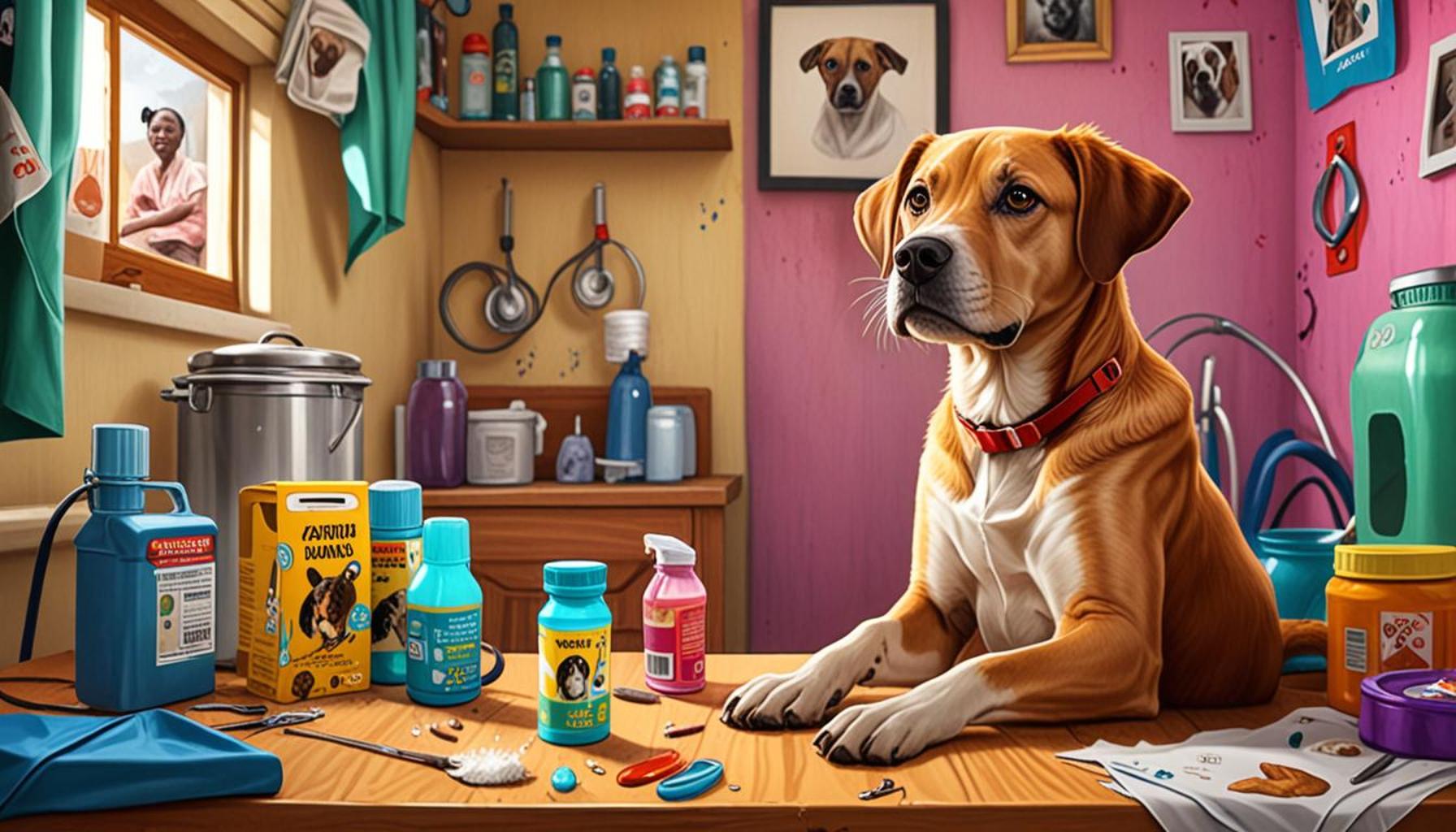
The Importance of Regular Vaccination for Pet Health in Nigeria

Understanding the Role of Vaccination in Pet Health
In Nigeria, the health of our furry companions is a topic of immense significance. Regular vaccination plays a crucial role in safeguarding pet health, preventing the spread of infectious diseases, and ensuring their longevity. With the increasing number of pets across households, understanding the importance of regular vaccination has never been more vital.
Vaccination not only protects your pet but also contributes to public health. Here are some key benefits of regular vaccination:
- Prevention of Diseases: Vaccines can prevent life-threatening illnesses such as rabies, parvovirus, and distemper. Rabies, for instance, is a viral disease that poses a significant risk to unvaccinated dogs and can be transmitted to humans. The symptoms can include aggressive behavior, hallucinations, and paralysis, ultimately leading to death. By ensuring that your pets are vaccinated, you protect them and your family.
- Cost-Effectiveness: Preventive health measures save money on potential veterinary treatments for illnesses. Treating a pet with a severe condition can quickly escalate into a financial burden, sometimes exceeding what routine vaccinations would cost over several years. Vaccinations, in contrast, provide long-term safety and can help avoid costly emergency treatments.
- Community Health: Vaccinating pets reduces the risk of zoonotic diseases that can affect humans. For example, diseases like leptospirosis can be contracted by humans through contact with an infected animal’s urine. Therefore, a vaccinated neighborhood becomes a healthier environment for all residents.
In Nigeria, diseases like rabies remain prevalent due to inadequate vaccination coverage. The World Health Organization (WHO) has reported that not only do rabies-related fatalities pose a significant threat, especially in rural areas, but the majority of cases arise from unvaccinated dogs. Recognizing the signs of vaccine-preventable diseases is essential for every pet owner. Common signs may include vomiting, diarrhea, lethargy, or unusual behavior, all of which can indicate underlying health issues.
Additionally, adhering to vaccination schedules recommended by veterinarians can significantly improve your pet’s quality of life. It is essential to follow these schedules, beginning from the time a puppy or kitten is introduced to the family. Many local veterinary clinics offer packages that include core vaccinations at a reduced cost, making it easier for pet owners to commit to their pet’s health care.
With the right information and commitment, pet owners can make informed decisions to ensure their beloved animals lead happy, healthy lives. Investing time in understanding your pet’s vaccination needs is not just about their health but also about fostering a healthier community. Explore how regular vaccination can make a difference in your pet’s health journey, and consider reaching out to local veterinary practitioners for personalized advice and vaccination services.
The Critical Timeline for Vaccination
In Nigeria, understanding the appropriate timeline for pet vaccinations is crucial for preventing illnesses that can affect not just pets, but entire communities. Vaccination schedules are specifically designed to protect pets at critical developmental stages, and adhering to them can mean the difference between a healthy, vibrant pet and one that is susceptible to disease.
The first vaccinations typically begin when a pet is a puppy or kitten. Animal health experts recommend starting vaccinations at the age of six to eight weeks. Here are some common vaccines and their recommended timelines:
- Distemper, Hepatitis, and Parvovirus: Administered in a series of three doses beginning at six to eight weeks, these core vaccines are essential for puppies and are generally combined into one shot.
- Rabies: This vaccine should be administered by 12 weeks of age to protect against this potentially fatal viral disease that affects both animals and humans.
- Feline Leukemia and Feline Immunodeficiency Virus: For kittens, these vaccines are crucial and can be given at 9 weeks and again at 12 weeks, depending on their risk of exposure.
Moreover, it is critical for pet owners to remember that just administering the first set of vaccines is not enough. Regular booster shots are equally important to maintain immunity, and these should be scheduled as per veterinary advice. In Nigeria, local veterinarians often provide informative sessions and pamphlets that outline a comprehensive vaccination plan tailored to your pet’s specific needs.
Many Nigerian pet owners might wonder why certain vaccines seem more essential than others. The answer lies in the prevalent diseases in the region, such as rabies and parvovirus, which can decimate unvaccinated populations. For instance, rabies remains a significant public health risk with over 50% of cases linked to dogs with unknown vaccination histories. By vaccinating pets against these diseases, owners can significantly reduce the spread and incidence of such life-threatening conditions within their communities.
Additionally, fostering an understanding of vaccination in pets transcends the immediate concerns of pet ownership. It plays a substantial role in controlling wildlife disease transmission, especially in rural areas where cross-species interactions are common. The integration of regular vaccination into the routine health care of pets not only promotes their well-being but also contributes to preserving the broader ecological balance.
As more pet owners recognize the importance of vaccination, it is crucial to encourage a culture of responsibility that encompasses both individual pet care and communal awareness. The combined effort will lead to healthier pets and a healthier populace. For those interested in safeguarding the health of their pets and the community, reaching out to local veterinarians for vaccination information is a vital step.
| Advantage | Description |
|---|---|
| Prevention of Diseases | Regular vaccinations shield pets from fatal diseases such as rabies, parvovirus, and distemper, which are prevalent in many Nigerian regions. |
| Enhancing Longevity | Vaccination not only protects pets from immediate health threats but also contributes to a longer and healthier life, significantly reducing the overall mortality rate among household pets. |
Routine vaccination is essential for maintaining not just individual pet health, but also the broader community’s health in Nigeria. With an awareness of local disease outbreaks, pet owners can better protect their furry friends and ensure operational health in neighborhoods. Vaccination programs organized by local veterinary clinics play a vital role in disseminating information and facilitating access to these life-saving interventions. The value of vaccinations cannot be overstated; as such, pet owners are encouraged to remain committed to vaccination schedules and consult their veterinarians regularly to keep their pets safe from prevalent infections.
Understanding Vaccine Types and Their Roles
In Nigeria, familiarizing oneself with the various types of vaccines available for pets can empower pet owners to take informed steps towards achieving optimal pet health. Vaccines can generally be classified into two categories: core vaccines and non-core vaccines.
Core vaccines are considered essential for all pets, providing protection against serious and prevalent diseases in the region. Core vaccines for dogs include canine distemper virus (CDV), canine adenovirus (CAV), and canine parvovirus (CPV). These pathogens are known for their severe impact on dog populations, and an outbreak can lead to significant mortality rates. Kittens are generally administered core vaccines such as the feline viral rhinotracheitis, calicivirus, and panleukopenia virus. Early and consistent vaccinations are vital to safeguard young pets before they are fully exposed to their environments.
On the other hand, non-core vaccines are recommended based on individual pet needs and potential exposure to specific diseases. For dogs, non-core vaccines can include the Bordatella bronchiseptica vaccine, which protects against kennel cough—an ailment particularly common among dogs that frequent social settings or boarding facilities. For cats, the feline leukemia virus vaccine (FeLV) can be significant for those that are allowed outdoors and may encounter infected feral or stray cats.
The availability and utilization of these vaccines vary across different regions in Nigeria. Urban areas like Lagos, Abuja, and Port Harcourt often have better access to veterinary services, which makes it easier for pet owners to keep track of their pets’ vaccination schedules. However, residents in rural regions may face challenges, such as limited access to veterinary clinics and awareness of vaccination importance. This discrepancy needs addressing to ensure that pet health is prioritized consistently across the country.
Moreover, pet vaccination contributes to community health through the concept of herd immunity. When a significant portion of the pet population is vaccinated, it helps to create a protective barrier against the spread of diseases, shielding those that are unvaccinated or have weaker immune systems. This has critical implications in Nigeria, where rabies remains a public health concern, and vaccination is vital for reducing transmission rates from infected animals to humans.
Identifying the right vaccines for your pet can also involve considering breed predispositions. For example, some dog breeds are more prone to specific health issues, which can be mitigated through timely vaccination. Consulting with a local veterinarian can also illuminate any unique health risks associated with specific regions or lifestyles.
In the quest to maintain pet health, awareness around the importance of vaccination should resonate even beyond individual households. It fosters a sense of community responsibility where each pet owner contributes to the broader fight against zoonotic diseases. Therefore, as pet parents embrace consistent vaccination for their furry companions, they also become vital players in promoting public health and ecological balance in Nigeria.
Conclusion
In conclusion, the importance of regular vaccination for pet health in Nigeria cannot be overstated. As pet owners, understanding the significance of both core and non-core vaccines is crucial for the well-being of our furry companions. Vaccination not only protects individual pets from deadly diseases but also serves as a vital community health strategy by promoting herd immunity. This is especially pertinent in Nigeria, where public health issues like rabies pose a severe threat to both animals and humans.
The disparity in vaccine access between urban and rural areas highlights the need for increased awareness and infrastructure development. As more pet owners take responsibility for vaccinating their pets, it is essential to advocate for better veterinary services across the nation. Furthermore, regular consultations with veterinarians allow for personalized vaccination plans tailored to each pet’s unique needs, considering various factors, such as breed and environment.
Ultimately, fostering a culture of consistent vaccination will lead to healthier pets and a safer community. As pet parents in Nigeria embrace their roles in disease prevention, they contribute to a larger fight against zoonotic diseases and enhance the overall ecological balance. By prioritizing the vaccination schedule, we ensure not only the longevity and health of our pets but also the well-being of families and communities at large.
It is time to act and evaluate how we can drive this message home: Vaccination is not just a responsibility; it is a commitment to the health of our pets and the safety of our communities.