The Importance of Balanced Nutrition for the Long-Term Health of Dogs and Cats
Understanding the Role of Nutrition in Pet Health
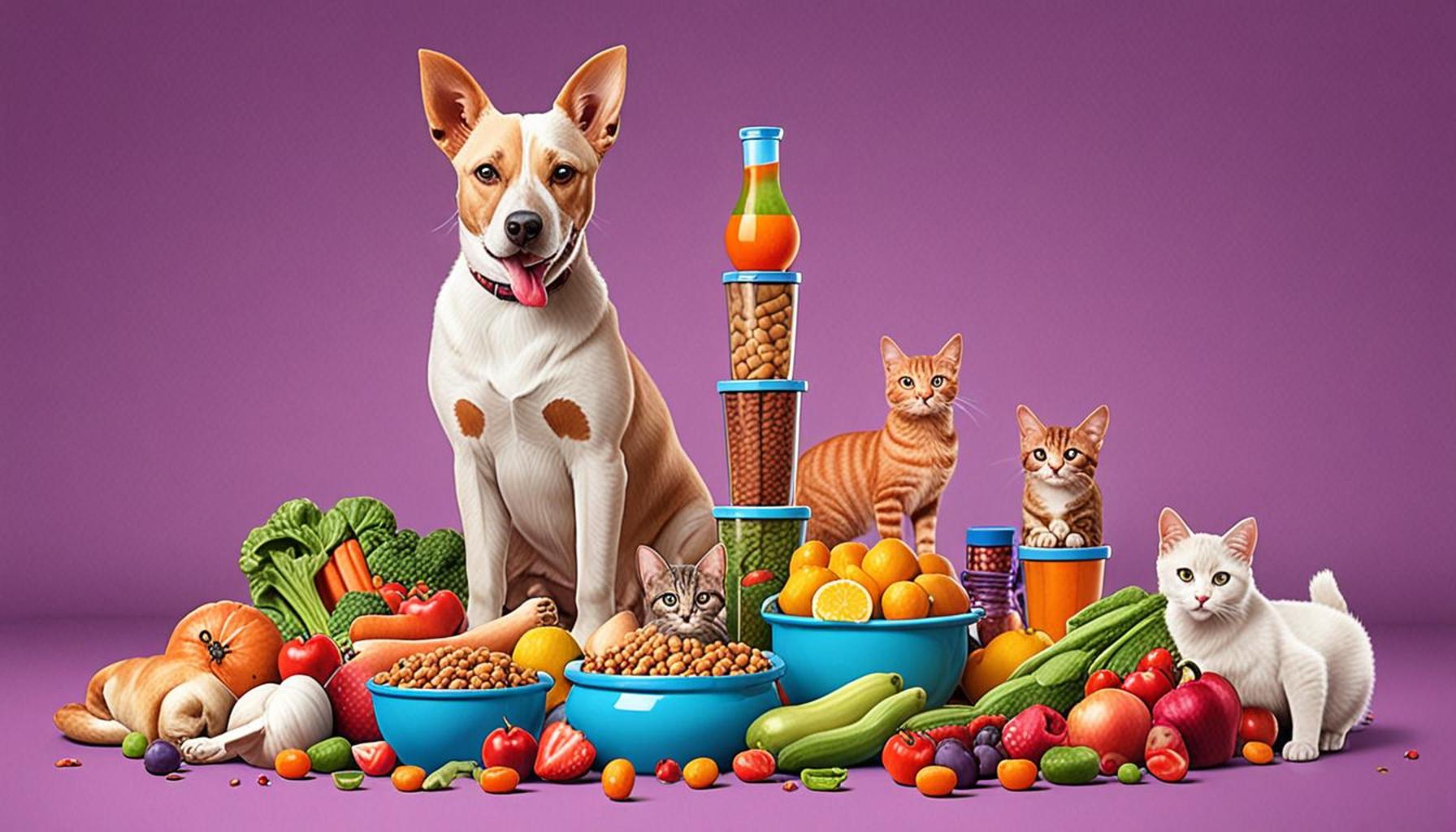
When it comes to our beloved dogs and cats, the phrase “you are what you eat” rings profoundly true. Balanced nutrition is not just a trend; it’s a vital component for the long-term health of our furry companions. Ensuring they receive the right nutrients can prevent a host of health issues and enhance their quality of life.
Key Benefits of Balanced Nutrition
- Enhanced Longevity: Proper nutrition can significantly extend the lifespan of pets, with studies indicating that pets on well-rounded diets often live 20% longer than those fed low-quality food.
- Improved Vitality: A balanced diet promotes energy levels and overall well-being, allowing pets to engage in regular play and exercise, which is essential for mental health as well.
- Prevention of Diseases: Nutritional balance can help ward off common ailments such as obesity, diabetes, and even certain types of cancer, thereby reducing veterinary costs over time.
In Nigeria, where many pet owners may rely on local food sources like rice, beans, or leftover meals for their pets, understanding the specific nutritional needs of dogs and cats becomes crucial. Many animals suffer from malnutrition due to inadequate diets, which can lead to obesity, heart diseases, and digestive issues. For instance, pets fed predominantly on starchy foods may not get sufficient proteins or essential fatty acids, impacting their health negatively.
Components of a Balanced Diet
- Proteins: Essential for growth and muscle development, proteins are found in meats, fish, and eggs. For example, incorporating local fish like catfish can provide protein while also contributing omega-3 fatty acids beneficial for skin and coat health.
- Carbohydrates: Provide necessary energy for daily activities. However, it’s essential to balance the quantity, as too many carbs can lead to weight gain. Whole grains like oats and sweet potatoes are healthier carbohydrate options.
- Vitamins and Minerals: Support immune function and overall health. Fresh fruits and vegetables such as carrots, spinach, and pumpkin can supply vital vitamins while also serving as tasty treats.
By gaining insight into the significance of balanced nutrition, pet owners can take actionable steps toward enriching their pets’ lives. Choosing to incorporate a mix of high-quality commercial pet food with home-cooked options can create a more nutritionally complete diet. Regular consultations with veterinarians can provide tailored dietary advice based on the specific needs of the pet.
This article will explore various elements of pet nutrition, providing valuable information that empowers pet owners in Nigeria and beyond to ensure their furry friends thrive for years to come. By understanding what goes into their pet’s bowl, owners can make informed choices that lead not only to healthier pets but also to happier homes.
YOU MAY ALSO LIKE: Read read another article

Essential Nutritional Elements for Dogs and Cats
Understanding the core components of balanced nutrition is critical for those looking to maintain the long-term health of their pets. Dogs and cats have unique dietary requirements, and neglecting these can lead to significant health risks. In Nigeria, where traditional feeding practices are common, many pet owners may not be aware of the specific nutritional needs of their furry companions. Let’s break down the essential elements of a balanced diet that promote optimal health and longevity.
Proteins: The Building Blocks of Health
Proteins are crucial for your pet’s growth, muscle development, and immune function. They consist of amino acids that aid in cell repair and overall body function. High-quality protein sources include local meats like goat, chicken, and fish, which not only provide necessary proteins but also essential fatty acids like omega-3s. These fatty acids are known to improve coat quality and maintain a healthy skin barrier. Pet owners should aim for a protein source to be the first ingredient in their pet’s food.
Carbohydrates: Energy and Digestive Health
While proteins are vital, carbohydrates also play a significant role in a dog or cat’s diet by providing the energy needed for daily activities. Nevertheless, the quality of carbohydrates is essential, as not all carbs are equal. Whole grains like brown rice, millet, and oats can be healthier options compared to refined grains. However, for pets that may struggle with digestive issues, incorporating easily digestible carbohydrates such as sweet potatoes can be beneficial. Over-reliance on starchy foods can lead to obesity, so moderation is key.
Vitamins and Minerals: Supporting Overall Well-Being
Vitamins and minerals are indispensable for maintaining your pet’s immune system, bone health, and metabolic functions. Natural sources of vitamins and minerals are often found in fresh fruits and vegetables. For instance, carrots are excellent for eye health, while spinach is rich in iron and antioxidants. However, many commercial pet foods may lack adequate amounts of fruits and veggies, making it essential for owners to supplement their pet’s diet appropriately.
- Calcium: Important for bone structure and dental health.
- Omega Fatty Acids: Promote healthy skin and coat.
- Antioxidants: Help in reducing inflammation and fighting diseases.
As pet owners become increasingly aware of the implications of balanced nutrition, they can take steps to incorporate a variety of foods into their pets’ diets. This may involve blending high-quality commercial pet food with wholesome, home-cooked options, effectively creating a more nutritionally complete diet. Moreover, regular discussions with veterinarians can help tailor dietary recommendations suited to individual pets. By prioritizing balanced nutrition, pet owners in Nigeria can invest in their pets’ long-term health and happiness, ensuring more years of companionship filled with vitality and joy.
The Role of Nutrients in Pet Health
Balanced nutrition is not merely about filling a bowl with food; it’s a precise composition of essential nutrients that contribute directly to the well-being and longevity of your pets. Dogs and cats require a mix of protein, carbohydrates, fats, vitamins, and minerals for optimal health. Each of these plays a unique role in their body, influencing everything from energy levels to immune response.Proteins, found predominantly in meat and fish, are crucial for growth and tissue repair. They support muscle development and maintain skin and coat health. For instance, a well-balanced protein source can improve not just the physical appearance of your pet, but also enhance their vitality and resilience against diseases.Fats, often overlooked by pet owners, are necessary for energy and cell function. They also aid in the absorption of fat-soluble vitamins. Healthy fats such as omega-3 and omega-6 contribute to a shiny coat and healthy skin, while also possessing anti-inflammatory properties that can support joint health.On the other hand, carbohydrates provide a readily available source of energy. They are vital for dogs, particularly those who lead active lifestyles. While cats, as obligate carnivores, require fewer carbohydrates, the right amounts can still play a beneficial role in their diet.The inclusion of vitamins and minerals, such as calcium, phosphorus, and vitamin D, is paramount for maintaining structural integrity in bones and teeth, alongside promoting overall metabolic health. Deficiencies or imbalances in these nutrients can lead to gastrointestinal issues and diminished immune function.Investing in balanced nutrition for your pets means doing more than feeding them; it is about enhancing their quality of life and extending the time spent together. Whether it’s opting for premium commercial foods or preparing home-cooked meals, ensuring the correct nutritional balance remains crucial.
Understanding Dietary Needs by Life Stage
Every phase of a pet’s life demands a different nutritional focus. For puppies and kittens, the emphasis lies on growth and development, necessitating higher protein and calorie intake. In contrast, adult pets generally require a maintenance diet designed to sustain optimal body weight and health but may need adjustments for specific health concerns as they age.Senior pets often face unique challenges, such as decreased metabolism and increasing health issues. Diets rich in antioxidants, fiber, and low in calories can help manage these concerns, aiding in weight control and supporting organ health. Understanding these dietary needs can be instrumental in preventing obesity and ensuring a longer, healthier life for our beloved companions.As research continues to advance our understanding of animal nutrition, staying informed about the best dietary practices becomes fundamental for any pet owner committed to their furry friends’ long-term health. Emphasizing balanced nutrition serves not just as a responsible choice but as an essential investment in their future.
RECOMMENDED: Check out this similar article
Recognizing the Impact of Diet on Health Issues
The relationship between balanced nutrition and the long-term health of dogs and cats transcends mere dietary habits; it directly influences their susceptibility to a range of health issues. Pet owners in Nigeria, often from diverse backgrounds, may not fully realize that making informed dietary choices can prevent chronic conditions, thereby enhancing the quality of life for their pets. Understanding these impacts is essential in nurturing healthier companions.
Obesity: An Increasing Concern
One of the most pressing issues facing pets in Nigeria today is obesity. With the rising trend of overfeeding and the availability of highly palatable but calorie-dense foods, many pets are becoming overweight. This excess weight can lead to a plethora of health problems like diabetes, arthritis, and cardiovascular diseases. According to a survey from a leading veterinary practice, over 50% of dogs and cats in urban areas are classified as overweight. To combat this, pet owners should prioritize a balanced diet that includes appropriate portion sizes and low-calorie snack alternatives, such as sliced cucumber or carrots, over traditional treats.
Dental Health: The Overlooked Component
Dental health often goes unnoticed, yet it is a foundational aspect of a pet’s overall wellness. A diet lacking in essential nutrients can lead to periodontal disease, which not only affects a pet’s ability to eat but can also result in more severe health complications, such as heart disease. Incorporating crunchy kibble or dental chews can help maintain oral hygiene, but it’s crucial to ensure these products are made with natural ingredients that support dental health without contributing to weight gain.
Allergies and Sensitivities: The Diet Connection
Another growing concern for many pet owners is the rise of food allergies and sensitivities. Symptoms like itching, gastrointestinal disturbances, and skin infections may often be linked to an imbalanced diet. Local food ingredients, such as grains and proteins, can trigger reactions in some pets. A study conducted by a veterinary clinic in Lagos indicates that approximately 10% of dogs suffer from food-related allergies. Pet owners should be vigilant in observing any adverse reactions after introducing new foods. Consulting with veterinarians to implement elimination diets—where specific ingredients are removed and gradually reintroduced—can help identify and address these issues.
Home Cooking vs. Commercial Diets
The choice between home-cooked meals and commercial pet foods is often a subject of dilemma for many pet owners. While home-cooked diets allow for customization and the use of fresh ingredients, there is a risk of nutritional imbalance if not properly formulated. In contrast, high-quality commercial foods generally provide comprehensive nutritional profiles designed for pet health, but they may contain preservatives or fillers. Hence, it becomes essential for pet owners to do thorough research, comparing brand ingredients and consulting veterinarians to find the best option suited for their furry friends’ needs.
As awareness of the ramifications of pet nutrition grows, it empowers owners across Nigeria to take proactive measures in tailoring their pets’ diets. Recognizing the significance of balanced nutrition in relation to health issues helps cultivate a culture of care that elevates the well-being of beloved companions, ensuring they lead vibrant and fulfilling lives.
LEARN MORE: This related article may interest you
Concluding Thoughts on the Significance of Balanced Nutrition
In summary, the journey towards ensuring the long-term health of our canine and feline companions begins with a commitment to balanced nutrition. Pet owners in Nigeria must recognize that the dietary choices they make not only affect their pets’ immediate well-being but also lay the groundwork for a healthier future. As highlighted, issues such as obesity, dental health, and food allergies are direct manifestations of nutritional decisions, showcasing the pressing need for informed choices.
The diverse food sources available in Nigeria present both a challenge and an opportunity for pet owners. Striking the right balance between local ingredients and necessary nutrients is crucial in preventing health complications and fostering vitality. Moreover, the consideration of commercial diets versus home-cooked meals should be approached with careful deliberation, ensuring that every meal is nutritionally adequate and suited to each pet’s unique needs.
As we continue to grow in our understanding of pet nutrition, we encourage all pet owners to collaborate closely with veterinarians, engage in ongoing education, and invest time in researching quality pet food options. With a robust diet in place, we can enhance the longevity and quality of life for our beloved dogs and cats, ensuring they thrive as joyous members of our families.
Balanced nutrition is not just a dietary choice; it is a pivotal commitment to the health and happiness of our pets that will resonate for years to come. Together, let us embrace this responsibility, creating thriving environments for our furry friends.