Behavioral Care Train Your Pet for a Harmonious Home Life

Creating Harmony at Home with Your Pet
In today’s fast-paced world, having a well-behaved pet can greatly enhance the quality of life for both pets and their owners. Understanding and implementing behavioral care techniques is essential for fostering a peaceful environment where pets thrive. This article explores effective training methods that can transform your pet into a cherished companion.
With the rise in pet ownership, more families are seeking ways to improve their pets’ behavior. A harmonious home life reduces stress and creates lasting memories, making behavioral training relevant now more than ever. Here are some key benefits of investing time in your pet’s training:
- Strengthened bond between pet and owner
- Improved socialization skills for your pet
- Reduction in destructive behavior
- Greater safety for both pets and humans
- Enhanced overall well-being for the pet
To guide you on this journey, we will take a closer look at the Top 5 behavioral care tips that can help you train your pet for a peaceful and happy coexistence in your home.
Top 5: Behavioral Care Tips – How to Train Your Pet for a Harmonious Coexistence at Home
Creating a harmonious home environment is a desire shared by many pet owners, yet this can often be a challenging task. Pets, especially in their early stages, can exhibit unpredictable behaviors that strain relationships within a household. However, with diligent training and understanding of a pet’s needs, this balance can be achieved seamlessly. Below, we present the top five behavioral care tips to help you train your pet, ensuring a peaceful and integrated coexistence at home.
5. Establish a Routine
Routines are not just a trivial part of daily life; they are foundational to achieving effective behavioral care. Just as humans often find comfort and efficiency in structured schedules, so do pets. Establishing a regular routine is crucial as it introduces predictability, which is incredibly comforting for animals.
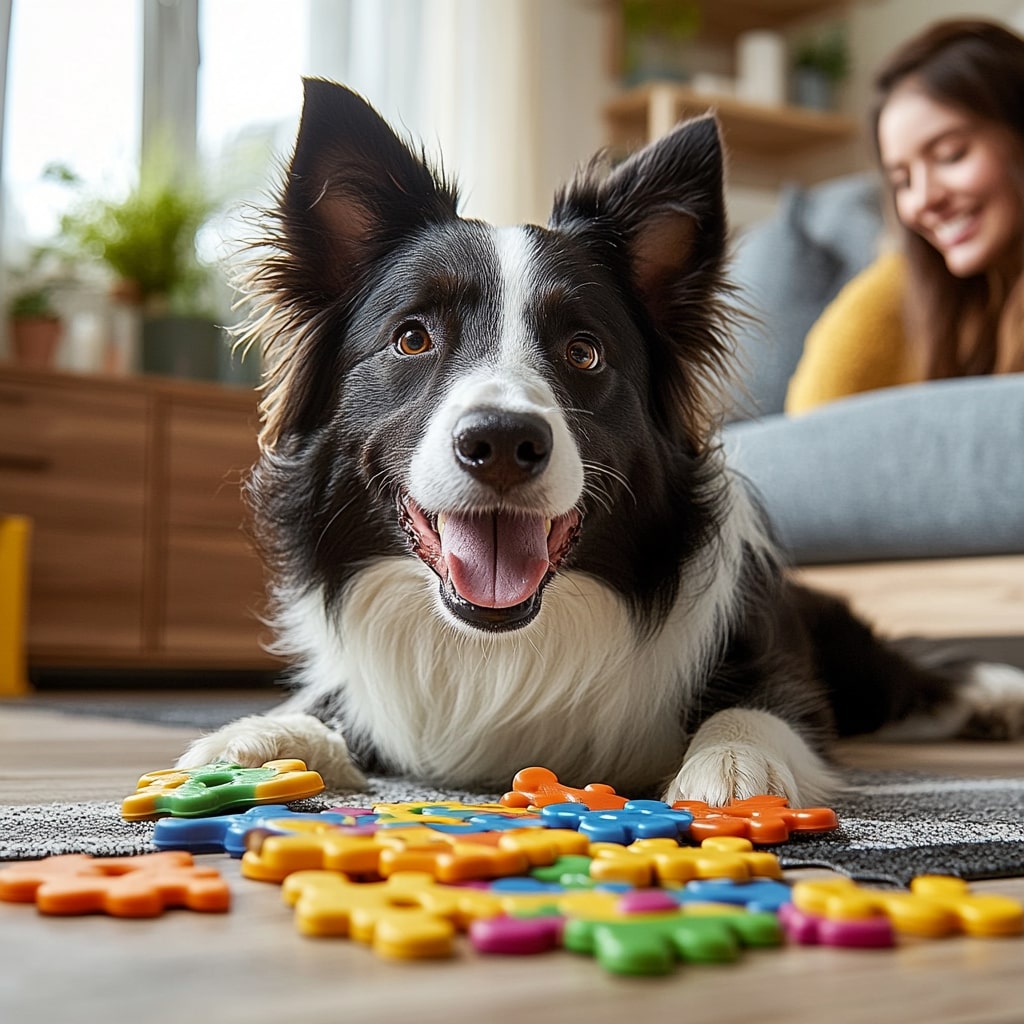
Regular feeding times ensure that your pet receives nutrition consistently, helping them feel secure and cared for. Similarly, having consistent walking hours helps your pet use up energy that might otherwise be directed toward destructive behaviors. Scheduled playtimes provide a mental and physical outlet, reducing restlessness and anxiety.
For instance, a dog accustomed to a morning walk may exhibit more obedient behavior throughout the day. Similarly, cats with interactive play sessions install themselves into the household rhythm, adapting to human schedules more smoothly. By embracing a structured routine, you substantially reduce the likelihood of behavioral issues, creating an environment where you and your pet coexist peacefully.
4. Positive Reinforcement
Positive reinforcement is a cornerstone of effective pet training. It is a kinder, more effective alternative to punishment-based training methods, which can often lead to fear and confusion rather than genuine understanding. Positive reinforcement works by associating desired behaviors with pleasant outcomes, making pets more likely to repeat those behaviors in the future.
For example, if your dog sits on command, rewarding it immediately with a treat reinforces this good behavior. This method can extend beyond treats; verbal praise in a cheerful tone or initiating playtime can serve as excellent motivators. The versatility of positive reinforcement allows you to personalize training according to what your pet finds most rewarding.
Moreover, this approach helps to build a stronger bond between you and your pet, based on trust and mutual respect. As a result, training sessions become engaging and effective, transforming potentially frustrating situations into opportunities for connection and learning.
3. Socialization
Socialization is a vital aspect of raising a healthy, balanced pet. Proper socialization extends beyond merely introducing your pet to new environments; it involves a comprehensive approach to exposing them to various stimuli, helping them adapt confidently to different settings.
Visits to dog parks or pet-friendly establishments can provide your pet with crucial experiences interacting with other animals and humans. These interactions reduce the likelihood of aggressive or fearful behavior. Arranging playdates with other pets aids in developing essential social skills.
Furthermore, exposing your pet to a range of sounds and sights can desensitize them to potentially frightening or overwhelming situations later. The idea is to nurture a curious rather than a fearful outlook, teaching pets to approach the world with confidence and ease. A well-socialized pet is often a joy to be around and makes for a more harmonious household.
2. Consistency in Training Commands
The concept of consistency in training cannot be overstated. Pets, much like young children, thrive when given clear and consistent instructions. Inconsistencies in commands can lead to confusion and slow progress, hindering effective training.
Ensure that when you give commands, they are precise and uniform. For example, consistently using “sit” rather than “sit down” helps your pet clearly understand what is expected. It is also crucial to involve all family members in the training process, ensuring that everyone uses the same commands and reinforcement techniques.
This consistency should be maintained in various environments, reinforcing the idea that good behavior is expected at home and in public. The more systematically you approach this, the quicker and more effectively your pet learns, leading to a more cohesive and peaceful coexistence.
1. Understanding Your Pet’s Body Language
The most profound method of improving communication between you and your pet is by understanding their body language. Pets communicate their emotions and needs primarily through physical cues, and recognizing these signals can significantly mitigate potential issues.
Interpreting signals such as tail position, ear movement, and overall posture can offer valuable insights into their emotional state. For instance, a high tail generally signifies happiness or excitement, while a low tail can indicate fear or submission. Ears perked up often suggest alertness or interest, whereas flattened ears may signal discomfort or fear.
An understanding of these cues can guide you in responding appropriately, whether it’s offering comfort, addressing anxiety, or encouraging confidence. By creatively engaging with your pet’s emotional expressions, you foster an environment of empathy and respect, crucial for a harmonious relationship.
In essence, the journey toward a harmonious living environment with your pet is rewarding and enlightening. By embracing and implementing these behavioral care practices, you pave the way for a thriving bond characterized by mutual understanding and respect. Start today, and watch your furry friend grow into a well-mannered, delightful companion. As you deepen this relationship, both you and your pet will experience the joy and contentment of a harmonious home.
| Category | Key Features |
|---|---|
| Positive Reinforcement | Employing reward-based techniques for behaviors such as sitting, staying, or coming when called enhances the bond with your pet and promotes a desire to learn. |
| Structured Environment | Setting up a predictable schedule for feeding, playtime, and training helps your pet feel secure and can reduce anxiety and behavioral issues. |
| Socialization | Exposing your pet to various settings, people, and other animals fosters confidence and helps mitigate fears that may lead to aggressive or fearful behaviors. |
| Consistency | Using a consistent set of commands and cues helps your pet understand what is expected, leading to better behavioral outcomes during training sessions. |
Frequently Asked Questions: Harmonious Living with Your Pet
How can I prevent my pet from developing aggressive behavior at home?
Aggressive behavior in pets can stem from a variety of sources, including fear, frustration, and territoriality. It’s crucial to identify the trigger behind these behaviors. Socialization plays a key role in mitigating aggression. Introducing your pet to different environments, people, and other animals during their formative stages can help them adapt better. Also, ensure you provide sufficient mental and physical stimulation as pets often resort to aggression due to boredom. Remember, **consistency in training** is vital for fostering a calm demeanor.
What are the best techniques for house training my pet?
Successful house training involves patience and a consistent routine. Establish a strict schedule for bathroom breaks, feeding, and playtime. Positive reinforcement is an effective strategy; reward your pet with treats or verbal praise when they exhibit desired behaviors. **Monitor their behavior** closely and look for signs that they need to go outside. Additionally, selecting a designated bathroom area and taking your pet there regularly can reinforce the habit. Keep in mind, accidents may happen, so patience is key.
Why is it important to understand my pet’s body language?
Understanding your pet’s body language is essential for effective communication. Pets use body language to express discomfort, happiness, fear, and a plethora of other emotions. Recognizing these signals allows you to address their needs promptly and improve your bond with them. For instance, a wagging tail often indicates excitement or happiness in dogs, whereas flattened ears in cats can be a sign of anxiety or aggression. By interpreting these signals correctly, you can **ensure a peaceful cohabitation** and prevent potential behavioral issues.
How do I introduce a new pet to an existing one?
Introducing a new pet to your household requires careful planning and patience. Start by **keeping them in separate areas** and allowing them to get used to each other’s scent by swapping bedding or toys. Gradually introduce them through controlled, supervised meetings. Ensure both pets have their own space and resources, such as food bowls and sleeping areas, to avoid territorial disputes. Be patient and allow time for bonds to form, and intervene if you notice any aggression or discomfort.
What should I do if my pet is exhibiting destructive behaviors?
Destructive behaviors in pets can be troubling, but they are often a sign of underlying problems such as anxiety, boredom, or lack of exercise. Identifying the root cause is the first step in addressing these behaviors. **Increasing mental and physical stimulation** through interactive toys, play sessions, and regular walks can help. Additionally, consider training sessions to redirect their energy positively. If the behavior persists, consulting a pet behaviorist may provide further insights and solutions.
Conclusion
Training your pet for a harmonious coexistence at home is much more than just teaching basic commands. It is about understanding their behavior, needs, and how they perceive the world around them. Throughout the article, we’ve highlighted the importance of consistency, positive reinforcement, and patience in building a strong and trusting relationship with your pet. These elements form the cornerstone of successful behavioral care and training.
By managing expectations and maintaining realistic goals, pet owners can create a nurturing environment that encourages learning and adaptation. Moreover, regular socialization and mental stimulation play critical roles in preventing behavioral issues, ensuring that pets remain engaged and content. Establishing a routine not only helps in reducing anxiety but also fosters a sense of security, making it easier for pets to adjust and thrive in their home environment.
Ultimately, the commitment to understanding and nurturing your pet’s behavior pays off significantly in the form of a well-adjusted, happy companion. Training should never be a one-size-fits-all approach, and as suggested, seeking professional advice when necessary can provide tailored techniques that cater to individual needs.
As pet ownership continues to grow, the emphasis on behavioral care becomes increasingly vital. The collective goal is to ensure that pets, as integral members of our families, coexist comfortably and contentedly among us. By prioritizing their behavioral training, we enhance not just their lives but also the quality of our shared experiences at home.
In conclusion, the journey of training your pet is ongoing and dynamic. Embracing it with an open mind can lead to a more harmonious and mutually enriching relationship, inviting pet owners to discover deeper bonds with their beloved companions.