Menu

How Pet Training Can Contribute to Social Inclusion

Pet training serves as a powerful tool for social inclusion, fostering community bonds and empowering diverse individuals. By encouraging interaction among different social groups, it breaks down barriers and enhances mental well-being. As communities unite through shared experiences, pet training becomes essential for creating inclusive environments.

The Influence of the Environment on Animal Behavior During Training

The article explores how environmental factors significantly influence animal behavior during training. Key elements such as physical surroundings, social dynamics, and cultural context affect learning outcomes. By understanding these influences, trainers can optimize their methods, enhancing animal responsiveness and fostering stronger connections between animals and their environments.

Pet Training for Children: How to Engage Little Ones in Learning

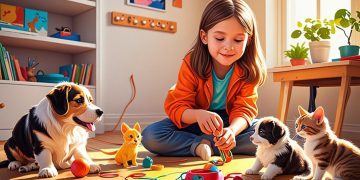
Engaging children in pet training fosters valuable life skills like responsibility, empathy, and patience. By incorporating fun activities and creative approaches, children learn to bond with their pets, enhance communication skills, and develop social interactions. This enriching experience prepares them to become compassionate and responsible individuals in society.

How to Use Games and Play for Puppy Training

Engaging your puppy through games transforms training into a fun adventure, enhancing communication and good behavior. Incorporating play fosters a strong bond, improves focus, and encourages socialization. By embracing playful techniques, you effectively develop your puppy's skills while ensuring a happy, well-adjusted companion.

Training Exotic Animals: Challenges and Effective Approaches

Training exotic animals presents unique challenges, including understanding their behaviors and fostering trust between trainers and animals. Effective approaches, such as positive reinforcement and enrichment activities, promote animal well-being while respecting ethical considerations. Emphasizing cultural relevance enhances training methods, paving the way for more humane wildlife interactions.

The Evolution of Dog Training Techniques in Nigerian Culture

The evolution of dog training techniques in Nigeria blends traditional practices with modern influences, reflecting cultural heritage and community values. As urbanization grows, techniques shift towards positive reinforcement, enhancing emotional bonds between dogs and owners. Accessibility to resources and technology fosters ethical training and deeper understanding of canine welfare.

The Importance of Cat Training: Tips for Harmonious Living

Effective cat training is essential for fostering a harmonious living environment. It enhances communication, improves behavior, and promotes socialization, making cohabitation enjoyable. Utilizing positive reinforcement and consistency helps build a strong bond, ensuring a well-adjusted cat that thrives in the home while reducing stress for both pet and owner.

The Importance of Pet Training for Family Safety

Pet training is essential for enhancing family safety, fostering positive interactions, and ensuring a harmonious home environment. By investing in training, families can manage pet behavior, prepare for emergencies, and promote socialization, ultimately creating a secure atmosphere for both pets and humans while reducing risks of accidents and stress.


The Role of Training in Preventing Behavioral Problems in Pets

Training pets is essential for preventing behavioral problems and fostering a harmonious relationship. Early and consistent training techniques, such as positive reinforcement and socialization, can address issues like aggression and anxiety. By investing in proper training, pet owners enhance communication and build trust, ensuring a happier, well-adjusted companion.

The Impact of Pet Training on the Mental Health of Owners

Pet training enhances the mental health of owners by fostering emotional bonds, reducing stress, and promoting cognitive engagement. As pets become companions in urban Nigeria, training empowers owners to develop patience, empathy, and structured routines, ultimately improving overall well-being while alleviating feelings of anxiety and isolation.