Effective Cat Training Techniques for Pet Owners in Nigeria
Understanding the Importance of Cat Training
In a country where cats are increasingly becoming popular pets, especially in urban settings, the need for effective training techniques cannot be overstated. Proper cat training not only fosters a harmonious relationship between pets and their owners but also ensures a well-adjusted feline companion. With the right approach, even the most stubborn of cats can learn essential behaviors that will enhance their quality of life.
Why Training Matters
- Improved Behavior: Trained cats are less likely to engage in destructive behaviors.
- Enhanced Bonding: Training fosters communication and builds trust between cats and their owners.
- Convenience: A well-trained cat can adapt better to various living situations.
This article will explore the top five effective training techniques specifically tailored for cat owners in Nigeria. By understanding and implementing these methods, you can create a positive training experience for you and your beloved pet.
Top 5 Effective Cat Training Techniques for Pet Owners in Nigeria
Understanding how to train a cat can significantly enhance the relationship between the pet and its owner. Many cat owners in Nigeria often struggle with training their feline friends, yet proper techniques can make all the difference. This article explores the top five effective cat training techniques that can assist pet owners in achieving a harmonious living environment with their cats. By delving into these methods, pet owners can learn how to foster a cooperative and enjoyable relationship with their beloved pets.
5. Using Positive Reinforcement
One of the most fundamental principles of training a cat is through positive reinforcement. This technique involves rewarding your cat for desirable behavior rather than punishing them for bad behavior. The reward can be in the form of treats, praise, or playtime. The key is to ensure that the reward is given immediately after the desired action to create a clear connection between the behavior and the reward.
In Nigeria, where many cat owners might be unaccustomed to training their pets, starting with simple commands can be effective. For instance, getting your cat to come when called can initially be reinforced with treats. As the cat begins to respond consistently, you may gradually reduce the frequency of treats. This method builds trust and encourages cats to learn new tricks without fear of punishment.
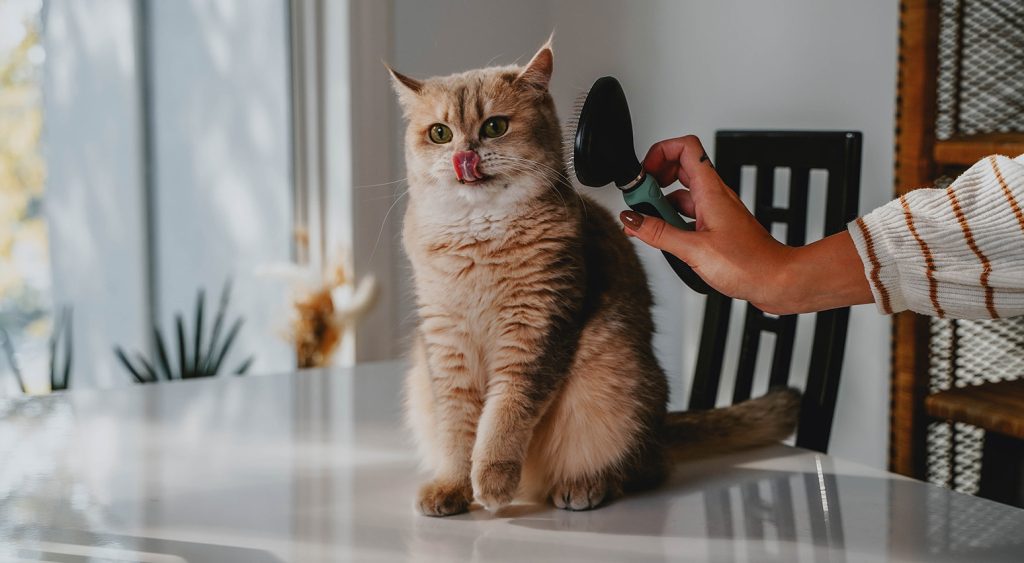
Implementing positive reinforcement can significantly improve the overall demeanor of a cat. Rewarding behaviors like using the litter box correctly or allowing nail trimming without fuss makes the experience more pleasant for both the cat and the owner. Additionally, it fosters a trust-based relationship where the cat views their owner as a source of positivity and love.
4. Clicker Training
Clicker training is a method that utilizes a small device that emits a clicking sound. This sound is used to mark the desired behavior the moment it occurs. The click is immediately followed by a reward, helping the cat to understand what action is being rewarded. This technique is particularly effective for pet owners in Nigeria, as it is straightforward and can be conducted in short, engaging sessions.
To implement clicker training, first, familiarize your cat with the clicker sound. Once your cat associates the sound with a reward, you can start training specific behaviors, such as sitting or using a scratching post. It’s crucial to be patient and consistent as you train, as feline learning can often take time. By using clicker training, you create a positive atmosphere where your cat feels encouraged to learn.
The beauty of clicker training lies in its simplicity and effectiveness. By marking the exact moment a behavior occurs, it provides cats with immediate feedback on what you’re looking for. This technique is perfect for teaching tricks or managing certain unwanted behaviors, such as jumping onto counters. As a tool, clicker training stands out for its precision in communication between an owner and their cat.
3. Lure-and-Reward Technique
The lure-and-reward technique involves enticing your cat into performing a certain action using a treat or toy. This technique can be particularly useful for teaching practical behaviors like using the litter box or following commands. For example, luring your cat with a treat can help them learn to jump onto furniture or follow you when you walk away.
In Nigeria, this technique can be beneficial in creating a motivated and engaged training session. You can start with basic commands and use a treat to encourage your cat into the desired position. Once they successfully follow the lure, reward them immediately. This repetitive action solidifies the lesson in their minds, making it easier for them to understand future commands.
Engagement is key in the lure-and-reward technique. By actively participating in the training, owners can stimulate their feline’s interest and make learning feel like a game. This approach is not only enjoyable for the cat but also strengthens the bond between cat and owner. It demonstrates to the cat that their owner is a source of fun and rewarding experiences, encouraging more attentive and cooperative behavior.
2. Environmental Enrichment
Felines are intelligent creatures and benefactors of an enriched environment. To train cats effectively, it’s essential to provide them with various stimulating environments. This can include cat trees, scratching posts, toys, and interactive playtime. When cats are mentally and physically stimulated, they are more likely to engage with their owners and learn new behaviors.
Environmental enrichment is particularly important in Nigeria, where natural distractions can often take your pet’s attention away from training. By creating an inviting and stimulating environment, you encourage your cat to explore new challenges. This can also help in reducing unwanted behaviors triggered by boredom or inactivity. Interactive toys, in particular, can not only stimulate your cat physically but also keep them mentally engaged to enhance their learning process.
Cats need more than just food and a safe sleeping area; they crave mental stimulation and physical challenges. By incorporating environmental enrichment into their daily lives, pet owners can help reduce issues like aggression, anxiety, or disinterest. A well-enriched environment turns training into a pleasure-filled activity rather than a monotonous task, ensuring your cat remains a happy, inquisitive member of the family.
1. The Importance of Consistency
The top technique for training cats effectively in Nigeria is consistency. Cats thrive on routine and clear expectations. Establishing a training routine helps your cat understand when and what you are expecting of them. Whether it’s a specific time for training or the way commands are given, consistency creates a dedicated learning environment.
- Always use the same commands for specific behaviors.
- Maintain a regular training schedule to instill a habit.
- Ensure that all family members are on the same page with the training techniques.
Having a consistent approach means your cat will experience less confusion, leading to more effective training sessions. With patience and strategic consistency, pet owners in Nigeria can foster a positive learning atmosphere that promotes growth and understanding between them and their beloved cats.
Consistency is the foundation of successful training. Once a cat understands what is expected with regular routines, they become more comfortable and eager to learn new behaviors. An environment where expectations are consistent allows a cat to focus on training without the stress of unclear rules. With time and dedicated efforts, the payoff is a well-trained, contented kitty who enjoys the company of their human companions.
By employing these techniques, Nigerian pet owners can cultivate a better understanding of their cats’ needs and behaviors, paving the way for a harmonious coexistence. Whether you’re seasoned or new to pet ownership, these training strategies can transform your relationship with your feline friend, making it a rewarding journey filled with mutual respect and affection.
| Training Techniques | Benefits & Insights |
|---|---|
| Positive Reinforcement | Encourages good behavior by rewarding desired actions with treats, praise, or play, reinforcing the behavior consistently. |
| Clicker Training | Provides clear communication between the owner and the cat, making it easier to teach specific commands and tricks. |
| Target Training | Helps cats learn complex behaviors by guiding them to a target with treats or toys, enhancing focus and engagement during training. |
| Socialization Techniques | Improves interaction with humans and other pets, crucial for fostering a harmonious household and reducing stress in multi-pet environments. |
Through understanding and applying these training techniques, cat owners in Nigeria can enhance their pet’s behavior and strengthen their bond. Each method offers unique advantages that cater to different learning styles of cats, making training not just a task, but an engaging activity that benefits both pets and their owners. Since many stray cats roam urban environments in Nigeria, integrating training could also promote a culture of responsible pet ownership.
Frequently Asked Questions about Effective Cat Training Techniques in Nigeria
What are some effective techniques for training cats in Nigeria?
Training cats in Nigeria involves understanding the unique behaviors and preferences of felines. Positive reinforcement is a widely recommended method, using treats or affection as rewards for desired behaviors. Consistency is key, as cats thrive on routine. Additionally, understanding the cultural and environmental influences unique to Nigeria can enhance training efficiency, such as using local scents and sounds familiar to the cat.
Are there common misconceptions about cat training that Nigerian pet owners should be aware of?
Yes, one major misconception is that cats cannot be trained; in reality, cats can learn and be trained effectively with patience and the right techniques. Another misconception is that punitive measures such as shouting or physical reprimands are effective; this is not true and can harm the trust between you and your pet. It’s essential to rely on understanding and patience when training cats.
Is professional cat training necessary for Nigerian pet owners?
While many Nigerian pet owners can successfully train their cats using simple, home-based techniques, professional training can be beneficial, especially for specific behavioral issues. Professional trainers with experience in feline psychology can provide insights and techniques tailored to each cat’s unique needs. However, significant progress can often be made by dedicated owners willing to learn.
How does the local environment in Nigeria impact cat training?
The local environment in Nigeria can significantly influence cat training. Urban and rural areas offer different stimuli and challenges, from noise levels to available spaces for exploration. Understanding how these factors impact your cat allows for more effective training strategies, such as gradually exposing cats to new environments or using local materials in play and training sessions.
What resources are available for cat owners in Nigeria to assist with training?
Nigerian cat owners can access a breadth of resources, from online forums and articles sharing tips and experiences to local veterinarians offering personalized advice. Books on cat behavior, workshops, and seminars conducted by pet societies in bigger cities can also provide valuable insights into effective cat training. Networking with other pet owners in the community can further enhance learning experiences.
Conclusion: Unlocking the Potential of Cat Training in Nigeria
In the dynamic realm of pet ownership in Nigeria, understanding effective cat training techniques becomes crucial. The journey through different strategies, from positive reinforcement to clicker training and leash walking, reveals the importance of adapting methods to suit individual cats. Each technique underscores the necessity of patience, respect, and attentiveness to each feline’s unique personality and needs.
Summarizing Key Takeaways
Throughout the article, several points emerged as particularly pivotal. Firstly, positive reinforcement stands out as a fundamental approach, highlighting rewards as motivation rather than punishment. This aligns with fostering a trusting relationship that is as rewarding as it is enriching. Secondly, understanding your cat’s limits and creating engaging learning environments can lead to remarkable breakthroughs. Thirdly, the innovative use of clicker training provides clarity and structure, guiding cats with concise auditory signals. Additionally, the integration of energy-releasing activities such as leash walking helps manage behavior while promoting health and well-being. Finally, emphasizing consistency and meaningful interaction ensures that training evolves into a seamless part of everyday life.
For pet owners in Nigeria, embracing these techniques offers not only solutions to behavioral challenges but enhances the joy and fulfillment intrinsic to companion animals. This comprehensive understanding of cat training paints a picture of mutual respect and connection that transcends mere ownership. As Nigerian pet parents delve into these methods, there emerges an opportunity to deepen the bond with their feline friends, fostering a harmonious coexistence.
Looking Ahead
As the landscape of pet care in Nigeria continues to evolve, these training techniques promise to play a pivotal role in transforming how cats interact with their environment and humans. It’s an invitation for pet lovers to explore, adapt, and ultimately revolutionize their approach to cat care, nurturing a spirit of curiosity and engagement that benefits both pets and their human companions.