How to Use Games and Play for Puppy Training
The Transformative Power of Play in Puppy Training
Engaging your puppy through games can be a revolutionary approach to training. Not only does it make learning fun, but it also strengthens the bond between you and your furry friend. Training with play can enhance communication, encourage good behavior, and relieve both physical and mental energy. The importance of an effective training regime cannot be overstated, as it lays the foundation for a well-adjusted adult dog.
Utilizing games effectively transforms mundane training sessions into exciting adventures. By exploring the playful side of learning, you can unlock your puppy’s full potential. Here are key benefits of integrating play into the training process:
- Increased Motivation: Puppies are inherently curious and playful creatures. Incorporating games into training makes the process more enjoyable, thus making them more eager to learn. Using toys or treats as rewards during training can amplify this sense of excitement.
- Improved Focus: Play helps keep your puppy engaged while training, reducing distractions from their surroundings. Techniques like using a favorite squeaky toy during training sessions can draw their attention and encourage them to concentrate on the tasks at hand.
- Socialization Skills: Many games encourage interaction with other pets and people, promoting good social behavior. For instance, group games that involve multiple dogs can teach your puppy the importance of sharing, taking turns, and even establishing a pecking order in a healthy and fun way.
In Nigeria, where outdoor space can vary, adapting games to fit your environment can be straightforward. Simple activities like fetch or hide-and-seek not only provide exercise but also stimulate your puppy’s cognitive abilities. For example, if you live in an apartment or a smaller space, you can throw a toy down a hallway or hide treats around the living room, encouraging your puppy to explore and engage their senses.
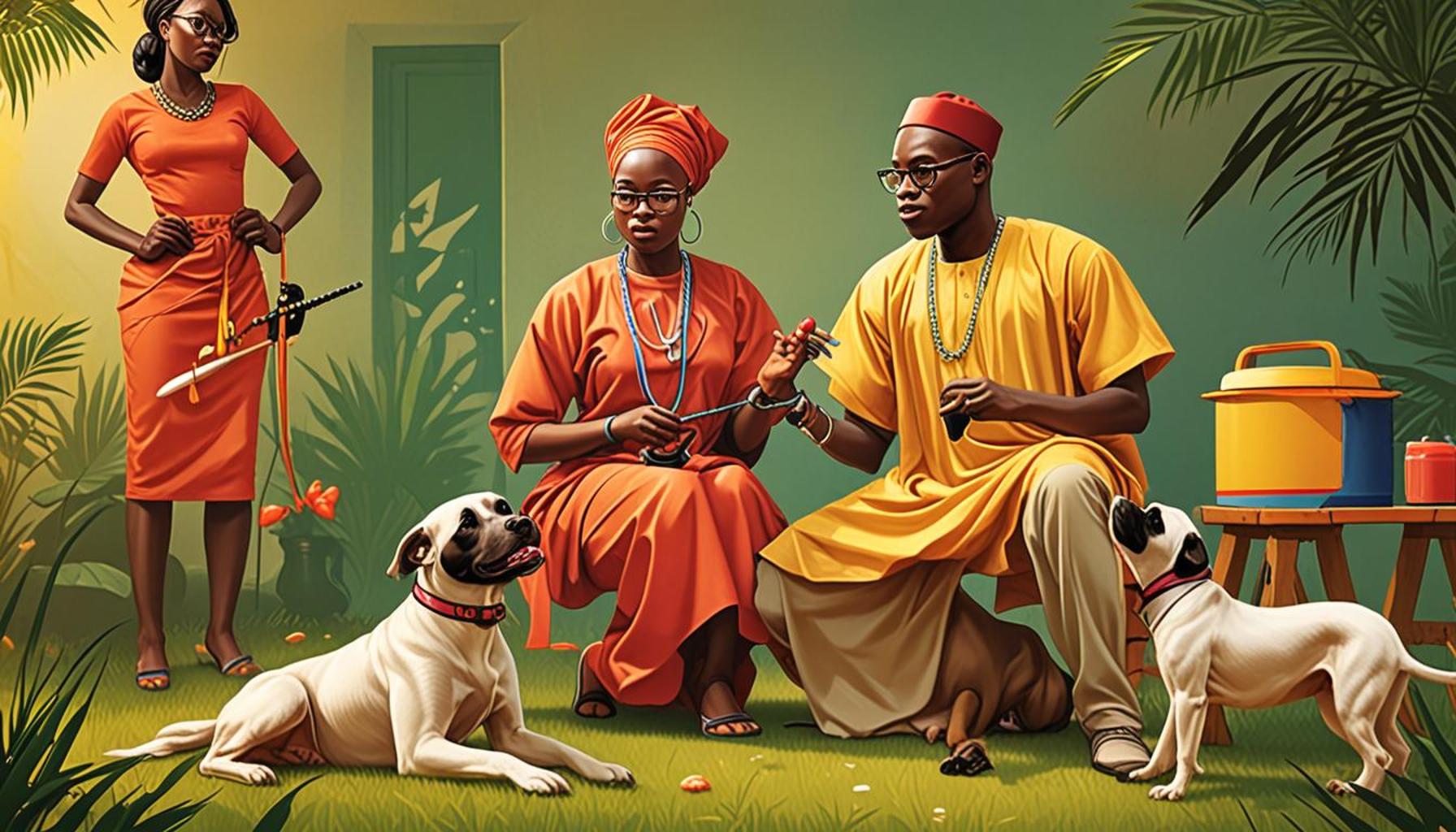
It’s also worth noting that incorporating local environments and cultures can make training more relatable for both you and your puppy. Utilizing traditional Nigerian games like “catch me if you can” can help your dog develop agility while enjoying playful exercises suited for their nature.
The journey of training your puppy becomes an exciting expedition when intertwined with play. As you embrace these playful learning methods, remember to maintain consistency and patience to see the best results. Continue reading to discover actionable strategies that harness the joy of games for effective puppy training, making your bond with your canine companion stronger than ever.
Setting the Stage for Playful Puppy Training
Implementing games into your puppy’s training regime offers a unique and dynamic way to foster their development. The key is understanding how to leverage their playful nature to achieve desired behaviors. As you embark on this journey, consider these effective game strategies that cater not just to your puppy’s training needs but also to their inherent instincts.
Interactive Games to Enhance Learning
Interactive games allow you to engage with your puppy while reinforcing their learning. Here are some of the most effective games you can use:
- Fetch: A classic game of fetch not only provides exercise but can be tailored for training specific commands such as “come” or “drop it.” Use a ball or a favorite toy and encourage your puppy to return it to you for a reward.
- Hide and Seek: This game can significantly improve your puppy’s recall. While your puppy is in a stay position, hide somewhere in your home or yard and call them. The joy of finding you builds their excitement and reinforces the “come” command.
- Tug of War: A spirited game of tug can teach impulse control as well as basic commands like “leave it” or “drop.” However, it is crucial to maintain control of the game to ensure it doesn’t escalate into over-excitement or aggression.
- Obstacle Courses: Using household items, create an agility course where your puppy has to jump over, crawl under, or navigate around objects. This promotes physical exercise and develops their agility and coordination while enhancing their listening skills.
Incorporating Group Activities
Puppies are social animals and thrive when interacting with others. Incorporating group play into their training can enhance their socialization skills while making the process enjoyable. Here’s how to incorporate group activities:
- Playdates: Arranging playdates with other dogs allows your puppy to learn vital skills such as sharing, patience, and teamwork. This social interaction can lead to better behavior in dog parks and during social encounters.
- Group Training Classes: Enrolling your puppy in obedience classes not only teaches them commands but also facilitates interaction with other dogs and people. It’s an ideal setting for practicing training with distractions, helping your puppy focus in real-world scenarios.
- Community Events: Participating in local dog-related events or games can expose your puppy to various stimuli, helping them adjust to different environments and boosting their confidence levels.
As you explore these games and activities, remember to maintain a positive and enthusiastic demeanor. Your attitude is infectious, and a happy, playful atmosphere significantly enhances learning. Using games to train your puppy goes beyond teaching commands; it molds their behavior and strengthens your bond while setting the stage for a well-balanced adult dog.
| Advantage | Description |
|---|---|
| Enhanced Learning | Incorporating games into puppy training enables active engagement, making it easier for pups to retain information. |
| Stronger Bond | Playful interactions foster a deeper emotional connection between the puppy and its owner, enhancing overall obedience. |
| Behavioral Modification | Using games like fetch can help redirect negative behaviors into more positive, controlled actions. |
| Socialization Skills | Games encourage interactions with other dogs and people, helping puppies develop essential social skills. |
Integrating games into your puppy training routine not only fosters learning but also promotes playfulness that puppies thrive on. Engaging them through fun activities makes the training process feel less daunting and more enjoyable for both the owner and the dog. As you explore methods like fetch or tug-of-war, you’ll begin to see firsthand the improvements in your puppy’s responsiveness and behavior. Each game serves a dual purpose: providing entertainment while reinforcing important training lessons. By understanding the significant advantages of using games, you’re not only cultivating a well-behaved pet but also enhancing the joy and satisfaction that comes with responsible puppy ownership.
Advanced Training Techniques Through Play
As you further develop your puppy’s training through engaging games and activities, you can incorporate more advanced techniques that challenge both their physical and mental abilities. This progression ensures continuous growth while keeping your fluffy friend intrigued and motivated. Here are several sophisticated methods to enhance puppy training through play:
Engaging the Senses
Puppies experience the world primarily through their senses, and utilizing this can make training more effective. Here’s how you can infuse sensory experiences into your games:
- Scent Games: Capitalize on your puppy’s powerful sense of smell by creating scent trails with treats or toys. Hide a few pieces of kibble around the house or yard and encourage your puppy to find them. This not only sharpens their nose but also reinforces their focus and determination.
- Sound Identification: Use different sounds, such as clapping or jingling keys, during play to catch your puppy’s attention. Reward them when they respond positively to the sound, helping them learn to associate specific noises with commands or actions.
- Textured Toys: Introduce toys with varying textures and materials into your play sessions. These tactile experiences can keep your puppy entertained while aiding in developing their biting and chewing controls, essential for young pups.
Incorporating Problem-Solving Tasks
Introducing puzzles and problem-solving tasks encourages cognitive development and boosts your puppy’s confidence. Here are some examples to consider:
- Puzzle Feeders: Use specially designed puzzle feeders that require your puppy to work for their food. This not only slows down their eating but also engages their brain, as they learn to move pieces around to access the treats.
- Finding Hidden Objects: Once your puppy has grasped the basics, you can elevate the challenge. Hide their favorite toys or treats in various locations and stimulate their thinking by asking them to search for them using commands like “find it!”
- Interactive Toys: Invest in toys that dispense treats when your puppy figures out how to play with them correctly. These not only entertain your puppy but also provide mental stimulation, mimicking the natural foraging behavior.
Using Technology for Training
With today’s digital advances, integrating technology into your training regimen can yield impressive results. Here are a few tech-based ideas to consider:
- Training Apps: Several applications designed for pet training can help in tracking your puppy’s progress and maintaining a training schedule. Some apps offer interactive games that reinforce various commands with engaging visuals and sounds.
- Remote Treat Dispensers: Use gadgets that allow you to dispense treats from a distance via your smartphone. This can simulate the recall game, where your puppy learns to return to you for rewarding surprises.
- Video Training Lessons: Consider participating in online puppy training courses. These programs often include game-based training techniques that demonstrate how to incorporate play into your training successfully.
As you explore these advanced techniques, remember that the principle of consistency remains essential. Establishing a routine that includes varied games will keep your puppy excited about learning while reinforcing good behaviors effectively. Remember, playtime is not just fun; it is an invaluable tool for building a well-mannered, confident dog that thrives in various environments.
Conclusion: The Power of Play in Puppy Training
Incorporating games and play into your puppy training routine transforms the experience into an enjoyable and effective journey for both you and your furry companion. As we’ve explored, utilizing techniques that engage the senses, introduce problem-solving tasks, and leverage technology can significantly enhance your puppy’s physical and mental development. By prioritizing playful interaction, you foster a positive environment where learning and bonding flourish, leading to a well-adjusted dog ready to tackle life’s challenges.
Moreover, the connection built through these interactive training methods cultivates trust and confidence in your puppy, essential traits that will serve them well in various situations. Remember, consistency in implementing a mix of these games will not only keep your puppy enthusiastic about learning but will also embed good behaviors that last a lifetime.
As you embark on this adventure in puppy training, consider adapting local elements, such as Nigerian cultural games, to make the training relatable and fun. The journey of training your puppy should be dynamic and exciting, turning every activity into an opportunity for growth and connection. Investigate different resources, seek out community training workshops, and share your experiences with other pet owners to enrich this rewarding journey even further.
Ultimately, play is not just a pastime but a pivotal tool in shaping a happy, well-mannered dog. Embrace the power of play, and watch your puppy thrive both mentally and emotionally, becoming a cherished member of your family.