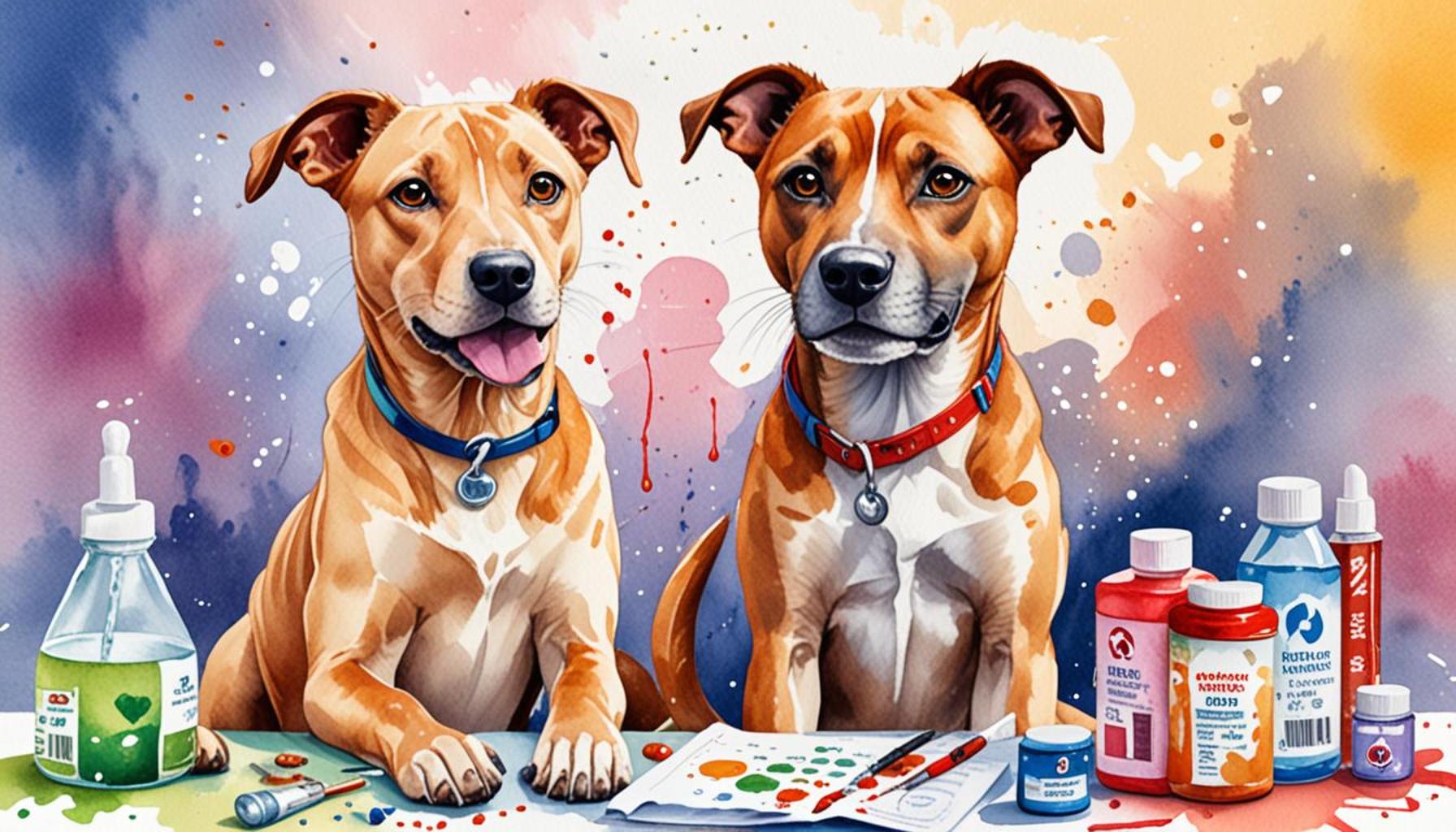
Identify Treat Common Dog Cat Diseases in Nigeria A Guide

Pet ownership has surged in Nigeria, bringing joy and companionship to countless households. The sight of a wagging tail or the purring of a content cat has become a comforting norm. However, with this rise comes the challenge of ensuring the health and well-being of these beloved animals. Understanding how to identify and treat common diseases in dogs and cats is not just beneficial—it’s essential for responsible pet ownership.
Common ailments can affect pets at any time, impacting their quality of life and sometimes leading to severe health complications if left untreated. Recognizing symptoms early can make a significant difference in the effectiveness of treatment. For instance, noticing changes in your pet’s behavior, appetite, or energy levels can be an early warning sign. With the right knowledge, owners can become proactive in their pets’ health care, seeking veterinary assistance before minor issues escalate.
Top 5 Common Pet Diseases in Nigeria
This article will guide you through the top 5 most prevalent diseases affecting pets in Nigeria, offering insights into their symptoms, treatments, and preventive measures. These diseases include parasitic infestations, viral infections, skin disorders, dental issues, and gastrointestinal problems. Each presents unique challenges but can be managed effectively with early detection and appropriate care.
Parasitic infestations from ticks and fleas can lead to discomfort and, in severe cases, anemia or other systemic diseases. Viral infections, such as rabies and canine parvovirus, pose serious health risks but are preventable with regular vaccinations. Skin disorders like mange and dermatitis require proper hygiene and sometimes medication. Dental issues, often overlooked, can significantly affect a pet’s overall health, making regular dental check-ups crucial. Lastly, gastrointestinal problems, often manifesting as vomiting or diarrhea, need immediate attention to prevent dehydration and further complications.
Empower yourself with the knowledge to keep your furry friends happy and healthy. By educating yourself about these common ailments, you arm yourself with the tools needed for effective pet care, ensuring a longer, healthier life for your beloved companions. Stay informed, stay vigilant, and most importantly, stay compassionate towards the animals that bring so much joy into your life.
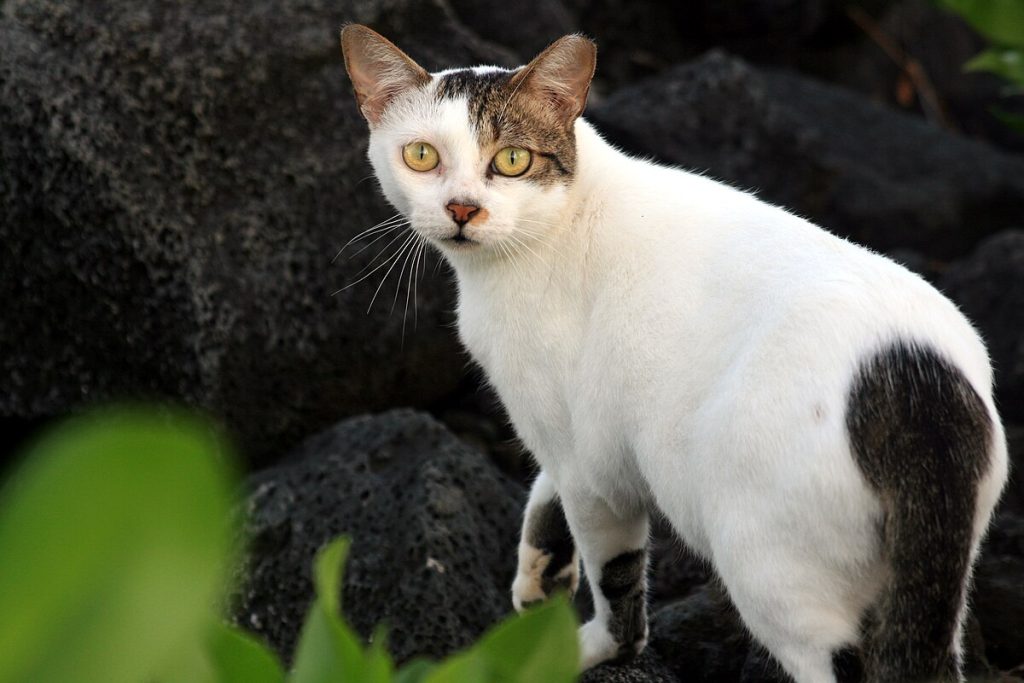
Top 5: Identifying and Treating Common Diseases in Dogs and Cats in Nigeria
Owning a pet is a joyful journey that demands more than merely providing sustenance and shelter. For pet owners in Nigeria and around the globe, an understanding of pet health stands paramount. This article aims to arm pet enthusiasts with essential knowledge to identify and manage common diseases threatening their cherished dogs and cats. Here is a rundown of the five most prevalent pet diseases in Nigeria, elucidating crucial information for effective treatment and prevention.
5. Skin Disorders
Skin disorders are prevalent among pets in Nigeria, often caused by a variety of factors such as environmental influences, parasites, and food allergies. These maladies manifest through visible symptoms like rashes, excessive itching, and hair loss. Some common skin issues include:
- Fleas and Ticks: Infestations not only cause intense itching and inflammation but may also lead to secondary skin infections if left untreated.
- Dermatitis: This allergic reaction often results from contact with allergens in the environment, leading to redness, swelling, and discomfort for the pet.
- Fungal Infections: Conditions such as ringworm, which is highly contagious, can significantly affect the skin and coat health and even spread to other animals and humans.
Effective treatment involves consulting with a veterinarian for appropriate diagnoses and management. Depending on the root cause, treatments may include topical solutions, medicated baths, or oral medications. In addition, regular grooming and maintaining proper hygiene play pivotal roles in preventing these issues.
4. Gastrointestinal Issues
Gastrointestinal problems like diarrhea and vomiting are frequent grievances among pet owners. These issues typically arise from dietary indiscretions, infections, or parasitic invasions. Pets presenting symptoms such as lethargy, decreased appetite, or weight loss warrant immediate veterinary attention. Frequent causes include:
- Parasitic Infections: Intestinal worms such as roundworms or hookworms can heavily disrupt a pet’s digestive health.
- Inadequate Diet: Abrupt dietary changes can provoke gastrointestinal sensitivities or upset.
- Bacterial Infections: Often stemming from contaminated food or water, bacterial infections can wreak havoc on the digestive system.
Treatment protocols often involve a bland diet to rest the gastrointestinal tract, ensuring proper hydration, and administering veterinarian-prescribed medicines. Severe cases may necessitate hospitalization for intensive care, emphasizing the importance of prompt intervention.
3. Rabies
Rabies is a formidable concern for both pet health and public safety in Nigeria. This viral affliction, primarily spread through bites from infected animals, is nearly always fatal once symptoms manifest. Prevention, therefore, becomes indispensable. The disease progresses dramatically from initial symptoms of aggression or confusion to eventual paralysis and death. Vital preventive measures include:
- Annual Vaccination: Ensuring timely rabies vaccination is critically important for pet safety.
- Avoiding Contact: Prevent interaction with wild animals and stray dogs to minimize exposure risk.
- Spaying and Neutering: By controlling stray population growth, these surgical procedures indirectly reduce rabies transmission risk.
An infected animal represents a danger not only to itself but also to other animals and humans. In any incident involving potential rabies exposure, seeking prompt medical intervention for both the pet and involved people is imperative.
2. Infectious Diseases
The threat of infectious diseases looms large over dog and cat populations in Nigeria, with diseases such as Canine Parvovirus and Feline Leukemia Virus posing significant health threats. Early detection remains crucial for successful treatment, as symptoms vary but may include:
- Fever: A common indicator of infection that requires attention.
- Vomiting: This symptom can often indicate a more serious underlying condition.
- Severe Lethargy: A marked decrease in energy is a red flag requiring medical evaluation.
Preventive veterinary vaccinations are the cornerstone of protection against these contagious diseases. Rapid diagnosis through veterinary assessment can lead to timely treatment interventions, often being lifesaving for the pet.
1. Dental Diseases
Although dental diseases are frequently overlooked, they are profoundly common among pets and can lead to severe health complications if neglected. In Nigeria, these problems can manifest through signs such as bad breath, eating difficulties, and swollen gums. Prevention takes precedence with strategies like:
- Regular Teeth Cleaning: Consistent dental hygiene practices prevent plaque and tartar accumulation, averting oral diseases.
- Dental Chews: Offering pets these chews can assist in maintaining oral health and diminishing tartar buildup.
- Annual Check-ups: Regular veterinary visits facilitate early detection and management of dental and other health issues.
Resolving severe dental problems may necessitate professional cleanings or extractions. Maintaining optimal oral health in pets not only contributes to a longer lifespan but also enhances the quality of life.
In conclusion, being proactive about your pet’s health through regular veterinary care, timely vaccinations, and a nutritious diet supplemented by proper hygiene can significantly contribute to ensuring a long, vibrant life for your furry companions. As knowledge grows, so does the opportunity for Nigerian pet owners to foster healthier and happier bonds with their beloved pets.
Identifying and treating common diseases in dogs and cats in Nigeria is crucial for the health and wellbeing of these beloved pets. The environment that pets live in often exposes them to various ailments that can be critical if not addressed timely. Here, we delve into some prevalent health conditions affecting pets in Nigeria and how to recognize and manage them effectively.One of the most common issues seen in Nigerian pets is **canine parvovirus**, a highly contagious virus that predominantly affects young dogs. Symptoms often include severe vomiting, lethargy, and diarrhea that may contain blood. The key features of this virus are its swift onset and serious nature, leading to a high fatality rate if not treated promptly. Vaccination is essential for prevention, and treatments typically involve veterinary care to manage dehydration and other complications.Another significant concern is **feline upper respiratory infections**, which affect cats, especially those that are not vaccinated or live in overcrowded environments. Symptoms include sneezing, coughing, and nasal discharge. Often confused with common colds in humans, it can escalate into more severe respiratory issues if ignored. The adoption of hygiene practices, such as maintaining a clean environment and separating sick from healthy pets, can greatly reduce the prevalence of such infections.**Skin infections** are also common among pets in Nigeria due to environmental factors like humidity and parasites. Dogs and cats may experience issues such as hot spots, itchiness, and hair loss. Bacterial infections, fleas, and ticks are often the underlying causes. Regular grooming and clinical checks can prevent and treat these issues effectively.Lastly, **heartworm disease** poses a significant threat to both dogs and cats in Nigeria, transmitted through mosquito bites. Pets with heartworms show symptoms like coughing, exercise intolerance, and weight loss, which can be quite deceptive as early signs are often mild. Preventive medications are highly recommended, as treating heartworm disease can be challenging and costly.In summary, recognizing these common ailments is pivotal for pet owners in Nigeria. Regular visits to the veterinarian, understanding vaccination schedules, and maintaining an overall watchful eye on pet health can ensure early detection and timely treatment, ultimately enhancing the lives of our furry companions.
Frequently Asked Questions: Identifying and Treating Common Diseases in Dogs and Cats in Nigeria
How can I tell if my pet in Nigeria is displaying symptoms of a common disease?
Recognizing the symptoms of common diseases in pets is crucial for early intervention. In Nigeria, pets might show signs such as excessive itching, unusual lethargy, persistent coughing, or changes in appetite. It’s essential to observe any abnormal behavior such as increased aggression or withdrawal, as these can also indicate underlying health issues. If you notice these symptoms, consulting a professional veterinarian can help in early diagnosis and treatment.
What are some prevalent diseases affecting dogs in Nigeria?
In Nigeria, dogs are frequently vulnerable to conditions like parvovirus, rabies, and tick-borne diseases such as ehrlichiosis and babesiosis. Parvovirus is highly contagious and primarily affects puppies, leading to severe gastrointestinal distress. Rabies, though preventable with vaccination, is still a significant concern. Tick-borne diseases require vigilance for ticks and symptoms like fever, weight loss, and fatigue. Regular veterinary check-ups are key to preventing these diseases.
Are there specific diseases that commonly affect cats in Nigeria?
Cats in Nigeria often deal with illnesses such as feline immunodeficiency virus (FIV) and feline infectious peritonitis (FIP). Both conditions compromise the immune system, making cats susceptible to further infections. FIV spreads through bites from infected cats, underlining the importance of keeping domestic cats indoors to limit exposure. FIP, often fatal, results from a mutated coronavirus, presenting symptoms like fever and abdominal swelling. Prompt veterinary care can help manage symptoms and improve the quality of life.
What traditional or non-conventional treatments are popular for pets in Nigeria?
In Nigeria, alongside conventional veterinary practices, some pet owners explore traditional remedies and herbal treatments. Ingredients such as neem leaves and bitter kola have been locally used to address skin conditions and digestive issues. While these remedies offer cultural significance, it’s crucial to inform veterinarians of any traditional treatments being used, as interactions with prescribed medications need to be monitored to ensure safety and efficacy.
How can pet owners in Nigeria prevent common diseases in their dogs and cats?
Prevention is the cornerstone of maintaining pet health. Ensuring pets are regularly vaccinated, receive routine parasite control, and maintain a balanced diet are fundamental steps. Regular grooming and hygiene practices help in early detection of parasites and skin conditions. Educating oneself on the local pet health landscape and maintaining strong communication with veterinary professionals can empower owners to safeguard their pets against prevalent diseases in Nigeria.
Conclusion
Addressing the health concerns of pets such as dogs and cats in Nigeria is crucial for ensuring their well-being and enhancing the quality of life of these beloved animals. Throughout this article, we have explored some of the most common diseases affecting pets in the region and provided insights on identification and treatment.
Main Takeaways
- Parvovirus in Dogs: Highly contagious and often fatal, early detection through symptoms like vomiting and diarrhea is critical.
- Feline Leukemia Virus: A major cause of illness in cats, requiring proactive management through regular testing.
- Rabies: A deadly virus for both humans and animals, demanding immediate vaccination and booster programs for prevention.
- Tick-borne Diseases: Common due to Nigeria’s climate, highlighting the importance of routine checks and using anti-parasitic treatments.
- Gastrointestinal Issues: Often linked to diet or infections, necessitating careful observation of symptoms and vet consultation.
Understanding these prevalent health issues in pets allows pet owners to take proactive measures, such as timely vaccinations, regular health check-ups, and maintaining a sanitary environment, which are essential in preventing outbreaks and ensuring long-term health. The increasing urbanization and changes in lifestyles in Nigeria bring about additional challenges that require continuous adaptability and awareness among pet owners.
By prioritizing education and collaboration with veterinary professionals, pet owners can significantly enhance the health outcomes for their furry companions. Ultimately, every effort made towards improving pet health contributes to a healthier ecosystem, decreased transmission of zoonotic diseases, and strengthens the invaluable bond between humans and their animals.
With these insights, it is clear that a proactive approach not only benefits the animals but also enriches the lives of pet owners, their families, and the wider community. Exploring further on this topic could open up new pathways for research and innovative treatment solutions.