Maximizing Small Living Spaces: Innovative Space Optimization Techniques for Minimalist Homes
Small Footprint, Big Possibilities
Across the United States, the average new apartment size has shrunk to under 900 square feet, while urban studios in cities like New York and San Francisco often measure closer to 400. Yet homeowners and renters alike are discovering that limited square footage doesn’t mean limited style or function. Maximizing Small Living Spaces has become one of the most searched home design goals of the decade, reflecting a significant cultural shift towards smaller living quarters.
The secret lies in smart planning rather than square footage. Minimalist homeowners are proving that a well-organized 500-square-foot space can feel more functional than a cluttered 2,000-square-foot house. For example, a cleverly designed Murphy bed allows you to convert your living area into a guest room in seconds, showcasing how versatile furniture can redefine small spaces.
Why Space Optimization Matters Now
Rising rent prices and a growing preference for city living have pushed more Americans into compact homes. Data indicates that nearly 40% of U.S. households are now renters, many seeking affordable options amidst escalating housing costs. This shift has fueled demand for practical, budget-friendly solutions that enable residents to live comfortably and stylishly in their limited space.
- Multifunctional furniture that transforms a living room into a home office or guest bedroom. Items like convertible sofas and collapsible tables are especially popular.
- Decluttering strategies that free up visual and physical space. Techniques such as the “one in, one out” rule help maintain a clean and organized environment.
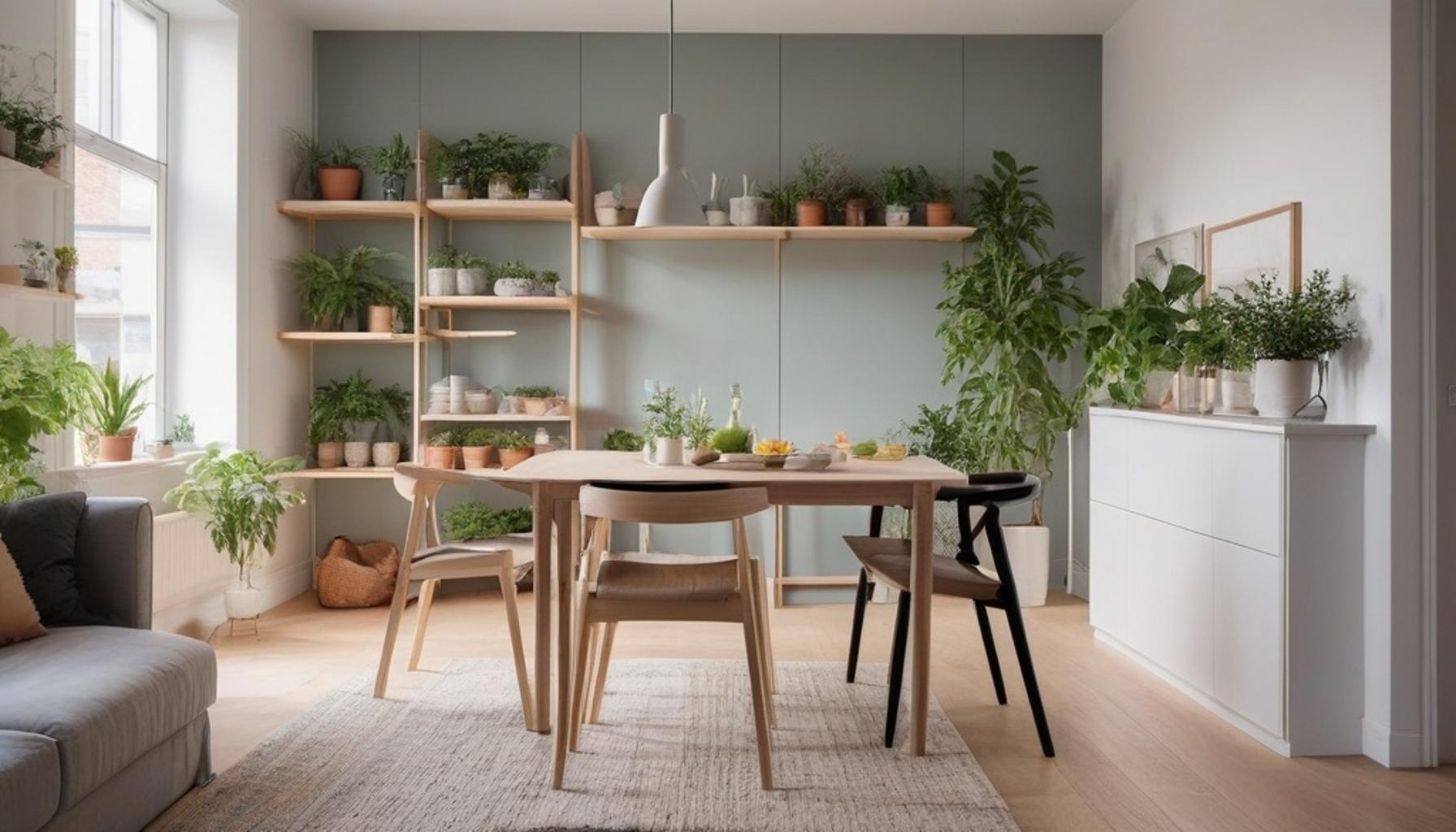
- Vertical storage systems that utilize walls instead of floor space. Shelves and wall-mounted cabinets are essential for maximizing storage without crowding the floor.
- Smart layout techniques that create the illusion of openness. Using mirrors and lighter color palettes can significantly enhance a small living area, making it feel airier and more inviting.
This article explores proven space optimization techniques designed for real-world minimalist living. From clever storage hacks, such as using under-bed drawers, to design tricks used by professional organizers, these minimalist home tips will help transform even the tiniest apartment into a functional, breathable sanctuary. Creative organization techniques, such as using labeled bins and repurposed containers, can also play a crucial role in maintaining order and style.
Whether you’re tackling a studio in Chicago or a tiny house in Austin, effective small apartment organization starts with understanding your space’s hidden potential. By embracing a mindset focused on efficiency and style, anyone can turn their diminutive living area into a personal oasis, reflecting their unique lifestyle and tastes.
CHECK OUT: Simplicity in Practice: How Minimalism Can Transform Your Closet into an Efficient Space
Rethinking Every Square Inch: The Foundation of Smart Design
Before buying a single storage bin or folding table, successful space optimization techniques begin with an honest audit of how a home is actually used. Professional organizers in cities like Boston and Seattle report that clients typically use only 60% of their belongings regularly, yet the remaining 40% consumes valuable square footage. Identifying these patterns is the first step toward maximizing small living spaces effectively.
This audit process isn’t about aesthetics alone. It’s about function. A kitchen counter cluttered with rarely used appliances, for instance, signals an opportunity to relocate those items or eliminate them altogether. Once the audit is complete, homeowners can move forward with intention rather than guesswork.
Zoning: The Architect’s Secret Weapon
Interior designers have long used “zoning” in commercial spaces, and now the technique has migrated into residential minimalist homes. Zoning divides a single room into distinct functional areas without physical walls, relying instead on rugs, furniture placement, or lighting to define boundaries.
In a 450-square-foot studio, for example, a low bookshelf can separate a sleeping area from a living zone, while a strategically placed floor lamp signals a reading nook. This approach allows one room to feel like several, a principle central to modern small apartment organization.
- Sleep zones defined by a platform bed with built-in drawers underneath for hidden storage.
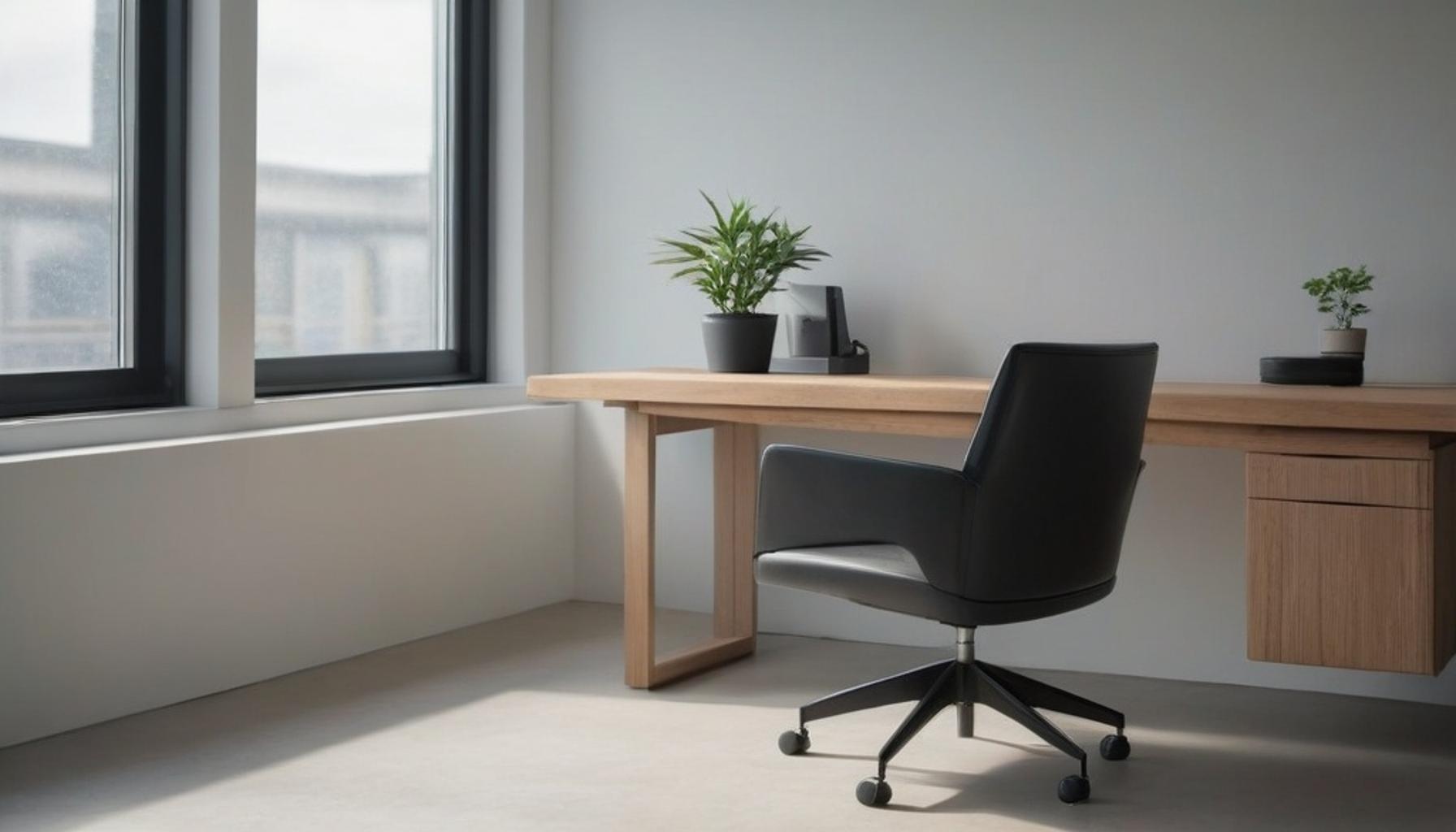
- Work zones created with a fold-down desk that tucks away when not in use.
- Dining zones established using a drop-leaf table that expands only when guests arrive.
According to a 2023 survey by the National Association of Home Builders, nearly 30% of new homebuyers specifically requested flexible, multi-use layouts rather than traditional single-purpose rooms. This statistic underscores a broader shift: Americans no longer view compact living as a compromise, but as an opportunity for smarter design.
The Psychology Behind Feeling Spacious
Interestingly, the perception of space matters just as much as actual dimensions. Environmental psychologists note that clutter triggers cognitive overload, making a room feel smaller than it truly is. This explains why decluttering strategies are often the fastest, cheapest way to transform a cramped apartment into a place that feels open and calm.
Simple adjustments, like keeping countertops 80% clear or limiting decorative objects to groups of three, can create an immediate visual shift. These aren’t just design tricks; they’re backed by research on how the human brain processes visual information in confined environments.
| Category | Key Features |
|---|---|
| Multifunctional Furniture | Incorporates dual-purpose items like sofa beds or storage ottomans, utilizing limited space effectively. |
| Vertical Storage Solutions | Maximizing wall space through shelves, hooks, and cabinets, ensuring that floors remain clutter-free. |
| Smart Organization | Utilizes storage bins and labels to enhance accessibility while maintaining a sleek, organized appearance. |
| Decluttering Strategies | Encourages regular removal of unnecessary items, focusing on keeping only essentials to streamline living spaces. |
CHECK OUT: The Impact of Minimalism on Work Efficiency: Optimizing Office Spaces to Increase Productivity
Vertical Thinking: Building Upward When You Can’t Build Outward
Once zoning transforms the horizontal layout, the next frontier in maximizing small living spaces is vertical real estate. Most American homes waste the area between eye level and the ceiling, a gap designers call “dead air.” In cities like New York and San Francisco, where every square foot commands premium rent, savvy renters have started treating walls as storage infrastructure rather than mere boundaries.
Floor-to-ceiling shelving units, for instance, can hold three times the items of a standard bookcase while occupying the same footprint. Pegboard systems, borrowed from garage workshops, now organize kitchen utensils, craft supplies, and even bathroom essentials. This vertical shift isn’t a fleeting trend; it’s a practical response to shrinking square footage nationwide.
Multifunctional Furniture: Doing More With Less
Few innovations have reshaped compact living as dramatically as multifunctional furniture. What began as a niche category in Scandinavian design has become mainstream across American furniture retailers, from IKEA to boutique manufacturers in Portland and Austin.
Consider the ottoman that opens into hidden storage, or the Murphy bed that folds seamlessly into a wall unit, revealing a home office underneath during the day. These pieces don’t just save space; they eliminate the need for separate furniture altogether.
- Sofa beds with built-in storage drawers, ideal for studio apartments hosting occasional guests.
- Nesting tables that collapse into a single unit when not entertaining.
- Wall-mounted desks that fold flat, reclaiming an entire room for other uses within seconds.
A 2022 report from Furniture Today revealed that sales of convertible and modular furniture increased by 22% over the previous year, signaling growing consumer demand for adaptable solutions in cramped urban housing.
Digital Tools Supporting Physical Minimalism
Interestingly, technology now plays a supporting role in minimalist home tips. Apps like Sortly and Nifty help residents catalog belongings stored in hard-to-reach vertical units, preventing the “out of sight, out of mind” clutter trap that often undermines decluttering efforts.
Meanwhile, augmented reality apps allow shoppers to visualize multifunctional furniture within their actual room dimensions before purchasing, reducing costly mismatches. This blend of digital planning and physical space optimization techniques represents the next evolution of small apartment organization, one where smartphones and small square footage work together rather than in opposition.
Bringing It All Together: A Smaller Footprint, A Bigger Life
From reimagined zoning to floor-to-ceiling shelving, the strategies explored throughout this piece prove that maximizing small living spaces is less about sacrifice and more about intention. Every square foot, once considered a limitation, becomes an opportunity when approached with the right mindset and tools.
The common thread across these space optimization techniques is adaptability. Furniture that transforms, walls that store, and apps that track belongings all point to a broader cultural shift: Americans in dense urban centers are no longer waiting for bigger homes to feel settled. They’re redesigning the homes they already have.
This shift also reflects deeper decluttering strategies gaining traction nationwide. According to the National Association of Home Builders, the average new apartment size has shrunk nearly 5% over the past decade, pushing residents to rethink ownership itself rather than simply rearranging possessions.
Looking ahead, expect small apartment organization to become even more data-driven. Smart storage sensors, AI-powered layout planners, and modular housing components are already entering the market, suggesting that today’s clever hacks may soon feel like standard equipment.
For anyone starting this journey, the takeaway is simple:
- Start vertical before buying anything new.
- Invest in multifunctional furniture that solves two problems at once.
- Use digital tools to maintain, not just achieve, an organized space.
Ultimately, embracing these minimalist home tips isn’t just about fitting more into less. It’s about proving that thoughtful design, not square footage, determines how spacious a home truly feels.
Frequently Asked Questions
What are some practical storage solutions for maximizing small living spaces?
To optimize storage in small living spaces, consider using vertical storage options like shelves and wall-mounted cabinets. Multifunctional furniture, such as ottomans with hidden storage or bed frames with drawers, also helps to minimize clutter. Additionally, utilizing under-bed storage and incorporating pegboards can create organized, accessible storage without consuming too much space.
How can I make a small living room feel more spacious?
To create the illusion of a larger living room, use light-colored paint and strategically place mirrors to reflect natural light. Choosing streamlined, multifunctional furniture can help reduce visual clutter. Additionally, keep window treatments minimal and consider installing floating shelves to maintain an open feel while providing storage.
What are some effective ways to utilize vertical space in a small kitchen?
In a small kitchen, utilize vertical space by installing shelves above countertops and placing hanging racks for pots and pans. Consider using tall cabinets that reach the ceiling to maximize storage. Additionally, using magnetic strips for knives and utensils can free up counter space while keeping essential tools within easy reach.
Can you suggest ways to incorporate plants without overcrowding a small space?
To incorporate plants in small living spaces without overcrowding, opt for vertical garden solutions or wall planters that save floor space. Use hanging planters from the ceiling or wall-mounted hooks to display plants at eye level. Additionally, consider using smaller, compact plants that require less space and can thrive in limited light conditions.

Beatriz
Beatriz Johnson is a seasoned minimalist and writer with a passion for simplifying the complexities of personal organization and intentional living. With over a decade of experience in decluttering strategies and mindful consumption, she specializes in topics like space optimization, habit simplification, and sustainable lifestyle choices. Through her work on our website, Beatriz empowers readers to embrace minimalism, reduce mental and physical clutter, and create more meaningful, organized lives in today's fast-paced world.