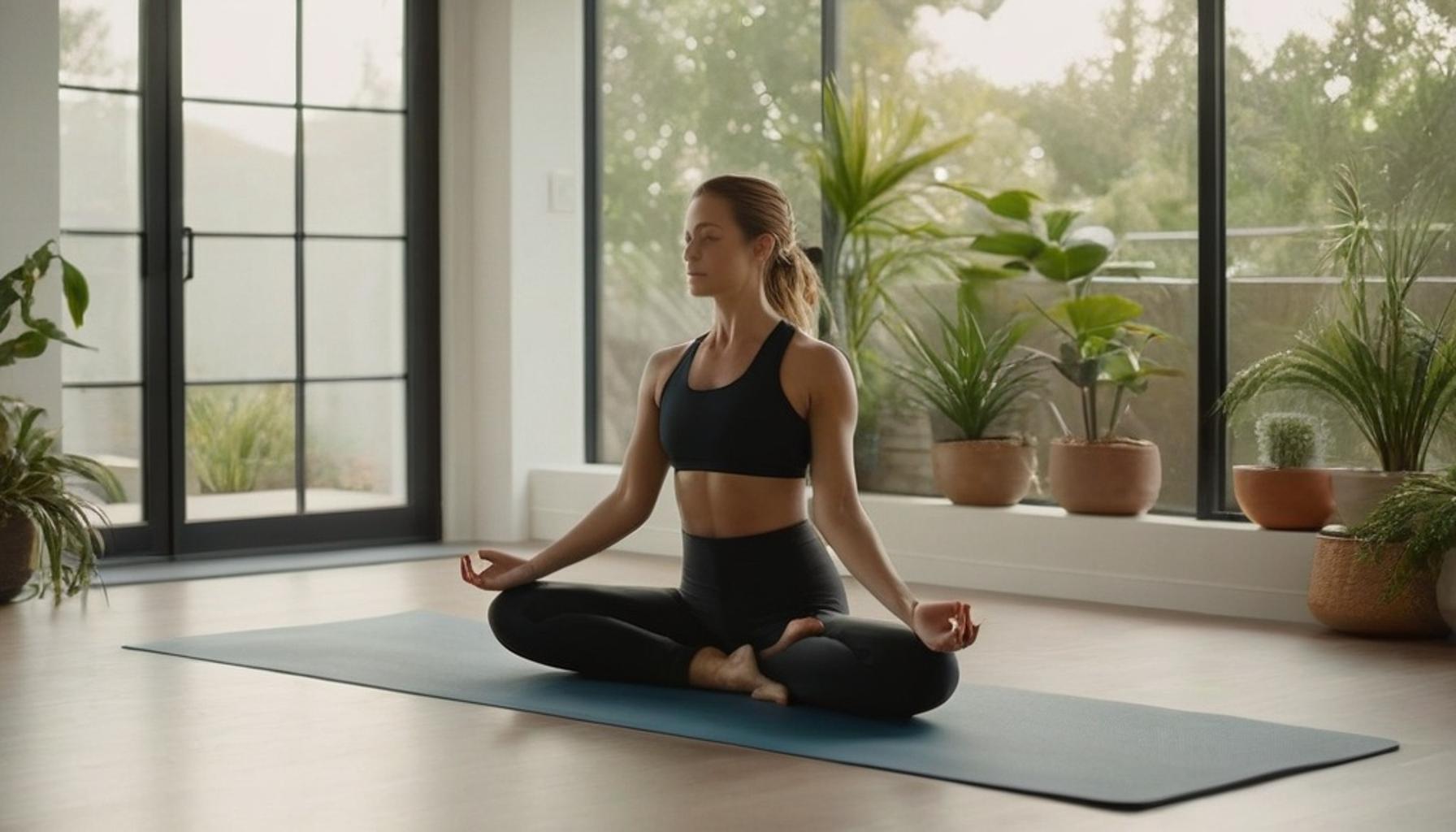
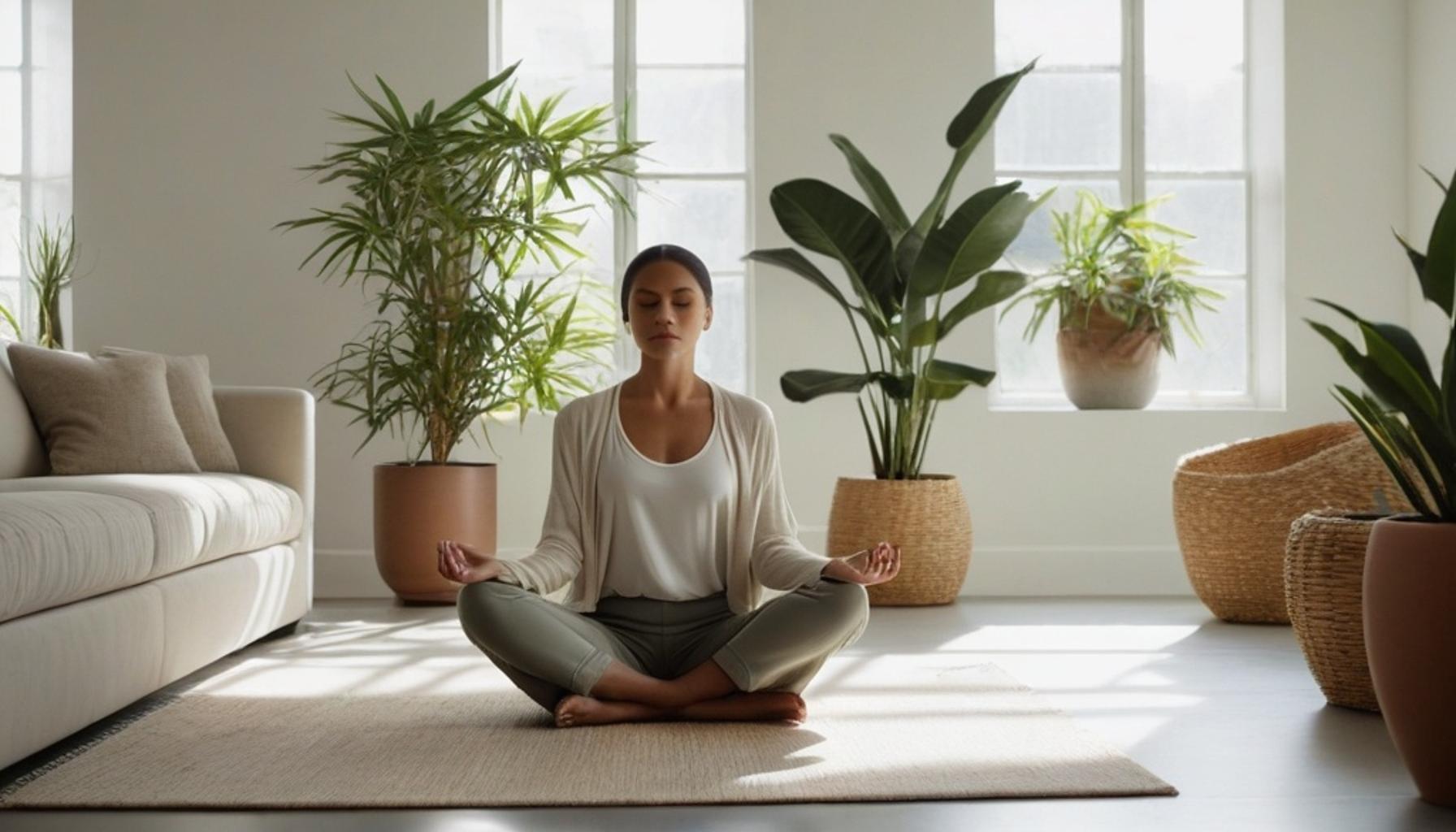
Disconnecting from Excess: The Intersection of Minimalism, Mindful Living, and Mental Health

The Shifting Paradigm of American Lifestyle Choices
The average American household is filled with over 300,000 items, according to the LA Times, yet research indicates that many individuals feel overwhelmed rather than fulfilled by their possessions. This striking contradiction has incited a growing trend towards minimalism and mental health awareness across the United States. It’s a cultural phenomenon that invites people to re-evaluate what truly enhances their quality of life.
From the proliferation of tiny homes in urban hubs like Portland to the rising decluttering movements fueled by social media platforms, Americans are increasingly questioning the notion that “more is better.” The shift toward disconnecting from excess extends beyond merely tidying up living spaces—it’s a profound reaction to the pervasive feelings of burnout, anxiety, and digital saturation that many experience today.
What This Article Explores
This exploration delves into the science and psychology underpinning the desire to simplify life. Readers can expect to uncover:
- How a minimalism lifestyle can significantly reduce cognitive overload and mitigate decision fatigue, allowing for clearer thinking.
- The correlation between mental health and minimalism, supported by recent psychological studies illustrating that fewer possessions can lead to a more serene state of mind.
- Practical mindful living benefits that aid in diminishing anxiety and sharpening focus amidst the chaos of everyday life.
- Effective strategies for decluttering not just physical spaces, but also improving digital habits and quieting mental noise.
Mindfulness practitioners and psychologists are increasingly in agreement: mindful living and mental health are intricately connected. The consensus isn’t centered on whether minimalism is effective; rather, it focuses on how individuals can tailor it to suit their unique lifestyles. What resonates for one may not work for another, making personal exploration crucial.
In the following sections, we will take a closer look at compelling data, inspiring stories, and actionable steps that illuminate this cultural shift towards intentional living, offering a pathway to a more meaningful existence free from the burdens of excess.
RECOMMENDED: The Art of Living with Less: How Minimalism Enhances the Practice of Mindful Living
The Science Behind Clutter and Cognitive Overload
Walk into any American garage, closet, or storage unit facility—an industry now worth over $39 billion annually—and you’ll find physical evidence of a deeper psychological phenomenon. Researchers at UCLA’s Center on Everyday Lives of Families found that women who described their homes as “cluttered” or “chaotic” showed elevated cortisol levels throughout the day, mirroring the stress hormone patterns typically associated with chronic work pressure. This observation is particularly alarming given that chronic stress can lead to a myriad of health issues, from anxiety disorders to cardiovascular problems.
This isn’t merely about aesthetics or tidiness. The connection between minimalism and mental health lies in how our brains process visual and environmental stimuli. Each object within our field of vision competes for cognitive attention, even when we’re not actively focusing on it. Each piece of clutter becomes a distraction, demanding mental engagement that could otherwise be dedicated to more productive activities.
How Excess Impacts Daily Decision-Making
Princeton University neuroscientists discovered that cluttered environments compete for neural representation, which reduces the brain’s ability to process information effectively. This means that a messy kitchen counter or an overflowing closet isn’t merely visually unappealing; it’s actively draining mental resources that could be better used to solve problems or complete tasks efficiently.
Consider these findings that illustrate the tangible effects of excess on mental performance:
- Individuals in clutter-free environments completed tasks more efficiently and reported lower frustration levels compared to those in disorganized spaces, demonstrating that a clear environment fosters a clear mind.
- Decision fatigue increases significantly when people are faced with choices about physical possessions. This contributes to what psychologists call “cognitive depletion,” where the quality of decision-making deteriorates after an extensive decision-making process.
- Excessive consumer choices—whether in retail stores or at home—have been linked to heightened anxiety and decreased satisfaction. This phenomenon is often referred to as the “paradox of choice,” where too many options lead to paralysis rather than empowerment.
- Visual clutter has been shown to trigger stress responses similar to those experienced during time pressure or workplace deadlines, indicating that the environment directly influences emotional well-being.
These insights help explain why disconnecting from excess has become a sustainable lifestyle choice, seen as a viable mental health strategy. From cozy Brooklyn apartments to sprawling suburban homes in Ohio, many Americans are beginning to recognize that their surroundings significantly impact their emotional state. This awareness is inspiring consumers to embrace intentionality in their possessions.
The appeal of a minimalism lifestyle is not about deprivation or austerity. Instead, it’s about reclaiming mental bandwidth consumed by managing, organizing, and maintaining possessions that offer little genuine value or joy. Many individuals report feeling more liberated, focused, and content when they prioritize quality over quantity in their belongings, recognizing that emotional clarity can directly correlate with the physical clarity of their living spaces.
In a world inundated with options and distractions, understanding the science behind clutter offers valuable insight. By fostering a more minimalist environment, individuals not only enhance their immediate surroundings but also their mental health and overall happiness.

YOU MAY ALSO LIKE: The practice of mindfulness in personal organization: how minimalism transforms the mind
Mindful Living as a Bridge Between Minimalism and Emotional Well-Being
While decluttering physical spaces addresses one layer of overwhelm, the practice of mindful living tackles something deeper: the relationship between our attention and our sense of peace. Mental health professionals increasingly point to mindful living benefits as a natural companion to minimalism, since both disciplines share a common goal—reducing noise, whether material or mental, to create space for intentional living.
A 2022 study published in the Journal of Positive Psychology found that participants who combined minimalist practices with mindfulness meditation reported a 32% reduction in symptoms of anxiety over eight weeks, compared to those who practiced only one approach in isolation. This suggests that the two philosophies work synergistically, reinforcing each other’s impact on psychological well-being.
The Digital Dimension of Excess
Clutter no longer lives exclusively in closets and garages. The average American checks their smartphone 144 times per day, according to a recent consumer behavior report, and many carry thousands of unread emails, dozens of unused apps, and endless social media notifications that mirror the same cognitive drain caused by physical disorganization.
This digital form of excess has given rise to a growing movement toward “digital minimalism,” a term popularized by author Cal Newport. Disconnecting from excess, in this context, means more than donating old clothes—it means unsubscribing from irrelevant newsletters, muting unnecessary notifications, and setting boundaries around screen time.
Consider the following patterns observed among individuals adopting digital minimalism:
- Users who limited social media use to 30 minutes daily reported significant decreases in loneliness and depressive symptoms within just three weeks, according to research from the University of Pennsylvania.
- Turning off non-essential push notifications reduced self-reported stress levels by nearly 27% in workplace productivity studies conducted across several U.S. tech companies.
- Individuals who practiced regular “digital detoxes”—even short weekend breaks from screens—described improved sleep quality and sharper focus during the following workweek.
This growing awareness reflects a broader cultural shift. From Silicon Valley engineers to rural teachers in Kansas, Americans across demographics are recognizing that mental health and minimalism are deeply intertwined, whether the excess in question is physical, digital, or emotional.
Intentionality as a Daily Practice
Adopting a minimalism lifestyle rooted in mindfulness doesn’t require dramatic, overnight transformations. Small, consistent choices—like evaluating a single drawer, pausing before a purchase, or dedicating ten screen-free minutes each morning—build the foundation for lasting change.
Therapists specializing in stress management increasingly recommend combining these micro-habits with reflective journaling, encouraging clients to ask why they acquire, retain, or scroll compulsively. This self-inquiry often reveals emotional triggers, such as boredom or anxiety, that excess temporarily masks rather than resolves.
Ultimately, the connection between mindful living and mental health underscores a simple truth: reducing what surrounds us, both physically and digitally, creates room for clarity, presence, and genuine connection to what truly matters.
RECOMMENDED: Mindfulness Rituals to Simplify Life: Integrating Minimalism and Well-Being
Rethinking What We Truly Need
The evidence gathered from psychologists, researchers, and everyday Americans points to a clear conclusion: minimalism and mental health are not separate wellness trends but interconnected responses to a culture of overload. Whether it’s a closet stuffed with unworn clothes or a phone buzzing with 200 unread notifications, excess—in any form—taxes the mind in remarkably similar ways.
What makes this intersection so compelling is its accessibility. Unlike expensive therapy programs or specialized retreats, the tools discussed throughout this article—decluttering one drawer, muting unnecessary alerts, journaling about compulsive habits—require no financial investment, only intention.
A Practical Starting Point
For readers considering where to begin, experts suggest focusing on one domain at a time rather than overhauling every aspect of life simultaneously. Consider these entry points:
- Choose a single digital habit to modify this week, such as disabling social media notifications after 8 p.m.
- Set aside 15 minutes to sort through one physical space, noting any emotional resistance that surfaces.
- Track screen time for seven days before attempting any digital minimalism changes, creating a baseline for progress.
These small, measurable steps reflect the broader philosophy behind disconnecting from excess: sustainable change rarely comes from drastic overhauls, but from consistent, intentional choices repeated over time.
Looking Ahead
As researchers continue exploring the relationship between environment, attention, and psychological health, one thing seems increasingly certain—the conversation around mindful living and mental health is far from over. Future studies may reveal even deeper connections between consumption habits, digital dependency, and emotional resilience.
For now, adopting a minimalism lifestyle, even in modest doses, offers a scientifically supported path toward calmer, more focused living. In a country often defined by abundance, choosing less may be the most radical—and restorative—decision many Americans can make.
Frequently Asked Questions
How does adopting minimalism contribute to improved mental health?
Adopting minimalism can significantly enhance mental health by reducing the clutter and distractions that often lead to stress and anxiety. A simpler lifestyle fosters mindfulness and allows individuals to focus on what truly matters, promoting a sense of clarity and control.
What practical steps can I take to begin a minimalist lifestyle for better mental health?
Start by decluttering your living space and letting go of items that no longer serve a purpose or bring you joy. Additionally, integrate mindful practices such as meditation or journaling to cultivate awareness of your thoughts and emotions, which can further support your mental well-being.
Can minimalism help with feelings of overwhelm and burnout?
Yes, minimalism can help alleviate feelings of overwhelm and burnout by simplifying your environment and reducing mental clutter. It encourages you to prioritize essential tasks and reduce commitments, making your daily life more manageable and less stressful.
Is there a connection between mindful living and practicing minimalism in relation to mental health?
Absolutely, mindful living and minimalism go hand in hand, as both encourage a focus on the present moment and a reduction in excessive consumption. This connection fosters a healthier mental state by teaching individuals to appreciate experiences over possessions, leading to greater fulfillment.
What are some common misconceptions about minimalism and its impact on mental health?
A common misconception is that minimalism is solely about reducing physical belongings, while it also encompasses emotional and mental decluttering. Many believe that minimalism leads to a lack of enjoyment, but in reality, it can create space for more meaningful experiences that positively impact mental well-being.

Linda Carter
Linda Carter is a writer specializing in minimalism and personal organization. With extensive experience helping readers create more functional and balanced routines, she shares practical advice on decluttering, organizing spaces, simplifying daily tasks, and making more intentional choices. Her goal is to offer clear guidance and accessible strategies that help people reduce excess, improve their surroundings, and enjoy a calmer, more organized lifestyle.