Creating an Efficient Minimalist Workspace for Better Focus

Why Your Desk Might Be Sabotaging Your Focus
The average American office worker loses 28 hours a month to distractions, according to workplace productivity studies. Much of that lost time traces back to a single culprit: clutter. A disorganized desk doesn’t just look messy—it actively competes for your brain’s limited attention. Studies show that visual clutter can create a sense of anxiety, leading to decreased focus and productivity. When faced with a chaotic workspace, it becomes increasingly difficult for the brain to filter out distractions and prioritize tasks.
Across the country, from Austin startups to Seattle home offices, professionals are rethinking how their surroundings shape performance. The solution many are landing on is a minimalist workspace for better focus, stripped of everything except what truly serves productivity. Simple items that bring clarity and function replace overwhelming piles of unnecessary papers and gadgets.
What Makes a Workspace Actually Work
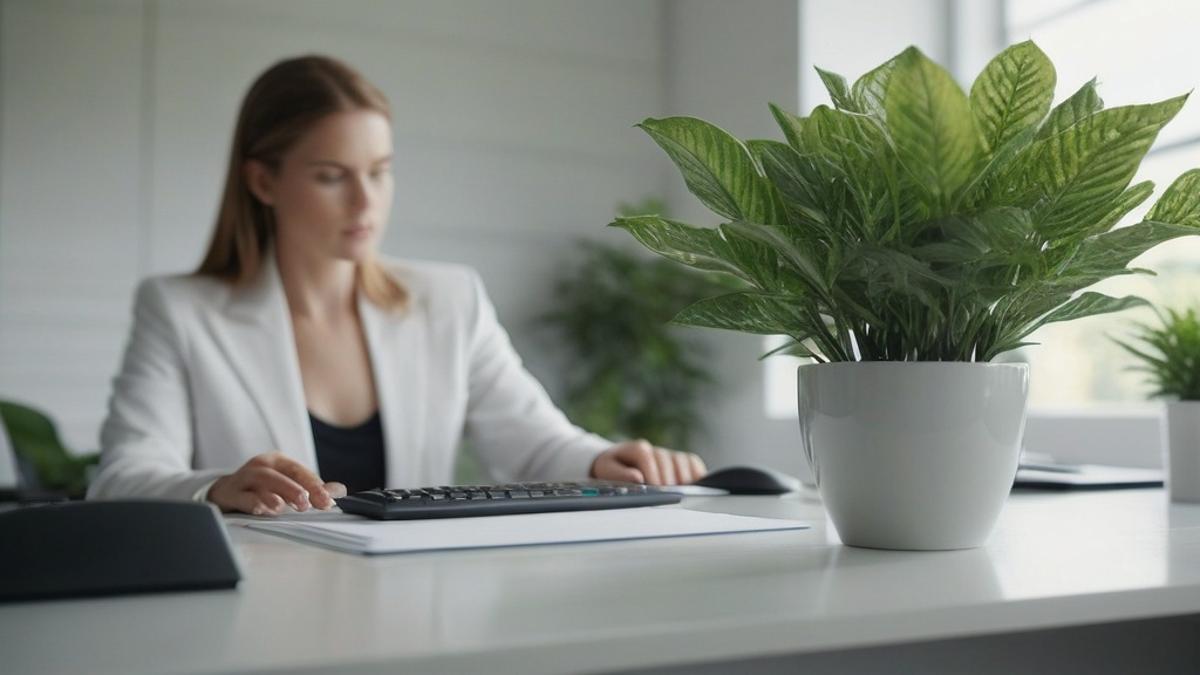
Minimalist office design isn’t about empty rooms or sterile aesthetics. It’s a deliberate strategy for reducing visual noise and mental fatigue. A carefully curated workspace fosters creativity and encourages a more effective workflow.
Consider what separates a functional setup from a chaotic one:
- Fewer decision points — Every object on your desk is a micro-decision your brain processes. For instance, simply choosing a pen from a cluttered desk requires energy and focus, which could be better spent on substantive tasks.
- Defined zones — Separate areas for active work, storage, and reference materials help streamline your workflow. Creating a “zone” for tasks such as phone calls, writing, and organizing can lead to greater efficiency.
- Intentional lighting — Natural light or adjustable desk lamps can significantly reduce eye strain, enhancing your comfort and focus. With studies suggesting that proper lighting can lead to improved mood and productivity, this is an important aspect to consider.
- Cable and cord management — Hidden or bundled wiring eliminates visual chaos. Organizing cords and cables not only improves the look of your space but also reduces the frustration of tangled wires, which can serve as distracting elements in the background.
These aren’t abstract design principles. They’re efficient workspace tips backed by cognitive research on attention restoration. By limiting distractions and creating a soothing environment, you prepare yourself to focus on complex tasks without interruption.
What This Article Covers
This guide breaks down practical workspace organization ideas you can implement this weekend, not someday. You’ll find specific decluttering work area strategies, furniture recommendations, and digital organization systems. These actionable tips are aimed not just to tidy your space but also to foster creativity and enhance productivity.
By the end, you’ll have a blueprint for building a genuine focus-enhancing environment—one that works with your attention span instead of against it. Embracing a thoughtful approach to your workspace will empower you to tackle tasks more effectively and enjoy a significant boost in your overall productivity. Transforming your workspace can lead to not just improved focus but a more fulfilling work experience.
The Five-Minute Audit That Reveals Your Desk’s Hidden Problems
Before diving into any redesign, take stock of what’s actually sitting on your desk right now. Researchers at Princeton University found that visual clutter directly competes with your ability to process information, essentially forcing your brain to work overtime just to filter out irrelevant stimuli. That extra cognitive load adds up fast.
Try this exercise: set a timer for five minutes and list every single item within arm’s reach of your keyboard. Most people are shocked to count 15 to 20 objects—many of which haven’t been touched in weeks. This simple audit is often the first step toward a genuine minimalist workspace for better focus.
Sorting Reality From Habit
Once you have your list, categorize each item honestly. Office organization experts in cities like Chicago and San Francisco—hubs known for high-density coworking spaces—often recommend a three-tier sorting system to kickstart the decluttering work area process:
- Daily essentials — Items you physically use every single workday, like your laptop, a notebook, or a water bottle.
- Weekly tools — Things you reach for occasionally, such as a stapler, extra charging cables, or reference binders.
- Rarely touched — Old memos, promotional pens, decorative knick-knacks, or gadgets you thought you’d use but never do.
The goal isn’t to eliminate everything in the second and third categories immediately. Instead, it’s about relocating those items to drawers, shelves, or storage bins outside your direct line of sight. This single shift can transform a cluttered surface into a functional command center.
Why Physical Clutter Mirrors Digital Clutter
Interestingly, the same principles apply to your computer desktop. A 2023 survey by a leading productivity software company found that professionals with more than 50 icons cluttering their desktop screens reported significantly higher stress levels compared to those with streamlined digital setups.
This connection matters because minimalist office design isn’t confined to physical furniture and supplies—it extends into every visual field you interact with throughout the day. A messy desktop, an overflowing inbox, and a cluttered physical desk all send the same signal to your brain: unfinished business, competing priorities, and unresolved decisions.
Addressing both dimensions simultaneously creates a more cohesive focus enhancing environment. Employees at companies like Basecamp and Buffer, both known for remote-first cultures, have publicly discussed how simplifying digital and physical workspaces together led to measurable improvements in daily output and reduced end-of-day fatigue.
These efficient workspace tips aren’t complicated, but they require honesty about what you actually use versus what you’ve simply grown accustomed to seeing. That distinction is where real transformation begins.
| Category | Details |
|---|---|
| Workspace Setup | A minimalist office design should prioritize essential tools, ensuring that clutter is eliminated, fostering enhanced concentration. |
| Decluttering | Strategies such as storing infrequently used items away can significantly create a focus-enhancing environment. |
| Color Psychology | Utilizing calming colors like blue and green promotes focus and productivity within your workspace organization ideas. |
| Ergonomics | Investing in ergonomically designed furniture ensures comfort, significantly reducing distractions from discomfort. |
| Lighting | Natural lighting is vital; it can uplift mood and reduce eye strain, key for an efficient workspace. |
DISCOVER MORE: Click here for tips on maximizing your space
Choosing Furniture and Layout That Support Deep Work
Once the clutter has been sorted, the next step in building a true minimalist workspace for better focus involves examining the furniture and layout you rely on every day. It’s not just about aesthetics—the physical structure of your desk setup can either support sustained attention or quietly undermine it.
A 2022 workplace ergonomics study conducted by Cornell University found that employees using appropriately sized, single-purpose desks reported 23% fewer instances of task-switching compared to those working at oversized desks cluttered with multiple monitors, personal items, and overflow storage. The takeaway is simple: bigger isn’t always better when it comes to minimalist office design.
The Case for Fewer, Better Objects
Instead of accumulating multiple organizers, trays, and accessories, consider investing in fewer items that each serve a clear purpose. Companies like Herman Miller and Steelworks, both recognized for ergonomic office furniture, have shifted product lines in recent years toward modular, single-function pieces rather than bulky all-in-one units.
Some practical workspace organization ideas to consider include:
- A single closed-storage unit — Replacing three or four open bins with one drawer keeps surfaces clear while still providing access to supplies.
- Cable management sleeves — Hiding cords behind or beneath the desk removes a significant source of visual noise.
- Adjustable monitor arms — Freeing up desk surface area by mounting screens rather than resting them on stands.
Lighting and Color as Overlooked Variables
Beyond furniture, lighting plays a surprisingly large role in creating a focus enhancing environment. Harsh overhead fluorescent lighting, common in many older office buildings across cities like New York and Boston, has been linked to increased eye strain and afternoon fatigue in multiple occupational health studies.
Swapping to warmer LED desk lamps or maximizing natural light exposure near windows can reduce strain while subtly reinforcing a calmer visual field. Similarly, neutral wall colors and desk finishes—think soft grays, muted whites, or natural wood tones—tend to reduce sensory competition compared to bright, high-contrast colors.
These efficient workspace tips may seem minor individually, but together they compound. A desk with fewer objects, hidden cables, better lighting, and calming colors creates an environment where your brain has fewer decisions to make before it can settle into actual work.
This is the deeper logic behind decluttering work area strategies: every visual element either demands attention or fades into the background, and a well-designed workspace tips the balance firmly in favor of the latter.
Bringing It All Together: A Workspace That Works for You
Building a minimalist workspace for better focus isn’t a one-weekend project with a finish line. It’s an ongoing practice of noticing what pulls your attention away and removing it, piece by piece, until what remains actually serves your work.
From clearing physical clutter to rethinking furniture, lighting, and color, each layer discussed throughout this article plays a distinct role. Together, they form a system rather than a single fix. A single-purpose desk paired with hidden cables and warmer lighting doesn’t just look cleaner—it measurably reduces the mental friction that leads to task-switching and fatigue.
Small Changes, Compounding Results
What makes these efficient workspace tips compelling is their cumulative effect. No single adjustment—an organizer here, a lamp there—will transform your productivity overnight. But layered together, they create an environment where distraction has fewer places to hide.
This is the real promise behind minimalist office design: not a sterile, empty room, but a space calibrated so your attention naturally gravitates toward the task at hand rather than away from it.
Rethinking Space as an Investment
It’s worth remembering that a focus enhancing environment isn’t static. As work habits shift—more video calls, new tools, different projects—your setup may need revisiting. Treat workspace organization ideas as an evolving toolkit, not a fixed checklist.
For readers just starting out, the most practical entry point remains decluttering work area routines: a five-minute nightly reset, one drawer instead of four, cords tucked out of sight.
From there, layout, lighting, and color become natural next steps rather than overwhelming overhauls. The result is a workspace that quietly supports concentration, day after day, without demanding constant willpower to maintain it.
Frequently Asked Questions
What are the essential items to include in a minimalist workspace for better focus?
To create an efficient minimalist workspace for better focus, include only essential items such as a desk, a comfortable chair, a computer, and a good-quality monitor. Additionally, consider adding a notepad and pen for jotting down ideas. Avoid clutter by limiting decorations and unnecessary gadgets.
How can I declutter my current workspace to achieve a minimalist design?
Begin by removing all non-essential items from your workspace, including outdated papers and knick-knacks. Organize the remaining items into categories and only keep what you regularly use. Invest in storage solutions, like drawer organizers, to maintain a clean and minimalist appearance.
What is the best way to arrange furniture in a minimalist workspace?
Arrange your furniture to create an open and inviting atmosphere, allowing for easy movement. Position your desk near a window for natural light and optimize the layout for comfort and functionality. Ensure that your chair is ergonomically designed to encourage proper posture during work.
Can minimalism enhance productivity in a workspace, and how?
Yes, minimalism can significantly enhance productivity by minimizing distractions and creating a tranquil work environment. A clutter-free space allows for clearer thinking and better focus on tasks at hand, leading to improved efficiency and creativity in your work.
Are there specific colors or materials that work best for a minimalist workspace?
For a minimalist workspace, opt for neutral colors like whites, grays, and soft pastels that create a calm atmosphere. Materials such as wood, metal, and glass can provide a modern touch while keeping the aesthetic clean. This combination not only maintains simplicity but also enhances focus.

Linda Carter
Linda Carter is a writer specializing in minimalism and personal organization. With extensive experience helping readers create more functional and balanced routines, she shares practical advice on decluttering, organizing spaces, simplifying daily tasks, and making more intentional choices. Her goal is to offer clear guidance and accessible strategies that help people reduce excess, improve their surroundings, and enjoy a calmer, more organized lifestyle.