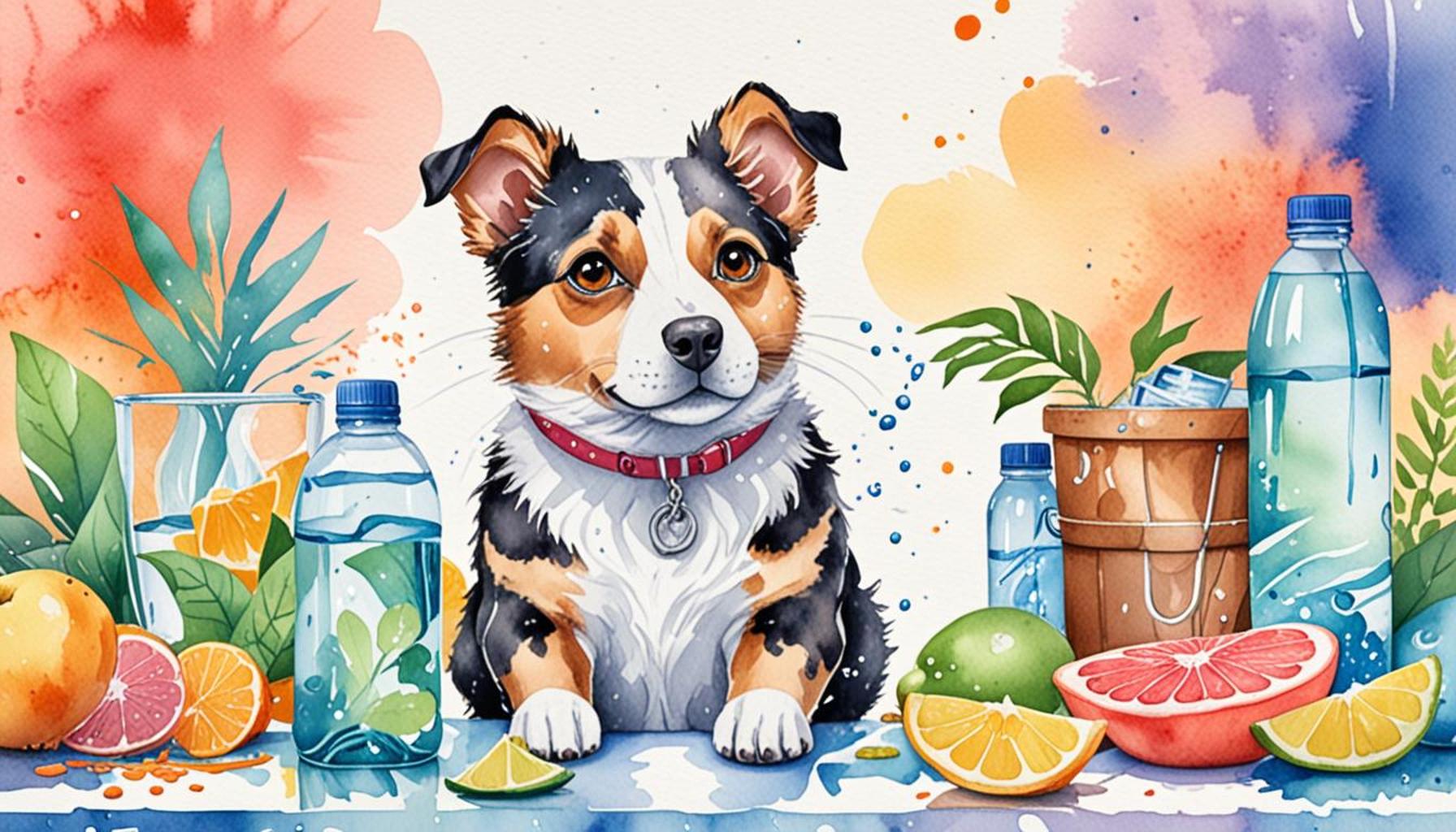
Nutrition and Dental Health: How Food Influences the Oral Health of Pets

Exploring the Critical Role of Nutrition in Pet Dental Wellness
The connection between nutrition and dental health in pets is an essential but often overlooked aspect of holistic pet care. Many pet owners in Nigeria may not fully understand how the food they feed their pets can profoundly influence their oral health. Providing high-quality nutrition is not just about maintaining a healthy weight; it is also pivotal in preventing dental diseases and ensuring strong teeth and healthy gums.
One of the first considerations should be the quality of pet food being offered. Not all pet foods are created equal, and those that contain fillers, artificial additives, and excessive carbohydrates can contribute to dental problems. Owners should look for high-quality products that list whole meat sources and beneficial ingredients as the primary components.
Ingredients that Foster Dental Health
Certain ingredients are known for promoting dental health. For example, foods rich in calcium are vital for strengthening bones and teeth. This mineral helps harden tooth enamel, making them resistant to decay. Similarly, phosphorus works in tandem with calcium, supporting the structure of teeth. Many commercial pet foods now include these nutrients in their formulations, but it’s essential to check the labels.
Additionally, vitamins such as Vitamin A and Vitamin C are crucial for maintaining healthy gums. Vitamin A aids in cellular development and immune function, while Vitamin C is vital for collagen formation, which supports gum integrity. Ensuring that your pet’s diet includes these nutrients can help minimize the risk of periodontal disease.
Impact of Sugary Snacks on Oral Hygiene
On the flip side, certain foods can adversely affect dental health. Soft and sugary treats, such as those that are not specifically formulated for pets, can lead to significant plaque buildup and tooth decay. It’s not uncommon to find pets in Nigeria indulging in leftover human food, which may contain high sugar content. This can pave the way for serious dental issues, pain, and potential infections that extend beyond oral health, leading to systemic health concerns.
In conclusion, an understanding of the relationship between nutrition and dental health is vital for any pet owner looking to improve their animal’s overall well-being. By making informed food choices, one can significantly impact their pets’ oral hygiene and long-term health. Investing in high-quality pet food filled with nutritionally beneficial ingredients is a small price to pay for the health of your beloved companion. As we explore this topic further, it becomes clear that what goes into a pet’s bowl can create ripples in their overall quality of life.
The Link Between Diet and Dental Disease
The relationship between nutrition and dental health in pets is more profound than many pet owners may realize. In Nigeria, where a diverse range of pet foods is available, it’s crucial for pet owners to understand which nutritional factors contribute to maintaining optimal oral hygiene. Just as humans can develop oral health issues from poor diet, pets are also susceptible to dental diseases that stem from improper nutrition choices.
To safeguard your pet’s dental health, understanding the specific dietary components that support healthy teeth and gums is essential. Here are some key nutritional elements that can play a pivotal role in maintaining your pet’s dental wellness:
- High-quality proteins: Protein is fundamental in forming the tissues and enzymes that contribute to dental integrity. Foods with high-quality meat sources help build strong muscles and support oral health.
- Omega fatty acids: These healthy fats help reduce inflammation and support gum health. Incorporating sources like fish oil can be beneficial for keeping gums healthy.
- Fiber: Adequate fiber can help mechanical cleaning during chewing. Foods that are crunchy or have a fibrous texture can aid in scrubbing plaque off your pet’s teeth.
- Moisture content: Providing fresh, clean water is vital. Hydration helps maintain saliva production, which is necessary for neutralizing acids in the mouth and flushing away food particles.
Foods to Include and Avoid
When considering how food influences your pet’s dental health, it’s equally important to be aware of what to avoid. In Nigeria, common food habits include offering leftovers or human snacks which can harbor harmful ingredients. Here are some foods that pet owners should steer clear from:
- Sugary treats: Just like humans, pets do not benefit from high-sugar snacks. These can lead to plaque and tartar buildup, increasing the risk of dental disease.
- Hard bones: While it might seem natural to offer bones for chewing, certain hard bones can fracture teeth, leading to dental issues.
- Processed meats: Many processed meats contain preservatives and high salt content that can adversely affect overall health, including dental health.
By being mindful of what goes into your pet’s bowl, owners can avoid common pitfalls that lead to severe dental conditions. Proper understanding of these nutritional components equips pet owners in Nigeria with the knowledge needed to make better feeding choices for their furry companions. As research continues to emerge, it becomes increasingly clear that prioritizing nutrition is not just crucial for overall health but is a powerful ally in the fight against dental disease.
When it comes to the connection between nutrition and oral health in pets, it’s crucial to understand the role that a balanced diet plays. Certain nutrients can significantly enhance the strength of tissues in and around the mouth, contributing to better overall dental health. For instance, calcium and phosphorus are essential for maintaining healthy teeth and bone structure. Foods rich in these minerals not only support dental health but also improve overall vitality.
Moreover, hydration plays an often-overlooked role in maintaining oral hygiene. Ensuring pets have constant access to fresh water helps in flushing away food particles and bacteria that might contribute to plaque buildup. Additionally, incorporating crunchy kibble into a pet’s diet can promote mechanical cleaning of teeth, further aiding in preventing gum disease.
Furthermore, specific foods can actually combat bad breath and dental issues. For example, including fruits and vegetables like carrots or apples can contribute to freshening breath. Natural enzymes found in some ingredients can break down plaque and support healthier gums, leading to a significant reduction in dental health problems.
Implementing a well-rounded diet tailored to the unique needs of pets can go a long way in enhancing their dental health. It’s essential to consider veterinary guidance to create an optimal menu that meets both nutritional and dental needs. By doing so, pet owners can not only prolong their pets’ lifespan but also enrich their quality of life, truly embodying the connection between nutrition and dental health.
Understanding Dental Care through Nutrition
In Nigeria, as more pet owners strive to improve their furry companions’ dental health, an increasing awareness of the connection between nutrition and oral hygiene becomes imperative. An effective dental care strategy revolves around promoting not just the right food choices but also incorporating nutritional practices that support dental wellness. Beyond simply selecting the right foods, it’s essential to comprehend the importance of a balanced diet in preventing dental issues.
The role of antioxidants and vitamins in a pet’s diet cannot be overstated. For instance, foods rich in vitamin C, such as fresh fruits and vegetables, can bolster the immune system, which is vital in combating oral infections. Regular inclusion of these vitamins plays a significant part in keeping gums healthy. In Nigeria, introducing vegetable options like carrots or cucumbers can not only provide necessary vitamins but also aid in the natural cleaning of teeth as pets chew.
The Role of Dental Treats and Chews
Another exciting element in pet nutrition that directly affects oral health is the use of dedicated dental treats and chews. Many companies now manufacture functional treats specifically designed to reduce plaque and tartar buildup. These treats may contain ingredients such as chlorophyll and baking soda that combat bad breath and promote cleaner teeth. Pet owners should look out for products certified by veterinary dental associations, ensuring they effectively contribute to dental care.
However, pet owners should still be vigilant. Chewing on inappropriate objects or unhealthy treats can exacerbate dental problems. Items like rawhide or overly processed chews may avoid some issues while potentially introducing others, such as digestive troubles. Thus, understanding what constitutes a healthy dental chew for pets can help maintain optimal oral hygiene.
Regular Dental Check-ups and Their Nutritional Correlation
A vital aspect of comprehensive pet dental care is the integration of regular veterinary check-ups. These visits often lead to the early detection of dental diseases. During such appointments, the veterinary professional can also provide insight into dietary recommendations tailored to your pet’s specific needs. Regular scaling, polishing, and cleaning sessions can help in addressing issues that arise from dietary inadequacies.
Moreover, considering that certain breeds are more predisposed to dental ailments, such as small dog breeds like Chihuahuas and Yorkshire Terriers, nutritional strategies may need individual tailoring. Pet owners should consult their veterinarians about specialized nutritional needs to prevent periodontal disease, keeping in mind that each pet’s dietary requirements are unique.
Exploring the diverse local pet food options available in Nigeria further empowers pet owners to make decisions based on their knowledge of the nutritional impact on oral health. Homemade diets, when balanced correctly, can also be a key tool for sustaining healthy teeth—a method loved by many owners seeking a more hands-on approach to their pets’ nutrition.
By actively engaging in the nutritional management of their pets, owners can foster an environment that not only promotes dental health but also leads to overall well-being. With the right information and guidance, the journey towards enhancing the dental health of pets becomes a fulfilling part of pet ownership.
Conclusion: The Vital Link between Nutrition and Pet Dental Health
In summary, the relationship between nutrition and dental health in pets cannot be emphasized enough. By understanding how the food we provide influences our furry companions’ oral hygiene, pet owners can take proactive steps towards maintaining their pets’ dental well-being. A balanced diet rich in vitamins, antioxidants, and specialized dental treats can significantly lower the risk of periodontal disease and improve overall health.
As seen in local Nigerian practices, the inclusion of fresh, natural options like fruits and vegetables not only offers essential nutrients but also serves as a natural toothbrush, promoting better oral hygiene through the act of chewing. Moreover, pet owners are encouraged to seek out products that meet veterinary standards to ensure they make informed choices. The significance of regular veterinary check-ups cannot be understated, as these appointments are pivotal for early diagnosis and tailored dietary recommendations for each pet’s unique needs.
As a result, pet owners must remain vigilant and proactive, recognizing that good nutrition plays a fundamental role in their pets’ longevity and happiness. By exploring diverse food options available in Nigeria and embracing homemade dietary solutions, owners can cultivate habits that foster both oral health and overall wellness. The ongoing journey of enhancing pet dental health through thoughtful nutrition is an essential aspect of responsible pet ownership, ensuring that our beloved pets lead healthy, vibrant lives.