Pet Care in Crisis Times: How to Protect Your Pet During Emergencies in Nigeria

Understanding the Importance of Pet Care in Crises
Emergencies can strike without warning, whether it be due to natural disasters like floods and droughts, or social tensions that lead to civil unrest in Nigeria. In such challenging times, keeping our pets safe is not just an act of responsibility, but a reflection of the emotional bond we share with them. Having a well-thought-out strategy for pet care in crisis times can significantly ease the anxiety for both owners and their furry companions.
Essential Components of a Pet Emergency Kit
One of the first steps in preparing for any emergency is to assemble an emergency kit specifically designed for your pets. This kit should include:
- Food and Water: Stock up on enough pet food to last at least a week, and always include a portable water container. It’s also wise to have a supply of bottled water, as access to clean water may become compromised during an emergency.
- Medications and Medical Records: If your pet is on any medications, ensure you have an ample supply. Keep copies of their medical records, including vaccination history, to ensure that they can receive proper care if needed.
- Identification Tags: Having your pet wear a collar with tags that include your contact information is crucial. In emergencies, pets may become frightened and escape, making it essential for them to be easily identifiable.
Planning Your Evacuation and Communication Strategy
An effective evacuation plan is vital. Familiarize yourself with the nearest pet-friendly shelters, which may include hotels, community centers, or even friends’ homes. Knowing the quickest routes out of your city or neighborhood can save valuable time in an emergency. Additionally, consider investing in a sturdy leash and a soft carrier or crate, making travel with your pet more manageable.
During crises, staying connected is crucial. Monitor local news updates through radio or mobile alerts regarding potential threats, and have vital contact numbers for local veterinary services readily accessible. Communities often band together during crises; engaging with your neighbors can foster a support network where pet owners can assist one another.
Individual Needs of Your Pets
Understanding the unique needs of your pets is imperative during stressful situations. For example, dogs may experience heightened anxiety and require more frequent walks to relieve stress. Conversely, cats often seek safety in small, enclosed spaces, so providing a designated secure area is important. An awareness of these behavioral tendencies helps in reducing anxiety levels, making the emergency experience less traumatic for pets.
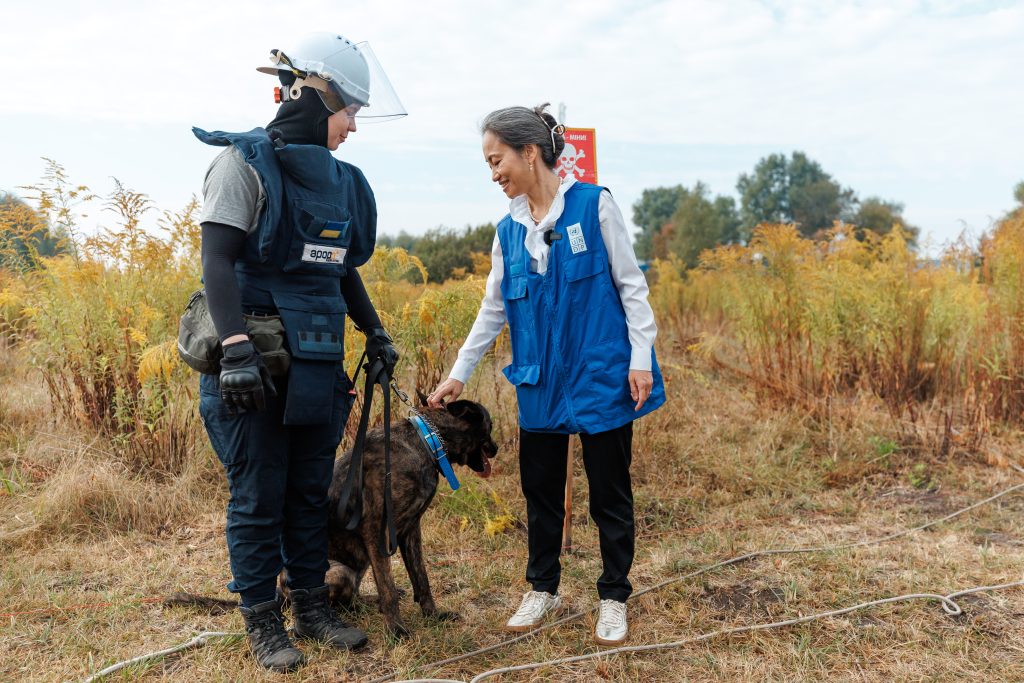
By laying the groundwork with thorough plans and preparation, pet owners can ensure that their furry friends are not just protected but also remain comfortable and calm during uncertain times. By discovering these practical strategies for protecting your pet during emergencies in Nigeria, you are taking a proactive approach that can greatly reduce the chaos typical of crises. Empower yourself and your loved ones by preparing today, ensuring that your pets can weather the storm alongside you.
Preparing for the Unexpected: Key Strategies for Pet Owners
In the face of emergencies, being proactive is essential for ensuring your pet’s safety and well-being. In Nigeria, where the environment can be volatile—ranging from seasonal flooding to civil disturbances—having a robust plan in place is crucial. Simply hoping for the best is not enough; you must equip yourself with the right knowledge and supplies to navigate potential crises effectively.
Stockpile of Essentials: Building Your Pet’s Emergency Supply
Your pet’s emergency supply kit is the foundation of your crisis preparedness strategy. This kit should encompass a variety of items tailored to your pet’s needs, including:
- Emergency Food Supply: Choose non-perishable pet food that does not require cooking. Look for brands with long shelf lives and store enough to last at least a week. Consider your pet’s dietary restrictions or allergies and select options accordingly.
- Water Availability: Clean water is a necessity. It is recommended to have at least one gallon per pet per day. Use collapsible bowls for easy transport during evacuations.
- First-Aid Kit: This should include bandages, antiseptic, and any specific medications your pet might take regularly. Familiarize yourself with how to use the items in the kit to address small injuries or emergencies promptly.
- Comfort Items: Bring familiar items like toys or a blanket that smells like home. These can provide emotional comfort to pets who may be stressed during a crisis.
Establishing a Safe Haven: Pet-Friendly Shelters and Locations
When planning for disasters, identifying pet-friendly shelters is crucial. Research local areas that allow pets, including hotels and community centers, where you can safely retreat during emergencies. Additionally, make an arrangement with friends or family who can accommodate you and your pet if you need to evacuate. Such relationships can prove invaluable during high-pressure situations and ensure that both you and your furry companions are secure.
When creating this plan, also consider transportation. Invest in a reliable carrier or sturdy leash; you may need to transport your pet quickly, especially in cases of sudden evacuations. Traveling in a calm manner and ensuring your pet feels secure during such transitions can make a significant difference in their behavior and overall comfort.
Assessing Risks and Adapting Plans
Every region in Nigeria has its natural risks. Knowing the most likely emergencies to affect your area—whether floods, droughts, or civil unrest—can help you customize your preparations. For instance, if you live in a flood-prone area, ensure that both your emergency kit and evacuation plans consider a significant need for displacement. On the other hand, areas prone to unrest may require you to have a plan for lockdown and sudden exits.
Being informed and ready not only protects your pet, but also adds a layer of peace for you as an owner. By investing time in these preparations, you cultivate a sense of readiness that can make all the difference in those moments when you need to act swiftly. This diligence is not merely about survival; it is about relationship and responsibility, ensuring your pets can weather any storm right by your side.
Essential Steps for Pet Care During Emergencies
In Nigeria, where natural disasters and socio-political crises can arise suddenly, ensuring the safety and well-being of your pet becomes paramount. Here are some crucial steps every pet owner should take to protect their furry companions during such uncertain times:
1. Create a Disaster Plan
Every household should have a comprehensive disaster plan that includes pets. This plan should outline safe evacuation routes, a list of emergency contacts, and a designated safe place to go. Familiarize your pet with these routes and ensure they are comfortable with your chosen safe haven.
2. Assemble an Emergency Kit
An emergency kit specifically for your pet should be prepared ahead of time. This kit should include essential items such as food, water, medications, a first aid kit, and bedding. It is vital to have enough supplies to last at least three days. Familiarize yourself with the feeding and medication regimens of your pet and keep a detailed record in your kit.
3. Identification and Microchipping
In times of crisis, the likelihood of pets getting lost increases significantly. Ensure your pet has proper identification through collars and tags with your contact information. Consider microchipping as a permanent solution to enhance the chances of reunification should you become separated during an emergency evacuation.
4. Stay Informed About Local Resources
Having knowledge of local shelters, veterinary clinics, and animal services can be invaluable during a crisis. Many organizations offer resources specifically for pets during emergencies. During a crisis, stay tuned to local news and social media platforms to receive updates on pet-friendly shelters or safety measures in your area.
5. Practice Emergency Drills
Just like human family members, pets can benefit from emergency drills. Conduct regular practice sessions where you simulate various emergency scenarios. This helps your pets acclimate to quick exits, understanding commands, and reduces anxiety during actual events.
6. Maintain Calmness
In times of crisis, your pet can sense your stress and anxiety. Remaining calm can help soothe their nerves. Use positive reinforcement and comforting techniques, such as gentle petting or soothing voice tones, to ease their worries during emergencies.
Understanding Local Challenges
Crisis situations are inherently challenging in Nigeria due to both environmental factors and logistical limitations. Flooding in certain regions can disrupt services and make transportation difficult, while urban conflicts often lead to increased panic and unpredictability. Being aware of these challenges can help you devise better strategies for pet care.
| Category | Key Features |
|---|---|
| Preparedness | Keeping an emergency kit and plan is critical for pet safety. |
| Identification | Microchipping and tags can aid in recovering lost pets during crises. |
These steps act as a foundation for keeping your pets safe and secure during chaotic times. Remaining proactive can mean the difference between panic and effective action. By investing time in preparation, you can ensure that both you and your pets face crises with resilience.
Effective Communication: Keeping Your Pet Calm and Safe
During a crisis, one of the most vital but often overlooked aspects of pet care is how you communicate with your furry friends. Animals can sense tension and fear, which can lead to panic and anxiety. It’s essential to remain as calm as possible and to use a soothing tone when speaking to your pets. Familiar commands and phrases will help them understand that they are safe and that you are in control.
Training for Emergency Situations
Incorporating emergency response training into your pet’s routine can significantly help them cope during distressing times. Teaching your pet to respond to basic commands such as “come,” “stay,” and “wait” can be quite beneficial, especially in chaotic situations. Consider enrolling your pet in a training class focused on obedience, or even implement training sessions at home.
Moreover, socializing your pet with various people and environments can also mitigate fear. Exposure to different sounds, sights, and experiences makes pets more adaptable to sudden changes—like the loud noises of storms or the commotion during evacuations. The better prepared your pet is for unusual circumstances, the more confidently they will navigate through them.
Health Checks: The Importance of Regular Veterinary Care
Maintaining your pet’s health can make a significant difference during emergencies. Regular veterinary check-ups ensure that your pet is fit to handle stressful situations physically. Eating well, receiving vaccinations, and keeping up with parasite control not only contribute to your pet’s overall wellness but also reduce the likelihood of health issues cropping up when they are under stress.
Each pet owner should ensure that their pets are microchipped or have an ID tag. This provides a secure method of identification, making it easier to find them if lost during chaotic situations. While you can find ID tags for your pets readily available in Nigeria, microchipping offers a more permanent solution that is invaluable should your pet become lost during an emergency.
Engaging and Understanding Local Wildlife
Sometimes crises result from interactions with local wildlife, whether during food shortages or in urban settings. It’s important to keep your pets informed and prepared for encounters with wildlife such as monkeys, snakes, or even stray animals that can pose threats. Understanding how to handle these encounters and teaching your pets proper behavior around wildlife will ensure their safety while safeguarding local ecosystems.
Incorporating lessons from local wildlife prescribes a balanced approach to pet ownership in Nigeria. For example, ensure pets are always leashed when in territories where they might encounter wild animals, and consider taking self-defense classes for yourself in case of emergencies with aggressive animals. Understanding the wildlife around you not only helps you protect your pets but also fosters a safer community for all.
By adopting a holistic view of your pet’s crisis preparation, you provide them not just with safety but with an enriched life that empowers both of you during emergencies. Your proactive approach today can significantly enhance your pet’s survival and comfort tomorrow, making a world of difference in times of crisis.
Conclusion: Empowering Pet Owners for Crisis Preparedness
In the face of crises, whether natural disasters, socioeconomic challenges, or health emergencies, ensuring the safety and wellbeing of our pets in Nigeria becomes paramount. As outlined, effective communication, emergency training, and regular veterinary care are vital components in preparing our furry companions for unforeseen circumstances. Each pet owner has the responsibility to remain calm, provide guidance, and create a structured environment that fosters trust and alertness in their pets during times of distress.
Moreover, understanding and engaging with local wildlife helps both pets and owners navigate unfamiliar and potentially dangerous situations. By teaching pets how to behave around wildlife and ensuring they are equipped with proper identification, we bolster their chances of survival should they ever become lost or threatened.
As we adopt a holistic approach to pet care, it is essential to recognize that our proactive measures today lay the groundwork for a more secure tomorrow for our pets. By frequently assessing their health, keeping them socially acclimatized, and preparing them for emergencies, we not only protect their lives but also enhance their quality of life. In the ever-evolving landscape of Nigeria, let us commit to being vigilant, resourceful, and compassionate pet owners, because the love and loyalty of our pets deserve nothing less than our best efforts in their protection.
Stay informed and prepared, for a well-planned strategy can significantly mitigate the adverse effects of crises on our beloved pets, ensuring their safety and happiness in every situation.