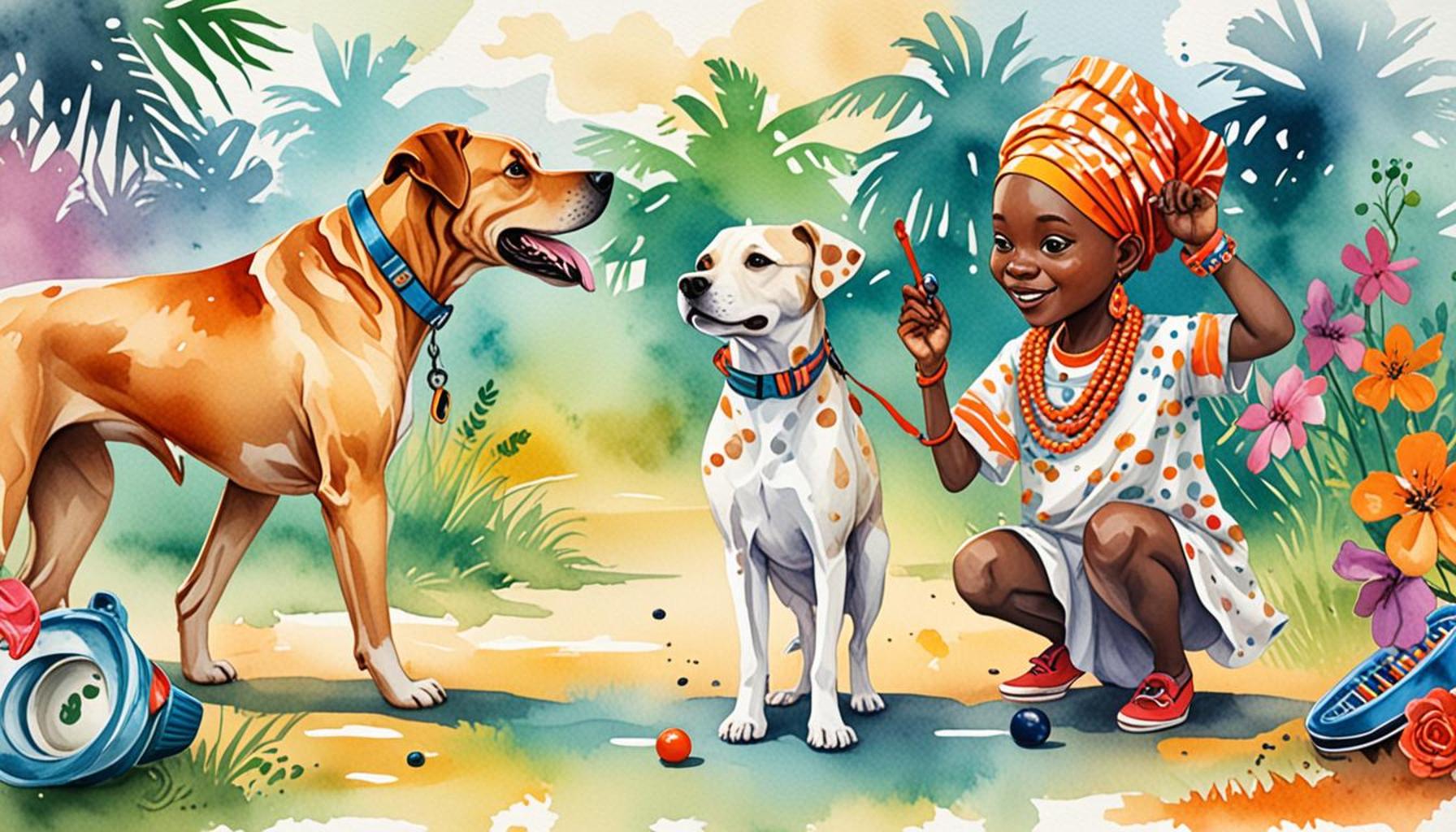
Positive Training Techniques for Dogs: Building a Healthy Relationship with Your Pet

Building a Trusting Relationship with Your Canine Companion
Establishing a strong bond with your dog begins with understanding the principles of positive training techniques. These methods emphasize rewards over punishments, fostering a healthy relationship that promotes mutual respect and trust. In Nigeria, where pet ownership is on the rise, positive training techniques can profoundly transform your experience with your furry companion, enhancing not only their behavior but also your interaction with them.
Key Benefits of Positive Training
- Enhances Bonding: Positive reinforcement creates a loving and supportive atmosphere, making your pet more receptive to learning. When a dog receives treats or praise for good behavior, it associates those encouraging experiences with its actions, thereby strengthening the emotional bond with its owner.
- Reduces Behavioral Issues: Dogs trained through positive methods are less likely to exhibit anxiety or aggression. This is particularly significant in Nigeria, where dogs often navigate bustling urban environments. A well-trained dog can reduce stress levels in both the pet and owner, leading to a happier and healthier life.
- Encourages Lifelong Learning: Utilizing treats and praise motivates dogs to continue learning throughout their lives. A dog who enjoys training sessions is likely to engage better, ensuring a well-rounded and obedient pet.
As more Nigerians embrace pet ownership, the advantages of positive reinforcement techniques become apparent. For instance, clicker training—a method that uses a small handheld device to make a distinct sound when the dog performs the desired behavior—has gained popularity. This technique offers a structured learning experience that is both effective and enjoyable. It allows the owner to mark the exact moment a dog performs the right action, providing clear feedback that is crucial for learning.
Additionally, methods such as reward-based training can be easily incorporated into daily routines; for example, rewarding your dog with a treat for sitting calmly while you prepare their meals, or giving praise when they engage politely with visitors. Furthermore, these methods can foster behavioral improvements that lead to a more peaceful household.
Join us as we dive deeper into these transformative training techniques, exploring practical tips and enriching your journey with your four-legged friend. By embracing positive reinforcement, you not only train your dog but also establish a lasting bond built on trust and understanding. Your dog’s happiness, and your peace of mind, may very well depend on this nurturing approach to canine companionship.
Understanding Positive Reinforcement: The Heart of Effective Dog Training
At the core of positive training techniques lies the concept of positive reinforcement, a method that not only teaches dogs desirable behavior but also establishes a foundation for respectful communication between pets and their owners. This approach is notably effective for Nigerian dog owners, as it encourages engagement and cooperation in a culture where dogs are increasingly being regarded as beloved family members.
Positive reinforcement involves rewarding a dog for appropriate behavior rather than punishing it for misdeeds. This can include verbal praise, treats, or playtime—anything that your dog finds rewarding. Research has shown that when dogs are rewarded for good behavior, they are more likely to repeat those actions, thereby learning more effectively. By contrast, punitive measures can lead to fear-based responses, reducing the likelihood of a trusting relationship between you and your dog.
Implementing Positive Training Techniques
To effectively incorporate positive training techniques, it is essential to consider the various methods that can fit into your lifestyle and your dog’s personality. Here are some practical strategies to get you started:
- Start with Basic Commands: Teach your dog fundamental commands such as ‘sit’, ‘stay’, and ‘come’. Use treats or toys as rewards to reinforce these behaviors. This establishes a solid groundwork for future training.
- Use Clicker Training: This technique utilizes a clicker to mark desired behaviors, followed swiftly by a reward. The click sound serves as a clear signal to your dog that they have performed the correct action, making the training session efficient and focused.
- Consistent Cues and Signals: Use consistent verbal cues and body language to help your dog understand what is expected. For instance, pairing the command ‘sit’ with hand signals can accelerate the learning process and create a more interactive experience.
- Socialization Through Reward: Encourage positive interactions with other people and animals by rewarding calm behavior. For instance, if your dog remains relaxed during a visit to the local market, reward them with praise or treats to reinforce that calm demeanor.
In the vibrant and often chaotic environments found across Nigerian cities, socializing your dog becomes crucial. Utilizing positive reinforcement in such settings not only enhances your dog’s adaptability but also reduces stress levels for both of you. A well-socialized dog is not just a pleasure to have, but also a great ambassador for responsible pet ownership in Nigeria.
As you embark on this journey towards building a healthy relationship with your dog, remember that patience and consistency are key. Positive training techniques demand effort and time, but the rewards—such as a harmonious home and a loyal companion—are immeasurable. By choosing to focus on positive interactions, you lay the groundwork for a fulfilling and long-lasting bond with your furry friend.
| Advantages | Description |
|---|---|
| Strengthened Bond | Utilizing positive reinforcement fosters trust, creating a deep emotional connection between owner and pet. |
| Effective Learning | Dogs learn faster when rewarded for good behavior, resulting in more impressive and sustainable training outcomes. |
| Improved Behavior | Encouraging desired behaviors reduces anxiety and strengthens communication, leading to a well-behaved pet. |
| Builds Confidence | Positive training helps dogs feel secure and confident in their abilities, promoting a happy and balanced temperament. |
Exploring the world of positive training techniques is essential for pet owners eager to cultivate a healthy relationship with their canine companions. By emphasizing these advantages, you not only improve your dog’s behavior but also create a strong, loving partnership. Implementing these practices can transform how you and your dog interact, ensuring a fulfilling experience for both of you. This training method requires understanding your dog’s unique needs and responding to them positively and consistently. The more you engage in these techniques, the more enriching your companionship will become.
Creating Lasting Bonds Through Trust and Engagement
Building a healthy relationship with your dog goes beyond mere obedience; it is about fostering trust and creating a connection that lasts a lifetime. With positive training techniques, you can deepen this bond by actively engaging with your pet and providing them with a sense of safety and security in their environment. In Nigeria, where dogs are becoming increasingly cherished family members, effective training methods can transform pets into well-mannered, confident companions.
The Power of Play in Training
One of the most effective ways to implement positive training techniques is by incorporating play into your training sessions. While structured commands are crucial, play is vital for engagement and mental stimulation. Games like fetch or tug-of-war can serve as fantastic rewards, allowing your dog to associate training with fun. Not only do these activities strengthen the bond between you and your dog, but they also channel your dog’s energy in a positive direction.
In an environment like Nigeria, where many urban settings provide ample opportunities for outdoor interaction, utilizing play can cater to your dog’s instincts while aiding in their social development. A well-exercised dog is less likely to exhibit problem behaviors stemming from boredom or excess energy. Furthermore, when your dog feels stimulated mentally and physically, the chances of a successful training session increase dramatically.
Positive Training Techniques for Specific Behaviors
Different behaviors warrant different approaches. Here are additional strategies for common issues:
- Leash Training: For dogs that pull on the leash, employ a technique known as ‘stop-and-go.’ When your dog pulls ahead, stop walking. When they return to your side, reward them with praise or a treat. This teaches your dog that walking politely gets them where they want to go.
- Dealing with Fear: If your dog exhibits fear or anxiety during specific situations, such as loud noises or crowded spaces, use desensitization. Introduce them gently to the triggering stimuli while rewarding calm behavior. Gradual exposure helps build their confidence.
- House Training: To successfully house train your dog, consistently reward them for eliminating outdoors. If they have an accident inside, refrain from punishment; instead, clean it up without fuss and stay focused on rewarding the desired behavior.
In Nigeria, where certain breeds are often seen as guards, it’s essential to remember that any intimidation or aggression can often stem from fear rather than an inherent trait. Understanding your dog’s background and using positive techniques will help alleviate these tendencies, ensuring your pet becomes a well-adjusted member of your household.
Involving the Family in Training
Training should be a family affair. Every member, including children, can participate in teaching your dog through positive reinforcement techniques. This not only levels up your dog’s training experience but also fosters family bonding as they learn how to communicate and work together. It can be as simple as teaching your dog to fetch a toy, where every family member can take turns rewarding the dog with praise and treats for their success.
Furthermore, involving children in training helps instill a sense of responsibility and empathy towards the dog. In Nigerian communities, where children often grow up around pets, it can teach them valuable life skills on compassion and care towards animals.
Overall, incorporating these positive training techniques can significantly enhance the relationship you have with your dog, transforming it into a companionship rooted in trust, understanding, and mutual respect. By nurturing this bond, you’re not only enhancing your pet’s behavior but also enriching your family’s overall experience and creating a more harmonious living environment.
YOU MAY ALSO LIKE: Read read another article
Fostering a Harmonious Companion Experience
In conclusion, positive training techniques are instrumental in establishing a rewarding relationship between you and your dog. The methodologies discussed not only promote good behavior but also enhance the emotional connection you share with your pet. By prioritizing trust and engagement through enjoyable interactions and constructive exercises, you lay the foundation for a lasting companionship rooted in understanding.
As you explore various training strategies—from playful engagement to addressing specific behavioral challenges—you’ll find that each approach is an opportunity to deepen your relationship with your canine friend. This is particularly significant in Nigeria, where dogs are increasingly valued as cherished family members. Harnessing the power of techniques that focus on positive reinforcement encourages behavioral success without the fear often associated with traditional training methods.
It’s crucial to remember that training is not merely a tool for controlling behavior, but a pathway for building a strong bond that extends throughout your dog’s lifetime. By involving the entire family in these training processes, you not only cultivate responsibility and compassion in children but also create an environment of unity and cooperation. The joy and satisfaction derived from successfully training your dog is immeasurable and lays the groundwork for a harmonious home.
As you move forward, be patient, consistent, and creative. Embrace the journey of learning together, and watch as your relationship with your dog blossoms into a profound companionship filled with love, respect, and joy.