Preventive Care: Vaccination and Deworming of Pets in Nigeria
The Role of Preventive Care in Pet Health
In Nigeria, the significance of preventive care for pets can profoundly impact both pet health and public safety. As issues like disease outbreaks and parasite infestations rise, a proactive approach to pet care becomes critical. Increasing awareness among pet owners is gradually transforming communities, as they recognize the essential roles that vaccination and deworming play in safeguarding the health of their furry companions.
At the core of preventive care are two major strategies:
- Vaccination: Critical to protecting pets from infectious diseases, vaccinations help prevent illnesses such as rabies, canine parvovirus, and feline distemper, all of which can severely impact animal health. For example, Nigeria has seen a rise in rabies cases due to insufficient vaccination campaigns, emphasizing the need for regular immunizations.
- Deworming: This practice involves treating pets to eliminate intestinal parasites like roundworms and tapeworms, which can lead to significant health challenges not only for pets but for humans too. Instances of cross-species transmission highlight the importance of regular deworming.
Despite the benefits, statistics indicate a startling reality: a considerable proportion of pets in Nigeria remain unvaccinated, rendering them easy prey to preventable diseases. For instance, local communities are grappling with rabies, and many cases can be traced back to unvaccinated dogs. It’s crucial that pet owners understand that vaccinations not only protect pets but also contribute to community health by mitigating the risk of zoonotic diseases.
Moreover, deworming is frequently neglected by pet owners. The symptoms of parasitic infections, which can include severe weight loss, vomiting, and diarrhea, should not be taken lightly. Pets with untreated parasitic infections can suffer from malnutrition and overall weakened health, which can, unfortunately, lead to more severe conditions and higher veterinary costs in the long run.
Education and awareness around these preventive measures are vital for responsible pet ownership. Community outreach programs, often spearheaded by local veterinarians and animal welfare organizations, are helping to bridge the knowledge gap. This article aims to explore effective practices, local resources, and the importance of regular visits to veterinary services. Ensuring that both pets and human communities remain healthy starts with informed discussions about preventive care.
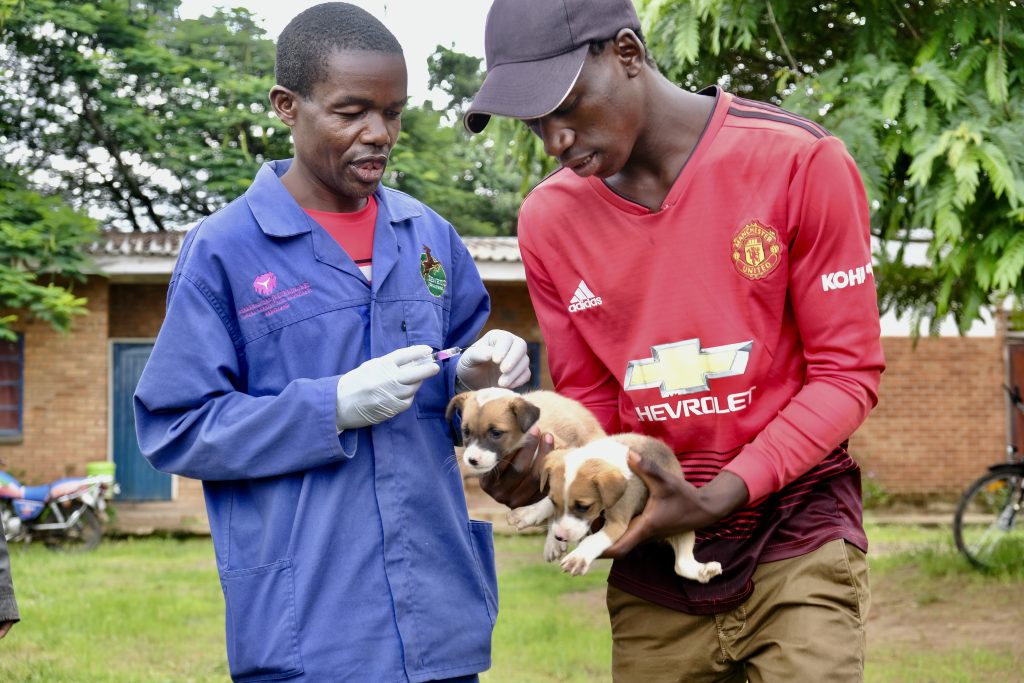
Ultimately, embracing preventive care practices not only benefits individual pets but also fosters a healthier environment for all. Pet owners are encouraged to prioritize these essential health measures, as they represent a commitment to ensuring the well-being of animals and the safety of the communities in which they live.
Understanding Vaccination: Protecting Our Pets
Vaccination serves as a cornerstone of preventive care for pets and is paramount in ensuring their health and longevity. In Nigeria, where many regions experience a high prevalence of infectious diseases, the need for routine vaccinations cannot be overstated. Vaccination protects pets from myriad viral and bacterial infections, some of which can be fatal if left untreated.
For pet owners, knowledge about which vaccines are essential for their pets is crucial. Vaccines can be divided into two primary categories:
- Core Vaccines: These are vaccines that are vital for all pets, regardless of environment or lifestyle. For dogs, core vaccines include those against rabies, canine parvovirus, and canine distemper. For cats, feline viral rhinotracheitis, feline calicivirus, and rabies vaccines are considered essential.
- Non-Core Vaccines: These vaccines are recommended based on the pet’s lifestyle, exposure risk, and geographic location. For instance, pets in urban areas may be more susceptible to leptospirosis and may require vaccination against this disease.
The rabies vaccine is of particular significance in Nigeria, where rabies poses a serious public health threat. The World Health Organization (WHO) reports that Nigeria is one of the countries with a high burden of rabies cases, often linked to unvaccinated dogs. Unfortunately, many pet owners remain unaware of the dangers posed by this disease, resulting in a continuous cycle of preventable infections.
On the other hand, the economic impact of preventing diseases through vaccination is significant. For every naira spent on vaccines, the potential savings incurred from avoiding hefty veterinary bills for treating illnesses often surpasses the initial investment. This makes routine vaccination not only a health imperative but also a wise financial decision for pet owners.
The Importance of Deworming: Combatting Parasite Infestations
Deworming is another essential aspect of preventive care that should never be overlooked. In Nigeria, where pets often roam freely and have access to various environments, the risk of contracting intestinal parasites is heightened. These parasites can cause a multitude of health issues affecting both pets and humans.
Some common parasites that necessitate deworming include:
- Roundworms: Often seen in young puppies and kittens, roundworms can lead to growth stunting and lethargy.
- Tapeworms: These are commonly transmitted through fleas and can result in severe weight loss and nutrient deficiencies.
- Hookworms: These parasites can lead to anemia and abdominal discomfort, posing a threat to the overall well-being of pets.
Regular deworming not only protects pets from the direct impacts of parasitic infections but also plays a crucial role in public health. Some parasites can be transmitted to humans, particularly to children who may come into contact with infected pets or their feces. This emphasizes the importance of responsible pet ownership, which includes regular deworming as part of a comprehensive preventive care strategy.
In conclusion, embracing the practices of vaccination and deworming is integral to the health of pets in Nigeria. Both measures prevent a range of diseases and enhance the quality of life for pets while also safeguarding the community. Pet owners are encouraged to consult with their veterinarians to establish a preventive care plan tailored to their pets’ needs, paving the way for a healthier future for all.
| Advantages | Details |
|---|---|
| Enhanced Health | Regular vaccination and deworming programs significantly reduce the risk of diseases in pets, creating a healthier environment for owners. |
| Cost-Effective | Investing in preventive care lowers long-term veterinary expenses by minimizing serious health issues that require expensive treatments. |
| Public Health Benefits | Vaccinations help control zoonotic diseases, thereby protecting the wider community, including humans, from potential outbreaks. |
| Stronger Immunity | Proper vaccinations bolster pets’ immune systems, enabling them to fight off illnesses more effectively and leading to longer, healthier lives. |
Understanding the importance of preventive care through vaccinations and deworming cannot be overstated. Engaging in regular health practices for your pets not only enhances their quality of life but also contributes positively to the overall well-being of families in Nigeria. With access to affordable veterinary services increasing across the country, pet owners are encouraged to prioritize vaccinations and deworming as essential components of responsible pet ownership. By doing so, they safeguard their pets while contributing to a healthier society at large. Embracing these preventive measures is vital for preserving the life and vitality of beloved pets.
Recognizing the Challenges: Bridging Gaps in Preventive Care
Despite the clear benefits of vaccination and deworming, various challenges hinder the adoption of preventive care practices among pet owners in Nigeria. A significant barrier is the limited accessibility to veterinary services, particularly in rural areas, where the number of qualified veterinarians is often insufficient to cater to the demand. Additionally, some pet owners may not be fully aware of the importance of regular preventive care, viewing it as an unnecessary expense rather than a crucial investment in their pets’ health.
Moreover, cultural beliefs may contribute to skepticism around vaccination and deworming. Misconceptions regarding the safety and efficacy of vaccines can lead to hesitancy among some pet owners, who may fear potential side effects rather than recognizing the benefits of protecting their pets against potentially fatal diseases. Educational campaigns aimed at dispelling these myths and informing pet owners about the realities of vaccination and deworming are essential to fostering a culture of responsible pet ownership.
Establishing a Routine: Best Practices for Pet Owners
For pet owners, establishing a routine for vaccination and deworming is vital. The American Animal Hospital Association implores pet owners to create a tailored vaccination schedule in conjunction with a veterinarian, considering factors such as age, breed, lifestyle, and regional disease prevalence. Puppies and kittens typically require a series of vaccinations, while adult pets may need boosters at regular intervals.
In Nigeria, many veterinary clinics and animal health organizations offer comprehensive vaccination packages that help simplify the process for pet owners. Additionally, free vaccination drives organized by governmental and non-profit organizations are often arranged to enhance community coverage. Pet owners should actively seek out these opportunities and make use of available resources.
Deworming Frequency and Methods
Deworming should ideally occur at regular intervals, particularly for young pets that are more susceptible to parasitic infections. The recommended frequency often ranges from every 3 to 6 months, depending on the pet’s risk factors and exposure. During routine veterinary visits, practitioners can provide deworming medications that are safe for pets based on their age and weight.
There are various forms of deworming medications, including tablets, liquids, and injections. Many pet owners prefer oral dewormers due to their ease of administration; however, it is vital to administer the correct dosage. A veterinarian’s guidance ensures that pets receive effective treatment tailored to their individual needs.
Community Awareness and Responsibility
Raising community awareness about the importance of vaccination and deworming, as well as encouraging responsible pet ownership, can significantly improve the health status of pets across Nigeria. Local governments and veterinary associations can spearhead initiatives to educate pet owners through outreach programs, workshops, and social media campaigns. Engaging local celebrities and influencers can also help amplify these messages to a broader audience.
The collective responsibility of governments, veterinarians, and pet owners plays a pivotal role in promoting preventive care practices. By fostering a culture that values vaccination and deworming, Nigeria can cultivate healthier pets, protect public health, and ensure a safer environment for all.
Conclusion: A Collective Effort for Healthier Pets
The journey toward enhanced pet health in Nigeria through preventive care, including regular vaccination and deworming, is not only a responsibility of pet owners but also a shared obligation among communities, veterinary professionals, and local organizations. Tackling the existing barriers—such as limited accessibility to veterinary services, cultural misconceptions, and lack of awareness—requires a cohesive strategy that promotes education and accessibility. Pet owners must recognize that investing in their pets’ health through preventive measures is not merely an expense but a critical step towards ensuring their well-being and longevity.
As we strive to foster a culture that prioritizes routine vaccinations and deworming, the role of community outreach becomes increasingly vital. Collaborating with local veterinarians, governments, and non-profits can lead to impactful educational campaigns that demystify the benefits of these practices. By encouraging dialogues that reflect the realities of pet healthcare, we can dispel myths and ultimately cultivate an environment that values proactive measures for both pets and public health.
In conclusion, vaccination and deworming should be seen as foundational aspects of responsible pet ownership in Nigeria. Through increased awareness and community engagement, we can pave the way for healthier pets and, by extension, a safer and more harmonious environment for all. Every pet deserves a fighting chance against preventable diseases, and it is up to us to make that commitment a reality.