Practical Strategies to Reduce Everyday Clutter

The Clutter Conundrum and Solutions to Combat It
The average American household contains 300,000 items, as reported by the LA Times, and alarmingly, this figure rises year after year. Whether it’s the kitchen countertop dominated by a jumble of utensils and appliances, or that digital inbox overflowing with unread messages, clutter has become an unwelcome feature of contemporary living. This silent accumulation can undermine our well-being in profound ways.
Reducing everyday clutter goes beyond mere visual appeal. Numerous studies demonstrate a correlation between cluttered spaces and heightened stress levels, diminished productivity, and even sleep disturbances. For instance, a survey by the National Sleep Foundation found that individuals surrounded by disorganization often struggle to unwind at night, leading to restless sleep.
The Hidden Cost of Disorganization
Clutter consumes more than just physical space; it also siphons our mental energy, resulting in various daily frustrations. Think about the following consequences:
- On average, individuals waste up to 2.5 days each year searching for misplaced items. This statistic highlights the unnecessary expenditure of time in a fast-paced life.
- A disorganized environment can trigger feelings of anxiety, proliferating visual chaos that affects mental clarity.
- When trying to reduce clutter at work, an untidy workspace can lead to lower efficiency and creativity.
- Over time, more clutter translates to increased cleaning costs and greater maintenance demands, which can disrupt even the best-laid budgets.
Fortunately, you don’t have to embrace an extreme minimalist lifestyle to see positive changes. Even small adjustments can yield significant results.
What This Guide Will Cover
This article provides a comprehensive breakdown of effective, time-tested methods to declutter your home systematically. You’ll discover strategies designed for various rooms, as well as practical tips for shared spaces and workplaces. Expect actionable advice accompanied by real-world examples rather than vague recommendations.
- Adopt simple daily habits that can preempt clutter accumulation and keep your living space organized.
- Explore room-specific home organization strategies tailored to different needs and lifestyles.
- Learn digital decluttering techniques to help manage your inbox and devices effectively.
- Implement long-term systems designed to maintain a consistently tidy environment, making disorganization a thing of the past.
Are you ready to reclaim your space and restore your peace of mind? Let’s immerse ourselves in the actionable strategies that can transform your environment for the better.
YOU MAY ALSO LIKE: The Impact of Decluttering on Interpersonal Relationships: Creating Cozy and Functional Spaces at Home
# Building a Foundation: Daily Habits That Prevent Clutter BuildupBefore diving into room-by-room strategies, it’s essential to understand that lasting change starts with daily behavior, not occasional deep-cleaning marathons. Experts in home organization strategies consistently point to one truth: clutter doesn’t accumulate overnight, and neither does the solution.The most successful approach to reduce everyday clutter involves consistency over intensity. A five-minute daily habit will outperform a stressful six-hour weekend purge every single time, primarily because it prevents the pile-up in the first place.
The One-In, One-Out Rule
Professional organizers frequently recommend this deceptively simple principle. For every new item brought into your home, one existing item leaves. This applies to clothing, kitchen gadgets, books, and even children’s toys.Consider the numbers: the average American purchases 68 garments annually, according to the American Apparel and Footwear Association. Without a corresponding removal system, closets inevitably overflow. Applying this rule consistently keeps possessions at a manageable, sustainable level.
The Two-Minute Decluttering Window
Rather than waiting for clutter to become overwhelming, integrate micro-sessions into your existing routine. This method requires no special scheduling or motivation surge.
- Sort mail immediately upon entering the house, recycling junk mail on the spot.
- Return items to their designated spots before leaving any room.
- Empty bags, pockets, and lunch containers each evening rather than letting contents accumulate.
- Do a quick nightly sweep of common areas, placing stray items back where they belong.
These micro-habits compound significantly over time, much like small financial investments, and require minimal willpower once they become automatic.
Why a Minimalist Lifestyle Isn’t All-or-Nothing
Many people associate a minimalist lifestyle with stark, empty rooms and severe restriction. That perception often discourages people before they even begin. In reality, minimalism exists on a spectrum.You don’t need to own fewer than 100 possessions to experience the benefits. Simply reducing duplicate items, unused kitchen tools, or clothing you haven’t worn in over a year can create noticeable breathing room. A 2023 survey by the National Association of Productivity and Organizing Professionals found that 78% of respondents reported feeling calmer after removing just 20% of their belongings.The goal isn’t deprivation. It’s intentionality, keeping only what genuinely serves your life while removing the excess that silently drains your time and mental bandwidth.

| Strategy | Benefits |
|---|---|
| Implement the One-In, One-Out Rule | Helps maintain a manageable quantity of belongings and prevent clutter accumulation. |
| Establish a Daily Declutter Routine | Encourages consistent organization, making it easier to reduce everyday clutter over time. |
| Use Storage Solutions | Enhances home organization strategies and facilitates efficient structure for belongings. |
| Digital Decluttering | Simplifies electronic files and emails, thus reducing clutter at work and improving productivity. |
RECOMMENDED: Practical Strategies for Reducing Clutter: Minimalist Organization Tips for Every Room in the House
# Room-Specific Tactics and Workplace Solutions That Actually StickOnce daily habits are in place, targeted strategies for specific spaces accelerate results. Different rooms accumulate different types of clutter, so a one-size-fits-all approach rarely works long-term.
The Kitchen: Where Clutter Multiplies Fastest
Kitchens tend to become dumping grounds for mail, gadgets, and miscellaneous items with no other home. Countertop clutter, in particular, creates a disproportionate sense of chaos relative to its actual volume.Start by designating a single “landing zone” near the entry point, a small tray or basket for keys, mail, and loose items. This contains sprawl before it spreads across counters.Kitchen tools deserve scrutiny too. Research from the Kitchen Cabinet Manufacturers Association suggests the average American kitchen contains over 40 specialty gadgets, many used fewer than twice a year. A garlic press, an avocado slicer, a dedicated strawberry huller: charming in theory, rarely essential in practice.
- Remove appliances used less than once a month to storage or donation.
- Consolidate duplicate utensils, most kitchens need only one or two of each tool.
- Use drawer dividers to prevent miscellaneous items from pooling together.
Bedrooms and Closets: The Emotional Clutter Zone
Clothing carries sentimental weight, which makes closets uniquely difficult to declutter. A practical trick used by professional organizers: turn all hangers backward at the start of the season. After wearing an item, return the hanger facing forward. Within three months, unturned hangers reveal exactly what’s going unused.This approach removes guesswork and emotional guessing games from the decision-making process, replacing them with objective evidence.
Reduce Clutter at Work: An Overlooked Priority
Physical clutter doesn’t stay confined to home. A Princeton University Neuroscience Institute study found that visual clutter in workspaces measurably competes for attention, reducing the brain’s ability to process information and stay focused.To reduce clutter at work, consider these organizing tips:
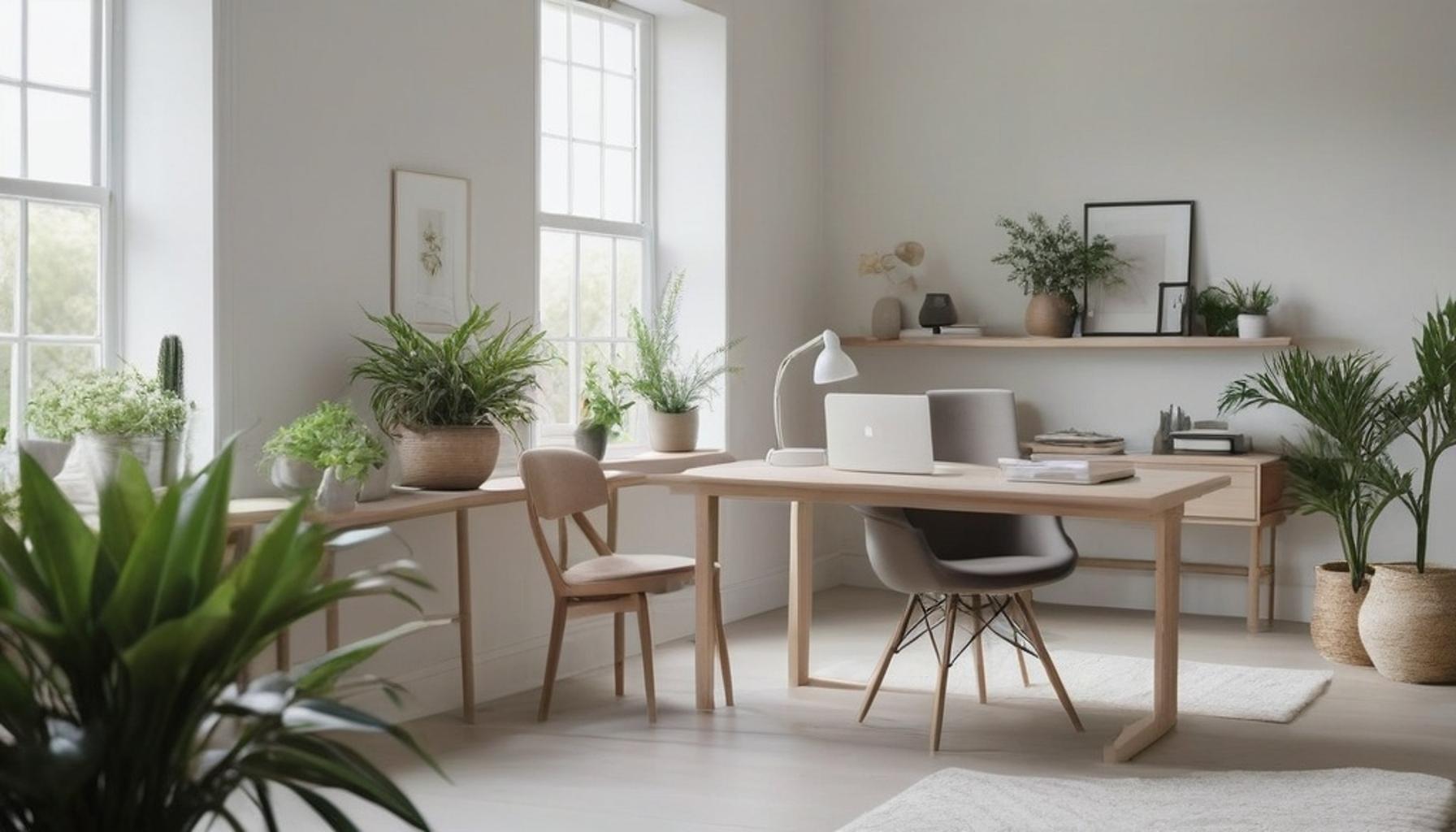
- Limit desktop items to only what’s used daily, keyboard, monitor, and perhaps one plant.
- Digitize paperwork whenever possible instead of maintaining physical files.
- Clear the desk completely at the end of each workday, a habit borrowed from Japanese workplace efficiency principles.
- Store cables and chargers in a single labeled drawer rather than letting them tangle in view.
Digital Clutter Deserves Attention Too
Efforts to declutter your home increasingly extend beyond physical items. The average American has over 1,200 unread emails sitting in their inbox, according to a 2022 Adobe survey. This digital buildup creates background stress similar to physical mess, even when it’s out of sight.Applying the same targeted, incremental strategies, brief daily maintenance rather than sporadic overhauls, works equally well across both physical and digital spaces.
YOU MAY ALSO LIKE: The Psychological Benefits of Clutter Reduction in Minimalist Living
Bringing It All Together: A Lasting Approach to Less
Clutter rarely arrives all at once. It builds through small, unnoticed decisions, an unopened envelope here, a gadget purchase there, until entire rooms feel unmanageable. The good news is that the solution follows the same incremental pattern. Small, consistent actions, repeated daily, produce results that sporadic weekend purges never achieve.
Consistency Beats Intensity
Throughout this article, one theme keeps resurfacing: lasting home organization strategies depend less on dramatic overhauls and more on repeatable systems. A landing zone in the kitchen, a backward-hanger test in the closet, a nightly desk reset at work, each works because it requires minimal willpower and produces visible feedback over time.
This is the foundation of a genuine minimalist lifestyle: not owning as little as possible, but owning intentionally and maintaining that intention without constant effort.
Clutter Is a Moving Target
New belongings, new emails, new responsibilities keep entering daily life, which means the goal to reduce everyday clutter is never fully “finished.” It’s an ongoing practice, similar to exercise or budgeting. The households that stay clutter-free long-term aren’t the ones who declutter once dramatically; they’re the ones who check in weekly and adjust.
Where to Go From Here
Anyone ready to declutter your home should start small: pick one room, one drawer, or one inbox folder this week. Track how it feels once it’s under control, then apply that same method elsewhere.
The broader takeaway is this: clutter isn’t just a visual issue, it’s tied to focus, stress, and daily efficiency. Addressing it methodically, room by room, habit by habit, pays off far beyond tidier countertops.
Frequently Asked Questions
What are some effective daily habits to reduce everyday clutter?
To effectively reduce everyday clutter, you can adopt habits like the ‘one in, one out’ rule, where you remove an item whenever you bring a new one in. Establish a designated spot for frequently used items to prevent them from spreading around your home. Additionally, take 10 minutes each day to tidy up, focusing on one area at a time.
How can I tackle sentimental clutter without feeling guilty?
When dealing with sentimental items, start by selecting a few that truly hold significant meaning to you. Consider taking photos of items you’re willing to let go of, creating a digital memory instead of keeping the physical object. This allows you to honor those memories while still reducing your clutter.
What strategies can I use for reducing clutter in shared living spaces?
In shared living spaces, establish a regular decluttering schedule that involves all members, so everyone contributes. Use storage solutions like baskets or bins labeled for each person’s items to keep belongings organized. Set clear rules about common areas and enforce them to maintain a clutter-free environment.
Can organizing a cluttered space actually save me time in the long run?
Yes, organizing a cluttered space can save you time by making it easier to find what you need quickly. When everything has a designated place, it reduces the time spent searching for lost items. Furthermore, maintaining organization prevents the overwhelming task of dealing with accumulated clutter later on.
What tools or apps are useful for tracking and reducing clutter?
There are various tools and apps designed to help track and reduce clutter, such as Marie Kondo’s KonMari app and TaskRabbit for hiring help. Simple inventory apps allow you to categorize items and note where they are stored. Using a calendar app to schedule regular decluttering sessions can also keep you accountable.

Linda Carter
Linda Carter is a writer specializing in minimalism and personal organization. With extensive experience helping readers create more functional and balanced routines, she shares practical advice on decluttering, organizing spaces, simplifying daily tasks, and making more intentional choices. Her goal is to offer clear guidance and accessible strategies that help people reduce excess, improve their surroundings, and enjoy a calmer, more organized lifestyle.