Practical Strategies for Reducing Clutter in Small Spaces
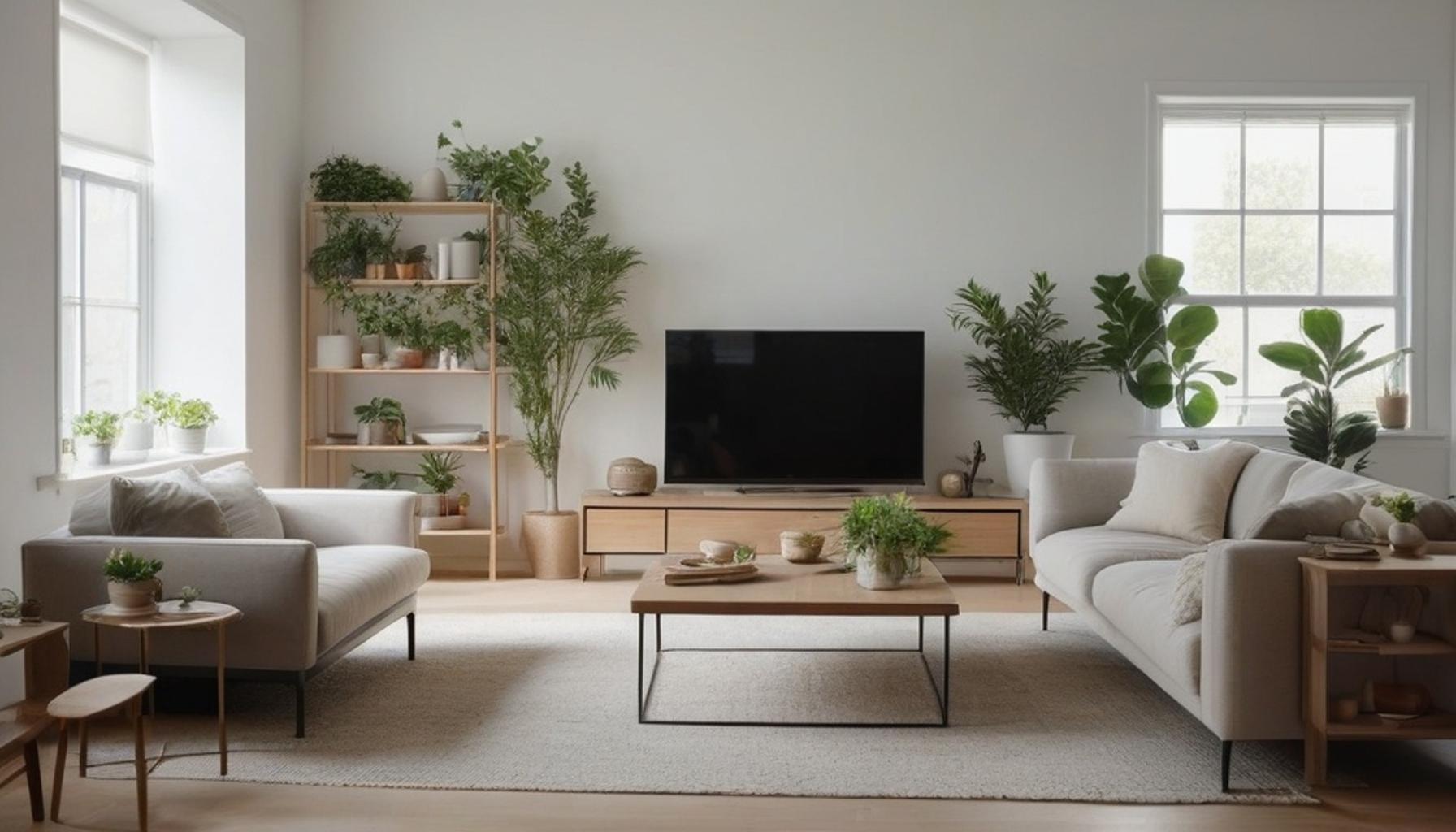
As urban living spaces shrink, the tension between our belongings and the space they occupy has never been more palpable. The average American home is now less than 1,000 square feet in many cities, yet households often contain thousands of items. This contradiction can lead to a feeling of chaos, where each object competes for attention, creating an environment that feels cluttered and overwhelming.
Consider the bustling studios of New York City, where every nook and cranny must pull dual duty, or the tiny homes in Portland that exemplify innovative living but can easily become cluttered with just a few extra items. This phenomenon is further magnified in downsized condos in Chicago, where the challenge of managing possessions can become a daily struggle. Without a cohesive plan, belongings can quickly pile up, transforming inviting spaces into chaotic environments.
What Makes This Guide Different
This guide is not just another collection of general tidying tips; it provides actionable space-saving storage solutions and organizing strategies tailored for real American homes facing space constraints. Here’s what you can expect:
- Room-by-room strategies for decluttering kitchens, bedrooms, and living rooms that acknowledge the unique challenges of small spaces.
- Budget-friendly storage hacks under $50 that anyone can affix to their home without breaking the bank.
- Furniture and layout tricks that instantly free up floor space and enhance functionality, making even the smallest of places feel more open.
- Daily habits designed to keep clutter at bay, preventing a return to chaos.
Whether you are decluttering small areas in a rental that you cannot modify or opting for minimalist living in small homes by choice, the aim remains the same: creating more breathing room and tranquility without needing to move to a larger residence.
How to Declutter Effectively—Starting Today
Mastering how to declutter effectively takes more than sheer willpower; it requires systems that simplify organization and make it feel less taxing. Adopting easy-to-follow frameworks can help transform your home from a cluttered space into a haven of order.
The strategies provided here are practical, immediate, and sustainable, enabling you to regain control over your environment. Keep reading to discover exactly where to begin this transformative journey, helping each area of your home breathe easier and look cleaner.
DISCOVER: Click here to optimize your space
The Root Causes of Clutter in Compact Homes
Before diving into space-saving storage solutions, it helps to understand why clutter accumulates so quickly in small homes. It rarely happens overnight. Instead, it builds through small, everyday decisions—an unopened Amazon package left on the counter, a jacket draped over a chair instead of hung up, or mail piling up on a kitchen table that doubles as a workspace.
According to a 2023 survey by the National Association of Productivity and Organizing Professionals, the average American spends 2.5 days per year searching for misplaced items. In small apartments, where storage is already limited, this problem intensifies. Every surface becomes prime real estate, and without intervention, horizontal spaces like countertops and tabletops quickly transform into catch-alls.
Common Triggers Behind Clutter Buildup
Identifying the root causes is a critical first step in decluttering small areas effectively. Some of the most frequent culprits include:
- Impulse purchases that lack a designated storage spot before they even enter the home.
- Sentimental attachment to items that no longer serve a practical purpose.
- Lack of daily habits for returning items to their proper place after use.
- Multi-functional rooms, common in studio apartments, where boundaries between work, sleep, and storage blur together.
- Bulk buying from warehouse stores like Costco, which often assumes more storage space than small homes actually have.
Recognizing these patterns is essential for anyone serious about how to declutter effectively. It is not simply about removing items once; it is about addressing the behaviors and blind spots that allow clutter to creep back in.
Why a Room-by-Room Approach Works Best
Tackling an entire home at once often leads to burnout and abandoned projects. Professional organizers consistently recommend a room-by-room approach instead, allowing for visible progress without overwhelming the process.
This method aligns naturally with organizing tips for small spaces, since each room in a compact home tends to have distinct challenges. A kitchen in a 600-square-foot Brooklyn apartment, for instance, faces different obstacles than a bedroom in a Los Angeles micro-unit. By breaking the process into manageable segments, residents can apply targeted solutions rather than generic fixes.
For those pursuing minimalist living in small homes, this structured approach also reinforces intentionality. Every item evaluated during a room-specific decluttering session gets assessed on its own merits, making it easier to decide what truly deserves a place within a limited footprint.
With the groundwork laid, the next step is applying concrete, room-specific strategies—starting with one of the most cluttered spaces in any home: the kitchen.
DISCOVER MORE: Click here for tips on optimizing small living spaces
Kitchen-First Tactics for Reducing Clutter in Small Spaces
Kitchens tend to absorb the most chaos in compact homes, largely because they combine cooking, storage, and administrative tasks like sorting mail or charging devices. Focusing here first often yields the fastest visible results when reducing clutter in small spaces.
Vertical space is the single most underused resource in small kitchens. Wall-mounted magnetic strips for knives, pegboards for pots, and tension-rod dividers inside cabinets can free up drawer space almost immediately. A 2022 study from the Journal of Housing Studies found that households using vertical storage systems reported a 34% increase in perceived kitchen functionality, even without adding square footage.
Smart Swaps That Multiply Storage
Rather than buying more furniture, many professional organizers recommend replacing existing items with multi-purpose alternatives. This is one of the most effective space-saving storage solutions available to renters who cannot renovate.
- Stackable clear bins instead of opaque containers, which reduce time spent searching for pantry items.
- Over-the-cabinet hooks for towels or oven mitts, eliminating the need for extra drawer space.
- Rolling carts that tuck under counters but pull out for use as prep stations or additional pantry storage.
- Drawer dividers specifically sized for utensils, which prevent the common “junk drawer” effect.
These swaps rarely cost more than fifty dollars total, yet they can transform a cramped galley kitchen into a functional workspace. This is a practical example of how to declutter effectively without a major financial investment.
The Bedroom Closet as a Case Study in Minimalism
Closets in small apartments often become dumping grounds precisely because they are out of sight. Data from a 2023 real estate report by RentCafe noted that the average American apartment built after 2010 has 30% less closet space than units built before 1990, making efficient organization non-negotiable.
Applying the “one in, one out” rule—donating an item every time a new one is purchased—directly supports minimalist living in small homes. Vacuum-sealed bags for seasonal clothing, slimline hangers, and shoe racks mounted on closet doors are simple additions that dramatically increase usable space without requiring construction or renovation.
These organizing tips for small spaces illustrate a broader pattern: consistent, small-scale interventions in high-traffic areas like kitchens and closets often outperform sporadic, large-scale purging efforts. The next logical step involves extending these same principles to shared living areas and home offices, where clutter often hides in plain sight.
DISCOVER MORE: Click here for tips on maximizing small spaces
Bringing It All Together: A Sustainable Approach to Small-Space Living
Reducing clutter in small spaces is rarely about one dramatic overhaul. As this article has shown, lasting change comes from targeted, repeatable actions in the rooms that generate the most disorder—kitchens, closets, and the shared spaces that follow the same principles.
Vertical storage, multi-purpose swaps, and the “one in, one out” rule are not trends; they are structural responses to a housing market where square footage is shrinking while belongings multiply. The RentCafe data cited earlier makes this tension explicit: less storage space, more demand for smart solutions.
Why Consistency Outperforms Intensity
Professional organizers consistently point to one insight worth remembering: small, sustained habits beat occasional purging sprees. A single Saturday spent decluttering may feel productive, but without systems in place, clutter often returns within weeks.
This is why organizing tips for small spaces work best when treated as ongoing routines rather than one-time projects. Weekly five-minute resets, seasonal closet audits, and mindful purchasing decisions build habits that compound over time.
Looking Ahead
As more Americans move into smaller apartments and multi-functional homes, the demand for practical, evidence-based solutions will only grow. Emerging trends—modular furniture, app-based inventory tracking, and micro-storage design—suggest that space-saving storage solutions will continue evolving alongside urban living patterns.
Ultimately, minimalist living in small homes is less about owning less and more about designing intentional systems that match how people actually live. Understanding how to declutter effectively means recognizing that clutter is not a personal failing but a design challenge—one that can be solved with data, strategy, and a willingness to rethink space itself.
Frequently Asked Questions
What are some effective storage solutions for reducing clutter in small spaces?
Utilizing vertical space is key; consider shelves that go up to the ceiling or wall-mounted racks. Multi-functional furniture, such as ottomans with storage inside or fold-out tables, can maximize space while minimizing clutter. Don’t forget about under-bed storage for seasonal items or rarely used belongings.
How can I prioritize what to keep while reducing clutter in small spaces?
Start by categorizing your belongings into ‘keep’, ‘donate’, ‘sell’, and ‘discard’ piles. Ask yourself if each item serves a purpose or brings you joy. If you haven’t used it in the past year, it might be time to let it go, especially in limited spaces.
Are there specific organizing products that help with reducing clutter in tiny apartments?
Yes, consider using drawer dividers, over-the-door organizers, and stackable bins for efficient organization. Clear containers can help you see what you have, while labels can keep everything in its place. Also, invest in pegboards for tools or accessories that can be hung on walls.
What routine can I establish to maintain a clutter-free small living space?
Incorporating a daily tidying routine can make a significant difference. Set aside a few minutes each day to put things back in their designated spots and declutter any items that don’t belong. Additionally, adopt the ‘one in, one out’ rule; for every new item you bring home, try to let go of an old one to keep clutter at bay.

Linda Carter
Linda Carter is a writer specializing in minimalism and personal organization. With extensive experience helping readers create more functional and balanced routines, she shares practical advice on decluttering, organizing spaces, simplifying daily tasks, and making more intentional choices. Her goal is to offer clear guidance and accessible strategies that help people reduce excess, improve their surroundings, and enjoy a calmer, more organized lifestyle.