The Art of Decluttering: How Space Optimization Enhances Personal Organization
The average American household contains over 300,000 items, according to the LA Times, yet most people can only name a fraction of what they own. This disconnect between accumulation and awareness sits at the heart of a growing movement toward clutter-free living. It’s not just a matter of aesthetics or convenience; it’s a deeper exploration into how our environment impacts our lives.
In recent years, decluttering has transcended its origins as a mere spring-cleaning task, evolving into a comprehensive lifestyle philosophy. Influencers on social media have turned tidying into an art form, creating viral content that showcases stunning before-and-after transformations of cluttered spaces. Notable figures like Marie Kondo have propelled this phenomenon into mainstream consciousness through her Netflix shows and bestselling books, teaching millions that a tidier space can lead to a more fulfilling life.
The Hidden Cost of Clutter
However, the implications of a cluttered home stretch far beyond chaos and disorganization. Research from Princeton University pinpointed a notable impact: visual clutter competes for your brain’s attention, reducing focus and increasing cognitive load. With constant distractions, the brain struggles to process information, leading to heightened stress levels and decreased productivity.
Consider what clutter actually does to daily life:
- Increases time spent searching for misplaced items by up to 55 minutes per day, causing frustration and interrupting workflow.
- Triggers elevated cortisol levels linked to chronic stress, which can lead to more severe health problems over time, including anxiety and depression.
- Creates decision fatigue before tasks even begin; when faced with too many choices, individuals often choose to do nothing at all.
- Diminishes the perceived value and function of living spaces, making once-inviting areas feel cramped and overwhelming.
Space Optimization as a Solution
In light of these challenges, space optimization emerges as a strategic alternative to simply “cleaning up.” It transcends mere tidying; it involves strategically maximizing functionality within your existing square footage. Rather than simply acquiring more storage or relocating to bigger homes, space optimization emphasizes creative solutions that enhance daily living.
This article will explore practical personal organization techniques and established space optimization strategies that extend beyond surface-level tidying. Readers will discover actionable decluttering tips tailored for real American homes, whether in compact city apartments or sprawling suburban houses.
Furthermore, we will delve into the documented benefits of decluttering, supported by insights from organizational psychology and interior design research. These principles can help create a more serene, focused environment that fosters well-being and productivity.
As we unpack these strategies, consider how your own relationship with your possessions might be affecting your mental and physical space. The journey towards a decluttered home may very well lead to a more fulfilling life.
RECOMMENDED: How to Optimize Small Living Spaces with Minimalist Design Principles
Mapping Your Home: The First Step Toward Space Optimization
Before diving into bins, labels, or Pinterest-worthy shelving systems, successful space optimization begins with an honest assessment. Most Americans underestimate just how much unused square footage their homes contain, hidden behind poorly organized closets, underutilized corners, and furniture that no longer serves a purpose. With the average American home spanning over 2,500 square feet, it’s easy for space to become a luxury we overlook.
Professional organizers often recommend conducting a thorough room-by-room audit before touching a single item. This diagnostic phase reveals patterns invisible during daily life, such as why the kitchen counter becomes a dumping ground for mail and keys or why the guest bedroom slowly transforms into an unintended storage unit. For instance, you might find that unused exercise equipment is taking up precious space while jackets hang precariously on the back of chairs instead of being properly stored. Conducting this audit not only helps identify problem areas but also brings clarity to what is truly essential in your life.
Zoning: A Space Optimization Strategy Borrowed From Architects
One of the most effective space optimization strategies comes directly from architectural design: zoning. This approach divides a home into functional areas based on activity rather than room labels alone, making it a dynamic way to rethink how we use our spaces.
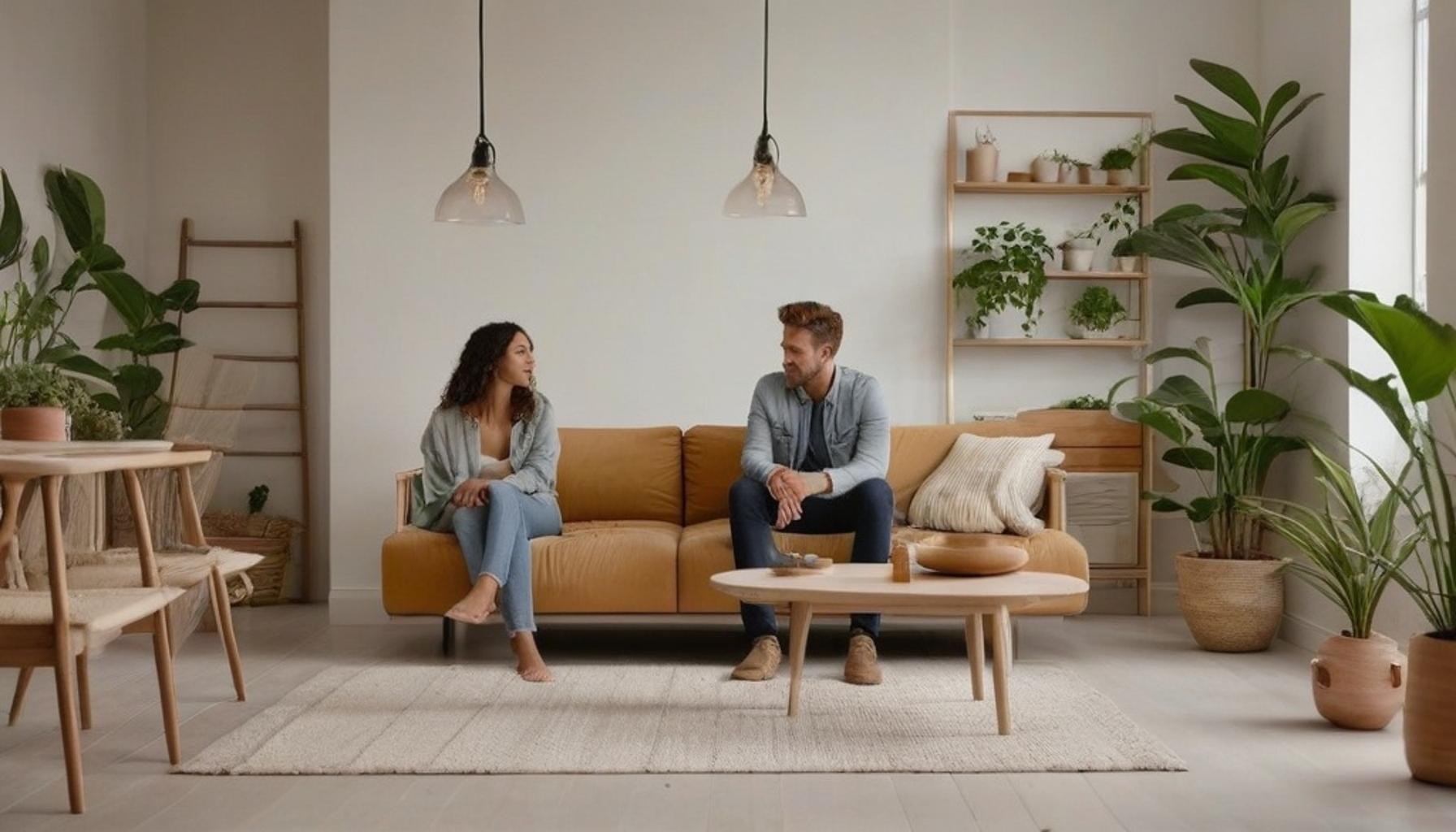
Instead of viewing a living room as one large, ambiguous area, zoning breaks it down into functional zones—a cozy reading nook, a dedicated media area for movie nights, and perhaps even a small workspace for remote tasks. This method, already popular in compact New York City apartments, is steadily being embraced in suburban homes, helping to alleviate the “everything everywhere” sensation that often characterizes cluttered environments.
Consider these zoning-based personal organization techniques that homeowners across the country are implementing:
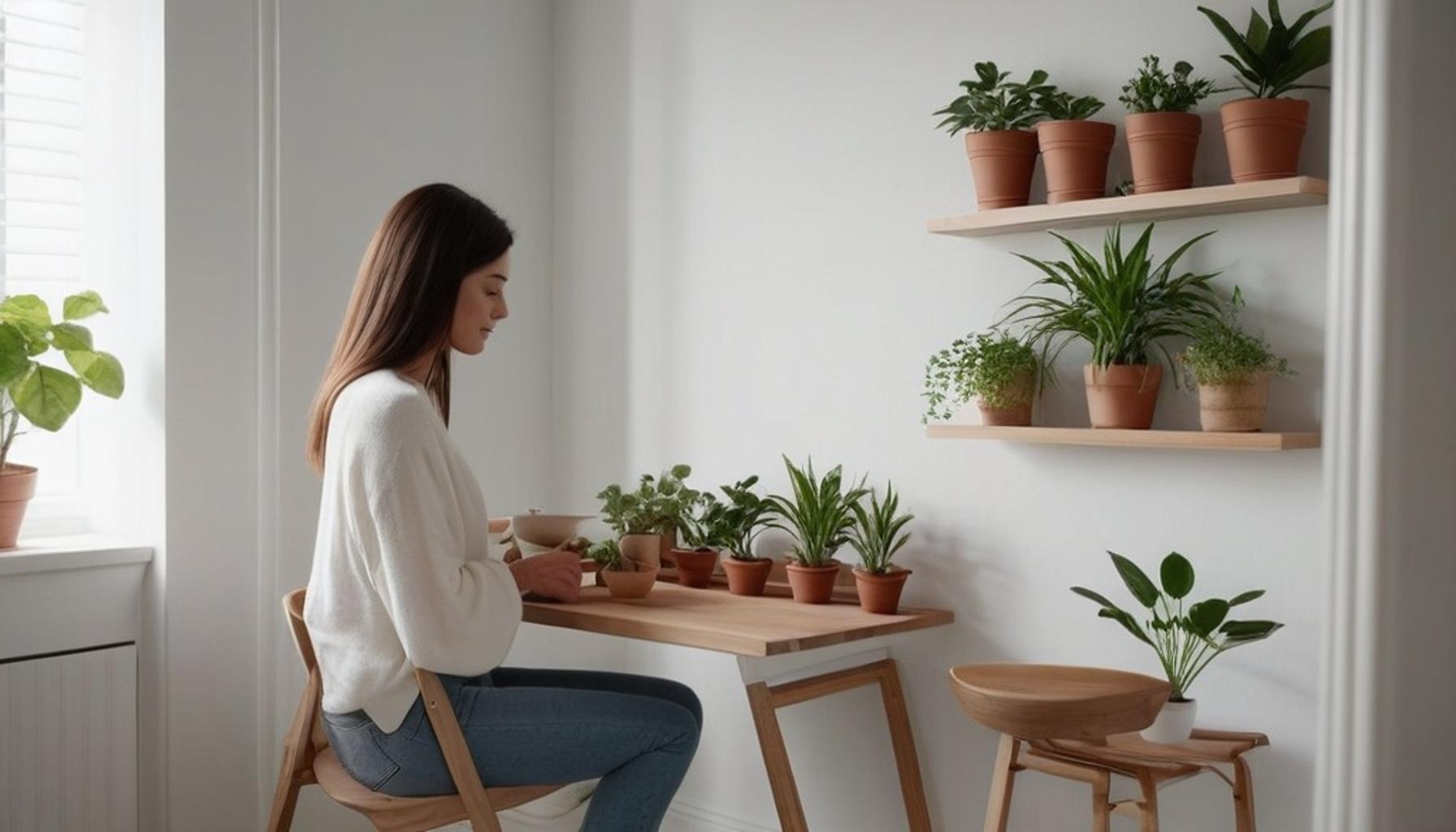
- Vertical zoning: This technique utilizes wall space with floating shelves or pegboards to free up floor area. It’s particularly effective in studio apartments common in cities like Chicago and San Francisco, where real estate is at a premium.
- Activity-based clustering: By grouping items by function rather than by category, homeowners can create streamlined spaces. For instance, keeping all morning routine essentials—like coffee makers, toasters, and even vitamins—together near the entryway enhances efficiency during busy weekday mornings.
- Time-based zoning: Designating areas for daily-use items separate from seasonal or occasional belongings helps reduce daily decision-making. For example, winter coats and holiday decorations can be stored in inaccessible closets, while summer gear is more accessible during warmer months.
- Transition zones: These areas serve as designated drop spots near entry points to prevent essential items like keys, mail, and bags from scattering throughout the home. A neat basket by the front door can work wonders in maintaining order.
The Psychology Behind Clutter-Free Living
Beyond the practical mechanics, clutter-free living taps into deeper psychological principles. Behavioral researchers have determined that visible clutter triggers a subconscious stress response, even in individuals who claim to be unbothered by mess. This phenomenon stands in stark contrast to the serene spaces we often aspire to inhabit.
A study published in the Journal of Environmental Psychology found that individuals in organized spaces reported significantly higher levels of task completion and demonstrated lower anxiety compared to those surrounded by disorder. This aligns with broader findings on the benefits of decluttering, which extend to improved sleep quality and even healthier dietary choices. For example, organized kitchens tend to encourage healthier cooking habits because it’s easier to access fresh ingredients and tools when they are neatly stored and easily visible.
Understanding this connection between environment and behavior transforms decluttering from a daunting chore into a genuine lifestyle upgrade. This practice is not just about aesthetics; it creates measurable returns on mental clarity and daily efficiency. By taking control of our living spaces, we can enhance our overall quality of life and foster a sense of well-being that permeates beyond our walls.
| Key Aspect | Description |
|---|---|
| Effective Space Utilization | Utilizing vertical space and multi-functional furniture enables one to maximize usable areas while reducing clutter. |
| Decluttering Techniques | Implementing strategies like the “One-In-One-Out” rule encourages a sustainable and manageable approach to personal organization. |
| Psychological Impact | A tidy environment reduces stress and increases productivity, promoting a positive mental state. |
| Time Management | With better organization, individuals can save time searching for items, allowing for more focus on important tasks. |
DISCOVER MORE: Click here for tips on maximizing small spaces
Practical Decluttering Tips for Sustainable, Long-Term Results
Once the mapping and zoning groundwork is complete, the next challenge is translating strategy into action. Many homeowners start strong but lose momentum within weeks, largely because they attempt to overhaul an entire house in a single weekend. Professional organizers across the country, from Los Angeles to Boston, consistently point to smaller, systematic efforts as the key to lasting clutter-free living.
One widely recommended approach is the “four-box method,” which sorts belongings into categories: keep, donate, relocate, and discard. This simple framework removes the emotional paralysis that often accompanies decision-making about sentimental or seldom-used items. Rather than agonizing over every object, homeowners can quickly assign a purpose and move forward.
Room-Specific Space Optimization Strategies
Different rooms demand different tactics. A one-size-fits-all approach rarely works, which is why tailoring space optimization strategies to each area of the home produces far better results.
- Kitchens: Drawer dividers and stackable shelf risers can increase usable cabinet space by nearly 30 percent, according to several home organization retailers. Storing pots and pans vertically also frees up valuable lower-cabinet real estate.
- Bedrooms: Under-bed storage bins are an easy win, particularly in smaller homes common in cities like Boston or Philadelphia, where closet space is often limited. Rotating seasonal clothing into these bins keeps closets streamlined year-round.
- Home offices: With remote work still prevalent across the U.S., cable organizers and wall-mounted file systems help minimize desktop clutter, directly supporting focus and productivity.
- Bathrooms: Over-the-door organizers and tiered countertop trays make the most of notoriously tight square footage, a common issue in older homes throughout the Northeast.
The Overlooked Benefits of Decluttering Digital Spaces
While physical clutter tends to dominate the conversation, digital clutter is an emerging concern with real consequences. The average American juggles thousands of unread emails and dozens of unused apps, a form of disorder that quietly drains mental bandwidth just as much as a messy closet.
Applying personal organization techniques to digital spaces, such as unsubscribing from unnecessary email lists or organizing files into clearly labeled folders, contributes to the same sense of calm associated with a tidy home. Some productivity experts even argue that digital decluttering should be treated as a monthly habit, much like taking out the trash.
Maintenance: The Often-Ignored Piece of the Puzzle
Perhaps the most underestimated aspect of decluttering is maintenance. Organizing a space is only half the battle; keeping it that way requires consistent, small habits.
Setting aside just ten minutes daily for a quick reset, returning items to their designated zones, can prevent the slow creep of disorganization. This habit-based approach to decluttering tips transforms organization from a one-time event into a sustainable lifestyle, ensuring the benefits extend far beyond the initial cleanup.
Bringing It All Together: Why Space Optimization Is a Lifelong Practice
From coast to coast, the message from professional organizers, psychologists, and everyday homeowners is remarkably consistent: decluttering is not a weekend project but an evolving relationship with the spaces people inhabit. The benefits of decluttering extend well beyond tidy shelves, touching mental clarity, financial habits, and even how efficiently a household functions day to day.
What makes this topic particularly compelling is how universally applicable it is. Whether someone lives in a cramped New York City studio or a sprawling suburban home in Texas, the core principles remain the same. Zoning, intentional storage, and consistent upkeep translate across square footage and geography alike.
It is also worth remembering that space optimization is not about achieving a sterile, minimalist showroom. It is about creating an environment that supports how people actually live, work, and relax. A well-organized kitchen drawer or a decluttered inbox may seem minor, but these small victories compound into a noticeably lighter mental load.
As more Americans work from home, downsize, or navigate rising housing costs, the demand for practical personal organization techniques is likely to keep growing. Homeowners who treat organization as an ongoing habit, rather than a one-time fix, are the ones who sustain results long-term.
Ultimately, embracing clutter-free living is less about perfection and more about progress. Each small decision, whether donating an unused appliance or setting up a digital filing system, adds up. For anyone ready to begin, the most effective decluttering tips are often the simplest: start small, stay consistent, and let organized spaces gradually reshape a more organized life.
Frequently Asked Questions
What are the most effective space optimization techniques for small apartments?
For small apartments, consider using multifunctional furniture, such as a bed with storage drawers or a coffee table that doubles as a storage unit. Wall-mounted shelves can help you make use of vertical space, while under-bed storage boxes can conceal seasonal items or less frequently used belongings.
How can I measure the effectiveness of my decluttering process?
You can measure the effectiveness of your decluttering by assessing the functionality and accessibility of your space after the process. Take note of how easily you can find items, how much time you save on daily tasks, and whether your space feels more open and organized.
What role does digital decluttering play in overall space optimization?
Digital decluttering is essential for space optimization as it frees up storage within your devices and reduces mental clutter. By organizing files, deleting unnecessary data, and utilizing cloud storage, you can streamline your digital devices, making them faster and more efficient.
Can space optimization improve productivity in a home office?
Absolutely! Space optimization in a home office can create a more organized and efficient working environment. By minimizing distractions and ensuring that essential tools and materials are readily accessible, you can focus better and enhance your overall productivity.
What common mistakes should I avoid during the decluttering process?
Common mistakes include trying to declutter everything at once, which can lead to overwhelm, or not setting clear goals for what you want to achieve. Additionally, holding onto items out of guilt rather than evaluating their true usefulness can hinder your progress in creating a more optimized space.
How often should I revisit my space optimization strategy to maintain organization?
It’s advisable to reassess your space optimization strategy every few months. Regularly scheduled declutter sessions can help you maintain organization, adapt to changes in your life or belongings, and ensure that your space continues to meet your needs efficiently.

Linda Carter
Linda Carter is a writer specializing in minimalism and personal organization. With extensive experience helping readers create more functional and balanced routines, she shares practical advice on decluttering, organizing spaces, simplifying daily tasks, and making more intentional choices. Her goal is to offer clear guidance and accessible strategies that help people reduce excess, improve their surroundings, and enjoy a calmer, more organized lifestyle.