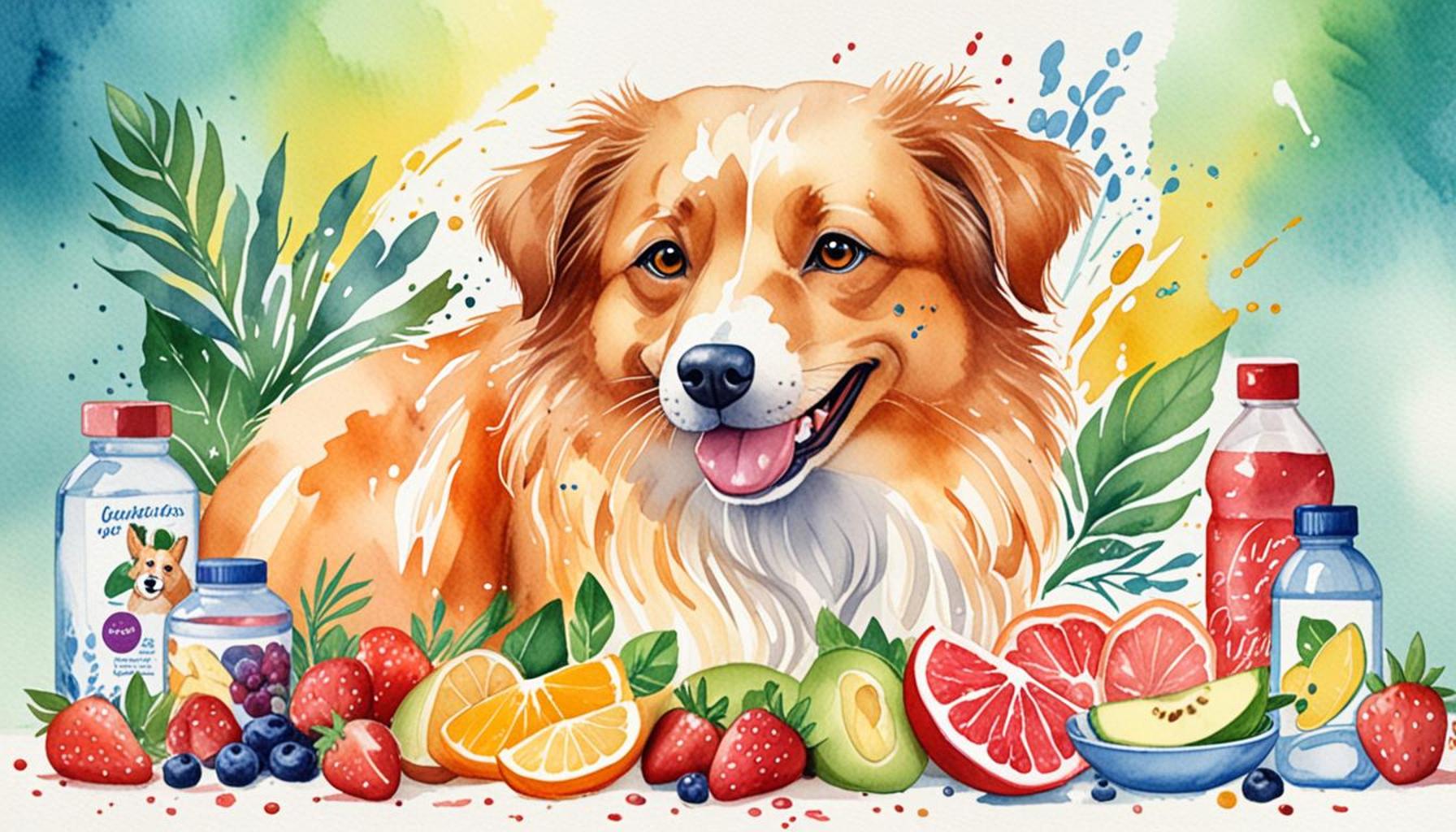
The Importance of Nutrition in the Recovery of Pets after Illnesses

The Significance of Nutrition in Pet Recovery
When pets fall ill, the road to recovery can be long and challenging. One critical factor that greatly influences their healing process is nutrition. Proper nutrition helps restore their strength and boosts the immune system, enabling them to fight off infections more effectively. The well-being of pets, especially in Nigeria, often hinges on understanding and optimizing their dietary needs during these vulnerable times.
In Nigeria, many pet owners may not realize how significant nutritional choices are during a pet’s recovery. The contemporary lifestyle of many pet owners often leads to convenience eating, which can neglect the core nutritional needs of healing animals. Key components of a pet’s diet include:
- Proteins: Vital for tissue repair and muscle recovery, proteins are the building blocks of a pet’s body. Foods like chicken, fish, and beef can provide high-quality protein. For instance, boiled chicken mixed with rice or sweet potatoes can create a palatable meal rich in proteins, which can be particularly beneficial after surgery or illness.
- Vitamins: Essential for metabolic processes and immune support, vitamins A, C, and E play crucial roles. They are abundant in fruits and vegetables like carrots, spinach, or pumpkin. Moreover, fortified pet foods available in Nigeria may contain necessary vitamins that boost recovery.
- Minerals: Important for bone health and enzyme functions, minerals such as calcium and phosphorus are essential in pets. Especially for dogs recovering from fractures or injuries, incorporating foods like yogurt or leafy greens can help in replenishing these minerals.
Additionally, hydration plays an enormous role in recovery. Ensuring pets remain well-hydrated can aid in flushing out toxins and maintaining their energy levels. Dehydration can severely hinder recovery, leading to fatigue and a weakened immune response. Pet owners are encouraged to keep a fresh supply of water accessible at all times and consider electrolyte solutions specifically designed for pets if dehydration is a concern.
It’s important for pet owners to adapt their animals’ diets based on their health status. For example, an overweight dog recovering from surgery may need a low-calorie diet, while a kitten with diarrhea may benefit from easily digestible foods. Consultation with a veterinarian can offer tailored advice to meet specific dietary needs, enhancing recovery outcomes.
As we explore this essential topic, we’ll uncover how vital the right nutrition is in supporting your pet’s health journey, post-illness. Understanding these nutritional building blocks can empower pet owners throughout Nigeria to make informed decisions, ensuring a swift and effective recovery for their furry companions. Investing time in learning about your pet’s nutritional needs not only supports their healing process but also promotes long-term health and well-being.
Essential Nutrients for Healing
As pet owners, it is vital to recognize the significant role that nutrition plays in your pet’s recovery after an illness. Understanding the fundamental dietary components that enhance healing can make a world of difference, not just in the short term but also in promoting long-term health. A well-balanced diet following an illness can accelerate healing, improve energy levels, and even help in regaining lost weight. Here are some essential nutrients to focus on:
- Proteins: These play an indispensable role in the recovery process. Proteins are crucial for rebuilding tissues, repairing damaged cells, and supporting a robust immune system. For pets recovering from surgery or serious illness, high-quality protein sources such as boiled chicken, fish, or lean beef provide the necessary building blocks required for healing. Combining these proteins with digestible carbohydrates, like rice or sweet potatoes, can make for nutritious and balanced meals.
- Fats: While often overlooked, healthy fats are another essential part of a pet’s recovery diet. Omega-3 fatty acids found in fish oil can help reduce inflammation and support overall joint health, which is particularly beneficial for pets recovering from surgery or inflammatory conditions. Including sources like flaxseed oil or omega-3 rich fish can significantly enhance the overall nutritional intake during the healing period.
- Fiber: A diet rich in fiber is paramount for digestive health, especially for pets that may experience gastrointestinal issues post-illness. Fiber aids in proper digestion and contributes to a healthy gut, preventing constipation and diarrhea. Ingredients like pumpkin puree, sweet potatoes, and well-cooked vegetables can easily be incorporated into meals to increase fiber intake.
Moreover, vitamins and minerals mustn’t be ignored. A deficiency in these essential nutrients can substantially impair the healing process. For instance, Vitamin C can enhance immunity, while B vitamins support metabolic functions. Pet owners in Nigeria should consider including fresh vegetables and fruits in their pets’ diet when appropriate, or opt for fortified commercial pet foods that meet the necessary nutritional standards.
There lies a common misconception that pets will easily bounce back after an illness without the need for a carefully considered diet. However, a tailored nutritional approach can make a significant difference in their recovery journey. Pet owners are encouraged to observe their pets’ responses to different foods and adjust their diets accordingly, as individual needs may vary.
In summary, adhering to a nutritious diet filled with proteins, healthy fats, and ample fiber is essential for facilitating a seamless recovery process. Understanding and meeting the specific dietary needs of your furry companion during such times can ensure they regain their vitality, prevent further health complications, and ultimately enjoy a healthier life moving forward.
| Nutrition Aspect | Impact on Recovery |
|---|---|
| Protein | Crucial for tissue repair and muscle recovery, helping pets regain strength. |
| Vitamins and Minerals | Support vital functions such as immune response and energy levels, essential for quicker recovery. |
| Hydration | Maintaining proper hydration is key for detoxification and overall health restoration. |
| Balanced Diet | A well-balanced diet ensures that pets get all necessary nutrients, significantly aiding in recovery. |
The role of nutrition in recovering pets after illnesses cannot be overstated. Each element of their diet plays a pivotal role in the healing process. For instance, protein is essential because it builds and repairs tissues, making it a primary nutrient for any pet recovering from surgery or illness. Additionally, an adequate intake of vitamins and minerals can significantly boost a pet’s immune system, thereby enhancing their ability to fight against infections and regain energy levels quickly. Furthermore, hydration must be prioritized, as it is vital not only for detoxifying the body but also for aiding digestion and maintaining overall health.Incorporating a balanced diet, tailored specifically to the pet’s unique needs during recovery, can lead to more effective healing. Many veterinarians recommend specialized diets post-illness, containing higher protein levels and reduced fillers to ensure better nutrient absorption. As such, understanding the importance of nutrition can empower pet owners to make informed dietary choices, ultimately facilitating a smoother recovery for their beloved companions.
The Role of Hydration in Recovery
In addition to providing nutrient-rich foods, maintaining proper hydration is equally crucial in the recovery process for pets following an illness. Water plays a fundamental role in nearly every bodily function, from digestion to circulation and temperature regulation. Post-illness, pets may be predisposed to dehydration, particularly if they have experienced vomiting, diarrhea, or reduced appetite. Therefore, ensuring your pet has access to fresh, clean water always should be a priority.
For pets that have difficulty drinking water after an illness, consider adding moisture to their diet. Wet food options, broths, or homemade soups can not only enhance their fluid intake but also stimulate their appetite. Some pet owners in Nigeria have found success by offering broth made from boiled chicken or beef, which not only hydrates but also provides essential nutrients beneficial for recovery.
Importance of Electrolytes
During recovery, keeping your pet’s electrolyte balance stable is another critical aspect of nutrition and hydration. Electrolytes such as sodium, potassium, and chloride help regulate nerve and muscle function, as well as maintain acid-base balance within the body. Pets that are recovering from illnesses may lose these vital electrolytes, especially if they faced gastrointestinal issues.
- Oral Rehydration Solutions (ORS): Specially formulated solutions for pets can be an effective way to replenish electrolytes. These can often be found at local veterinary pharmacies or pet stores. Alternatively, a homemade mixture using a pinch of salt and sugar dissolved in water can also serve as a makeshift ORS.
- Electrolyte-Enhanced Foods: Certain pet foods specifically marketed for recovery often contain added electrolytes. Incorporating these foods into your pet’s diet during their recuperation can offer an additional boost to their recovery regimen.
Adjusting Meal Frequency and Portion Size
After an illness, it might be noteworthy to adjust your pet’s meal frequency and portion sizes. Gradually reintroducing meals in smaller quantities helps prevent any gastrointestinal discomfort. Dividing daily meals into three or four smaller portions each day can allow for easier digestion and absorption of nutrients. Additionally, ensuring that meals are at room temperature can entice a recovering pet to eat more willingly, as warmer foods often have stronger aromas.
Monitoring your pet’s weight is also imperative. Many pets may experience weight loss during their illness, and a controlled and gradual return to their ideal weight is essential for their overall health. Keeping a record of their eating habits and weight changes may help identify areas of concern that require a visit to the veterinarian.
It’s important to understand that every pet is unique. What works for one may not work for another, and it often requires a period of experimentation to find the best dietary approach for your pet post-recovery. Consulting with your veterinarian for customized dietary recommendations suited to your pet’s specific health condition can provide invaluable guidance during this phase.
As pet owners in Nigeria learn how to formulate appropriate dietary plans for their pets during recovery, it is essential to remain responsive to their pets’ needs. Whether it’s adjusting nutrition or monitoring hydration, taking a proactive approach can significantly enhance your companion’s healing journey and lay the foundation for a healthier future.
Conclusion
In summary, the importance of nutrition in the recovery of pets after illnesses cannot be overstated. A well-balanced diet tailored to the specific needs of your furry companion lays the groundwork for successful healing and revitalization. As we have explored, hydration and the balance of essential nutrients, including electrolytes, are pivotal components that support various bodily functions pivotal for recovery. Ensuring pets have access to clean water, nutritionally rich foods, and even electrolyte-enhanced options can significantly impact their health.
Moreover, adjusting meal frequency and portion sizes, combined with close monitoring of weight and health status, serves as an effective strategy to aid recovery. Pet owners in Nigeria can take comfort in knowing that their proactive engagement in their pets’ dietary regimens fosters quicker recuperation. Seeking personalized guidance from veterinarians can further enhance the recovery journey, aligning dietary plans with the unique health conditions of each pet.
As we advance in our understanding of pet nutrition, it is essential to recognize that the road to recovery is as unique as the pets we cherish. By approaching the recovery with care, understanding, and attentiveness to changing needs, we not only bolster our pets’ health but also create lasting bonds built on compassion and commitment. The journey of recovery begins at the bowl; let us ensure it is filled with the right nutrients for our beloved companions.