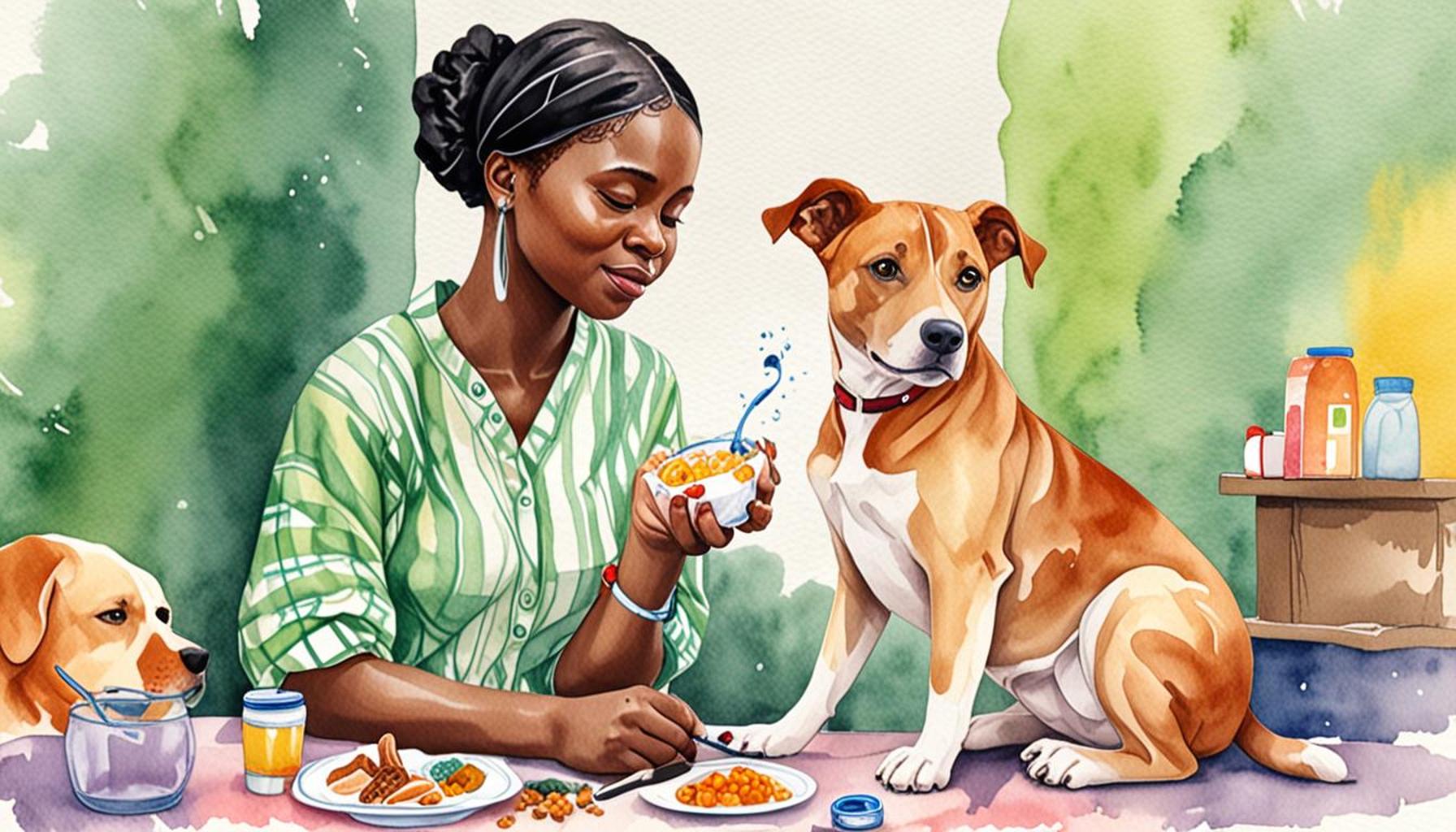
The importance of pet adoption in reducing animal abandonment in Nigeria

Understanding the Consequences of Abandonment
Across Nigeria, an alarming phenomenon has taken a serious toll on both animals and communities, where countless pets are abandoned each year. Left to navigate the dangers of city streets and rural areas, these animals face dire circumstances without food, shelter, or medical care. This issue extends beyond just the individual well-being of the animals; it has profound implications on public health and safety, wherein rising populations of stray animals contribute to the spread of diseases and other societal challenges.
Moreover, abandoned animals often lead to overpopulation in shelters, straining the resources of local animal welfare organizations. These organizations struggle to provide adequate care, from medical treatments to basic necessities, highlighting a critical need for effective community involvement and support. Only through concerted efforts can we tackle the growing crisis of abandonment in a sustainable manner.
The Role of Pet Adoption
Facilitating pet adoption can greatly mitigate the rampant issue of animal abandonment, creating a positive ripple effect within communities. Here are several compelling reasons why pet adoption should be prioritized:
- Providing Homes: Adoption creates loving homes for rescued animals, markedly decreasing the population of pets languishing in shelters. Each successful adoption not only saves a life but opens up space for another animal in need.
- Community Awareness: The adoption process can foster greater awareness about responsible pet ownership. When potential adopters learn about the importance of spaying and neutering, they are more likely to ensure their pets do not contribute to future overpopulation, directly aiding in the fight against abandonment.
- Emotional Benefits: Individuals and families can deeply benefit from the companionship that pets offer. A loyal dog or affectionate cat can bring joy, reduce feelings of loneliness, and even improve mental health, providing emotional support in challenging times.
Statistics Worth Noting
The scale of the problem in Nigeria is staggering. For instance:
- Annually, over 100,000 pets face abandonment due to various reasons ranging from financial hardship to lack of awareness about pet care.
- The prevalence of stray animals escalates health risks, as they may carry diseases such as rabies or parasites that can invade human populations.
- Animal welfare organizations are overwhelmed, facing increasing demands for their services while their funding and resources dwindle. This creates a feedback loop where without intervention, conditions only worsen.
By embracing pet adoption, not only can we alleviate the pressing issues of animal abandonment, but we can also cultivate a healthier, more compassionate society. It is crucial for individuals to consider adopting instead of purchasing pets, as this small change in choice leads to monumental impacts for countless lives—both animal and human alike. Efforts of local communities, schools, and organizations to promote pet adoption can resonate throughout Nigeria, inspiring a deeper understanding of the value of compassion towards all living beings.
Transforming Lives Through Adoption
In an environment threatened by rising rates of animal abandonment, the significance of pet adoption cannot be overstated. Adoption serves as a gateway to new beginnings, not only for the animals that find new homes but also for the families and individuals who welcome them into their lives. By choosing to adopt, one can profoundly influence this critical issue while enriching their own life.
When families and individuals in Nigeria choose to adopt pets from shelters, they actively participate in a solution that addresses the urgent need for more responsible pet ownership and community-based support. Each adoption story adds to a growing narrative of compassion, wherein the bond forged between human and animal can lead to generational change in attitudes towards animal welfare.
Moreover, adoption plays a pivotal role in showcasing the inherent value of animals in need. Many prospective pet owners might be unaware of the numerous animals—be they dogs, cats, or even other species—waiting for a second chance at life in shelters across the country. By highlighting these stories, we can break stereotypes and misconceptions about adopted pets, demonstrating that they can be just as loving and loyal as those purchased from breeders.
Addressing the Root Causes of Abandonment
One of the core issues driving the trend of abandonment is a widespread lack of awareness around responsible pet ownership. Many prospective pet owners view pets as mere possessions, failing to recognize the long-term commitment involved. Pet adoption initiatives often include educational components, focusing on significant aspects such as:
- Spaying and Neutering: Educating adopters about the importance of sterilization can significantly reduce unwanted litters, addressing one of the main contributors to overpopulation and abandonment.
- Regular Veterinary Care: Ensuring that adopters understand the necessity of maintaining their pet’s health can promote better living conditions, reducing the likelihood of animals being deemed disposable when faced with health challenges.
- Support Networks: Many shelters provide post-adoption resources, including behavioral training and support, helping new pet owners adjust and fostering a sense of community.
These educational efforts are crucial in creating a society where the idea of abandoning pets is increasingly seen as unacceptable. By embedding a culture of responsibility and empathy into the adoption process, it encourages individuals to make well-informed choices that positively impact both the individual and the community at large.
The Ripple Effect of Adoption
Ultimately, promoting pet adoption in Nigeria transcends simply finding homes for abandoned animals; it generates a ripple effect that can reshape our society. When people see their friends, family, and neighbors welcoming adopted pets into their lives, it cultivates a more compassionate outlook towards all animals and ignites conversations about welfare initiatives.
This transformative movement challenges outdated notions and encourages a future where veterinary support, education, and humane treatment of animals become priorities. As the cycle of abandonment begins to break, our communities can benefit from healthier environments free from the public health issues linked to stray and abandoned animals, leading to flourishing neighborhoods that embrace their furry companions.
| Advantage | Impact |
|---|---|
| Decreased Stray Population | Adoption programs effectively reduce the number of stray animals on the streets of Nigeria, leading to safer communities. |
| Enhanced Community Awareness | Pet adoption initiatives foster education regarding responsible pet ownership and the importance of animal welfare. |
| Support for Local Shelters | By adopting pets, individuals contribute to funding and support of local shelters, enhancing their ability to offer care to more animals. |
| Improved Mental Health | Having a pet has been shown to lower stress and anxiety levels, promoting emotional well-being within families. |
The significance of pet adoption in Nigeria extends beyond merely rescuing animals; it represents a profound movement towards reducing the multifaceted challenges of animal abandonment. Each adopted pet alleviates the burden on overcrowded shelters and fosters a culture of responsibility and compassion in communities.Moreover, as society acknowledges the plight of abandoned animals, initiatives grow, leading to stronger regulations and education on responsible ownership. This ultimately engenders a compassionate community that values the lives of all beings, culminating in a significant shift in attitudes towards animal welfare in Nigeria. Such transitions are crucial in the ongoing fight against animal abandonment, ensuring each pet finds a loving home and a life full of care.
Building a Culture of Compassion
The need for pet adoption in Nigeria goes beyond immediate rescue efforts; it is about building a sustainable culture of compassion and responsibility toward animals. This mission is supported by several organizations and community initiatives dedicated to transforming public perception and fostering a sense of duty in animal care.
One key component of this cultural shift is the involvement of local communities in various outreach programs. For example, shelters and rescue groups often collaborate with schools and community centers to conduct workshops and seminars aimed at educating children about the significance of pet adoption. Such initiatives help nurture a generation that learns to value all living beings. Studies have shown that children who grow up with pets often develop empathy and improved social skills. These benefits can extend outward, fostering community spirit and reducing the likelihood of future abandonment.
In cities like Lagos and Abuja, community adoption events have become increasingly popular, where individuals can meet pets looking for homes, interact with them, and learn about the adoption process. These events not only showcase the animals available for adoption but also create an atmosphere of excitement and engagement. When neighborhoods come together to celebrate the joys of pet ownership, it demystifies the concept of shelter pets, making adoption a trendy and responsible choice.
Fostering Partnerships for a Greater Impact
The role of local government and non-governmental organizations (NGOs) cannot be overlooked in the movement toward more responsible pet ownership. Through partnerships, they can create programs that subsidize medical care for adopted pets, promote spaying and neutering, and develop community-sponsored adoption drives. This synergy can lead to significant improvements in public health and safety by reducing the number of stray animals.
Moreover, aspects of social responsibility have been gaining traction among businesses in Nigeria. Companies are now looking to incorporate social enterprise models that support animal welfare through donations or sponsorship of shelters and adoption campaigns. A prime example can be seen in corporations collaborating with NGOs to fund awareness raising activities, which in turn, help pave the way for a decrease in abandonment rates.
Leveraging Technology and Media
In an age defined by technology, the use of social media platforms has profoundly influenced how pets are adopted. Organizations have harnessed these tools to share success stories and profiles of animals in need of homes, reaching a broader audience than ever before. A Facebook group or Instagram page dedicated to showcasing available pets can significantly increase visibility and facilitate connections between prospective adopters and animals in shelters.
Additionally, online platforms offer resources for potential adopters, including checklists for responsible ownership and guidance on pet care, enhancing the overall adoption experience. This digital approach not only promotes adoption but also raises awareness about the pressing issue of animal abandonment in Nigeria.
Through these multifaceted initiatives—educational outreach, community involvement, partnerships, and digital engagement—Nigeria is poised to redefine its relationship with animals. As more individuals embrace the idea of pet adoption, the possibility of reducing abandonment rates improves significantly, contributing to the creation of a more humane society for all living beings.
Conclusion
In conclusion, pet adoption stands as a beacon of hope in the fight against animal abandonment in Nigeria. As we have explored, this movement transcends mere rescues, aiming instead to foster a comprehensive culture of compassion and responsible pet ownership. The collective efforts of individuals, organizations, local governments, and the business community highlight a growing recognition of the need for a humane approach to animal welfare.
The integration of educational programs, community engagement, and strategic partnerships has the potential to dramatically reshape societal attitudes towards abandoned animals. As more Nigerians participate in adoption events and leverage technology to spread awareness, we draw closer to a future where animal abandonment becomes a thing of the past.
Moreover, fostering a societal commitment to spaying and neutering initiatives further contributes to tackling the root causes of abandonment, ensuring fewer animals end up in shelters. As we advocate for responsible pet ownership, we inspire a younger generation that values empathy and compassion, ultimately making them more likely to adopt and care for pets in need.
Thus, it is crucial for every stakeholder—individuals, businesses, educators, and the media—to unite in this cause. Each effort contributes to a more humane Nigeria, where every pet has a loving home. As advocates for animal welfare, we must continue to promote and celebrate pet adoption, not only as a solution to abandonment but as a fundamental aspect of a compassionate society.