The importance of socialization in cat development: Tips for a balanced feline
Understanding Cat Socialization
The journey of feline development goes beyond mere feeding and shelter. Socialization plays a pivotal role in shaping a cat’s behavior, affecting their interactions with both humans and other animals. Proper socialization is especially essential in diverse environments such as those found in Nigeria, where cats may encounter an array of stimuli and social situations.
Why is socialization important? Here are some key reasons:
- Behavioral Development: Proper socialization helps cats develop confidence and adaptability to new environments. For example, a cat that is exposed to various sounds, smells, and sights during its early developmental weeks is more likely to navigate unfamiliar settings, such as a bustling market in Lagos, with ease.
- Reducing Aggression: Well-socialized cats are less likely to display aggressive tendencies or fear-based behaviors. A cat accustomed to various people and pets will be better equipped to handle interactions without resorting to hissing or swatting, which is crucial in a multi-pet household often seen in Nigerian cities.
- Healthy Relationships: Socialized cats foster positive interactions with their owners and other pets, promoting a harmonious home environment. A cat that is comfortable being petted or picked up is likely to bond more deeply with its family, leading to reduced stress for both the cat and its human caregivers.
In Nigeria, where cats often roam in varied social landscapes, understanding their socialization needs is crucial. Many owners may overlook the importance of introducing their cats to diverse experiences at an early age. For instance, local customs, such as cats being around during community festivities, can significantly shape their behavior if they are accustomed to large groups of people and noise.
As responsible pet owners, it’s essential to engage in proactive socialization to cultivate a balanced feline. During their formative weeks, kittens are most receptive to social learning, making it an opportune time for owners to introduce them to different stimuli. In urban settings, exposing kittens to the sounds of traffic, children playing, or other pets can be beneficial. Conversely, in rural areas, a kitten could learn to adapt to farm animals and varying landscapes.
Implementing gradual introductions to new experiences, where kittens receive positive reinforcement, sets them on a path to becoming well-adjusted companions. Pet owners in Nigeria can initiate this through simple activities like inviting friends over to meet the new pet, visiting busy places, or even introducing them to different textures, such as grass, sand, or carpet.
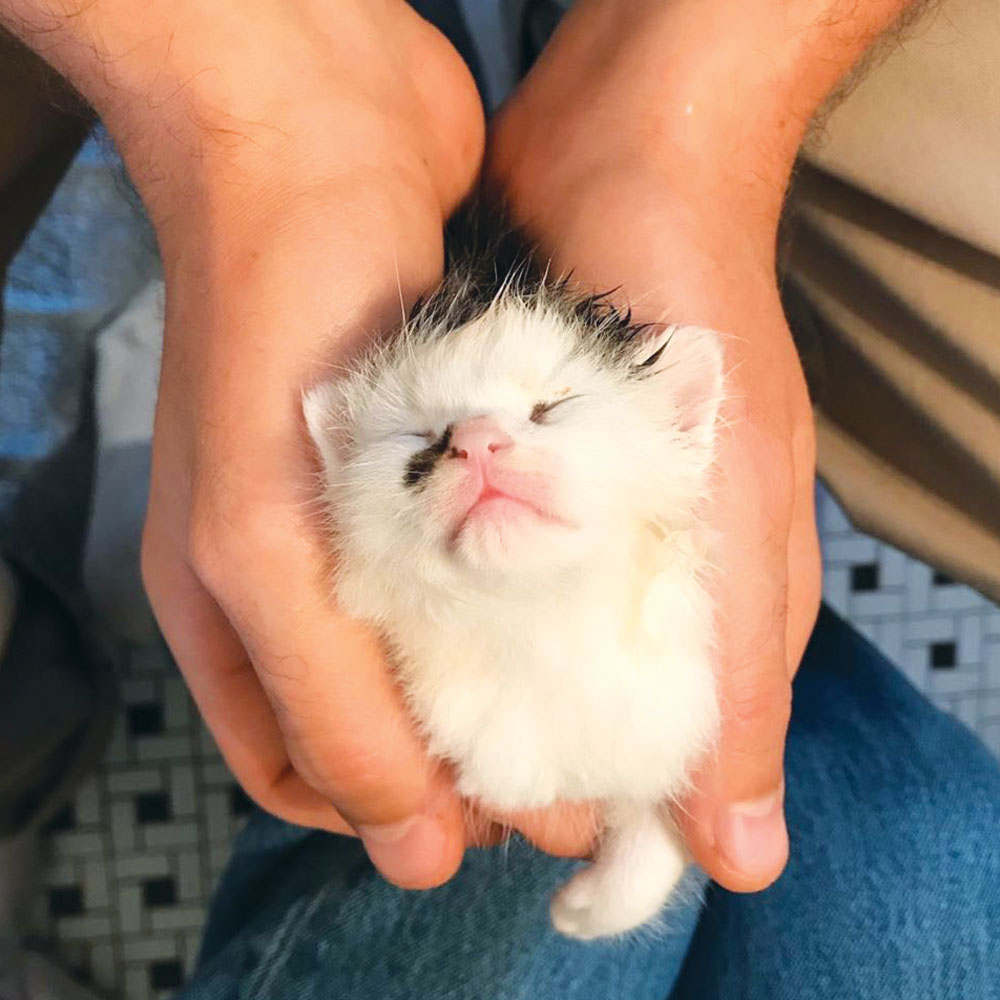
Stay tuned for insights on effective socialization techniques that can enhance your cat’s development and ensure they grow into well-adjusted companions. Remember, the time invested in socialization can pay off significantly, creating not only a more confident cat but also a more enjoyable living situation for all members of your household.
Effective Socialization for Felines
Socialization is not just an option; it is a necessity for the healthy development of cats. Understanding the various facets of socialization can significantly impact how a cat behaves and interacts within its environment. In Nigeria, where cultural practices and living conditions vary widely, the approach to socialization must be tailored to the unique experiences that cats will face.
Creating a Stimulating Environment: In the formative weeks of a kitten’s life, exposure to a variety of sensations is crucial. A well-rounded environment fosters not only exploration but also confidence. To aid this process, owners should consider the following strategies:
- Introduce Variety: Allow your kitten to experience different sounds and sights. For instance, playing recordings of chirping birds or the bustling sounds of a Lagos market can help familiarize your cat with varied auditory stimuli.
- Interact with Different People: Encourage visits from friends and family. These interactions provide kittens with opportunities to engage with a range of human personalities and behaviors, crucial for their social development.
- Exposure to Diverse Animals: If your kitten will be sharing its home with other pets, introducing them early on can reduce territorial aggression. This could include arranging playdates with other cats or friendly dogs.
- Experience Different Locations: Consider short trips to local parks or pet-friendly markets. This not only broadens their experience but also helps them adapt to the lively urban landscape of cities like Abuja or Port Harcourt.
Maintaining a Positive Experience: It is critical that all interactions be positive. Negative experiences during the socialization phase can lead to lasting fear or aggression. Utilize techniques such as rewarding your cat with treats or praise when they explore new environments or meet new people. This encourages a sense of security and reassurance.
Socialization should not stop once a cat reaches adulthood. Continuous engagement with new experiences is beneficial for long-term well-being. Even older cats can adapt to new situations when approached with patience and understanding. Owners can incorporate slight changes into the routine, such as rearranging furniture or introducing new toys, to stimulate curiosity and discovery.
When it comes down to socialization, patience is key. Each cat is unique, and their comfort levels will vary. By recognizing and respecting these boundaries while gradually expanding their experiences, pet owners can create a balanced feline that thrives in its environment. Additionally, this balanced approach to socialization results in a more enjoyable companionship where both pet and owner can flourish together.
As we move forward, we will further delve into specific techniques and approaches to enhance your cat’s socialization journey, ensuring they grow into confident and well-adjusted companions. Stay tuned for more insights to refine your understanding and practice of feline socialization.
| Benefits of Socialization | Key Features |
|---|---|
| Improved Behavior | Cats that are well-socialized are less likely to exhibit aggression and anxiety, leading to more harmonious households. |
| Enhanced Confidence | A socialized cat develops a sense of security in various environments, making them more adaptable to changes. |
| Stronger Bonds | Social interaction fosters affection and trust between cats and their human companions, enriching their relationships. |
| Healthier Play | Socialized cats engage in playful interactions with their peers and humans, which is crucial for their physical and mental stimulation. |
Socialization is a critical aspect of cat development that significantly influences their behavior and overall well-being. Cats that are exposed to various experiences from a young age tend to grow into more balanced adults. For instance, kittens introduced to different sights, sounds, and even people will likely develop a well-rounded personality. Moreover, early socialization reduces the risk of behavioral issues that can arise from fear or uncertainty. By participating in socialization activities, such as playdates with other pets or visiting pet-friendly locations, owners can help their cats develop positive associations. Engaging with other animals can also teach cats to communicate effectively, sharpening their natural instincts and enhancing their overall emotional intelligence. These experiences are beneficial not just for the cat but also enhance the joy of being a pet owner, as it produces a more relaxed and engaging feline companion.
SEE ALSO: Click here to read another article
Strategies for Successful Socialization
Enhancing a cat’s socialization is an ongoing journey, one that requires intention and methods tailored to the specific needs of both the cat and the environment. The phase of early social development is crucial, and there are several strategies that cat owners can employ to ensure their feline companions flourish amidst varying social interactions.
Utilizing Play as a Social Tool: Play is an inherent element of cat behavior and serves as an excellent medium for social interaction. Engaging your kitty in interactive play sessions with feather wands or laser pointers not only strengthens the bond between owner and cat but also allows for healthy stimulation of their predatory instincts. This type of active engagement creates positive experiences tied to social interactions, making it easier for cats to feel comfortable around humans and other pets.
Structured Introductions: When introducing a new pet into the home or allowing your cat to meet unfamiliar animals, it’s important to follow a structured approach. Start with short, supervised interactions and gradually increase their duration as comfort levels rise. The use of barriers such as baby gates can help create a safe space for both animals to adjust. This careful management helps mitigate stress and aggression, which can arise from unexpected encounters.
Emphasizing Routine and Stability: Cats thrive on consistency. Establishing a routine not only eases anxiety but also helps them adjust to new experiences. Feeding times, play sessions, and even quiet moments should occur at predictable intervals. This predictability fosters a sense of security, making your cat more open to exploring interactions outside of its established comfort zone.
Incorporating Training Techniques: Training isn’t just reserved for dogs; cats can benefit from basic training too! Using positive reinforcement, such as treats or clicker training, owners can teach their cats commands to improve their responses during social encounters. Commands like “sit” or “stay” can significantly improve a kitty’s focus in new situations, ultimately reducing anxiety and boosting their confidence. Consider enrolling in cat training classes that focus on preparing cats for social settings.
Utilizing Community Resources: In Nigeria, various organizations and pet communities offer programs focused on socialization and training. Participating in workshops or community cat meet-ups can expose your feline to a variety of environments and triggers, helping them build a robust social acumen. This communal approach helps owners understand feline behavior better while promoting socialization among pets.
Observing and Reacting to Body Language: Understanding feline body language is a pivotal component of socialization. Cats communicate largely through non-verbal cues. Owners should familiarize themselves with signs of comfort and discomfort in their pets. For instance, a relaxed tail and soft eyes indicate a content cat, while a puffed-up tail and flattened ears signify fear or aggression. Observing these indicators can guide owners in managing social interactions, ensuring they respect their cat’s boundaries.
Ultimately, the journey of socializing a cat is unique to each individual animal. By incorporating these strategies, pet owners can pave the way for a more balanced feline, one that thrives in both social settings and personal environments. This approach fosters trust, enabling the bond between pet and owner to deepen over time, creating a harmonious living space for all involved.
ADDITIONAL INSIGHTS: Expand your understanding here
Conclusion: Nurturing the Social Side of Your Feline Friend
In conclusion, the significance of socialization in cat development cannot be overstated. A well-socialized cat is not only happier but also healthier, thriving in a world filled with various interactions. By investing time and effort in creating positive experiences for your cat, you are setting the stage for a confident and adaptable companion. Embracing the strategies discussed—such as incorporating play, establishing routines, and recognizing feline body language—provides a comprehensive approach to nurturing your cat’s social skills.
Moreover, the collaborative spirit of community resources available in Nigeria, including training workshops and pet meet-ups, further enriches the social experience for both pets and owners. As you embark on this journey of feline socialization, remember that patience and understanding are key. Every cat has its own pace and preferences, and respecting those can lead to a more profound bond between you and your pet.
Ultimately, fostering a balanced feline not only enhances your cat’s life but also elevates the joy and fulfillment it brings to your home. So, take the leap, explore the diverse avenues of socialization, and watch as your furry friend transforms into a well-rounded member of your family. Your efforts in this journey will undoubtedly pay dividends, resulting in a cat that not only enjoys social interactions but also brings love, laughter, and companionship into your life.