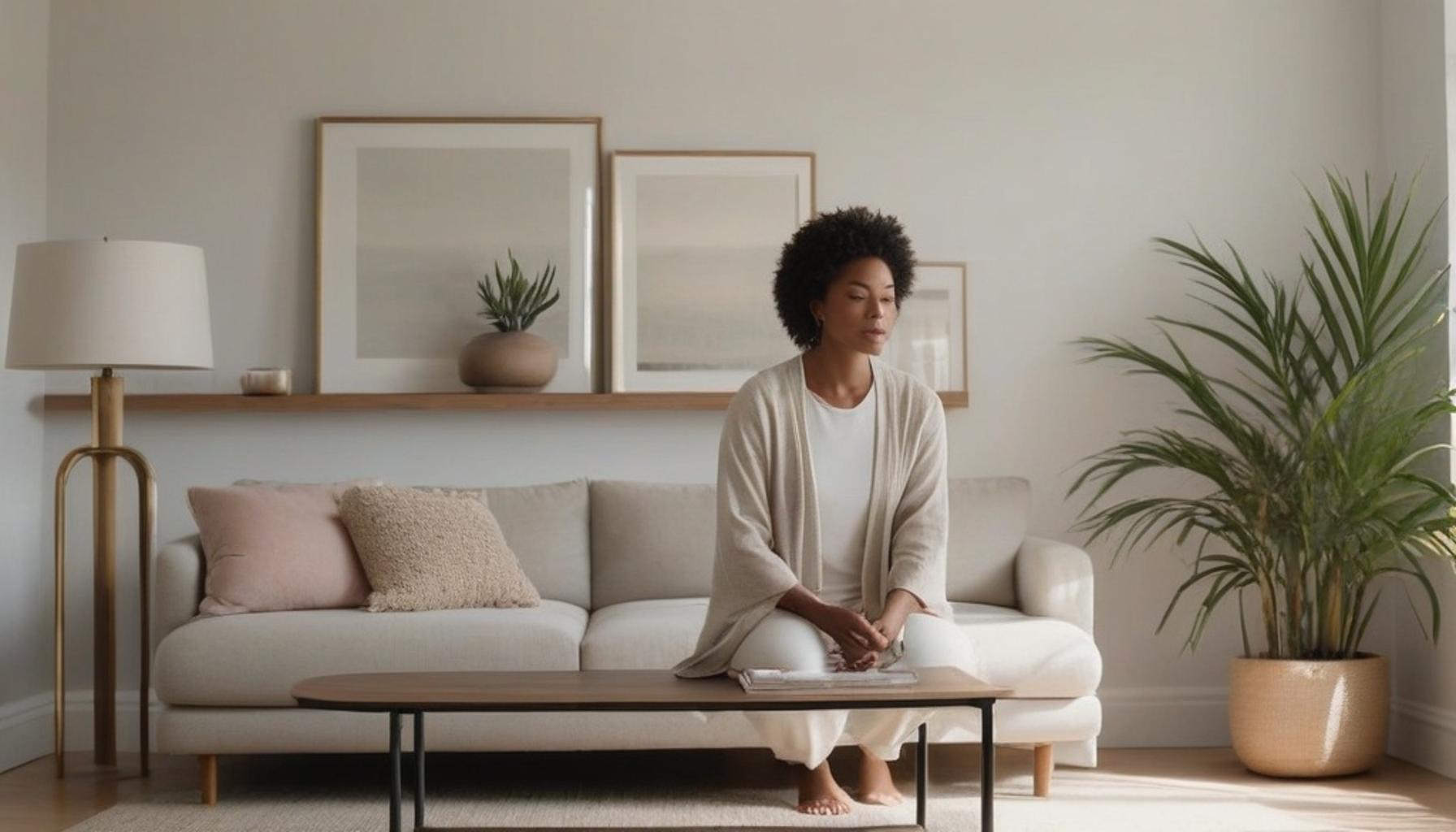
Mindful Living and Minimalism: Creating Spaces that Promote Calm and Mental Clarity
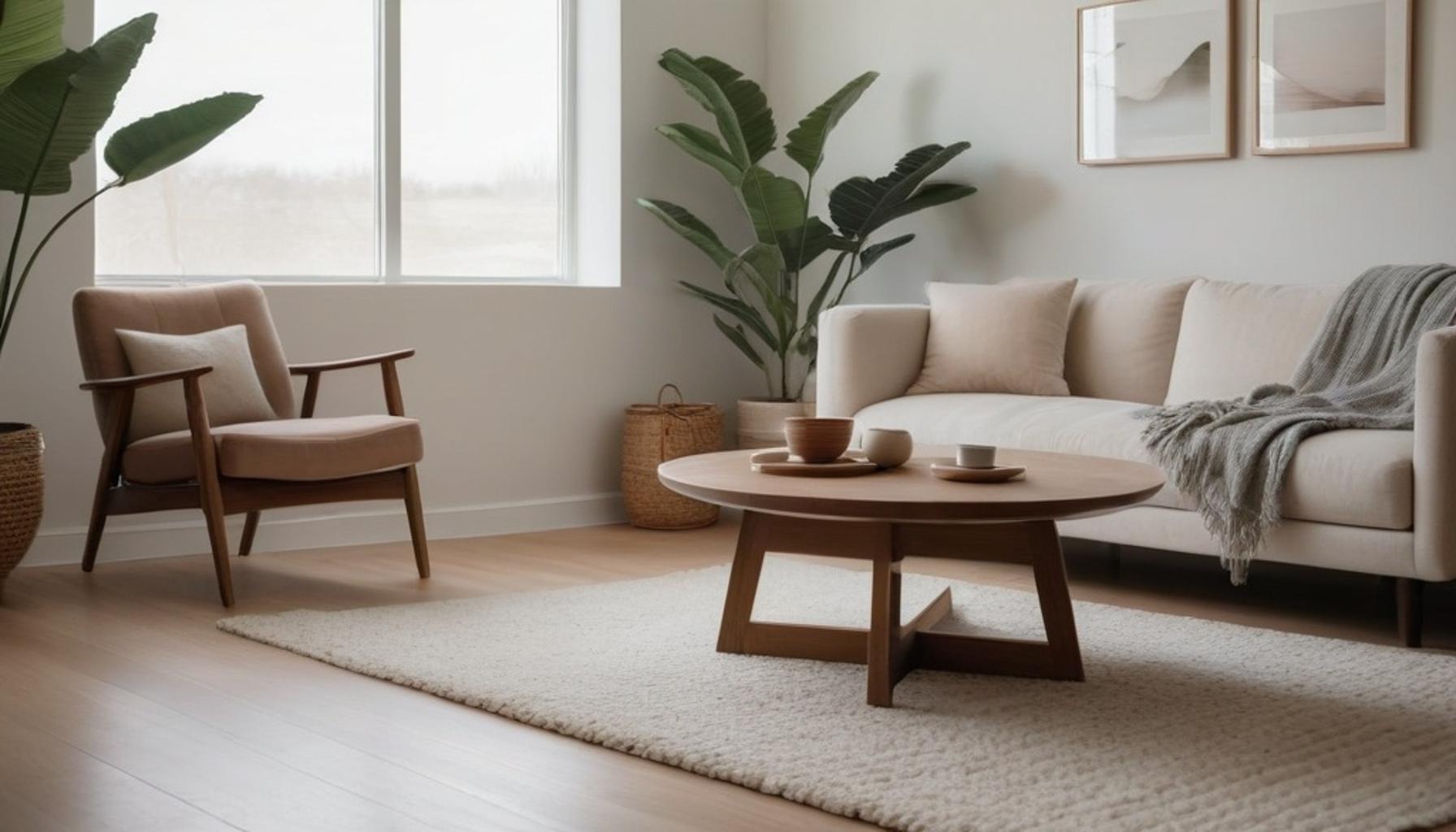
Unlocking the Secrets to a Calmer Home Environment
According to the LA Times, the average American home is a treasure trove of over 300,000 items. This staggering number captures the essence of why many individuals feel a wave of anxiety the moment they step over the threshold of their homes. Clutter doesn’t just occupy physical space; it invades mental space, leading to heightened levels of stress and distraction. This brings us to the growing movement emphasizing Mindful Living and Minimalism, a methodology that encourages simplicity and intentionality in our surroundings.
Across the United States, from the cozy corners of tiny apartments in Brooklyn to the spacious living rooms of suburban houses in Austin, people are starting to question how the design and layout of their homes impact their psychological well-being. This cultural shift is not merely a trend; it represents a deeper understanding of the symbiotic relationship between our environments and our mental states.
The Connection Between Space and Mind
In light of research from Princeton University, it has become increasingly evident that cluttered environments actively vie for our attention, making it significantly more challenging to focus and process information effectively. When our living spaces are filled with chaotic stimuli, our ability to maintain mental clarity diminishes, often leading to stress and anxiety.
This is where the concept of spaces that promote calm enters the conversation. Thoughtfully curated designs go beyond mere aesthetics; they seek to enhance functionality for the mind and spirit. Consider the following common sources of everyday clutter:
- Piles of unopened mail that accumulate on kitchen counters, creating an ongoing sense of obligation and reminders of tasks left undone.
- Closets crammed with clothes that have not seen the light of day for months, serving as a reminder of decisions not made.
- Digital clutter manifesting as overflowing email inboxes, contributing to feelings of being overwhelmed by technology.
- Furniture arrangements that obstruct natural light, dampening the overall mood of a room.
Each of these seemingly small triggers adds to a broader sense of chaos and friction in our lives. This chaotic energy can stifle creativity and wellbeing, underscoring the importance of a home designed with mindfulness in mind.
What This Article Will Explore
This piece aims to provide insightful and practical mental clarity tips rooted in intentional design principles and a simplified lifestyle. Readers can expect to uncover specific minimalist lifestyle benefits that are supported by psychological research and real-world application.
From exploring the principles of mindfulness in home design to acquiring actionable strategies for decluttering for peace, this guide serves as a comprehensive roadmap. It encourages readers to take manageable steps toward creating a home that supports rather than sabotages their well-being. Ultimately, the goal isn’t to achieve an unattainable state of perfection; it is to cultivate an environment that nurtures tranquility, focus, and emotional health.
CHECK OUT: The practice of mindfulness in personal organization: how minimalism transforms the mind
# The Science Behind Simplicity: Why Less Truly Becomes More
Walk into any home organization store on a Saturday morning in cities like Chicago or Denver, and you’ll notice something telling: shelves are packed with customers searching for solutions to a problem that seems distinctly modern. The desire for spaces that promote calm isn’t just an aesthetic preference anymore. It’s becoming a mental health necessity.
Neuroscientists at institutions like UCLA have found that visual clutter competes for our neural resources, essentially forcing the brain to work overtime just to filter out unnecessary stimuli. This constant cognitive load doesn’t just make us tired; it actively depletes the mental reserves we need for decision-making, creativity, and emotional regulation.
The Cortisol Connection: How Clutter Affects Your Body
Perhaps the most compelling evidence comes from a study published by researchers at UCLA’s Center on Everyday Lives and Families. Their findings revealed that women who described their homes using words like “cluttered” or “chaotic” showed elevated cortisol levels throughout the day compared to those who described their spaces as “restful” or “restorative.”
This isn’t a minor detail. Cortisol, often called the stress hormone, plays a significant role in everything from sleep quality to immune function. When our environment consistently triggers this stress response, the effects ripple outward into nearly every aspect of daily life.
This is precisely why Mindful Living and Minimalism has gained such traction among psychologists and wellness experts alike. It isn’t about aesthetic deprivation; it’s about removing physical and visual noise that keeps our nervous systems in a low-grade state of alert.
Practical Signs Your Space Might Be Working Against You
Before diving into solutions, it helps to recognize the specific ways an unmindful environment can sabotage mental clarity. Consider these common indicators:
- You feel a subtle sense of dread or overwhelm when entering certain rooms, particularly home offices or kitchens.
- Simple tasks like finding keys or important documents take longer than they should, leading to daily frustration.
- You avoid inviting guests over because the state of your home feels embarrassing or overwhelming to manage.
- Your sleep quality suffers because your bedroom functions as storage for unfinished projects or miscellaneous items.
Recognizing these patterns is the first step toward implementing meaningful mental clarity tips that address root causes rather than surface symptoms. The goal isn’t to eliminate every possession, but to become intentional about what earns a place in your daily environment.
As we’ll explore further, this intentionality forms the very foundation of mindfulness in home design, a practice that transforms houses from mere storage units into genuine sanctuaries for rest and reflection.
| Key Aspect | Description |
|---|---|
| Intentional Design | Furniture and decor that enhance functionality and reduce distractions. |
| Natural Integration | Use of plants and natural materials to foster calm and connection with nature. |
| Mindfulness Practice | Curation of spaces that align with emotional needs and encourage self-care. |
| Decluttering | Regularly assessing possessions to foster peace of mind and clarity. |
RECOMMENDED: Simplifying Daily Life: Personal Organization Techniques to Cultivate Mindfulness
# The One-In-One-Out Rule and Other Practical Strategies
Understanding the science behind clutter’s effects is one thing. Actually applying mental clarity tips to a real American household, where closets overflow and garages double as storage units, requires a different kind of approach entirely.
Professional organizers in cities like Austin and Portland report that clients often feel paralyzed by the sheer scale of decluttering. The solution isn’t a weekend purge but rather sustainable systems that prevent accumulation in the first place.
Room-by-Room Strategies That Actually Work
One method gaining popularity among minimalist lifestyle coaches is the “one-in-one-out” rule. For every new item brought into the home, an existing item must leave. This simple constraint forces intentionality without requiring dramatic lifestyle overhauls.
Consider these targeted approaches for spaces where clutter tends to accumulate fastest:
- Kitchen counters: Keep only appliances used daily; store seasonal items like slow cookers or waffle irons elsewhere.
- Entryways: Limit surfaces to a single tray for keys and mail, preventing the “landing zone” chaos common in suburban homes.
- Bedrooms: Remove electronics and work materials entirely, reserving the space exclusively for rest.
- Home offices: Digitize paperwork whenever possible, reducing physical storage needs by significant margins.
A 2019 survey by the National Association of Productivity and Organizing Professionals found that Americans spend an average of 2.5 days annually just searching for misplaced items. That figure alone makes a compelling case for decluttering for peace, not merely aesthetics.
The Role of Natural Light and Negative Space
Beyond removing excess belongings, mindfulness in home design also emphasizes what you allow to remain: light, air, and empty space itself.
Architects practicing biophilic design principles, popular in wellness-focused developments across California and the Pacific Northwest, prioritize unobstructed windows and open floor plans. The reasoning is straightforward: natural light exposure regulates circadian rhythms, which directly influences mood and cognitive function.
Negative space, the deliberately empty areas within a room, serves a similar psychological purpose. Just as musicians use silence between notes, thoughtfully designed homes use empty space to give the eye a place to rest.
Interior designers increasingly recommend leaving at least one surface in every room completely bare. This might seem counterintuitive in a culture that often equates decoration with success, but the visual relief it provides supports the broader minimalist lifestyle benefits researchers have documented, including improved focus and reduced anxiety symptoms during daily tasks.
Rethinking What Home Really Means
The growing conversation around Mindful Living and Minimalism is not about achieving a picture-perfect, empty room. It is about recognizing that physical environments actively shape mental states, whether Americans realize it or not.
From the neuroscience showing cluttered spaces compete for cognitive resources, to practical tools like the one-in-one-out rule, the evidence points to a single conclusion: intentional spaces support intentional lives. Homes filled with unused kitchen gadgets, overflowing entryway trays, and paperwork-laden offices are not just messy; they are quietly taxing on the brain every single day.
Small Changes, Measurable Results
What makes this movement worth investigating further is its accessibility. Unlike expensive renovations or wellness retreats, mental clarity tips like clearing one countertop or digitizing a filing cabinet cost little beyond effort and consistency.
The data reinforces this. Losing 2.5 days a year searching for misplaced items is a statistic that resonates with nearly every household, regardless of income or region, from Brooklyn apartments to Phoenix ranch homes.
Consider starting with one area this week:
- Clear a single surface and leave it intentionally bare.
- Apply the one-in-one-out rule to a closet or drawer.
- Open blinds fully for a few days and notice any shift in mood.
Ultimately, decluttering for peace and embracing mindfulness in home design are not aesthetic trends confined to design magazines. They reflect a broader cultural recalibration, one where Americans are questioning accumulation as a marker of success.
The minimalist lifestyle benefits explored throughout this discussion, sharper focus, reduced anxiety, better use of natural light, suggest that spaces that promote calm are within reach for nearly anyone willing to start small and stay consistent.
Frequently Asked Questions
How can I start incorporating mindful living and minimalism into my home each day?
Begin by decluttering your space, focusing on items that bring you joy or serve a purpose. Implement daily rituals such as meditation, journaling, or a mindful morning routine to cultivate a peaceful mindset. Gradually introduce minimalist decor elements that reflect simplicity and serenity.
What are the benefits of mindful living and minimalism on mental clarity?
Mindful living and minimalism reduce distractions and create a calming environment, which can enhance focus and mental clarity. By simplifying your surroundings, you’ll find it easier to concentrate on tasks and develop a greater sense of awareness in your daily life. This combination fosters a sense of peace and allows for deeper reflection.
Can mindful living and minimalism help reduce stress in family dynamics?
Yes, adopting mindful living and minimalism can help reduce stress by creating a more organized and harmonious home environment. When your space is less cluttered, it can lead to fewer conflicts and distractions among family members. Encouraging open communication and shared mindfulness practices can further strengthen family bonds.
What specific strategies can I use to make my workspace more aligned with mindful living and minimalism?
Consider decluttering your desk by removing non-essential items and keeping only what you need for productivity. Use natural elements like plants or calming colors to enhance your workspace ambiance. Incorporating scheduled breaks for mindfulness practice can also increase focus and motivation throughout your workday.

Linda Carter
Linda Carter is a writer specializing in minimalism and personal organization. With extensive experience helping readers create more functional and balanced routines, she shares practical advice on decluttering, organizing spaces, simplifying daily tasks, and making more intentional choices. Her goal is to offer clear guidance and accessible strategies that help people reduce excess, improve their surroundings, and enjoy a calmer, more organized lifestyle.