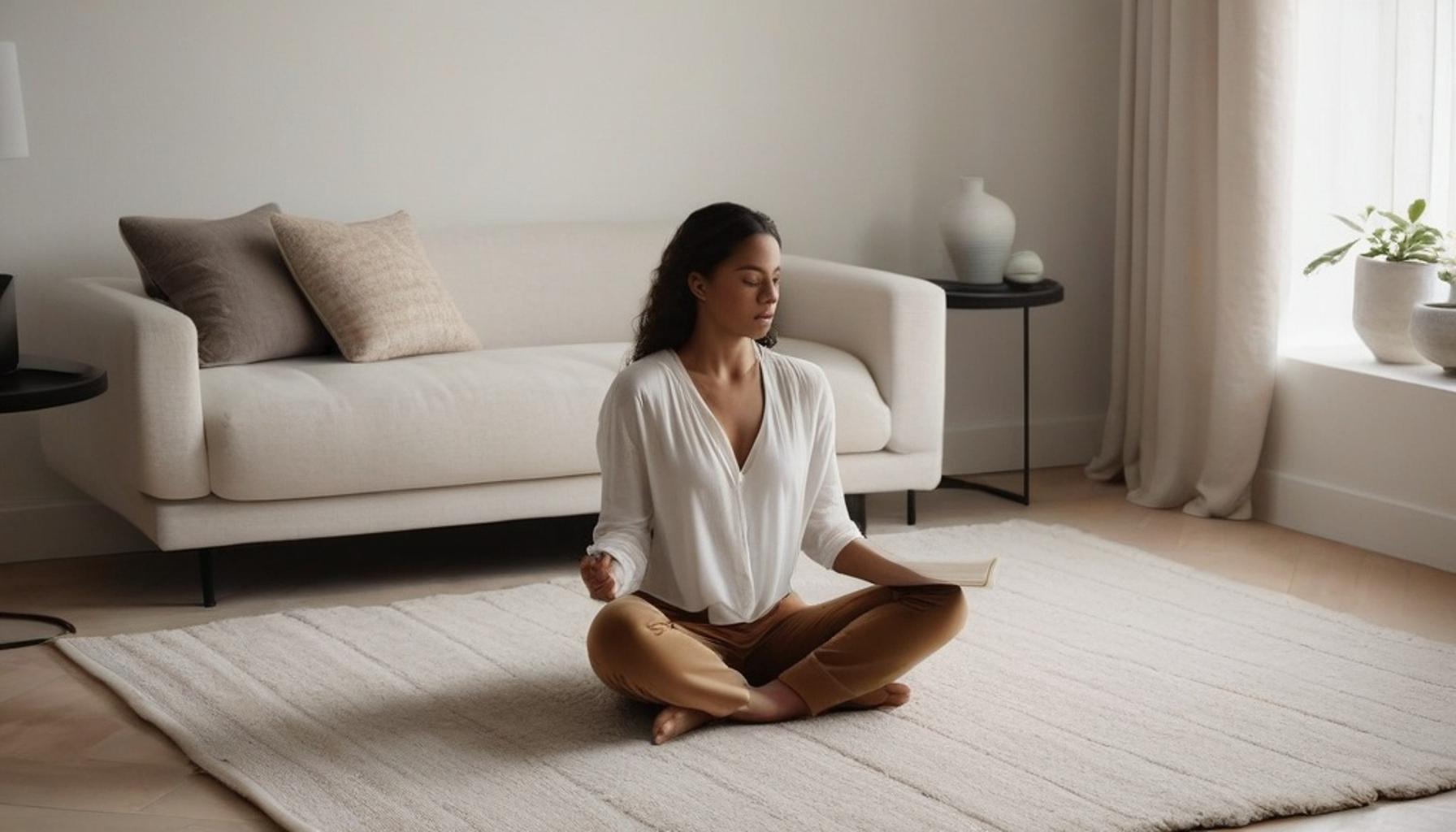
Mindful Living: Integrating Mindfulness Practices into a Minimalist Routine

Why Less Noise Often Means More Presence
Americans spend an average of seven hours a day staring at screens, according to recent data from eMarketer. This screen time often includes work-related tasks, social media scrolling, and mindless television viewing. The constant stimulation leaves little room for stillness, clarity, or intention, contributing to heightened anxiety and a feeling of disconnection from both ourselves and our surroundings.
This is where Mindful Living enters the conversation. It’s not just a wellness trend; it’s a practical response to modern overload and a call for deeper engagement with life. Mindfulness encourages us to slow down and bring our full awareness to the present, which stands in stark contrast to the distractions of contemporary life.
The Intersection of Two Powerful Philosophies
Minimalism and mindfulness might seem like separate movements, but they share a common goal: reducing distraction to make space for what truly matters. In a world saturated with information and material possessions, embracing minimalism can be liberating.
Combining a minimalist routine with mindfulness practices creates a lifestyle that’s both simplified and deeply intentional. Think of it as a pathway to clarity—fewer possessions and commitments allow for greater attention to the present moment. Here are some practical strategies to consider:
- Decluttering physical spaces to reduce mental clutter, whether it’s cleaning out your closet or reorganizing your workspace.
- Practicing daily meditation or breathwork for even just a few minutes, fostering a sense of calm and clarity amidst life’s chaos.
- Simplifying schedules to prioritize meaningful activities, such as dedicating time for hobbies or family gatherings that bring joy.
- Choosing quality over quantity in purchases and relationships, investing in experiences that enrich life rather than hoarding items that collect dust.
What This Article Will Cover
Curious about how to live mindfully without overhauling your entire life overnight? You’re not alone. Many individuals are seeking ways to engage more deeply with their lives while navigating a culture that often demands constant busyness.
Ahead, we’ll explore the tangible benefits of mindful living, highlighting scientific research on how mindfulness can lead to stress reduction and improved focus. Studies have shown that regular mindfulness practice can enhance cognitive flexibility and emotional regulation, which are essential for today’s fast-paced environment.
Additionally, we’ll share actionable tips for mindful living that can seamlessly fit into a pared-down lifestyle, making the transition to a more intentional way of living approachable and sustainable.
From morning rituals that set a positive tone for the day to digital detox strategies that foster healthier screen habits, this guide unpacks how minimalism and mindfulness work together to create calmer, more purposeful days. Together, we can shift the narrative from endless distractions to a fuller, more present existence.
YOU MAY ALSO LIKE: The Art of Living with Less: How Mindful Living Enhances Minimalism and Personal Organization
The Science Behind Slowing Down
Before diving into practical steps, it’s worth understanding why Mindful Living has gained such traction among researchers and everyday Americans alike. A 2022 study published in the journal JAMA Psychiatry found that mindfulness-based stress reduction programs were as effective as common anti-anxiety medications for treating anxiety disorders. That’s a significant finding for anyone hesitant to overhaul their mental health routine with pharmaceuticals alone.
The benefits of mindful living extend beyond anxiety relief. Harvard-affiliated researchers have documented changes in brain structure after just eight weeks of consistent mindfulness practice, specifically increased gray matter density in areas associated with memory, empathy, and stress regulation. This isn’t abstract wellness talk; it’s measurable neurological change.
Why Minimalism Amplifies These Effects
Here’s where things get interesting. Mindfulness alone can be powerful, but pairing it with a minimalist routine seems to accelerate the benefits. When there’s less physical and mental clutter competing for attention, the brain has fewer distractions pulling it away from the present moment.
Consider the average American home, which according to the LA Times contains roughly 300,000 items. Every object represents a micro-decision, whether to clean it, organize it, or simply acknowledge its presence. Multiply that across a cluttered calendar, an overflowing inbox, and constant notifications, and it becomes clear why so many people feel perpetually overwhelmed.
This is precisely why minimalism and mindfulness function so well together. Reducing external noise creates the mental bandwidth necessary for genuine presence. It’s not about owning nothing or meditating for hours daily; it’s about intentional subtraction that makes room for what matters.
Practical Entry Points for Beginners
Understanding how to live mindfully starts with small, sustainable shifts rather than dramatic lifestyle overhauls. Consider these accessible starting points:
- Start with a single drawer or shelf, decluttering it mindfully by pausing to consider each item’s purpose before deciding what stays.
- Set aside five minutes each morning for quiet breathing before checking your phone, delaying digital input until your mind has settled.
- Turn one daily task, such as washing dishes or walking the dog, into a mindfulness practice by focusing entirely on the sensory experience.
- Unsubscribe from three email lists or mute non-essential notifications weekly, gradually reducing digital clutter alongside physical clutter.
These small, deliberate actions build the foundation for lasting change. Rather than expecting instant transformation, the goal is consistency, allowing mindfulness and simplicity to reinforce one another over time.
| Category | Summary |
|---|---|
| Mindfulness Practices | Incorporating mindfulness practices into your day enhances awareness and presence, allowing you to fully engage with your surroundings. |
| Minimalist Routine | Adopting a minimalist routine simplifies your lifestyle, reducing distractions and focusing on what truly matters. |
| Benefits of Mindful Living | The benefits of mindful living include reduced stress, increased clarity, and deeper connections with both yourself and others. |
| Tips for Mindful Living | Tips like daily meditation, intentional decluttering, and gratitude journaling can transform your daily experience. |
SEE ALSO: Minimalism and Mindfulness: Creating Spaces that Inspire Tranquility and Mental Clarity
Designing Spaces That Support Presence
Once the basic habits take root, the next layer of mindful living involves examining the physical environments where daily life unfolds. Architects and interior designers have long understood that space shapes behavior, but only recently have researchers connected specific design choices to measurable drops in cortisol and improved focus.
A 2021 study from the University of Arizona found that visual clutter competes directly with cognitive resources, meaning a messy countertop or overstuffed closet isn’t just an eyesore, it’s actively taxing the brain’s processing capacity. This finding gives fresh weight to the idea that a minimalist routine isn’t purely aesthetic; it’s functional.
The Kitchen Table Test
One simple diagnostic many organizers recommend is what’s sometimes called the kitchen table test. If mail, gadgets, and miscellaneous items regularly pile up on a home’s most-used surface, that clutter often signals a larger pattern of decision fatigue throughout the household.
Addressing this doesn’t require an expensive renovation. Instead, it calls for a mindset shift, treating shared spaces as extensions of one’s mental state rather than convenient dumping grounds.
- Designate one flat surface in the home as a strictly clutter-free zone, and commit to clearing it nightly.
- Choose furniture and decor with a clear purpose rather than items acquired for trend or impulse.
- Introduce natural elements, such as a single plant or a piece of untreated wood, since research from Texas A&M links nature exposure to reduced mental fatigue.
Digital Minimalism as a Companion Practice
No discussion of tips for mindful living would be complete without addressing screens. The average American checks their phone 144 times per day, according to a 2023 Reviews.org survey, a figure that has climbed steadily since smartphones became ubiquitous.
This constant checking fragments attention in ways that undermine both mindfulness and minimalism. Cal Newport, the Georgetown professor who popularized the term digital minimalism, argues that intentional technology use, rather than complete avoidance, produces the most sustainable results.
Applying this to everyday routines might look like designating phone-free zones within the home, such as the bedroom or dining table, or scheduling specific windows for email and social media rather than allowing constant access. These boundaries echo the same principle guiding physical decluttering: fewer inputs, deeper attention.
Understanding how to live mindfully in a digital age increasingly means recognizing that minimalism isn’t confined to physical belongings. It extends into the invisible architecture of notifications, apps, and algorithms competing for attention every waking hour.
Bringing It All Together
Across breathing exercises, decluttered countertops, and phone-free dinner tables, a single thread emerges: mindful living and minimalism are not separate pursuits but complementary disciplines that reinforce one another. Reducing physical and digital noise creates room for attention, and attention, in turn, makes it easier to notice what truly deserves space in daily life.
The benefits of mindful living extend beyond calmer mornings or tidier shelves. Lower cortisol levels, sharper focus, and reduced decision fatigue all point toward a nervous system that finally gets a break from constant stimulation, something increasingly rare in American households juggling work, screens, and endless consumer choices.
Starting Small, Thinking Long-Term
Nobody transforms their habits or their home overnight, and research on behavior change suggests that’s not even the goal. Small, consistent adjustments, like clearing one surface nightly or silencing notifications during meals, compound over months into a fundamentally different relationship with space and attention.
For readers wondering how to live mindfully without overhauling their entire lifestyle, the answer lies in this incremental approach. Pick one habit, one room, or one screen boundary, then build outward from there.
Ultimately, the intersection of minimalism and mindfulness offers something increasingly rare: a practical, evidence-backed path toward slowing down. As more studies quantify the cognitive costs of clutter and constant connectivity, the case for a deliberately simplified life only grows stronger, inviting anyone curious enough to test these principles for themselves.
Frequently Asked Questions
What are some simple mindfulness practices I can incorporate into my minimalist routine?
Some simple mindfulness practices to integrate into your minimalist routine include daily meditation, mindful breathing exercises, and journaling. You can start by setting aside just five minutes each day to focus on your breath or jot down your thoughts, allowing you to cultivate awareness and presence without adding clutter to your schedule.
How can mindful living improve my experience of minimalism?
Mindful living enhances minimalism by encouraging you to be intentional about your choices and interactions with your environment. It helps you appreciate the simplicity of your surroundings, fostering a greater sense of gratitude and contentment, which ultimately enriches your minimalist lifestyle.
Is it essential to declutter my space before starting mindfulness practices?
While decluttering can create a more conducive environment for mindfulness practices, it is not essential to begin. You can start practicing mindfulness in any space, and as you become more mindful, you may naturally feel inspired to simplify your surroundings further as a reflection of your inner peace.
How do I maintain mindfulness during daily chores in my minimalist routine?
To maintain mindfulness during daily chores, focus on the tasks at hand instead of letting your mind wander. Engage fully with each action, such as feeling the texture of the dishes while washing or savoring the scent of clean laundry, turning everyday routines into opportunities for mindful living.

Linda Carter
Linda Carter is a writer specializing in minimalism and personal organization. With extensive experience helping readers create more functional and balanced routines, she shares practical advice on decluttering, organizing spaces, simplifying daily tasks, and making more intentional choices. Her goal is to offer clear guidance and accessible strategies that help people reduce excess, improve their surroundings, and enjoy a calmer, more organized lifestyle.