The Art of Decluttering: How Space Optimization Enhances Personal Organization in a Minimalist Lifestyle
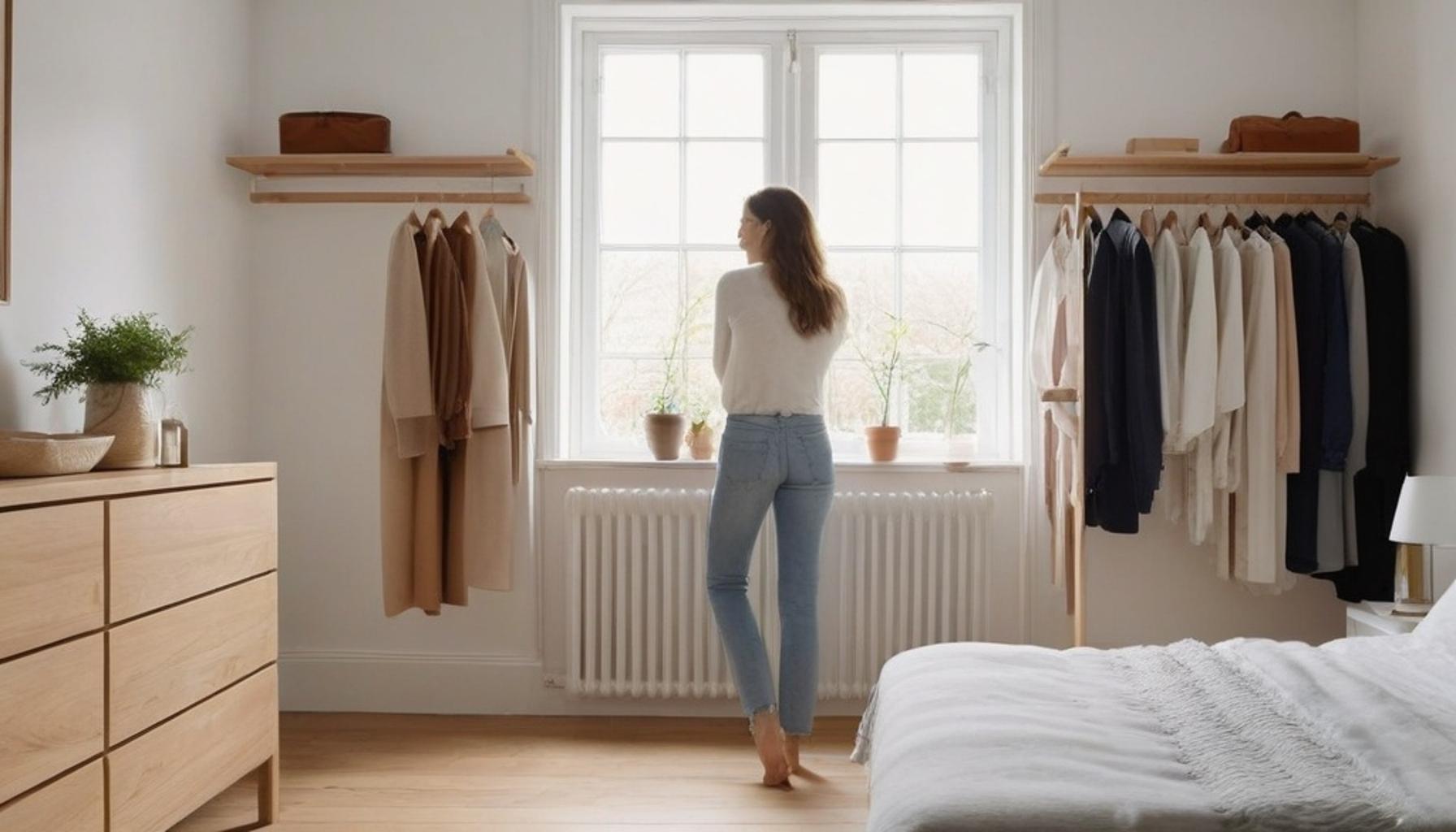
Understanding the Hidden Costs of a Cluttered Closet
The average American household contains over 300,000 items, according to the LA Times. This staggering statistic highlights a common issue that many face: a chaotic home filled with too many things. The clutter is more than just a visual nuisance; it can silently drain your time, money, and mental clarity. For instance, how often do you find yourself scrambling to locate your car keys in a jumble of items? Even everyday tasks can become stressful and time-consuming when surrounded by disarray.
From the cramped apartments of New York City to spacious homes in Texas, a quiet revolution has begun. As people grapple with rising construction costs and declining living space, there is a movement toward space optimization. This concept encompasses not just tidying up but also reevaluating what we own and how we live. It reflects a growing recognition that how we curate our living spaces impacts our quality of life.
The Shift Toward Intentional Living
This movement transcends merely throwing out old magazines or donating clothes. It represents a comprehensive lifestyle shift that embraces personal organization strategies. These strategies aim to enhance daily functioning in the home. Here are some key benefits of intentional living:
- Reducing decision fatigue by owning fewer, better things—having a streamlined wardrobe can speed up morning routines and eliminate choices that overwhelm.
- Creating multi-functional zones in small apartments—consider a dining table that doubles as a workspace or a sofa that converts into a bed for guests.
- Lowering cleaning time and household stress—less clutter equates to less time spent dusting and organizing, allowing more time for relaxation or hobbies.
- Freeing up budget previously spent on storage units—simple organizational strategies can eliminate the need for off-site storage, saving you money in the long run.
Wondering how to declutter effectively without feeling overwhelmed? The first step is to understand both the psychology of clutter and the practical mechanics of organizing your space. Consider the emotional attachments we often form with our belongings, which can complicate the decluttering process. Recognizing these emotions can help you make better decisions about what to keep and what to let go.
This article will explore the tangible minimalist lifestyle benefits and provide actionable methods for optimizing small spaces. No matter if you inhabit a tiny New York loft or an expansive Midwestern home looking for simplification, these strategies can significantly enhance your living experience. Embracing a clutter-free lifestyle can lead to greater peace of mind and an improved ability to focus on what truly matters in life.
YOU MAY ALSO LIKE: Functional Minimalism: Designing Multi-Purpose Furniture for Efficient Organization
The Impact of Visual Clutter on Mental Well-Being
In 2011, a groundbreaking study from Princeton University unveiled a striking truth about clutter: visual clutter competes for attention in the brain. This competition hampers our ability to focus and effectively process information, leading to a sense of being overwhelmed even before tackling daily tasks. This phenomenon offers a clear explanation for why, for example, a messy kitchen counter can leave you feeling scattered, even before that essential morning coffee is consumed.
Further delving into the connection between physical spaces and psychological states, multiple studies have linked high levels of cortisol—the body’s primary stress hormone—to cluttered environments. A noteworthy UCLA study revealed that women who described their homes as “cluttered” or filled with unfinished projects exhibited higher cortisol levels throughout the day, as opposed to those who characterized their surroundings as “restful” and “restorative.” Such findings emphasize that space optimization transcends mere aesthetic preferences; it emerges as a vital strategy for improving overall wellness and mental health.
Getting Started on the Decluttering Journey
For many, the thought of decluttering can be daunting. Faced with a garage brimming with a decade of accumulated items in Ohio, or the challenge of maximizing every square foot in a compact New York City studio apartment, where should one even begin? The solution often lies in simplifying the approach rather than attempting to declutter an entire home in one overwhelming go.
Professional organizers frequently suggest adopting a systematic method for how to declutter effectively:
- Focus on a single category: Concentrate on one area, such as clothing or kitchen gadgets, to prevent feeling overwhelmed by an entire room.
- Utilize the “one-year rule”: If an item hasn’t been used in the past twelve months, it’s likely a candidate for donation or disposal, streamlining decision-making.
- Sort belongings into four distinct piles: Categorize items as keep, donate, sell, and discard to clarify choices and minimize indecision.
- Digitize memories: Transform sentimental paperwork and photographs into digital formats to retain memories while avoiding physical clutter.
- Set time limits: Allocate focused twenty-minute sessions for decluttering tasks. This approach not only prevents burnout but also makes the process feel more manageable.
These decluttering tips aren’t about striving for a stark, minimalist aesthetic overnight. They aim to foster sustainable habits that diminish both the mental and physical burden associated with excess belongings. Remarkably, many individuals who implement these strategies report experiencing unexpected benefits, such as enhanced clarity in areas like financial planning, career decision-making, and personal relationships.
At its core, space optimization invites individuals to take an honest inventory of what genuinely adds value to their lives. Often, this self-reflection uncovers surprising patterns, such as owning multiple versions of the same tool or retaining gifts out of obligation rather than genuine attachment. Recognizing these patterns is typically the first significant milestone in the journey toward effective decluttering.
As the clutter begins to clear, it becomes apparent that the process is not solely about physical space. It is a transformative journey that fosters mindfulness and encourages a deeper connection with our belongings. By understanding and addressing the clutter in our lives, we can cultivate a healthier mental environment, paving the way for greater focus and overall well-being.
| Key Aspect | Description |
|---|---|
| Clarity & Calmness | Optimizing space reduces clutter, creating a peaceful living environment. |
| Mindful Consumption | Encourages intentional decision-making about belongings, enhancing personal satisfaction. |
RECOMMENDED: Maximizing Small Spaces: Creative Solutions for Minimalist Living
Turning Square Footage into Functional Living: Strategies for Optimizing Small Spaces
Across the United States, the average home size has shifted dramatically. According to the U.S. Census Bureau, the median size of new single-family homes has fluctuated in recent years, while more Americans are choosing to live in apartments, condos, and tiny homes than ever before. This shift has made optimizing small spaces a pressing concern for millions, from young professionals in Chicago high-rises to retirees downsizing in Florida communities.
Vertical space, often overlooked, presents one of the most underutilized resources in modern homes. Installing floor-to-ceiling shelving, wall-mounted organizers, and over-the-door storage systems can dramatically increase usable space without expanding a home’s footprint. Furniture designed with dual purposes—such as ottomans with hidden storage or beds with built-in drawers—has surged in popularity, reflecting a broader shift in consumer priorities toward functionality over excess.
Personal Organization Strategies That Actually Stick
Beyond physical storage solutions, successful personal organization strategies often hinge on consistent systems rather than one-time overhauls. Professional organizers point to a few methods that tend to produce lasting results:
- The “one in, one out” rule: For every new item brought into the home, an existing item is donated or discarded, maintaining equilibrium over time.
- Designated homes for everyday items: Keys, mail, and chargers each have a specific spot, reducing the daily scramble that contributes to clutter buildup.
- Seasonal rotation: Storing off-season clothing and gear elsewhere frees up closet space and simplifies daily decision-making.
- Digital decluttering: Unsubscribing from unnecessary emails and organizing digital files mirrors the mental clarity gained from physical decluttering.
These habits, though small individually, compound over months and years into a noticeably lighter, more manageable living environment.
The Financial and Environmental Upside
Interestingly, the benefits of embracing a minimalist lifestyle extend well beyond mental clarity. A 2018 survey by the furniture retailer Apartment Therapy found that individuals who actively decluttered reported saving money by avoiding duplicate purchases and impulse buys tied to disorganization. When people can clearly see what they own, they are less likely to purchase items they already have tucked away in a forgotten drawer.
There’s also an environmental dimension worth noting. The Environmental Protection Agency estimates that Americans generate over 292 million tons of municipal solid waste annually, a substantial portion of which includes household items discarded without ever being donated or resold. Thoughtful decluttering, paired with donation or resale platforms like Facebook Marketplace and local thrift stores, can redirect usable goods away from landfills.
Ultimately, the practical payoff of space optimization reaches far beyond tidy shelves. It touches personal finances, environmental impact, and the everyday rhythm of household life, proving that the way we arrange our physical surroundings carries consequences well beyond aesthetics.
CHECK OUT: Functional Organization: Creating Minimalist Work Environments with Minimal Resources
Rethinking the Way We Live: Final Reflections on Decluttering and Space Optimization
The growing interest in space optimization is not a passing trend confined to home makeover shows. It reflects a deeper cultural recalibration, one where Americans are questioning whether more square footage and more possessions truly translate into a better quality of life.
From vertical shelving in a Brooklyn studio to seasonal wardrobe rotations in a suburban Ohio household, the practical decluttering tips explored throughout this article point to a common truth: organization is less about aesthetics and more about creating systems that reduce daily friction.
Understanding how to declutter effectively means recognizing that lasting change rarely comes from a single weekend purge. It comes from small, repeatable habits—designated spots for keys, a one-in-one-out policy for clothing, regular digital cleanups—that prevent clutter from silently creeping back in.
The broader minimalist lifestyle benefits extend into areas many homeowners overlook. Reduced spending on duplicate purchases, less household waste contributing to the nation’s 292 million tons of annual municipal solid waste, and a calmer, more functional living space all stem from the same root habit: intentional ownership.
Looking ahead, as housing costs rise and living spaces shrink in cities across the country, the demand for smart personal organization strategies will likely continue growing. Multi-functional furniture, modular storage, and donation-first mindsets are no longer niche preferences; they are becoming practical necessities for modern American households.
Perhaps the most compelling takeaway is this: decluttering is not about deprivation. It is about deciding, deliberately, what deserves space in a home and in a life. That single shift in mindset may be the most valuable organizational tool of all.
Frequently Asked Questions
What are some effective techniques for space optimization in a small apartment?
To optimize space in a small apartment, consider utilizing vertical storage solutions such as shelves and hooks. Multi-functional furniture, like ottomans with storage or bed frames with drawers, can also help maximize your available space. Regularly reassess your belongings and discard or donate items you no longer use to maintain a clutter-free environment.
How does space optimization contribute to a minimalist lifestyle?
Space optimization is crucial to a minimalist lifestyle as it encourages individuals to evaluate their possessions and keep only what truly adds value to their lives. By creating organized, functional spaces, individuals can reduce distractions and enhance their overall well-being, allowing them to focus on what matters most. This approach emphasizes quality over quantity, aligning perfectly with minimalist principles.
Can you give examples of space optimization practices for home offices?
In home offices, you can practice space optimization by incorporating under-desk storage solutions, such as rolling carts or drawer units. Floating shelves can help free up desk space while displaying essential materials. Additionally, keeping only necessary tools and supplies within reach and implementing digital solutions for documents can further minimize clutter and enhance productivity.
What are the psychological benefits of optimizing space in your living environment?
Optimizing your living space can lead to reduced stress and increased focus, as a clutter-free environment promotes calmness and mental clarity. It also encourages a sense of control and accomplishment, empowering individuals to take charge of their surroundings. Furthermore, a well-organized space can enhance creativity and provide a more inviting atmosphere for self-reflection and relaxation.
How often should I review my space optimization strategies to ensure effectiveness?
It’s beneficial to review your space optimization strategies at least every six months. This allows you to assess whether your current organization methods continue to support your lifestyle and personal goals. Additionally, seasonal changes or life events may necessitate further adjustments, ensuring your space remains functional and aligned with your minimalist lifestyle.

Beatriz
Beatriz Johnson is a seasoned minimalist and writer with a passion for simplifying the complexities of personal organization and intentional living. With over a decade of experience in decluttering strategies and mindful consumption, she specializes in topics like space optimization, habit simplification, and sustainable lifestyle choices. Through her work on our website, Beatriz empowers readers to embrace minimalism, reduce mental and physical clutter, and create more meaningful, organized lives in today's fast-paced world.