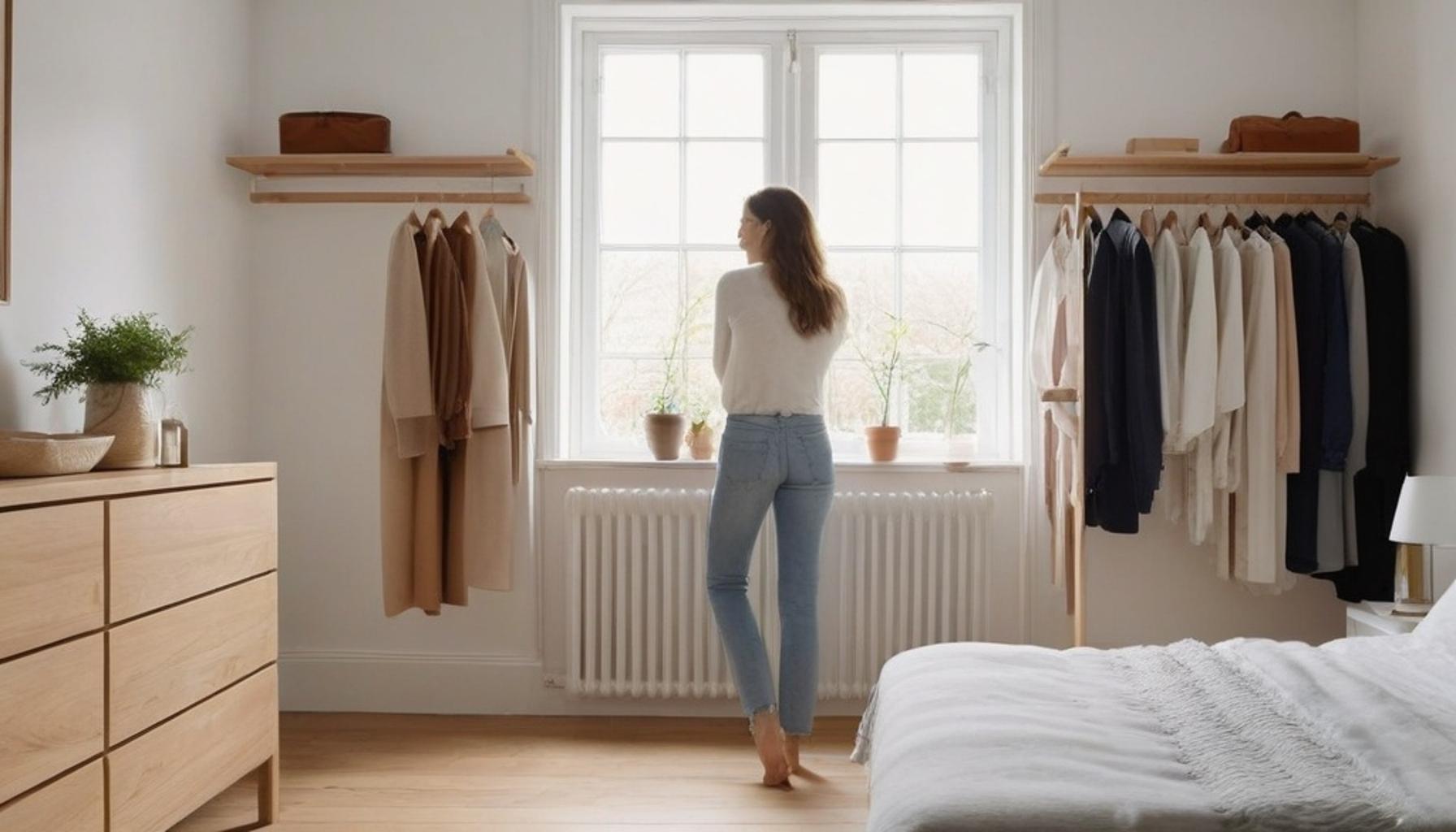
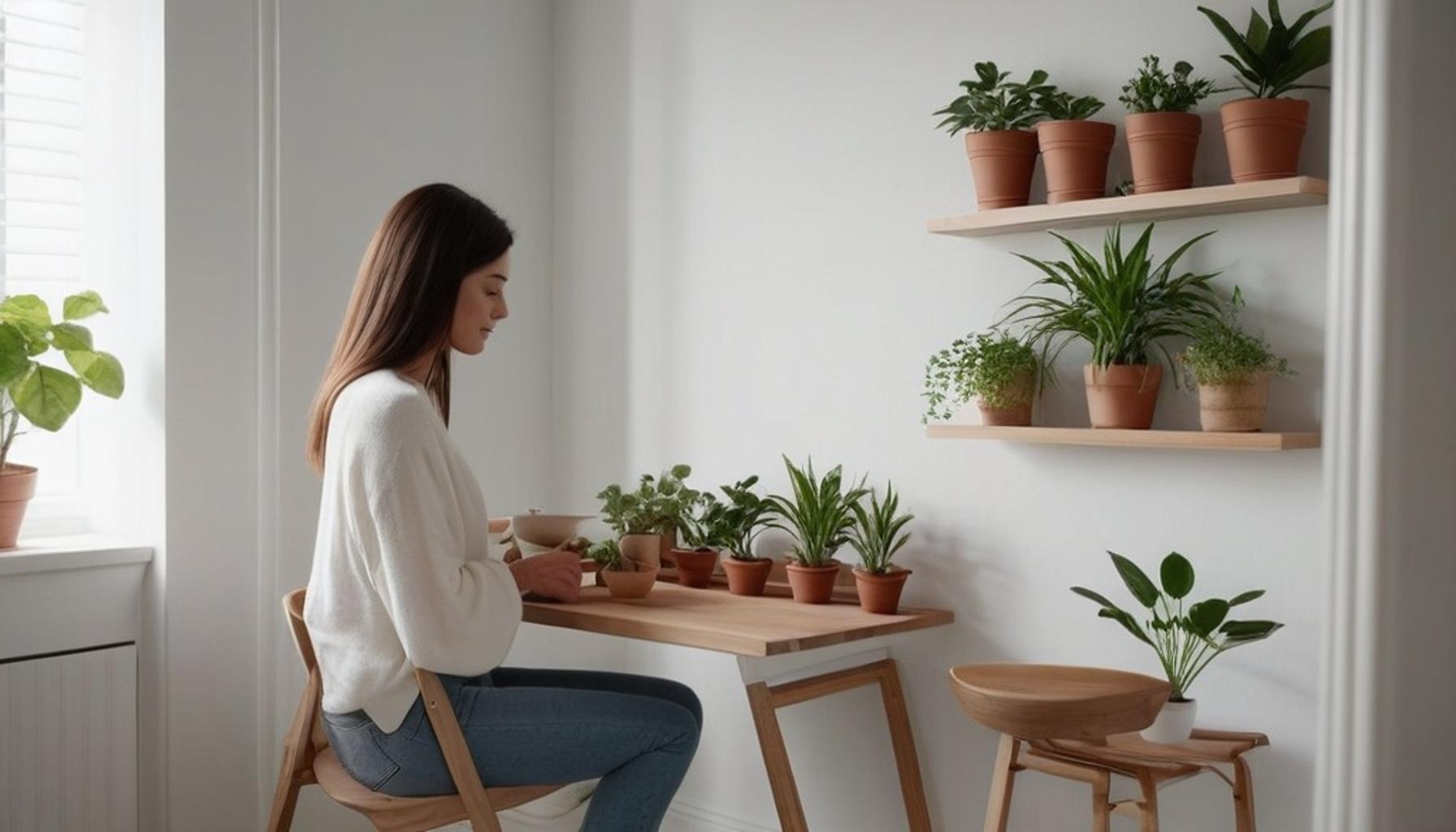
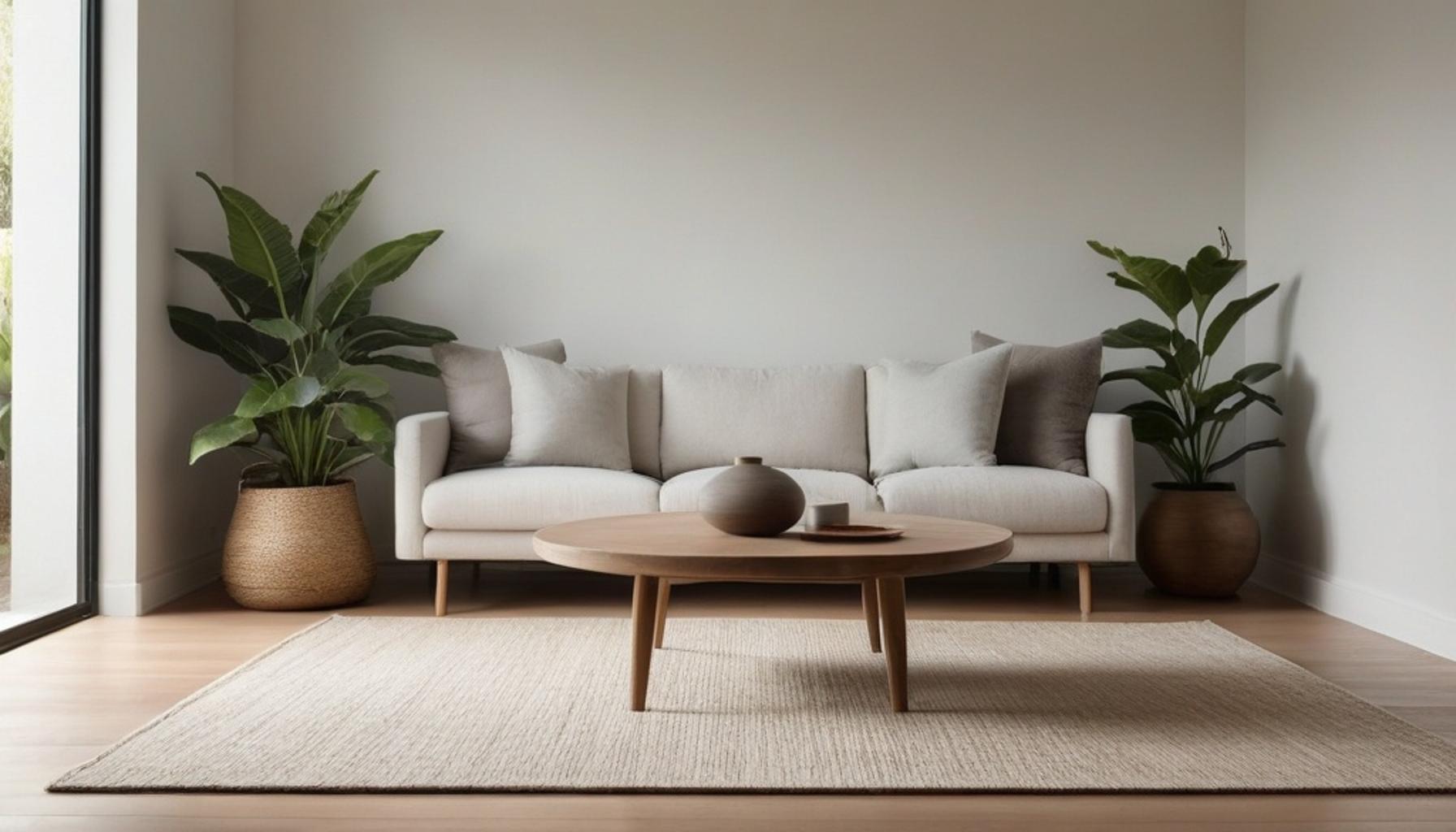
Functional Minimalism: Designing Multi-Purpose Furniture for Efficient Organization
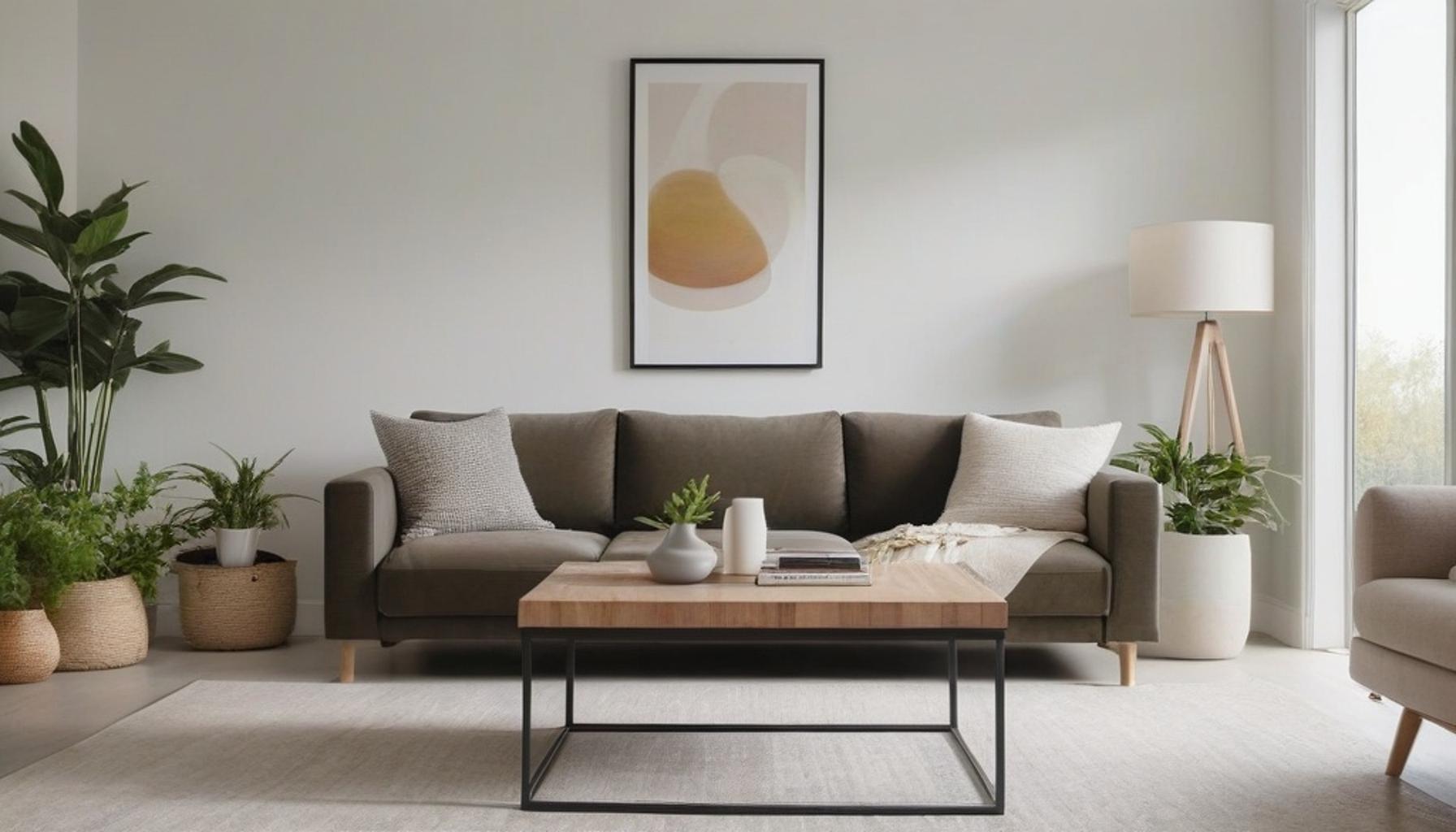
Small Spaces, Smarter Solutions
American homes are shrinking. According to recent housing data, the average new apartment size in the United States has dropped by nearly 10% over the past decade, pushing homeowners and renters alike to rethink how they use every square foot. The rise of urban living, rising costs, and shifts in lifestyle preferences have all contributed to this trend. As a result, many individuals and families find themselves navigating the challenges of smaller living spaces.
Enter Functional Minimalism, a design philosophy that merges clean aesthetics with practical necessity. It’s not simply about owning less; it’s about making everything you own work harder. This mindset encourages the integration of both beauty and utility, ensuring that every item in a home serves a purpose without adding unnecessary clutter.
Why Multi-Purpose Furniture Matters
Gone are the days when a coffee table only held coffee. Today’s multi-purpose furniture is engineered to solve multiple problems at once, saving money, space, and mental clutter. As small spaces become the norm, the need for innovative furniture solutions grows more critical.
Consider these popular examples reshaping modern living rooms and bedrooms across the country:
- Storage ottomans: These versatile pieces not only provide extra seating but also serve as hidden storage units for blankets, books, or miscellaneous items.
- Murphy beds: With built-in shelving, these foldable beds allow for a seamless transition between a bedroom and a workspace, making them ideal for studio apartments.
- Extendable dining tables: Perfect for hosting gatherings, these tables can fold flat against walls, maximizing space when not in use.
- Modular sofas: These sofas come with customizable sections, allowing homeowners to reconfigure their layout based on specific needs or space constraints.
The Rise of Efficient Organization
Beyond aesthetics, this movement is fundamentally about efficient organization. Every drawer, shelf, and hidden compartment is designed with intention, reducing visual noise and daily friction. The approach recognizes that our environments can significantly impact our well-being, pushing designers to create systems that enhance not only space but also mental clarity.
Interior designers report that clients increasingly request space-saving furniture solutions that hide clutter without sacrificing style. This cultural pivot towards simplicity encourages mindful consumption, where quality is prioritized over quantity. As a result, we see an emergence of brands that specialize in bespoke storage solutions tailored for small spaces.
What This Article Covers
This piece explores practical minimalist design ideas for transforming cramped apartments and busy family homes alike. You’ll discover specific furniture types, layout strategies, and functional home decor tips that maximize utility without compromising visual appeal. By embracing these concepts, you can navigate the intricacies of small space living with grace and efficiency, allowing your home to reflect both your style and your needs.
LEARN MORE: Maximizing Small Spaces: Creative Solutions for Minimalist Living
Understanding Functionality in Design
What separates a truly functional item from a gimmick? According to furniture designers embracing Functional Minimalism, the answer lies in intentional engineering. A well-designed piece doesn’t just multitask; it anticipates the way people actually live, move, and store their belongings throughout the day. It seamlessly integrates into daily routines, enhancing convenience while optimizing space and utility.
Industry analysts note that the global market for space-saving furniture solutions is projected to grow substantially over the next five years, driven largely by demand in dense urban centers like New York, San Francisco, and Chicago. As living spaces become tighter, the need for versatile furniture has never been more evident. This isn’t a passing trend confined to design blogs; it’s a measurable shift in consumer purchasing behavior, prompting manufacturers to innovate continually.
Key Principles Behind Smart Furniture Design
Before a single sketch is drawn, designers working within this philosophy typically follow a set of guiding principles. These standards ensure that form never overrides function, and vice versa, resulting in pieces that enhance living spaces rather than clutter them.
- Vertical thinking: Instead of expanding outward, smart furniture expands upward. This concept leads to the use of wall-mounted shelves and stackable units, freeing up valuable floor space and providing storage solutions that utilize often-neglected vertical areas.
- Convertibility: Pieces that shift between two or more uses, such as a desk that folds into a cabinet or a sofa that transforms into a bed, reduce the total number of items needed in a room. For example, a modular sofa can serve as seating during the day and convert to a guest bed at night, making it ideal for smaller homes.
- Concealed storage: Hidden compartments within beds, benches, and stairs turn overlooked spaces into practical storage without disrupting the room’s visual flow. Consider ottomans that double as storage bins or beds with drawers underneath to maximize space efficiency.
- Durability over disposability: Because these pieces serve multiple roles, they’re often built with sturdier materials designed to withstand daily reconfiguration. This becomes crucial; a flimsy folding table that wobbles after a month of use defeats the purpose of investing in multi-purpose furniture. Quality construction does tend to come with a higher price tag upfront but pays off through longevity and reduced replacement costs over time.
This brings to light a critical issue faced by consumers. With an abundance of choices, buyers often forget to consider the long-term implications of their selections. Quality matters, especially in furniture designed for multiple uses, as it relates directly to the sustainability of the furniture piece over time.
Real Numbers, Real Impact
Data from home organization studies suggest that the average American household contains approximately 300,000 individual items, many of which sit unused for months at a time. This statistic underscores the urgency for efficient organization, especially for those living in urban environments characterized by limited space. Addressing this clutter can result in more manageable living conditions, ultimately affecting not only aesthetics but emotional well-being.
When furniture is designed to absorb clutter rather than display it, the psychological effect can be significant. Occupational therapists and interior designers alike point to a reduction in visual chaos as a contributor to lower stress levels. A serene environment can lead to improved concentration and decreased anxiety, which many urban dwellers find essential as they navigate the demands of city life.
These principles set the stage for exploring specific rooms where minimalist design ideas and functional home decor choices can make the most noticeable difference. Starting with spaces that tend to accumulate clutter, such as living rooms and bedrooms, can help individuals reclaim their homes and peace of mind, inviting them to experience the true benefits of thoughtful design.
| Category | Key Features |
|---|---|
| Multi-Purpose Furniture | Transformable designs that adapt to different functions. |
| Efficient Organization | Reduces clutter while maximizing space and functionality. |
| Minimized Clutter | Encourages an organized atmosphere, promoting mental well-being. |
| Mindful Design | Focuses on essential pieces that contribute to a cohesive aesthetic. |
CHECK OUT: Transforming Cluttered Areas: Innovative Techniques for a Minimalist Home
Room-by-Room Applications of Functional Minimalism
Walk into any apartment across Brooklyn, Austin, or Los Angeles today, and there’s a good chance you’ll spot at least one piece of furniture doing double duty. This isn’t coincidence; it’s a calculated response to shrinking square footage and rising rent. According to recent housing data, the average new apartment in major American cities has decreased in size by nearly 8 percent over the past decade, forcing residents to rethink how every inch gets used.
Living Rooms: The Multi-Tasking Hub
The living room often bears the brunt of clutter, serving as a catch-all for mail, electronics, and miscellaneous items. Functional Minimalism tackles this head-on with coffee tables that lift to become workstations or nesting tables that tuck away when guests leave. Storage ottomans, once considered a novelty, now represent a significant portion of furniture sales in this category.
Consider the rise of media consoles with built-in cable management and hidden compartments. These pieces eliminate the tangled mess behind television stands while providing a sleek surface for display. Some designs even incorporate charging stations, addressing the modern household’s dependence on multiple devices.
Bedrooms: Maximizing Rest and Storage
Bedrooms present a unique challenge, as they must balance comfort with practicality. Platform beds featuring built-in drawers have become a staple among space-saving furniture solutions, offering storage for linens, seasonal clothing, or rarely used items without requiring a separate dresser.
Murphy beds, once associated with cramped studio apartments, have undergone a design renaissance. Modern versions integrate bookshelves, desks, or even wardrobes into the folding mechanism. This allows a single room to function as a bedroom by night and a home office or reading nook by day, a particularly valuable feature given that remote work arrangements remain common across many industries.
Kitchens and Entryways: Small Spaces, Smart Solutions
Kitchens, often the smallest room in urban apartments, benefit tremendously from minimalist design ideas. Rolling islands that expand countertop space and fold away when not needed have gained popularity among renters who lack built-in storage.
Entryways, frequently overlooked, also present opportunities for efficient organization. Benches with shoe storage underneath, paired with wall-mounted hooks and shelves, create a functional drop zone without consuming precious square footage.
- Nesting furniture: Tables and stools that stack together reduce visual clutter while remaining accessible for extra seating.
- Wall beds with integrated storage: These combine sleeping and organizational needs into a single footprint.
- Modular shelving units: Reconfigurable systems adapt to changing needs, whether displaying books or storing bins.
Each of these applications demonstrates how functional home decor extends beyond aesthetics, addressing real logistical challenges faced by American households navigating smaller living spaces.
SEE ALSO: Functional Furniture: Designing Minimalist Spaces that Work for You
Rethinking How We Live, One Room at a Time
The evidence is clear: Functional Minimalism is no longer a niche design preference but a practical response to the realities of modern American housing. From Murphy beds that transform into home offices to ottomans that swallow up clutter, multi-purpose furniture has become the backbone of how people manage life in smaller footprints.
What began as a workaround for studio apartments in cities like New York or San Francisco has evolved into a broader movement influencing suburban homes, too. Even households with ample square footage are embracing space-saving furniture solutions, recognizing that efficient organization improves daily life regardless of a home’s size.
Looking Ahead: What Comes Next
Manufacturers are already responding to this shift. Expect to see more furniture incorporating smart technology, from app-controlled storage compartments to modular pieces designed for quick reconfiguration. As remote work and hybrid schedules remain part of the national conversation, demand for adaptable furniture will likely continue climbing.
Industry analysts project continued growth in this sector, with convertible and multi-functional furniture sales expected to outpace traditional single-purpose items over the next several years.
Ultimately, minimalist design ideas succeed because they respect both budget and behavior. They acknowledge that space is finite, but needs are not, and they offer solutions that adapt rather than restrict.
- Practical investment: Multi-purpose pieces often justify higher upfront costs through long-term versatility.
- Lifestyle alignment: Furniture choices increasingly reflect how people actually live, not just how rooms are traditionally defined.
- Sustainable habits: Fewer, smarter purchases reduce consumption and waste over time.
For anyone navigating a smaller apartment or simply seeking a more organized home, exploring functional home decor is a worthwhile place to start. The right pieces don’t just save space, they reshape how a home functions altogether.
Frequently Asked Questions
What are some examples of multi-purpose furniture designed with functional minimalism in mind?
Examples of multi-purpose furniture include sofas that convert into beds, coffee tables with storage underneath, and dining tables that can be extended or collapsed. These pieces not only serve multiple functions but also maintain a clean, minimalist aesthetic that enhances any space.
How can functional minimalism improve organization in small living spaces?
Functional minimalism optimizes small living spaces by reducing clutter and maximizing utility. By choosing furniture that serves multiple purposes, such as a storage ottoman or a fold-out desk, you create an organized environment that feels more spacious and efficient.
What materials are best suited for furniture designed with functional minimalism?
Furniture designed with functional minimalism often utilizes materials like wood, metal, and high-quality composites that are durable yet lightweight. These materials help create sleek designs that are easy to maintain and fit seamlessly into various interior styles.
How can I incorporate functional minimalism into my existing decor without starting from scratch?
You can incorporate functional minimalism by gradually replacing bulky, single-use furniture with sleek, multi-functional alternatives. Consider adding versatile pieces like a bookshelf that doubles as a room divider or decorative storage bins to maintain organization without sacrificing style.

Linda Carter
Linda Carter is a writer specializing in minimalism and personal organization. With extensive experience helping readers create more functional and balanced routines, she shares practical advice on decluttering, organizing spaces, simplifying daily tasks, and making more intentional choices. Her goal is to offer clear guidance and accessible strategies that help people reduce excess, improve their surroundings, and enjoy a calmer, more organized lifestyle.