Practical tips for reducing clutter in small spaces: How minimalism can transform your home
The Impact of Clutter on Our Lives
The average American home has swelled to over 2,200 square feet, yet self-storage facilities are booming across the country, proof that clutter keeps winning the space war. In urban centers like New York, Boston, and San Francisco, even the coziest of apartments highlight the challenges of maximizing every inch of space. In these cities, every square foot is vital, and the need for clever storage solutions is undeniable.
Reducing clutter in small spaces is more than just a quest for tidiness; it signifies a transformative lifestyle shift. Individuals and families living in cramped city apartments or modest starter homes are increasingly scrutinizing their belongings and their necessity. This self-evaluation leads many to adopt what could be characterized as a minimalist mindset, which prevails in the bustling hustle of urban living.
Why Minimalism Is Gaining Ground
Search interest in minimalism tips for home has surged in recent years for a multitude of reasons. A cluttered environment impacts far more than the visual appeal; it directly affects mental well-being and day-to-day functionality.
- Numerous studies indicate a connection between visual clutter and heightened cortisol levels, leading to increased stress.
- In disorganized homes, the time wasted searching for misplaced items can accumulate, detracting from productivity and leisure.
- Having too many possessions can inadvertently diminish a home’s perceived resale value, making it less appealing to potential buyers.
Such statistics resonate as tangible experiences for anyone decluttering a small apartment in a fast-paced urban environment or managing a compact suburban house. A 2021 survey by the National Association of Realtors revealed that homes with a clean, open layout and minimal decor sold for 10% more than their cluttered counterparts, underscoring the real estate implications of excess belongings.
What This Article Covers
This guide aims to provide readers with practical, actionable strategies for organizing small spaces without necessitating a complete overhaul. Rather than vague inspiration, you’ll find real solutions designed to fit into everyday life.
- Room-by-room decluttering techniques that allow for targeted organization.
- Innovative storage hacks tailored to maximize tight square footage.
- The fundamental principles behind a minimalist lifestyle and the lasting benefits it can confer.
Are you ready to reclaim your space and transform your living environment? The following small space organization ideas may very well redefine how you interact with your home, providing a newfound sense of freedom in a clutter-free haven.
DISCOVER MORE: Click here for tips on optimizing small living spaces
Walk into any studio apartment in Chicago or a modest ranch home in Dallas, and you’ll notice a distinct pattern: clutter rarely accumulates evenly. Instead, it tends to pool in specific zones—entryways, kitchen counters, and closets—before gradually spreading outward until the whole home feels cramped and disorganized. Reducing clutter in small spaces begins with the crucial step of identifying these pressure points rather than attempting a chaotic, all-at-once purge that often leads to frustration and burnout.
The Kitchen: Small Footprint, Big Impact
Kitchens in older American homes, particularly in cities like Philadelphia or Seattle, frequently feature limited cabinetry, making the management of kitchen-related items a pressing priority for small-space dwellers. Professional organizers recommend tackling this room first because the payoff is immediate and highly visible, often being the heart of the home.
- Remove duplicate tools: Most households only regularly use two or three knives despite owning a dozen. Assess your kitchen knives and other duplicate tools to streamline your collection to those that serve essential functions.
- Store items vertically: Utilize tension rods or pegboards inside cabinets to create vertical space for things like baking sheets and cutting boards. This not only opens up space but also makes these items more accessible when needed.
- Relocate rarely used appliances: Items like fondue pots, waffle makers, and bulky bread machines can often hog counter space. Consider relocating these rarely used appliances to off-site storage or donating them to free up room for essentials.
This focused approach embodies a broader principle in minimalism tips for home improvement: functionality should dictate what remains in your kitchen, rather than sentimentality or theoretical future use. The kitchen, after all, should invite culinary creativity, not hinder it with excess clutter.
Bedrooms and Closets: The Overlooked Culprits
Closets are notorious for silently absorbing clutter until they reach a state where doors barely close. When decluttering a small apartment, bedroom closets typically yield some of the most dramatic transformations because they’ve often gone unaudited for years. Rummaging through your closet can reveal treasures you thought were lost—just as easily as forgotten items that no longer serve you.
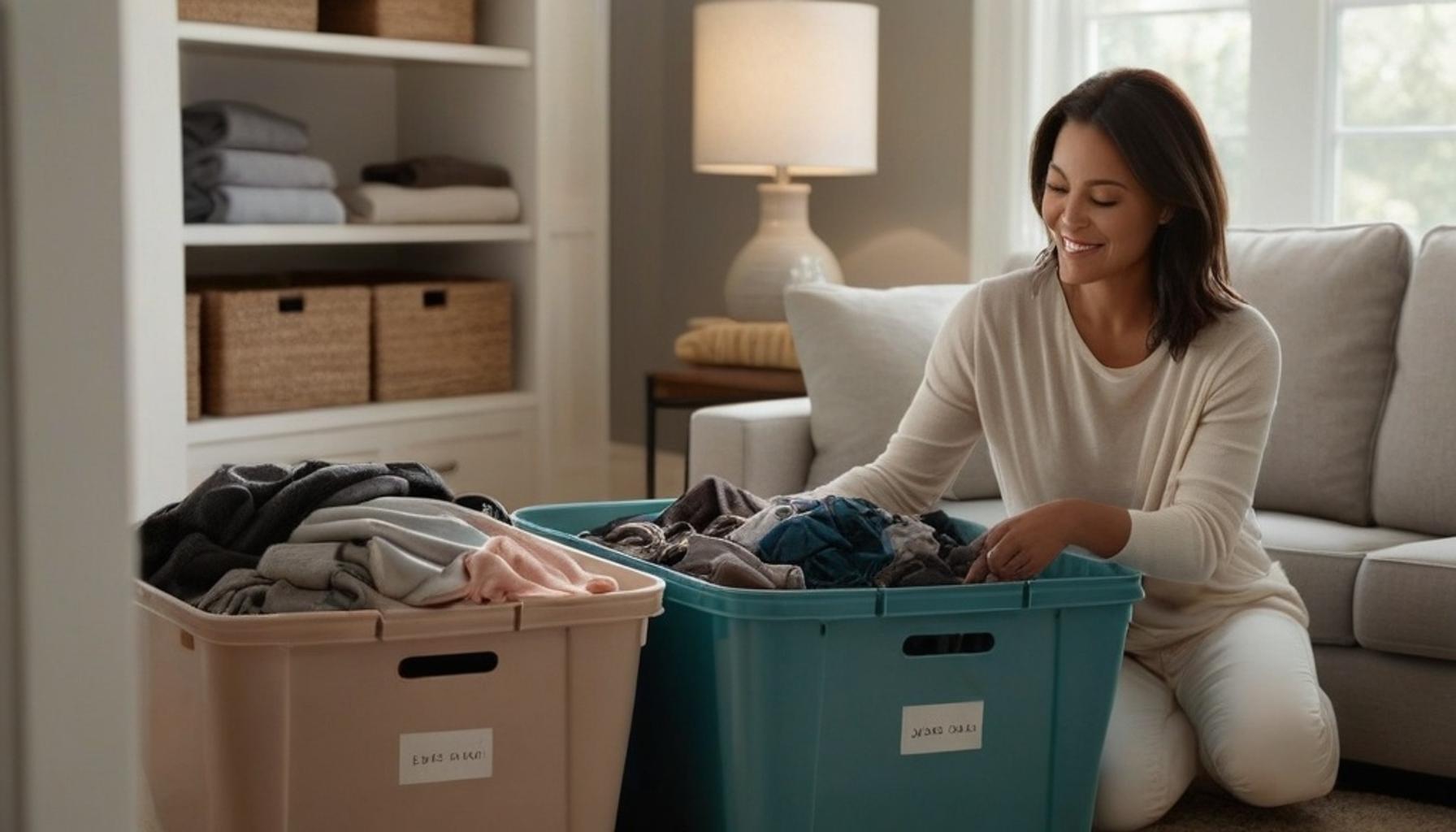
A practical method gaining traction nationwide is the “hanger flip” technique. At the start of each season, turn all your hangers backward on the rod. After wearing an item, flip its hanger forward. Within three months, unflipped hangers reveal clothing that hasn’t been touched, making those garments prime candidates for donation. This visual method turns your closet evaluation into a more tangible exercise in decision-making.
Data from a 2022 University of Arizona study found that the average American wears only 20% of their wardrobe regularly, meaning a staggering 80% remains untouched, taking up valuable space without offering proportional value. By reevaluating clothing with this statistic in mind, you can significantly free up closet real estate and make room for pieces you truly love and wear.
Entryways: First Impressions Matter
Front hallways and entry zones in row houses and apartments frequently become dumping grounds for shoes, mail, and bags, creating an immediate impression of chaos. This initial clutter can set a negative tone for the rest of the home. Addressing this with straightforward solutions is both essential and effective. For example, installing a small wall-mounted shelf or a shoe tray immediately curbs this tendency to toss items haphazardly, establishing a sense of order right as someone walks through the door.
Indeed, these targeted, room-specific interventions form the backbone of effective organizing small spaces techniques. They highlight the truth that meaningful change doesn’t always require an expensive or complete renovation; often, it simply demands the willingness to evaluate what truly belongs in each room of your home. By focusing on personalized strategies tailored to the unique challenges of small spaces, homeowners can create environments that are not only functional but also reflect their styles and values.
Ultimately, the path to reducing clutter in your home may be a journey of small, intentional steps. Yet, with each room tackled, a sense of peace and space grows, tidying more than just your living area—it can bring a greater sense of clarity and calm to your daily routines.
DISCOVER MORE: Click here to enhance your living space
Living Rooms, Storage Furniture, and the Habits That Keep Clutter Away
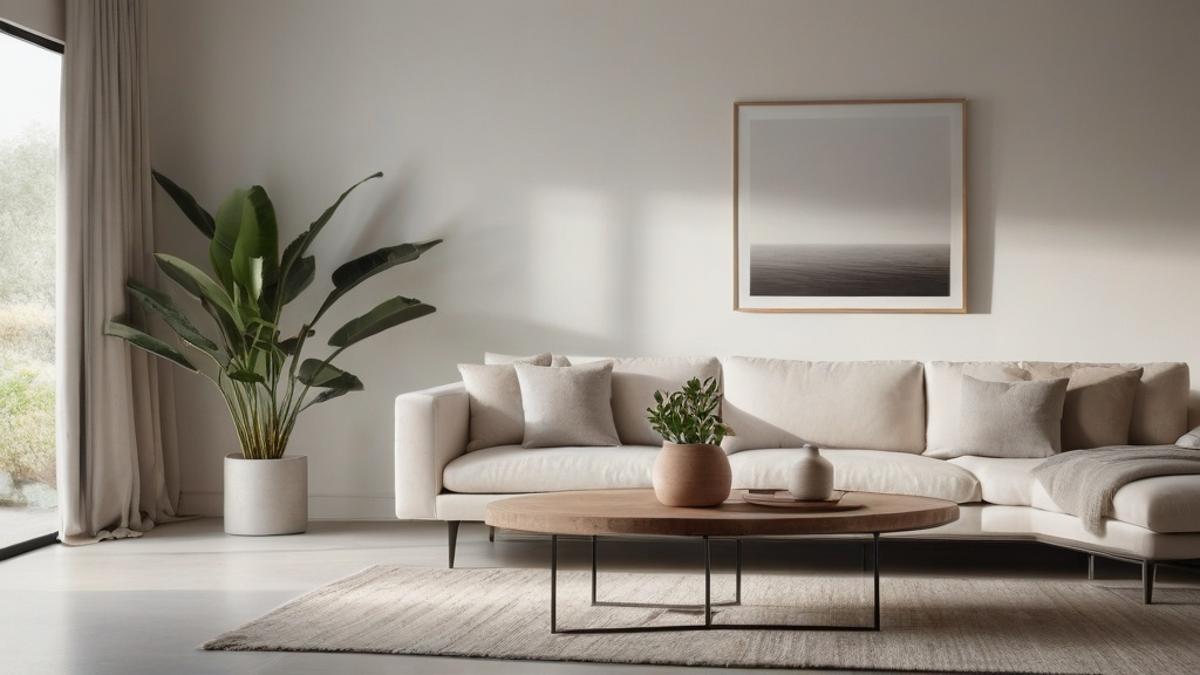
Once kitchens, closets, and entryways are under control, attention naturally shifts to the living room—the space where families gather, guests linger, and, unfortunately, clutter often finds its most visible stage. Reducing clutter in small spaces like a compact living room in a Brooklyn brownstone or a Denver bungalow requires rethinking furniture not just as decoration, but as functional storage.
Furniture That Works Overtime
Multipurpose furniture has become a cornerstone of small space organization ideas across the country. In urban settings where square footage is often at a premium, items like ottomans with hidden compartments, coffee tables with built-in drawers, and storage benches near windows not only maximize utility but also enhance the aesthetic appeal of the living room. These innovative solutions allow homeowners to hide blankets, remotes, and board games without sacrificing style and comfort.
- Beds with drawers: Platform beds with built-in storage can replace bulky dressers, freeing up valuable square footage in bedrooms. This is particularly advantageous in smaller homes, allowing for a more open and airy feel.
- Wall-mounted desks: Foldable or floating desks are ideal for remote workers who need a workspace without dedicating an entire room to it. These desks can be neatly tucked away when not in use, offering versatility and maintaining the living space’s overall flow.
- Nesting tables: These stack together when unused, offering flexibility for entertaining guests without permanently occupying floor space. Nesting tables can be pulled out during gatherings and seamlessly tucked away afterward, making them an essential addition to multifunctional living areas.
Notably, according to a 2023 survey by the National Association of Home Builders, nearly 45% of buyers under age 40 specifically prioritize built-in or multipurpose storage when shopping for furniture. This trend highlights that minimalism tips for home design are shaping real estate decisions nationwide, as prospective homeowners increasingly seek functionality and realistic livability in their future spaces.
Digital Clutter: The Invisible Culprit
While physical clutter is often the focal point of decluttering discussions, it is important to recognize that digital clutter also plays a significant role in creating a chaotic home environment. Overflowing inboxes, disorganized photo libraries, and endless browser tabs can weigh heavily on the mind, contributing to a sense of overwhelm similar to that brought on by physical messes. Many professional organizers now recommend pairing physical decluttering sessions with digital ones, suggesting tactics such as unsubscribing from unused email lists, organizing files into specific folders, or deleting duplicate photos. By addressing both realms, homeowners can enjoy a more holistic sense of order.
This dual approach reflects a broader shift in how Americans think about the minimalist lifestyle benefits. It is no longer just about clearing shelves and creating a tidy atmosphere, but actively creating mental breathing room in every aspect of daily life, digital or otherwise. This integrated mindset encourages individuals to cultivate a serene and manageable lifestyle.
The Power of the 15-Minute Reset
Maintenance is often overlooked in conversations about decluttering a small apartment, yet it’s arguably the most important step in sustaining an organized space. Setting aside just 15 minutes each evening to return items to their designated spots can effectively prevent small messes from snowballing into overwhelming projects. This micro-habit positions organization as a sustained practice woven into daily life rather than an arduous task.
Organizational consultants in cities like Austin and Boston increasingly recommend this simple yet effective strategy as a sustainable alternative to sporadic, exhaustive cleaning marathons. The beauty of the 15-minute reset lies in its accessibility; it is manageable even for the busiest schedules. Over time, this practice not only transforms a home’s appearance but significantly improves the way its occupants experience rest, work, and everything in between, fostering a genuinely balanced lifestyle.
In essence, by rethinking storage solutions and adopting effective routines, individuals can cultivate a living room—and home—that resonates with calm, functionality, and style. Such adjustments not only alleviate clutter but also enhance the overall living experience.
Small Changes, Lasting Impact: The Bigger Picture on Clutter-Free Living
From kitchens to closets, and from living rooms to inboxes, the journey toward reducing clutter in small spaces reveals a truth that extends far beyond tidiness: how a home is organized directly shapes how it feels to live in it. Across cities like Portland, Chicago, and Miami, homeowners are discovering that organizing small spaces is less about drastic overhauls and more about intentional, sustainable choices.
The strategies explored throughout this piece, multipurpose furniture, digital decluttering, and daily micro-habits like the 15-minute reset, point to a larger cultural shift. Americans are no longer chasing bigger square footage as the default solution. Instead, they are asking how existing spaces can work smarter.
This shift underscores the real minimalist lifestyle benefits: reduced stress, more usable space, and homes that adapt to real life rather than dictate it. A well-placed storage bench or a nightly reset ritual may seem small, but collectively, these choices compound into meaningful change.
For anyone beginning the process of decluttering a small apartment, the takeaway is clear. Progress does not require perfection or a single dramatic purge. It requires consistency, thoughtful furniture choices, and a willingness to treat both physical and digital spaces with equal care.
As more small space organization ideas continue to emerge from designers, builders, and everyday households alike, one thing remains constant. A decluttered home is not simply about aesthetics; it is about creating room, literally and mentally, for the life someone actually wants to live.
Ultimately, minimalism tips for home design are proving to be less of a trend and more of a long-term strategy for modern living. The homes that thrive in limited square footage are the ones built on intention, not accumulation, offering a compelling case for rethinking what truly belongs within four walls.
Frequently Asked Questions
What are some quick tips for reducing clutter in a small bedroom?
To quickly reduce clutter in a small bedroom, start by decluttering surfaces like nightstands and dressers. Use under-bed storage for off-season clothing and invest in multi-functional furniture, such as a bed with drawers or a storage ottoman, to maximize your space.
How can I effectively use vertical space to reduce clutter in my small kitchen?
Utilizing vertical space can significantly reduce clutter in a small kitchen. Install shelves or wall-mounted racks to store pots, pans, and utensils, freeing up counter space. Hanging storage solutions for lids and spices can also help keep everything organized and within reach.
What minimalist principles should I apply to my living room for clutter reduction?
In your living room, apply minimalist principles by focusing on functionality and aesthetics. Choose a few key decorative items that reflect your style and regularly rotate them to keep the space fresh, while eliminating excess furniture that may interrupt the flow of the room.
How can I encourage my family to participate in reducing clutter in shared spaces?
To encourage your family to participate in reducing clutter in shared spaces, create a designated decluttering day and involve everyone in the process. Use engaging methods like challenges or rewards for successful organization, and clearly communicate the benefits of a minimalist lifestyle to motivate them further.
What storage solutions are best for reducing clutter in a small bathroom?
For a small bathroom, consider using over-the-toilet shelving, wall-mounted cabinets, or under-sink organizers to maximize storage. Opt for clear containers to hold smaller items like cosmetics and toiletries, making it easier to see what you have while reducing visual clutter.
Can minimalism really transform the way I feel about my small living space?
Yes, adopting minimalism can greatly transform your feelings about a small living space. By reducing clutter, you can create a more serene and open environment, which may lead to less stress and more enjoyment of your home as you appreciate the simplicity and functionality of each item you own.

Linda Carter
Linda Carter is a writer specializing in minimalism and personal organization. With extensive experience helping readers create more functional and balanced routines, she shares practical advice on decluttering, organizing spaces, simplifying daily tasks, and making more intentional choices. Her goal is to offer clear guidance and accessible strategies that help people reduce excess, improve their surroundings, and enjoy a calmer, more organized lifestyle.