Efficient Space Planning: How to Organize Your Minimalist Environment to Maximize Productivity
Why Your Environment Shapes Your Output
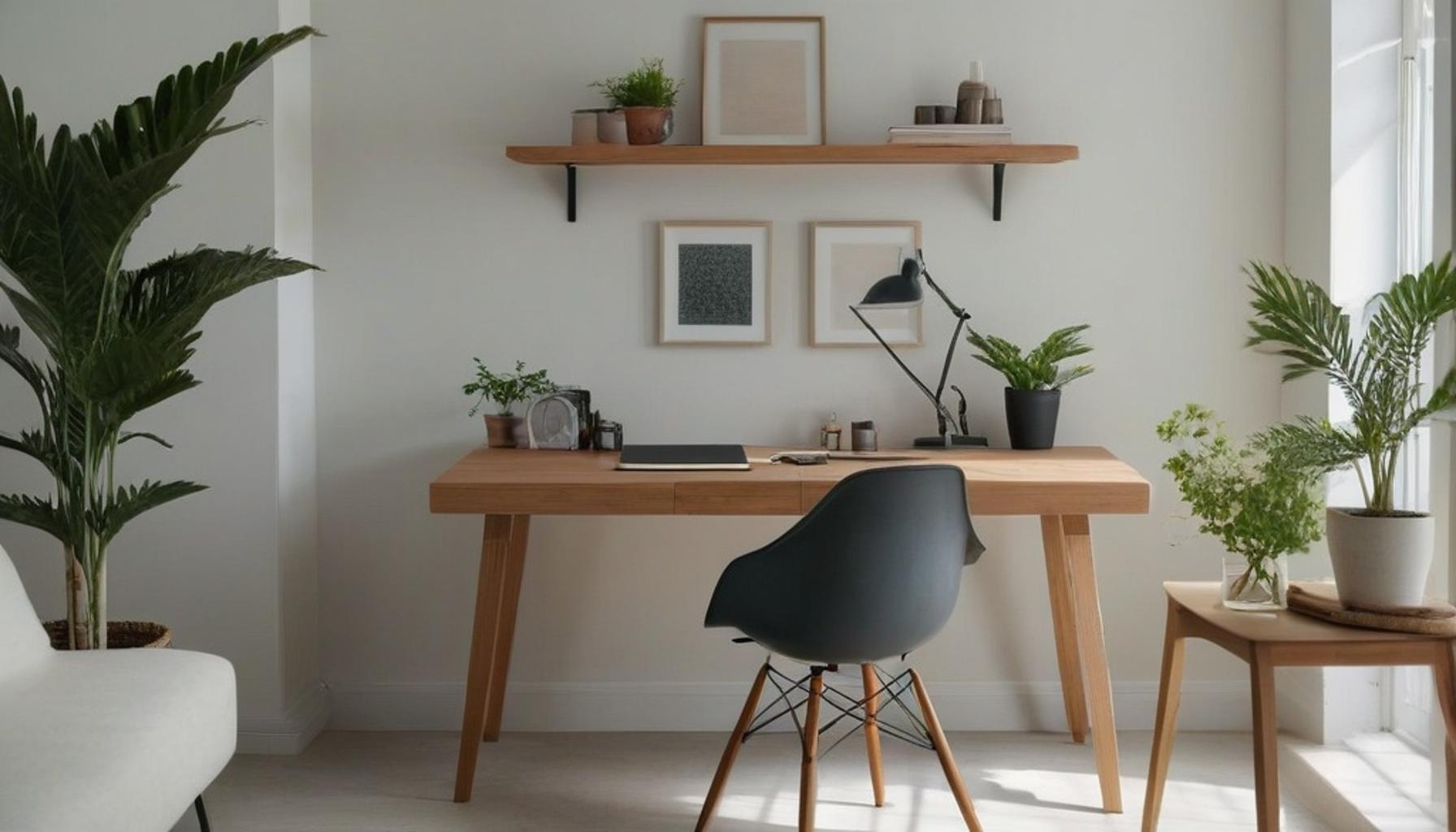
The average American spends over 90,000 hours at their desk over a lifetime, yet most workspaces are cluttered, chaotic, and quietly draining focus. Studies reveal that our surroundings significantly impact our productivity and well-being. For instance, a 2014 study published in the journal Psychological Science found that individuals in messy environments tend to have higher levels of anxiety and decreased ability to concentrate on tasks. Efficient space planning is not merely an aesthetic consideration; it is a vital productivity strategy rooted in cognitive science.
Every misplaced item and overflowing shelf competes for your brain’s limited attention resources. When your workspace is cluttered, you are constantly bombarded by distractions. In contrast, a minimalist environment helps to strip away that noise, allowing you to focus more effectively on your work while also enhancing creativity. For example, renowned tech companies like Google and Apple emphasize open, uncluttered spaces to foster innovation among their teams.
What This Article Covers
Creating a minimalist workspace requires more than just removing furniture. It demands intentional decisions about flow, function, and focus that cater to your personal needs and tasks. This guide will cover:
- Core principles behind minimalist environment organization, including the concept of ‘less is more’ and its application in daily work life.
- Practical space planning tips for minimalists that you can apply today, allowing you to create a more functional and efficient area in any space.
- How decluttering for productivity impacts mental clarity and emotional well-being, allowing you to think more clearly and work more efficiently.
- Step-by-step guidance for home office space planning that caters to your unique workflow while maintaining a personalized touch.
Environmental psychology studies suggest that cluttered spaces can elevate cortisol levels—an indication of stress—while organized environments encompass a sense of calm that supports sustained concentration. This evidence explains why many high performers prioritize minimalistic designs in their workspaces, allowing for better focus and efficiency.
Who This Guide Is For
This guide caters to anyone, whether you’re working from a spare bedroom, a converted closet, or simply a corner of your living room. These techniques are scalable and can adapt to different environments and individual needs. The overarching goal is clear: maximize productivity at home without sacrificing comfort or personality.
Are you ready to transform chaos into clarity? Let’s delve into the specifics of how to design a space that works as hard as you do, enhancing both your productivity and your overall enjoyment of your working environment.
SEE ALSO: The Benefits of Decluttering Your Schedule for Efficient Planning
The Science of Zoning: Mapping Your Space Before You Move a Single Object
Before you toss out a single knickknack or rearrange your desk, professional organizers and architects agree on one foundational rule: Efficient Space Planning begins with observation, not action. Walk through your workspace as if you were a stranger seeing it for the first time. Where does your eye land first? What items do you touch daily versus what simply gathers dust?
This diagnostic step is the backbone of minimalist environment organization. Interior designers often use a method called “zoning,” which divides a space into functional areas based on activity rather than category. A home office, for instance, might be broken into three zones: a primary work zone for active tasks, a reference zone for documents and materials, and a transition zone for entering and exiting the space without disruption.
Why Zoning Works Better Than Traditional Organization
Traditional organizing methods focus on categorizing objects—all pens together, all files together. Zoning, however, focuses on how you actually move and work. This distinction matters enormously for productivity. A 2019 workplace study by Steelcase found that employees in thoughtfully zoned environments reported 15% higher satisfaction and measurably fewer interruptions during focused tasks.
To apply zoning in your own space, consider these practical steps:
- Identify your primary task (writing, designing, calling clients) and position your most-used tools within arm’s reach.
- Separate reference materials—books, files, backup equipment—into a secondary zone that requires a few extra steps to access.
- Create a “landing zone” near the entrance of your space for bags, mail, or devices, preventing clutter from creeping into your primary work area.
- Reassess your zones every few months, since work habits and responsibilities evolve.
This approach forms the backbone of effective home office space planning, particularly for those working in small apartments or shared spaces where every square foot must serve a purpose.
The Hidden Cost of Visual Noise
Beyond physical clutter, there’s a subtler enemy: visual noise. Exposed cables, mismatched storage bins, and overflowing bookshelves create what cognitive scientists call “attention residue.” Even if you’re not actively using an item, your brain registers its presence, slightly taxing your mental bandwidth.
Reducing this noise is a critical component of decluttering for productivity. Simple interventions—like cable organizers, uniform storage containers, or closed cabinetry—can significantly reduce the visual chaos competing for your attention, creating a calmer, more focused atmosphere that supports deep work.
| Category | Description |
|---|---|
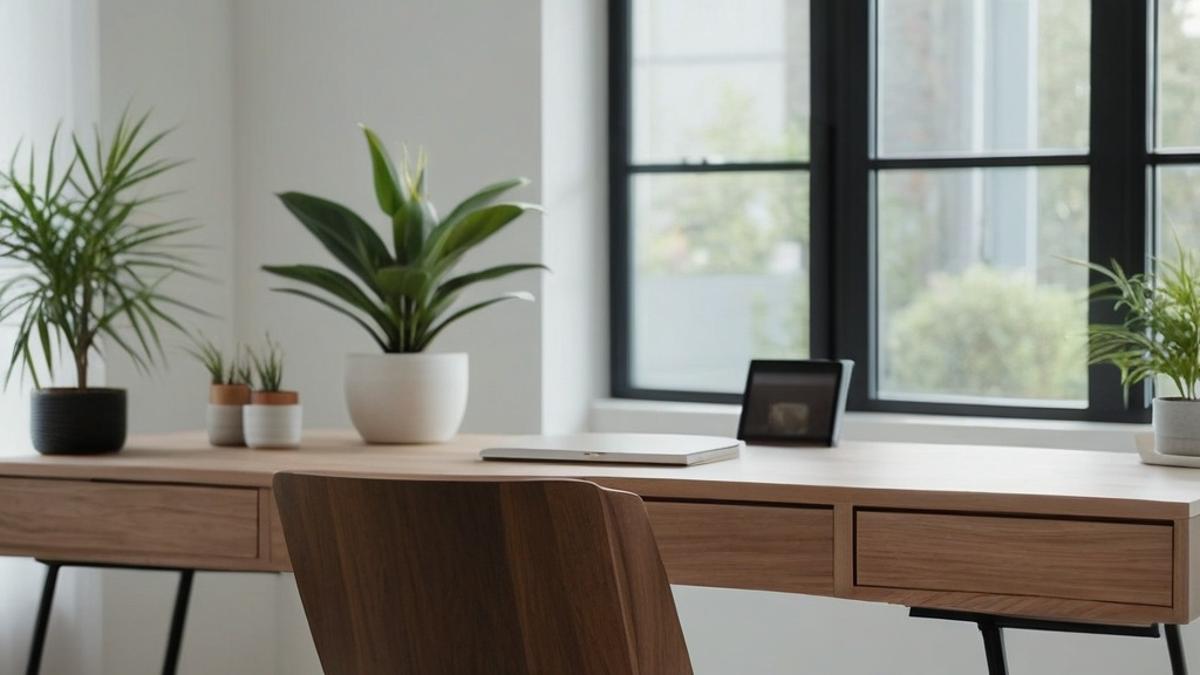
| Home Office Layout | Designing a workspace that encourages focus and minimizes distractions. |
| Minimalist Furniture | Using sleek, multifunctional furniture to save space and enhance utility. |
| Decluttering Techniques | Effective methods to remove unnecessary items and achieve a clean environment. |
| Storage Solutions | Innovative ways to organize belongings while maintaining a minimalist aesthetic. |
| Natural Lighting | Utilizing light to improve mood, focus, and productivity in a workspace. |
RECOMMENDED: Simplifying the Agenda: Efficient Planning Techniques for a Minimalist Lifestyle
Furniture Placement and Flow: The Underrated Drivers of Focus
Once your zones are mapped, the next layer of Efficient Space Planning involves something most people overlook entirely: the physical flow between those zones. Architects call this “circulation,” and it refers to the paths your body naturally takes while moving through a room. A cluttered path between your desk and your filing cabinet doesn’t just waste time—it disrupts cognitive momentum every single time you have to step around a box or shuffle past a chair.
Research from the Journal of Environmental Psychology suggests that repeated physical obstructions in a workspace correlate with increased self-reported stress and decreased task completion rates. In other words, that stack of unread magazines by your desk isn’t just an eyesore. It’s a productivity tax you pay every time you walk past it.
Choosing Furniture That Serves Double Duty
A key principle in space planning tips for minimalists is selecting furniture that performs more than one function. Americans living in studio apartments or converted spare rooms have increasingly turned to multipurpose pieces as square footage shrinks in major cities like New York, Chicago, and San Francisco.
- A desk with built-in drawers eliminates the need for a separate filing cart.
- Wall-mounted folding tables free up floor space when not in use.
- Ottomans with hidden storage double as seating and a place to stash cables or documents.
- Bookshelves that double as room dividers create zone separation without sacrificing openness.
This kind of intentional furniture selection is central to home office space planning, especially for remote workers who need their workspace to disappear into the background during off-hours.
The Psychology of Open Sightlines
Beyond furniture, consider what you see when you glance up from your work. Environmental psychologists note that unobstructed sightlines toward a window, a plant, or even a blank wall give the brain a moment of visual rest, which supports sustained attention over long stretches of focused work.
This is why many experts recommend positioning your primary desk to face outward rather than toward a wall crowded with shelves. Small adjustments like this exemplify how to create a minimalist workspace that feels spacious even in a limited footprint.
Ultimately, learning to maximize productivity at home isn’t about owning less for its own sake. It’s about understanding how movement, sightlines, and furniture choices quietly shape your ability to concentrate, day after day.
LEARN MORE: Minimalist Planning Techniques to Maximize Space and Resources in Personal Projects
Bringing It All Together: Space as a Silent Partner in Productivity
Across zoning strategies, furniture choices, and sightlines, one theme keeps surfacing: Efficient Space Planning is not a one-time weekend project. It is an ongoing conversation between you and your environment, adjusted as your work habits, routines, and priorities shift.
The data backs this up. Studies on workplace design consistently link organized, low-clutter environments to measurable gains in focus and reduced cognitive fatigue. That’s not a coincidence—it’s a pattern worth paying attention to if you’re serious about working smarter, not just harder.
What makes this approach to minimalist environment organization so compelling is its accessibility. You don’t need a full renovation or a five-figure furniture budget. Small, deliberate changes—clearing a walking path, angling a desk toward natural light, choosing one multipurpose piece over two single-use items—accumulate into a workspace that supports rather than sabotages your attention.
For anyone still relying on generic advice, it’s worth revisiting the fundamentals covered here:
- Define zones based on actual tasks, not assumptions.
- Keep circulation paths clear to protect cognitive momentum.
- Invest in furniture that adapts to more than one function.
- Prioritize sightlines that give your brain moments of visual rest.
If there’s a broader takeaway, it’s this: decluttering for productivity isn’t about chasing an aesthetic. It’s about designing a space that quietly does some of the mental work for you. Whether you’re tackling home office space planning in a converted closet or rethinking an entire apartment layout, the goal remains the same—build an environment that gets out of your way so your best work can take center stage.
Frequently Asked Questions
How can I assess the efficiency of my current space for productivity?
To assess your current space for productivity, start by identifying the areas where you spend the most time. Look for distractions, clutter, and inefficiencies in layout or accessibility. Consider conducting a survey of your daily activities to pinpoint which spaces support your work and which hinder it. This can help you prioritize areas for improvement.
What are the key principles of efficient space planning for a minimalist workspace?
The key principles of efficient space planning for a minimalist workspace include simplicity, functionality, and organization. Focus on keeping only essential items in your environment, ensuring everything has a designated place, and maximizing natural light. Additionally, use multi-functional furniture to enhance utility and maintain a clean, open atmosphere.
How can I use color psychology in efficient space planning to boost my productivity?
Color psychology plays a significant role in space planning as colors can influence mood and productivity. For instance, blue hues can promote a sense of calm and focus, while warm colors like yellow can stimulate creativity and energy. When planning your minimalist space, incorporate these colors thoughtfully to create an environment that enhances your work performance.
What storage solutions work best for maintaining a minimalist and productive environment?
Effective storage solutions for a minimalist environment include vertical shelving, under-desk storage, and compact organizers that maximize space without sacrificing accessibility. Consider using multifunctional furniture, like storage ottomans or desks with built-in drawers, to keep your space tidy. Regularly assess and declutter your items to ensure only essential tools are within reach.
How can I create dedicated zones within my minimalist environment for different tasks?
To create dedicated zones within your minimalist environment, designate specific areas for various tasks, such as a reading nook, a workspace, and a relaxation zone. Use furniture arrangement and separators, like rugs or plants, to visually define these zones. Ensuring each area is equipped with only the tools needed for its purpose will help maintain focus and productivity throughout your day.

Beatriz
Beatriz Johnson is a seasoned minimalist and writer with a passion for simplifying the complexities of personal organization and intentional living. With over a decade of experience in decluttering strategies and mindful consumption, she specializes in topics like space optimization, habit simplification, and sustainable lifestyle choices. Through her work on our website, Beatriz empowers readers to embrace minimalism, reduce mental and physical clutter, and create more meaningful, organized lives in today's fast-paced world.