Functional Furniture: Designing Minimalist Spaces that Work for You
American Homes Are Evolving
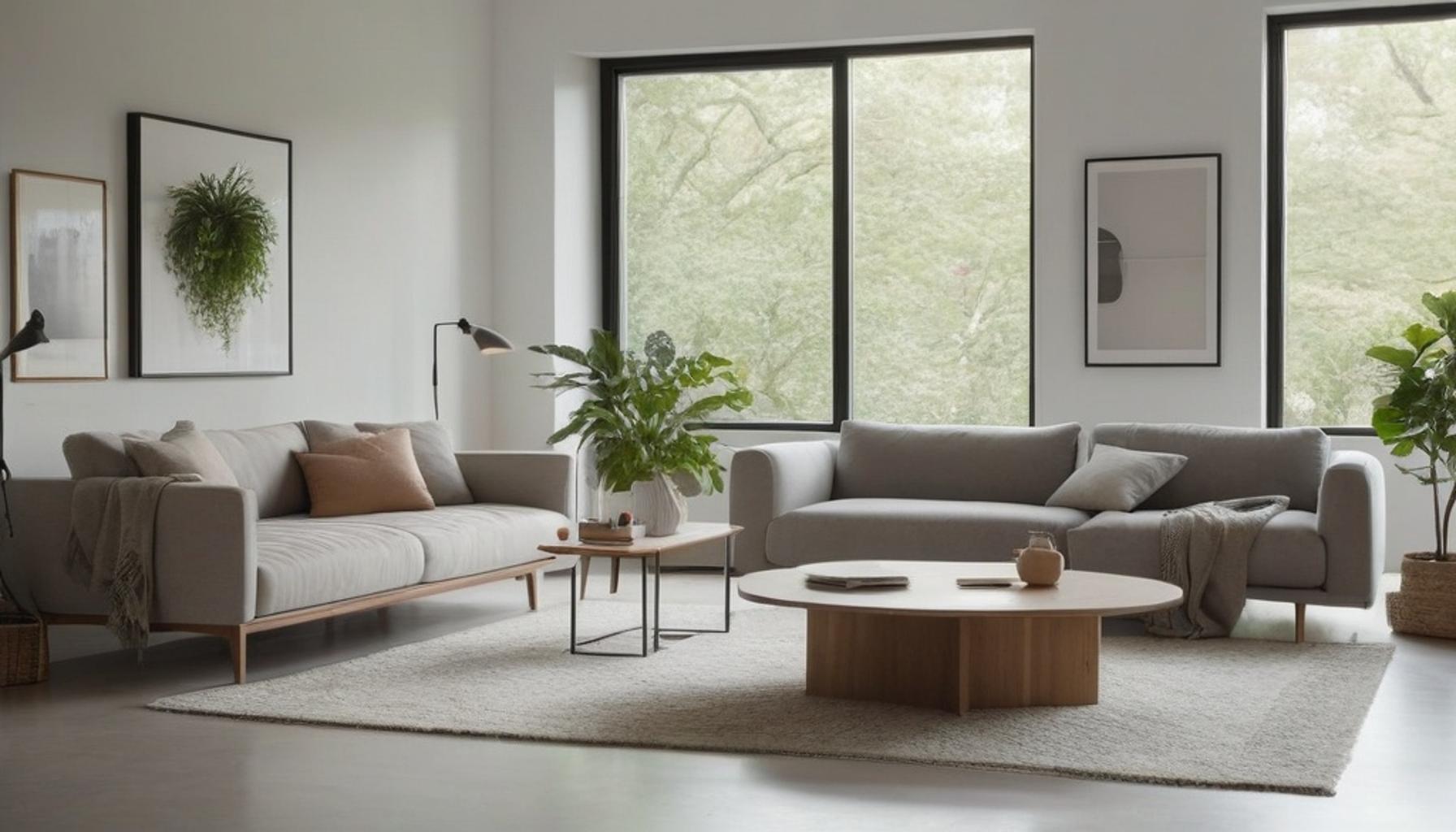
In recent years, a notable trend has emerged within American residential spaces: homes are becoming smaller. According to RentCafe, the average size of new apartments has seen a decrease of nearly 5% over the last decade. This reduction in living space is prompting homeowners and renters alike to rethink their approach to furnishing and organizing their environments.
Herein lies the emergence of functional furniture: a design philosophy that harmoniously combines form, utility, and efficiency into each item we choose for our homes. With limited square footage, each piece must serve multiple roles, blurring the lines between aesthetic appeal and practical application.
Minimalism Goes Mainstream
From the urban studios of Brooklyn to the quaint tiny homes scattered around Austin, minimalist furniture design has evolved from a trendy choice to a necessary alternative for many. This growing preference stems from a desire for spaces that promote calmness, minimal clutter, and utility.
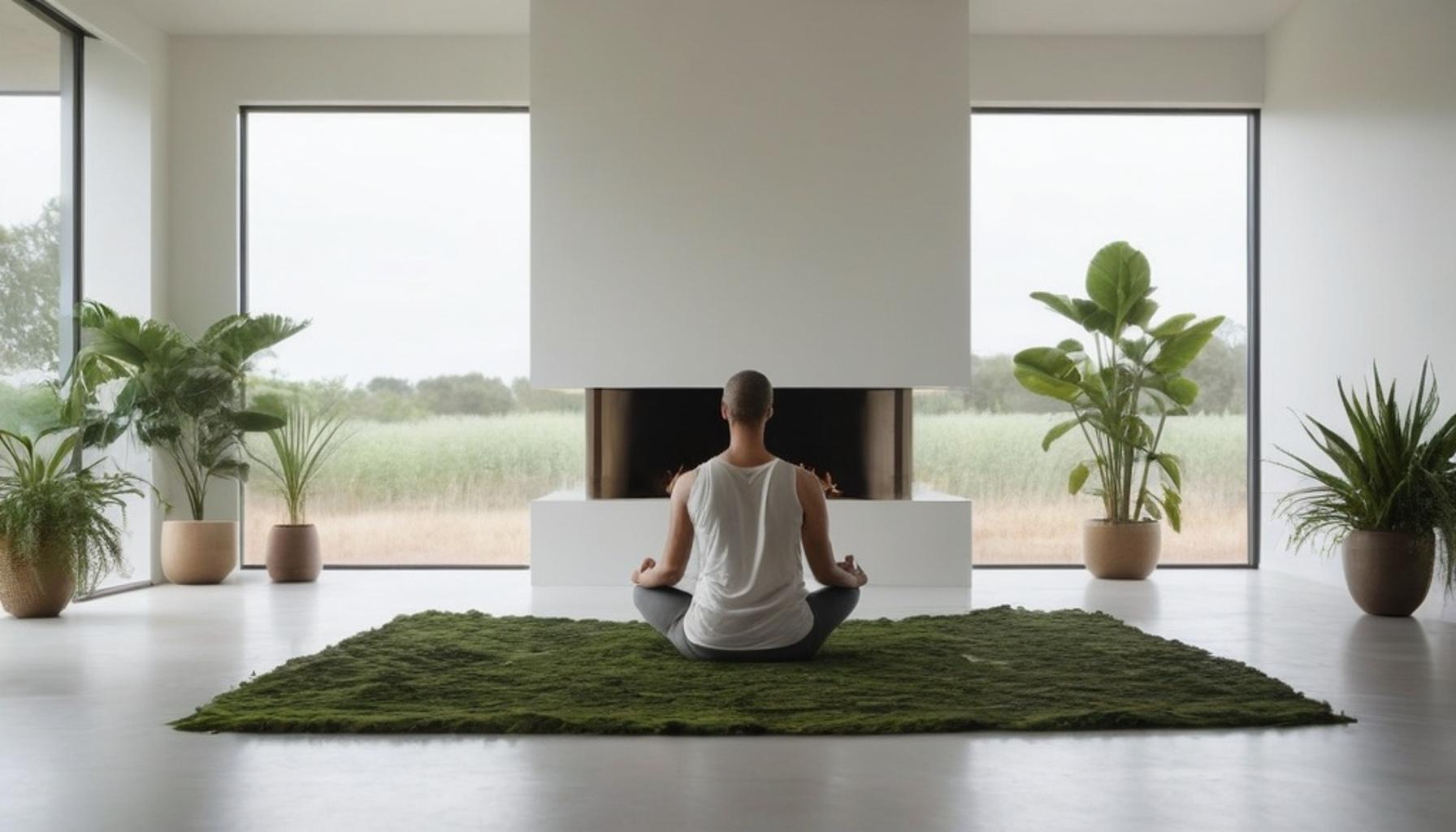
People increasingly want rooms that breathe, featuring surfaces that remain uncluttered and furniture that justifies its presence. This desire is evident in various functional designs:
- A versatile sofa that easily transforms into a guest bed, catering to both comfort and functionality.
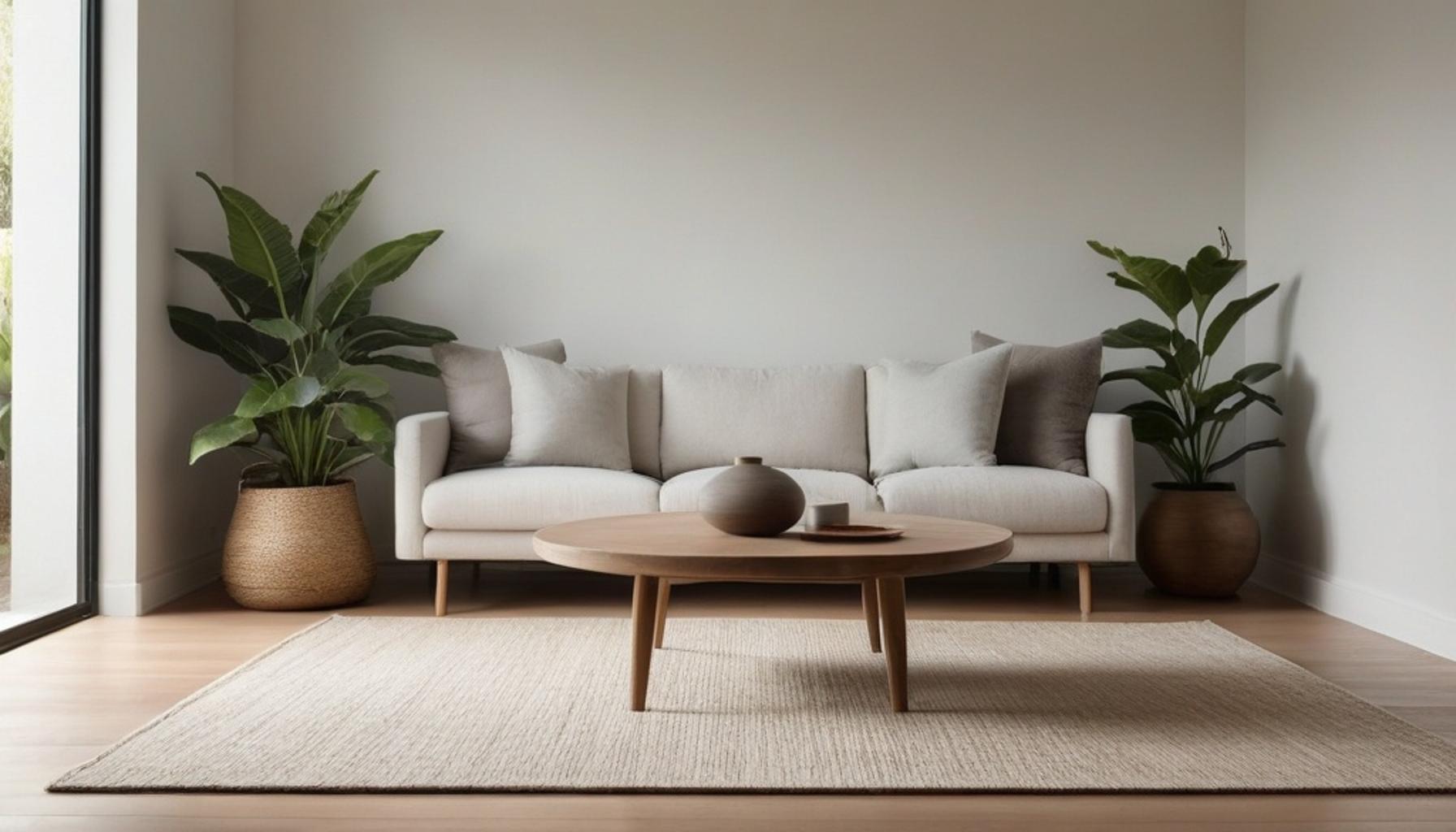
- A coffee table designed with hidden storage compartments, ideal for concealing books and accessories without sacrificing style.
- Wall-mounted desks that fold away neatly when not in use, creating an open, airy environment.
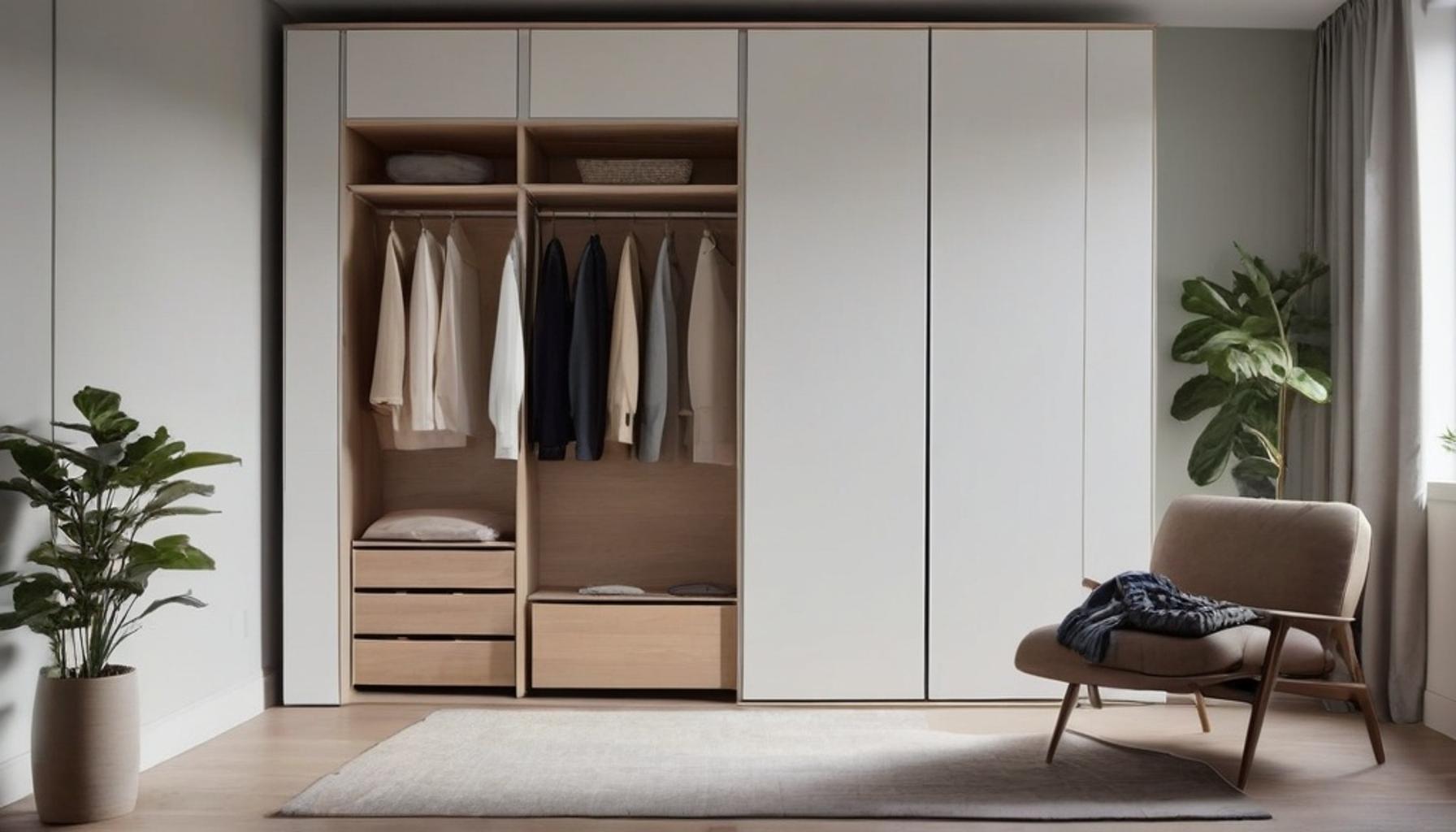
- Modular shelving units that can be adjusted to fit the dimensions of any room, maximizing vertical space.
New Approaches to Space Management
Space-saving furniture is fundamentally redefining the way we live in smaller homes. It’s not merely about shrinking our possessions; rather, it’s about revolutionizing how we interact with our living environments. Smart design allows a single furniture piece to fulfill two or three functions without compromising on style or comfort.
This transition towards modern minimalist decor reflects a broader cultural shift towards embracing simplicity and conscious living. As consumers seek to prioritize experiences over material possessions, the focus is now on creating an environment that supports both functionality and serenity.
Exploring Functional Home Furnishings
In this article, we’ll delve into how functional home furnishings can metamorphose cramped areas into efficient and stylish sanctuaries. We will explore practical strategies to maximize small spaces, highlight notable product examples, and discuss design principles that enable minimalism to enhance your lifestyle rather than impede it.
Join us on this journey to discover innovative solutions that elevate your living experience, even in the tiniest of spaces, demonstrating that you can indeed live large in a small footprint.
CHECK OUT: How to Optimize Small Living Spaces with Minimalist Design Principles
# The Multi-Purpose Furniture RevolutionWalk into any furniture showroom today, and you’ll notice something different. Sofas that unfold into workstations. Ottomans that swallow entire wardrobes. Beds that vanish into walls when the sun rises.This isn’t a passing fad. It’s a direct response to how Americans actually live now.
Why Multi-Functional Pieces Matter
According to a 2023 study by the National Association of Home Builders, nearly 30% of homebuyers now consider flexible living spaces a top priority, up from just 18% five years earlier. That shift tells a story: people aren’t just downsizing their square footage, they’re upgrading their expectations for what furniture should accomplish.Functional furniture answers a simple question: why own five pieces when two can do the job? A dining table that expands for guests but collapses to a compact console solves storage problems without sacrificing hospitality. A bed frame with built-in drawers eliminates the need for a separate dresser entirely.This is where space-saving furniture earns its keep, literally saving square footage that would otherwise go to waste on single-purpose items.
Real Examples Reshaping American Homes
Consider how this plays out in practice. Renters in cities like San Francisco and Chicago, where studio apartments often average under 500 square feet, are leading the charge with creative solutions:
- Murphy beds paired with fold-down desks, turning a bedroom into a home office by day.
- Nesting tables that stack together, appearing as one sculptural piece until separated for entertaining.
- Storage ottomans doubling as coffee tables, seating, and hidden closets for blankets or electronics.
- Bookshelves that function as room dividers, creating separate zones without permanent walls.
These aren’t gimmicks. They’re calculated responses to real constraints, and they represent the backbone of modern minimalist decor.
The Psychology Behind the Trend
There’s also a mental component driving this shift. Design psychologists suggest that cluttered environments increase cortisol levels, the hormone associated with stress. Fewer, smarter pieces mean less visual noise, which translates to calmer, more functional living.This explains why functional home furnishings aren’t just practical, they’re becoming essential tools for mental well-being in tight urban environments.As we’ll explore next, the key to successfully implementing these pieces lies in understanding your specific spatial needs before making a purchase. Not every multi-functional item works for every space, and knowing how to maximize small spaces requires more than just buying trendy furniture. It requires strategy.
SEE ALSO: Transforming Cluttered Areas: Innovative Techniques for a Minimalist Home
# Strategic Planning: Matching Furniture to Your Actual LifestyleBefore adding a single multi-purpose piece to your cart, there’s homework to do. The most common mistake homeowners make isn’t choosing bad furniture, it’s choosing the wrong furniture for their specific routine.
Assessing Your Space Before You Shop
Interior designers who specialize in minimalist furniture design often start with a simple exercise: tracking how a room gets used across a full week. A living room that hosts guests twice monthly has different needs than one used daily as a home gym.Ask these questions before purchasing anything:
- How many distinct activities happen in this room?
- What time of day does each activity occur?
- Does furniture need to transform daily, or just occasionally?
- What’s the true traffic flow between entry points?
Skipping this step explains why so many convertible sofa-beds end up permanently stuck in one position, gathering dust in a corner instead of earning their keep.
The Measurement Mistake Everyone Makes
A 2022 survey from Houzz found that 42% of furniture returns in the United States stemmed from sizing errors, not buyer’s remorse over style. This matters enormously when working with space-saving furniture, since these pieces often need clearance room to expand, fold, or slide.A wall-mounted drop-leaf table, for instance, requires open floor space when extended, not just wall space when closed. Measuring only the collapsed dimensions is a costly oversight.
Prioritizing Function Over Trend
Social media has flooded feeds with transforming furniture that looks impressive in a thirty-second clip but performs poorly in daily use. Heavy manual cranks, flimsy hydraulics, and complicated assembly can turn a promising piece into a source of frustration.Design professionals recommend testing mechanisms in person whenever possible. A bed that lifts smoothly in a showroom, backed by quality hardware, will hold up far longer than a viral online find with vague manufacturing details.
Layering Pieces for Long-Term Flexibility
The smartest approach to functional home furnishings isn’t buying one dramatic showpiece. It’s building a system where several modest pieces work together.Modular shelving that reconfigures as needs change, seating that regroups for different gatherings, and lighting that adjusts for work versus relaxation all contribute to spaces that adapt gracefully over years, not just months.This layered strategy is what separates temporary organization hacks from genuine modern minimalist decor that lasts. Homeowners who invest time in this planning phase report fewer returns, less wasted spending, and rooms that continue to maximize small spaces long after the initial setup.
Final Thoughts: Building Spaces That Earn Their Keep
The appeal of Functional Furniture goes far beyond clever gadgets or viral transformations. At its core, this movement reflects a deeper shift in how Americans think about their homes, particularly as average square footage in new apartments continues shrinking across major cities like New York, San Francisco, and Chicago.
Throughout this exploration, one theme keeps surfacing: successful minimalist furniture design isn’t about owning less for the sake of aesthetics. It’s about owning pieces that genuinely serve daily routines, from the nesting tables that expand for dinner guests to the storage ottomans that quietly organize a chaotic entryway.
Rethinking What “Enough” Looks Like
Consider this: the shift toward space-saving furniture isn’t a temporary trend tied to tiny apartments or economic pressures. It signals a broader reconsideration of consumption itself, where quality and adaptability matter more than sheer volume.
Homeowners who embrace functional home furnishings often report an unexpected side effect, a sense of calm that comes from rooms that no longer feel cluttered or purposeless.
Where to Go From Here
Anyone serious about creating modern minimalist decor should treat this as an ongoing process rather than a single shopping trip. Needs evolve. A home office might become a nursery. A studio apartment might need to accommodate a new roommate.
- Reassess your space every six to twelve months
- Test mechanisms and materials in person before buying
- Prioritize pieces that solve at least two problems at once
Ultimately, the goal isn’t perfection. It’s building a home that continues to maximize small spaces while flexing alongside real life, one thoughtful decision at a time.
Frequently Asked Questions
What is functional furniture and how does it differ from traditional furniture?
Functional furniture refers to versatile pieces that serve multiple purposes, maximizing utility in minimalist spaces. Unlike traditional furniture that often has a singular use, functional furniture can transform or adapt to meet various needs, such as a sofa that converts into a bed or storage ottomans that provide seating and organization.
How can I incorporate functional furniture in a small apartment?
In a small apartment, incorporating functional furniture like foldable tables, wall-mounted shelves, and multi-use couches can significantly optimize space. Consider pieces that can be easily stored away when not in use or can be reconfigured to suit different activities, such as working from home or entertaining guests.
Are there specific materials that enhance the functionality of furniture?
Yes, materials like engineered wood, metal, and high-quality fabrics often enhance the durability and functionality of furniture. Look for lighter materials that are easy to move while also being sturdy enough to withstand daily use, which can contribute to a minimalist and adaptable living environment.
What are some tips for styling functional furniture in a minimalist design?
To style functional furniture in a minimalist design, focus on clean lines, a neutral color palette, and the strategic placement of pieces to maintain open spaces. Pair larger furniture with smaller accents that complement their function, and avoid clutter by choosing decor that serves a purpose, such as functional shelving that displays books and art.

Linda Carter
Linda Carter is a writer specializing in minimalism and personal organization. With extensive experience helping readers create more functional and balanced routines, she shares practical advice on decluttering, organizing spaces, simplifying daily tasks, and making more intentional choices. Her goal is to offer clear guidance and accessible strategies that help people reduce excess, improve their surroundings, and enjoy a calmer, more organized lifestyle.