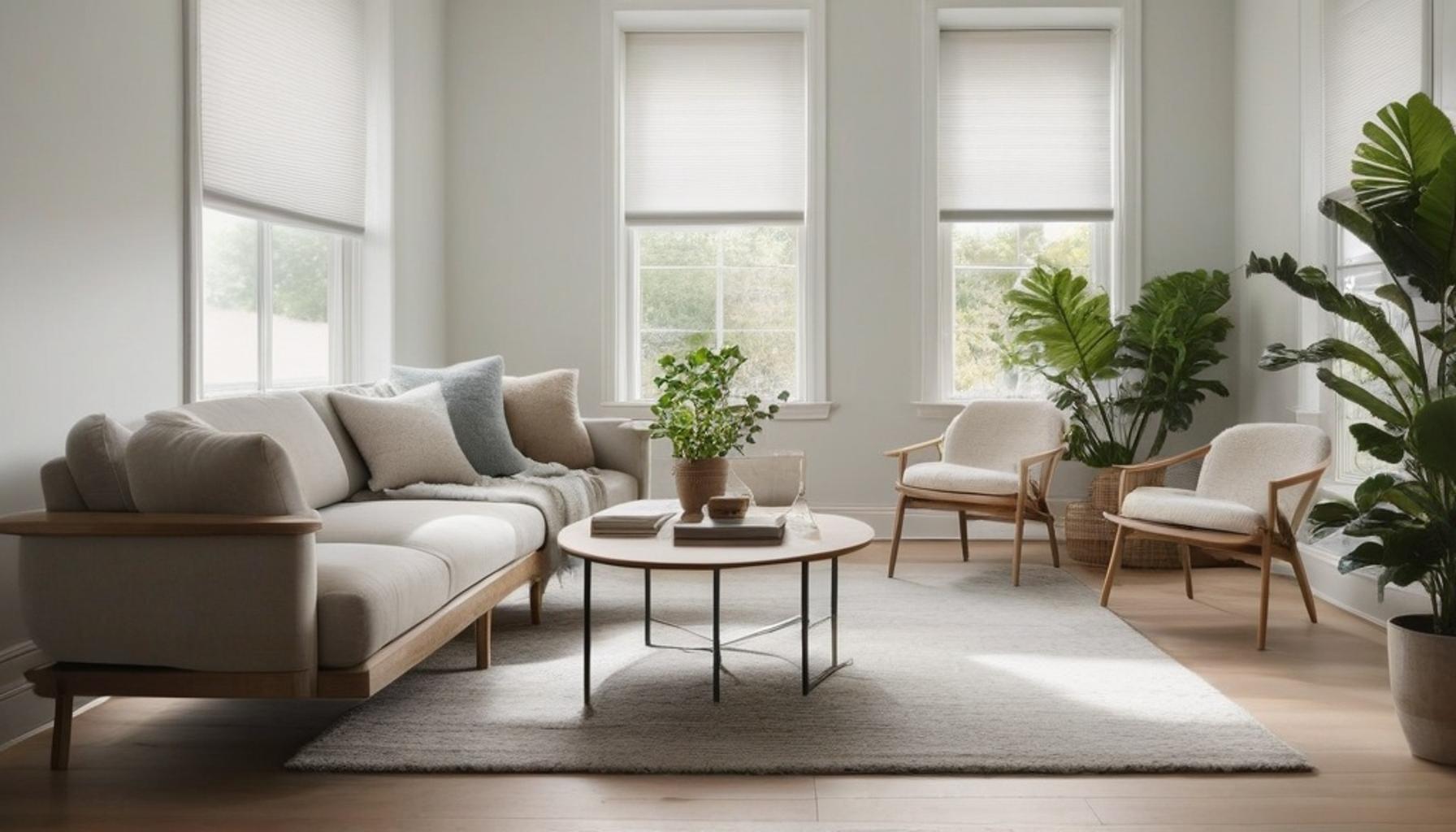
Maximizing Small Spaces: Minimalist Organization Strategies for Urban Apartments
Small Footprint, Big Potential
City living often means trading square footage for location, with the average American apartment in dense metros like New York or San Francisco hovering around 700 square feet or less. This makes navigating small spaces a unique challenge, forcing residents to rethink their approach to design and functionality. The result has sparked a nationwide shift toward minimalist organization strategies designed specifically for compact urban living.
Residents are discovering that a cramped studio doesn’t have to feel chaotic. With the right small space organization tips, even a 400-square-foot apartment can function like a much larger home. For instance, using a lofted bed can transform the footprint of a tiny bedroom into a multi-functional area for sleeping, working, and relaxing. Incorporating mirrors can help create an illusion of space, making a room appear larger than it actually is.
Why This Matters Now
Remote work, rising rents, and a cultural pivot toward simplicity have made decluttering small spaces a top priority for renters nationwide. According to recent housing surveys, over 60% of urban dwellers report feeling overwhelmed by clutter in their living spaces. This sentiment has encouraged many to prioritize functionality over excess belongings, streamlining their environments for better mental clarity.
This growing demand has fueled interest in smarter urban apartment storage solutions, from vertical shelving to multi-functional furniture. For example, ottomans with hidden compartments serve both as seating and as storage for blankets or books. Residents are also turning to wall-mounted desks that fold away when not in use, providing a seamless solution for home office setups.
Consider what’s driving this movement:
- Skyrocketing urban rent prices pushing residents into smaller units.
- Growing popularity of minimalist living ideas across social media platforms, with influencers showcasing how they thrive in tightly curated spaces.
- Increased remote work demanding functional home offices even in tiny footprints, leading to creative solutions to combine work and leisure areas.
- Environmental awareness encouraging fewer, better-quality possessions, as more residents aim to embrace sustainable living practices.
What You’ll Learn
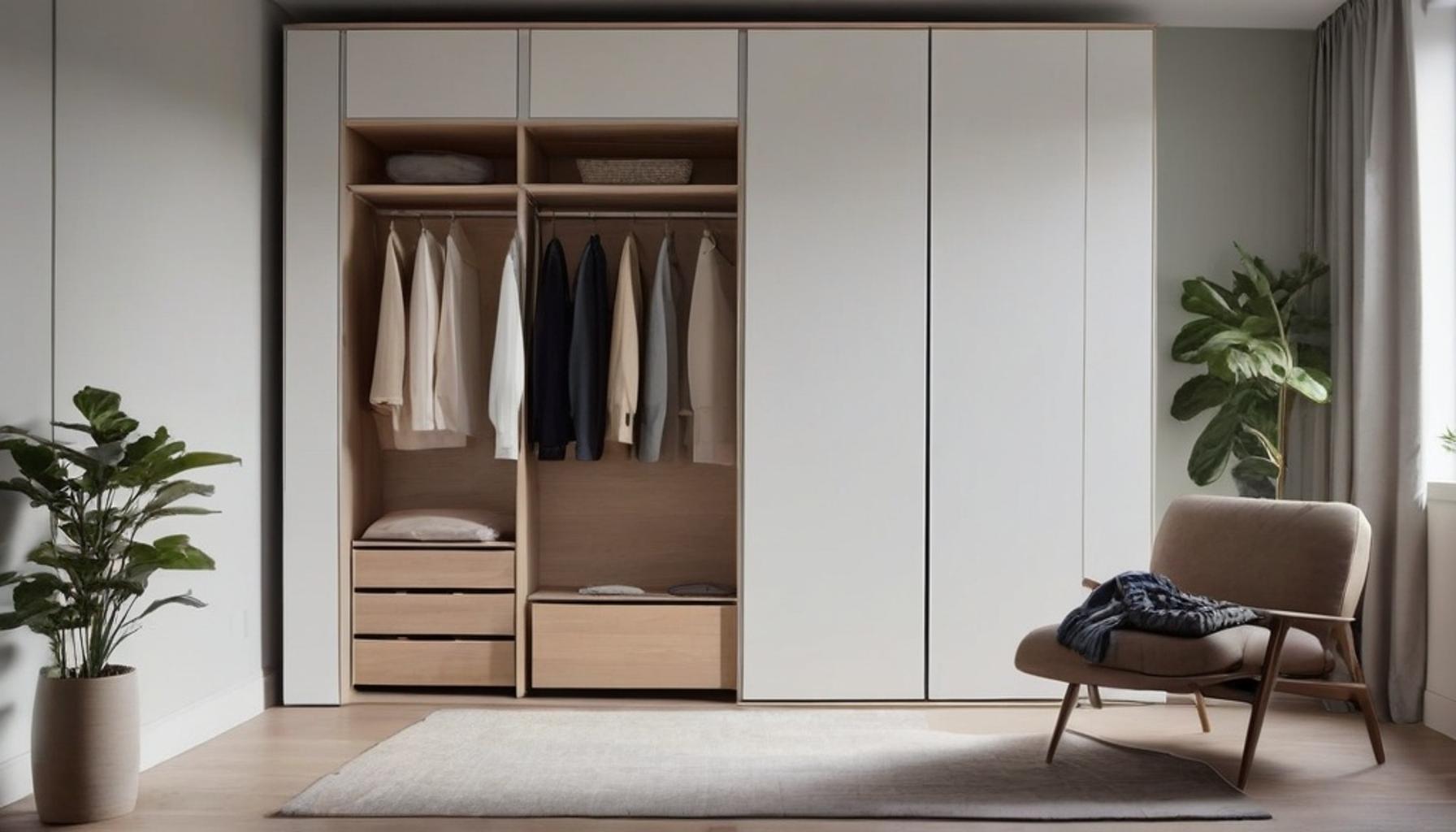
This guide explores practical, tested methods for transforming cramped quarters into organized, breathable spaces. Readers will discover efficient apartment layouts that maximize every corner without sacrificing style or comfort. Strategies such as utilizing under-bed storage, using clear bins for visibility, and implementing seasonal wardrobe rotation will be discussed.
From custom closet systems to hidden storage hacks, these strategies prove that limited square footage doesn’t mean limited possibilities. By embracing innovation and creativity, urban dwellers can create living environments that mirror their dreams, even within the confines of a small apartment.
SEE ALSO: The Art of Decluttering: How Space Optimization Enhances Mindfulness
Rethinking the Room: Zone-Based Living
Walk into any well-organized micro-apartment and you’ll notice something immediately: nothing feels accidental. Every corner has a job. This is the foundation of minimalist organization strategies that professional organizers and interior designers alike are championing for city dwellers who refuse to let square footage dictate quality of life.
Rather than treating a studio as one undifferentiated blob of space, savvy renters are borrowing a concept from tiny-house design: zoning. Even in a 350-square-foot apartment, you can create distinct areas for sleeping, working, and unwinding using nothing more than rugs, lighting, and furniture placement. A single floor lamp positioned behind a reading chair, for example, visually separates a “living room corner” from the kitchen just a few feet away.
This zoning approach is one of the most effective small space organization tips because it tricks the brain into perceiving structure, not chaos. New Yorkers have practiced this for decades in railroad-style apartments, and now residents in Chicago, Austin, and Seattle are adopting similar techniques as micro-units become the norm in new construction.
Vertical Space: The Most Underused Asset
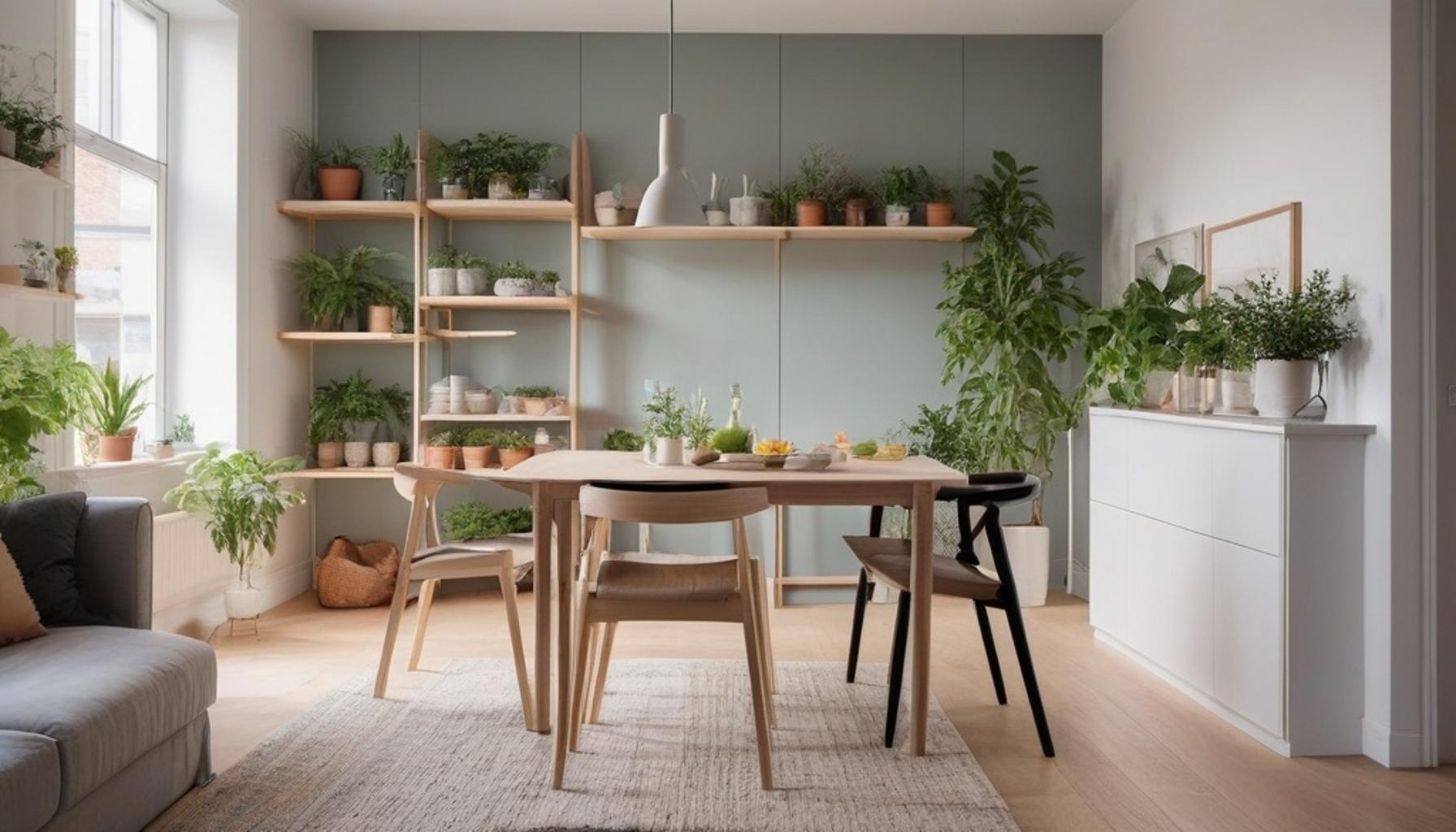
Floor space may be finite, but walls rarely are. This is why urban apartment storage solutions increasingly emphasize height over footprint. Floor-to-ceiling shelving units, pegboard systems in kitchens, and over-the-door organizers can add significant storage capacity without consuming an extra inch of walkable floor.
Consider a few vertical strategies gaining traction among apartment dwellers:
- Installing tension rods inside cabinets to create additional stacked storage for cutting boards or baking sheets.
- Mounting magnetic strips on kitchen walls to hold knives and spice tins, freeing up drawer space.
- Using stackable, labeled bins on closet shelving to maximize vertical inches typically left empty.
- Hanging bikes, coats, or bags on wall hooks near the entryway rather than letting them clutter the floor.
These small adjustments compound quickly. A single wall-mounted shelving unit can replace the storage capacity of a bulky dresser, freeing up several square feet in a bedroom that might otherwise feel like a maze of furniture.
Furniture That Works Overtime
Multi-functional furniture has become a cornerstone of minimalist living ideas, and for good reason. A coffee table with a lift top can double as a dining surface or laptop desk. A daybed with drawers built into its base eliminates the need for a separate dresser entirely.
Retailers have taken notice, too. Furniture companies specializing in compact urban living now report that convertible and modular pieces represent one of their fastest-growing categories, particularly among renters in their twenties and thirties navigating their first solo apartments in expensive metro areas.
RECOMMENDED: Functional Furniture: Designing Minimalist Spaces that Work for You
# The Psychology of Decluttering: Why Less Really Does Feel Like MoreBehavioral researchers have spent years studying the link between physical clutter and mental clutter, and the findings are hard to ignore. A widely cited study from Princeton University found that visual clutter competes for attention in the brain, actually reducing our ability to focus and process information. For apartment dwellers stacking mail on kitchen counters or piling shoes by the door, this isn’t just an aesthetic problem — it’s a cognitive one.
The One-In, One-Out Rule
One of the simplest decluttering small spaces techniques gaining popularity doesn’t require a single purchase. The “one-in, one-out” rule mandates that for every new item brought into the home, an existing item must leave. This prevents the slow creep of accumulation that turns a tidy 500-square-foot apartment into a cramped storage unit within a year.
Professional organizers report that clients who adopt this rule consistently maintain smaller, more manageable inventories of clothing, kitchenware, and decor. It’s not about deprivation; it’s about intentionality, a core principle behind most minimalist living ideas circulating on social media and in design blogs today.
Digital Clutter Counts Too
Modern minimalism has expanded beyond physical belongings. Cable management boxes, wireless charging pads, and app-based document scanning have become quiet allies in the fight against apartment clutter. Instead of filing cabinets stuffed with paperwork, many renters now scan bills and receipts directly into cloud storage, eliminating an entire furniture category some households didn’t realize they could live without.
Rethinking the Kitchen and Bathroom
Kitchens and bathrooms tend to accumulate clutter fastest, largely because they’re used multiple times daily. This makes them prime targets for efficient apartment layouts that prioritize accessibility over abundance.
Consider these approaches that organizers frequently recommend for these high-traffic zones:
- Storing only a week’s worth of toiletries in bathroom cabinets, keeping backups in under-bed containers.
- Limiting dishware to what fits comfortably in a single cabinet, discouraging the habit of letting dishes pile up.
- Using drawer dividers to separate utensils by category rather than tossing them into a single junk drawer.
- Installing a shower caddy that hangs from the showerhead, freeing up ledge space for cleaning purposes.
Data from apartment industry surveys suggests that renters who implement structured storage systems in kitchens and bathrooms report higher satisfaction with their living space overall, even when square footage remains unchanged. It’s a compelling reminder that comfort in small spaces often has more to do with system design than with size itself.
YOU MAY ALSO LIKE: Creating Zones: How Space Optimization Can Boost Productivity in a Minimalist Home Office
Small Space, Smart Choices: Bringing It All Together
From coast to coast, in cities like New York, Chicago, and San Francisco, the math of urban living hasn’t changed: square footage is expensive, and clutter is free — until it isn’t. What this exploration of minimalist organization strategies reveals is that the real cost of disorganization isn’t just visual, it’s mental, financial, and even social.
What the Data Really Tells Us
The Princeton findings on visual clutter and the apartment satisfaction surveys mentioned earlier point to the same conclusion from different angles. Small space organization tips aren’t cosmetic fixes; they’re structural changes that alter how a space functions and how its occupants feel within it.
This is why the one-in, one-out rule and digital decluttering matter as much as any storage bin or shelving unit. Systems outperform stuff.
Looking Beyond the Checklist
It’s worth noting that urban apartment storage solutions will keep evolving alongside how Americans live and work. Remote work has already reshaped bedrooms into offices; expect multi-functional furniture and modular storage to become even more mainstream as city rents continue climbing.
For renters considering their next move, evaluating efficient apartment layouts before signing a lease may prove just as important as evaluating price per square foot.
Ultimately, decluttering small spaces isn’t a one-time weekend project — it’s an ongoing practice, closer to maintenance than transformation. Those willing to treat it that way often discover something unexpected: a smaller apartment, organized well, can feel more spacious than a larger one filled with excess.
The next step is simple. Pick one room, apply one strategy, and observe the difference before scaling further.
Frequently Asked Questions
What are some effective minimalist organization strategies for small urban kitchens?
To optimize a small kitchen, consider using vertical storage solutions such as wall-mounted shelves and pegboards for pots and utensils. Utilize clear containers to store pantry items, allowing for easy visibility and reducing clutter. Incorporate multi-functional furniture, like a kitchen island with storage space, to enhance both functionality and organization.
How can I utilize under-bed storage in a minimalist way?
Under-bed storage is ideal for keeping items out of sight while maintaining a minimalist aesthetic. Opt for flat, stackable bins or drawers that can hold seasonal clothing or shoes, ensuring they are labeled for easy access. Keep only what you use regularly, and periodically assess the contents to avoid unnecessary accumulation.
What minimalist organization tips can help me declutter my small living room?
To declutter your living room, start by assessing essential items and consider donating or selling anything you no longer use or love. Invest in furniture that doubles as storage, such as an ottoman with hidden compartments. Maintain a clear surface by using decorative trays to organize small items and keep books neatly arranged to create a cohesive look.
Are there minimalist organization strategies that can improve my small bedroom’s functionality?
Enhance your bedroom’s functionality by implementing minimalist principles like a pared-down decor that promotes calmness. Choose furniture with built-in storage, such as bed frames with drawers or nightstands with shelves. Additionally, hang hooks or racks on walls to neatly store accessories, keeping surfaces clear and fostering a tranquil environment.

Linda Carter
Linda Carter is a writer specializing in minimalism and personal organization. With extensive experience helping readers create more functional and balanced routines, she shares practical advice on decluttering, organizing spaces, simplifying daily tasks, and making more intentional choices. Her goal is to offer clear guidance and accessible strategies that help people reduce excess, improve their surroundings, and enjoy a calmer, more organized lifestyle.