Minimalism and Mindfulness: Creating Spaces that Inspire Tranquility and Mental Clarity
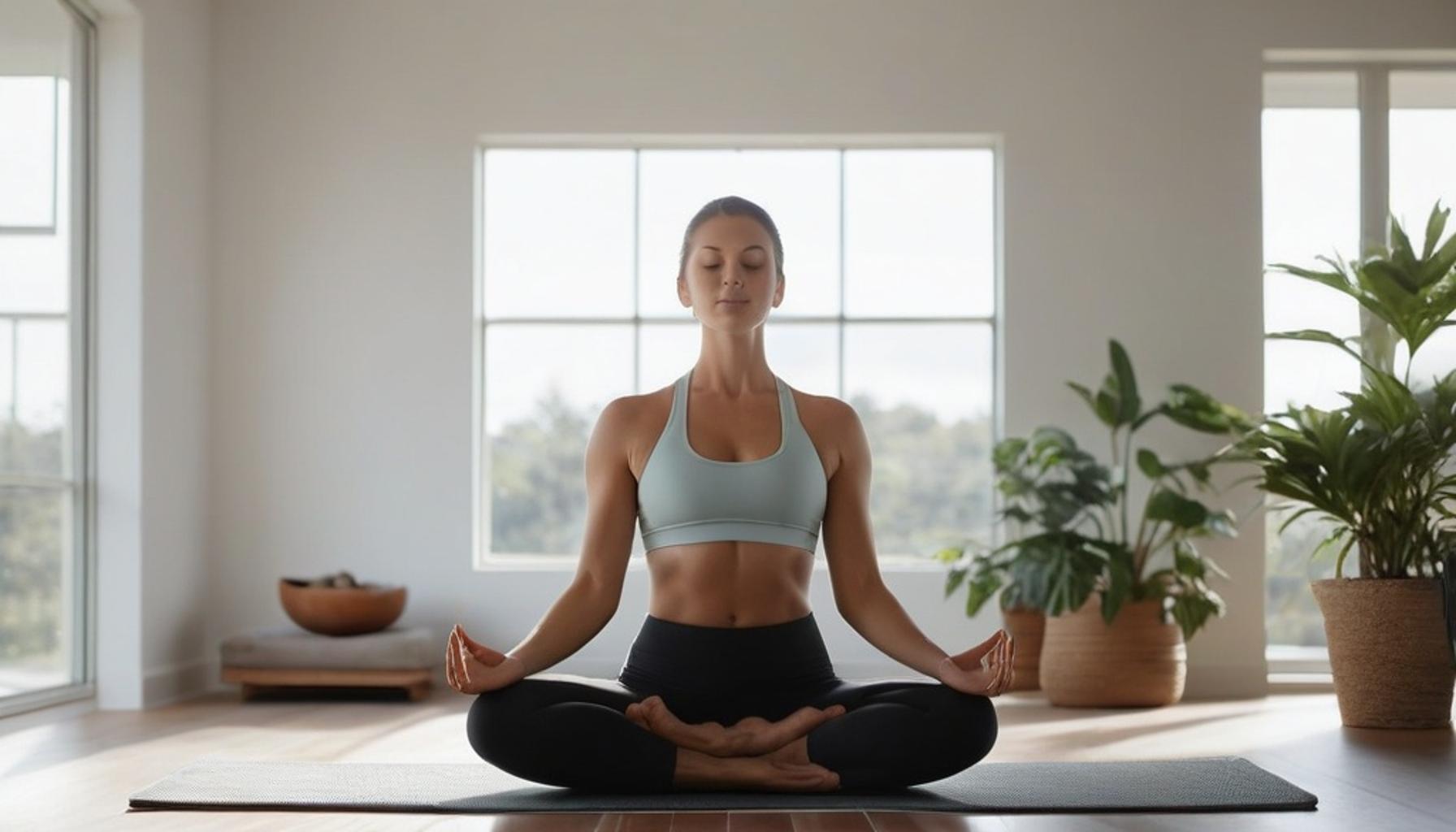
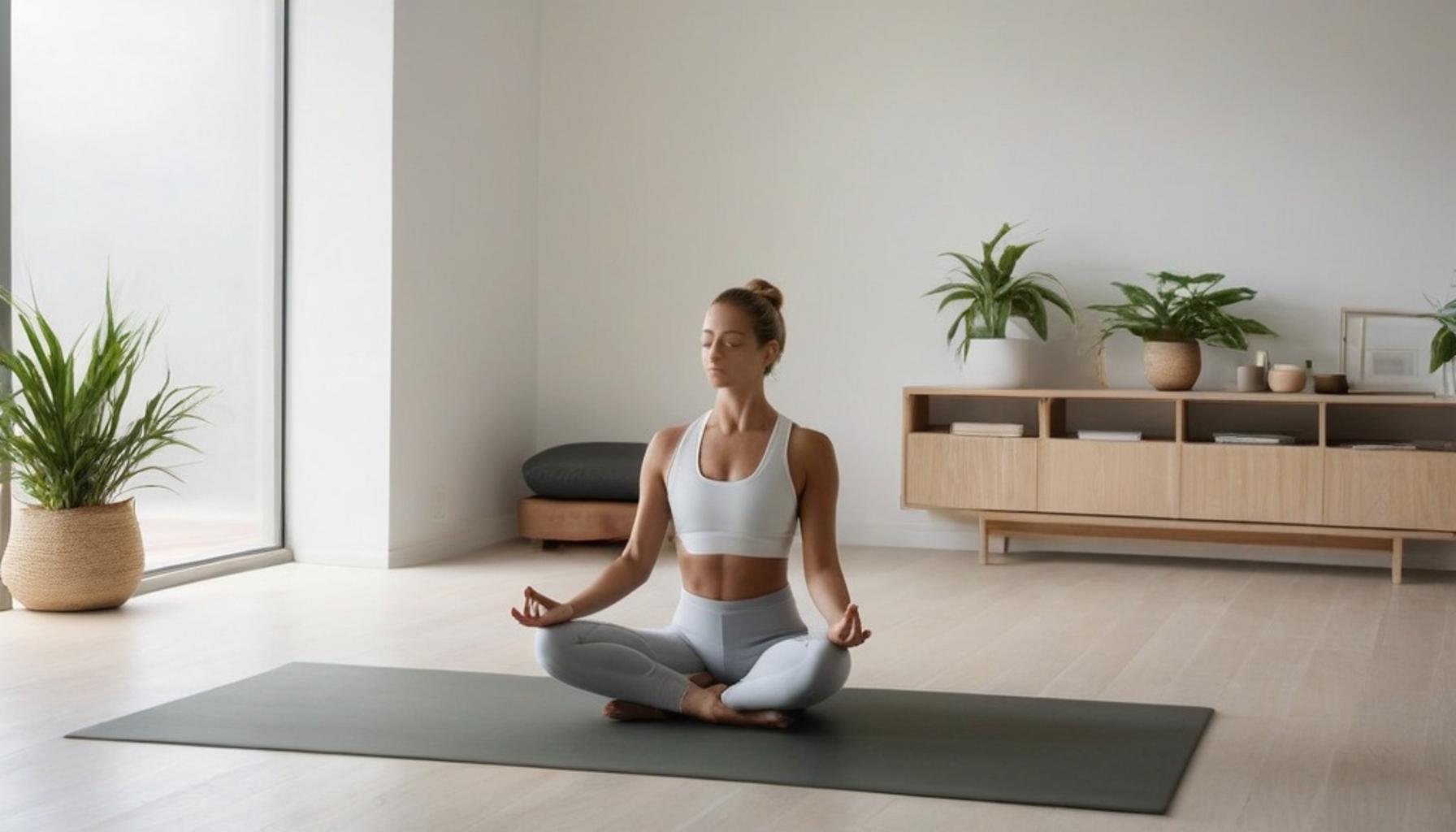
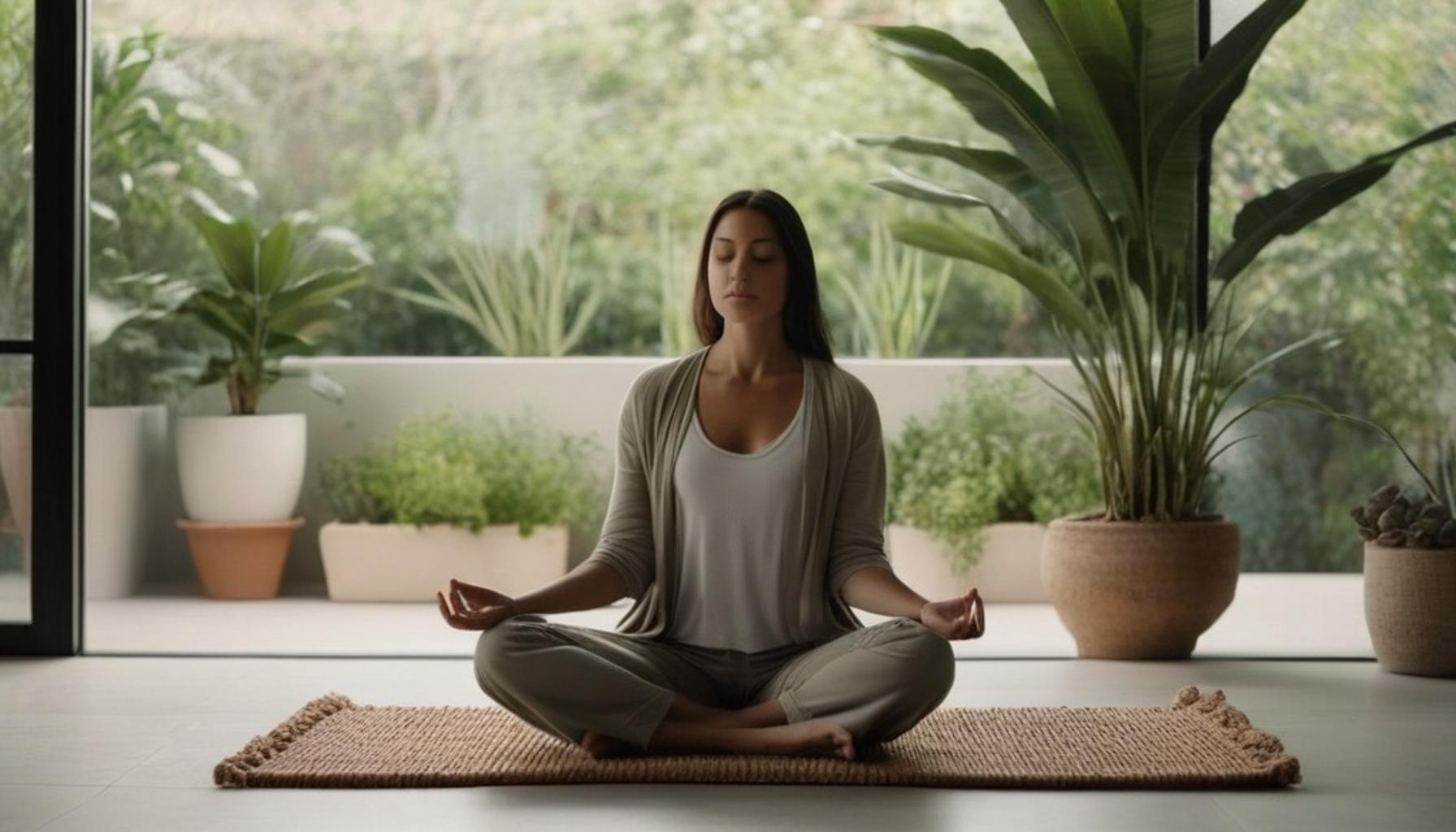
The trend toward minimalism and mindfulness is evident in the way that many Americans are reevaluating their living spaces. Individuals are increasingly opting for clean lines and open layouts, steering away from cluttered and chaotic environments. This change is not merely about esthetics; it represents a deeper, lifestyle shift that aligns with principles of Minimalism and Mindfulness. Research in the emerging field of environmental psychology indicates a direct link between our surroundings and our mental well-being. An overload of visual stimuli can increase cortisol levels, the stress hormone, making the pursuit of calm, organized spaces more valuable than ever to our wellness goals.
The Science Behind Simplicity
In 2011, researchers at Princeton University’s Neuroscience Institute published findings that revealed how cluttered environments distract us and compete for our attention. This constant distraction inhibits our ability to concentrate and raises our stress levels. Conversely, a space that is designed with minimalism in mind allows the brain to function more efficiently, offering a kind of mental breathing room. For example, a home office free of unnecessary decorations often leads to heightened productivity, as the mind can focus on tasks rather than be sidetracked by visual noise.
People who engage in creating tranquil spaces often report a range of positive outcomes, including:
- Improved concentration and productivity
- Lower anxiety levels
- Better sleep quality
- A greater sense of control over daily life
More Than Empty Rooms
Minimalism is a philosophy that emphasizes quality over quantity; it’s not simply about owning fewer possessions, but about being intentional with what you keep. By integrating simple mindfulness techniques—such as slow, deliberate movements through your space or dedicating time to mindful decluttering rituals—the effects can be profound. For instance, a family that practices mindfulness while organizing their shared areas often finds that it fosters connection, allowing them to engage meaningfully without the stress of upkeep overshadowing their interactions.
The ripple effects of adopting a minimalist approach can reach numerous aspects of life, including heightened mental clarity and enhanced emotional regulation. Furthermore, as shared spaces become more about connection rather than maintenance, relationships may flourish in this serene atmosphere.
What This Article Covers
This guide will delve into practical strategies designed to inspire mental clarity through intentional design choices. Readers will discover room-by-room methods for decluttering and mindfulness rituals that can be easily integrated into daily life. Transforming your environment doesn’t require major renovations; often, small, thoughtful changes can bring about a significant, positive impact on both your space and your state of mind.
YOU MAY ALSO LIKE: The Art of Living with Less: How Mindful Living Enhances Minimalism and Personal Organization
Room-by-Room: Applying Minimalist Home Design Principles
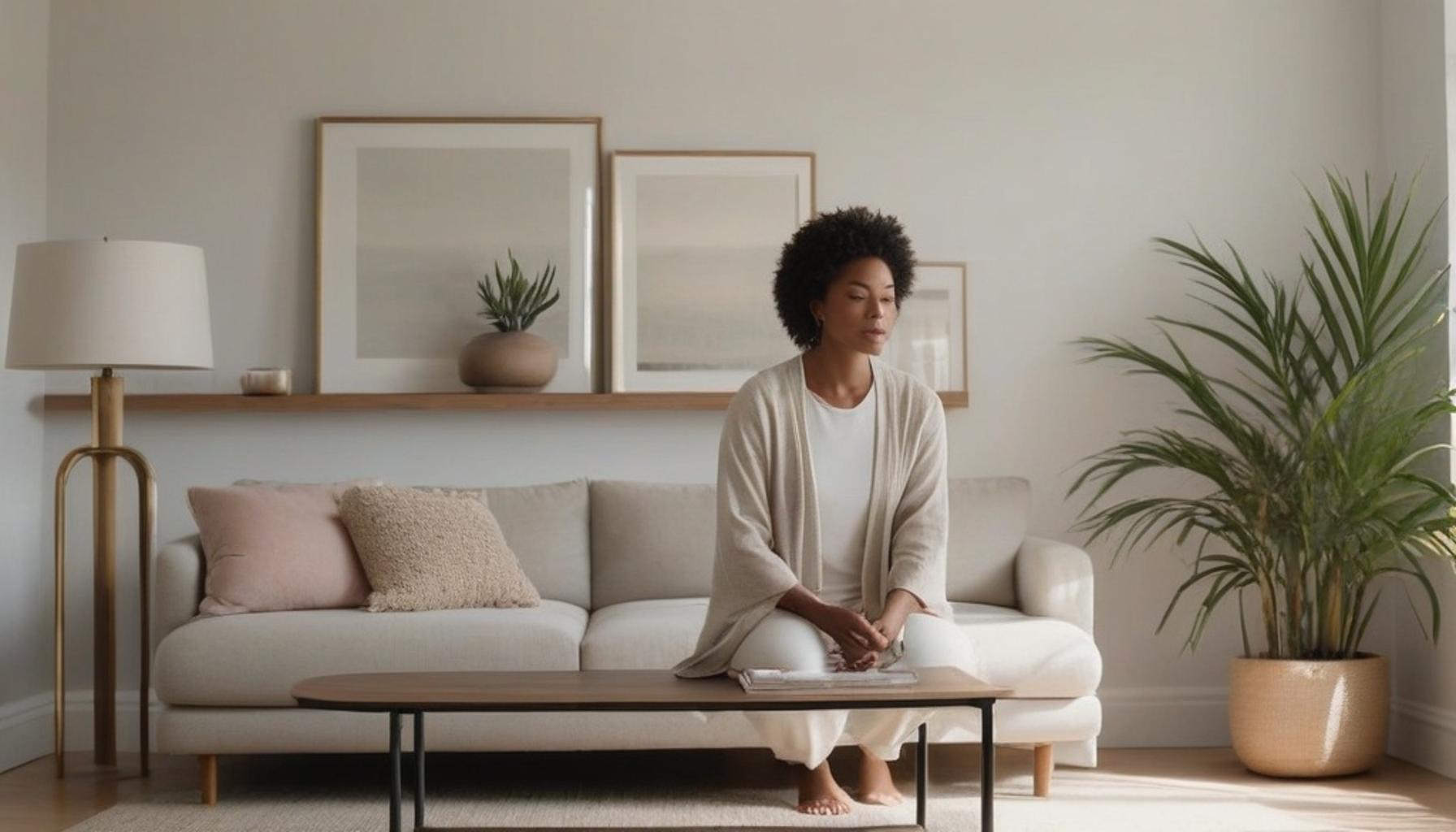
Walk into any American living room today, and you might notice a shift. Gone are the overstuffed bookshelves and knickknack-covered surfaces of decades past. In their place: open floor space, a single statement piece of art, and furniture that serves a clear purpose. This transformation reflects a growing understanding that minimalist home design isn’t a passing trend—it’s a response to genuine psychological needs.
The living room often serves as the litmus test for a household’s relationship with clutter. According to a 2022 survey by the National Association of Professional Organizers, the average American household contains over 300,000 items, yet most people report using less than 20% of their possessions regularly. This disconnect between what we own and what we actually need creates what psychologists call “decision fatigue”—a state where the sheer volume of choices, even small ones like where to place a decorative object, drains mental energy.
Bedrooms present a particularly compelling case study. Sleep researchers at the Mayo Clinic have noted correlations between bedroom clutter and sleep quality, with cluttered sleeping environments linked to increased instances of insomnia and restless sleep patterns. A minimalist bedroom—featuring a made bed, minimal furniture, and hidden storage—can signal to the brain that it’s time to relax rather than remain in a state of low-grade alertness.
Kitchens, too, benefit from this philosophy. Consider these practical, room-specific strategies that align with the benefits of minimalism:
- Clear countertops of all but daily-use items, reducing visual clutter by up to 70%
- Store appliances used less than once a week out of sight
- Use uniform containers for pantry items to create visual harmony
- Designate a single “landing zone” for mail and keys near the entryway
What makes these adjustments powerful isn’t the aesthetic alone—it’s the way they create tranquil spaces that reduce the cognitive load we carry throughout the day. Each unnecessary item removed from view is one less decision, one less distraction, one less contributor to that persistent hum of stress many Americans have simply come to accept as normal.
Interior designers across the country, from Brooklyn apartments to Austin bungalows, are increasingly fielding requests for this pared-back aesthetic. Clients aren’t just asking for style—they’re asking for calm, for clarity, and for homes that function as sanctuaries rather than storage units.

| Category | Key Features |
|---|---|
| Minimalist Home Design | Utilizes simple, functional furniture and decor focusing on essential items to declutter. |
| Mindfulness Techniques | Incorporates practices like meditation and breathing exercises to maintain mental clarity amid a minimalist setup. |
RECOMMENDED: The Art of Living with Less: How Minimalism Enhances the Practice of Mindful Living
The Mindfulness Connection: Why Empty Space Calms the Mind
Step outside the living room for a moment and consider the brain science behind why minimalist environments feel so restorative. Researchers at Princeton University’s Neuroscience Institute found that physical clutter competes for our attention in ways we rarely notice consciously. Their 2011 study, published in the Journal of Neuroscience, revealed that visual clutter actively restricts the brain’s ability to process information, leading to decreased performance on focus-related tasks. This finding forms the scientific backbone connecting Minimalism and Mindfulness as complementary practices rather than separate lifestyle choices.
The relationship works both ways. Just as pared-down spaces support mental clarity, mindfulness techniques can transform how we experience the spaces we already occupy. A cluttered apartment in Chicago doesn’t need an immediate overhaul to become calmer—sometimes a shift in attention does the work first.
Mindfulness Techniques for Everyday Living Spaces
Practicing presence within your home doesn’t require expensive renovations. Consider these approaches that therapists and mindfulness coaches frequently recommend:
- Spend two minutes each morning simply observing your space without judgment or the urge to reorganize
- Practice single-tasking in designated areas—reserve the desk for work, the bed for rest
- Introduce a brief “closing ritual” each evening, such as clearing surfaces before bed
- Notice physical sensations tied to specific rooms, identifying which spaces feel restrictive versus expansive
These small, repeatable actions build awareness of how environment influences emotional state. Over time, this awareness naturally motivates decluttering, since it becomes harder to ignore the mental static caused by unnecessary possessions.
Data from a 2023 wellness industry report by Statista showed that Americans spent over $11.2 billion on home organization products and services, a figure that has climbed steadily since 2019. This surge suggests that minimalist home design isn’t merely aesthetic preference—it reflects a broader cultural recognition that our surroundings directly shape cognitive and emotional well-being.
Therapists specializing in environmental psychology often point to a concept called “restorative environments,” originally studied in relation to nature exposure. Interestingly, minimalist interiors can produce similar restorative effects by reducing sensory demands. Rooms with fewer visual interruptions allow the nervous system to downshift, much like a walk through a quiet park might.
This is where the true benefits of minimalism reveal themselves most clearly: not in the absence of belongings, but in the presence of mental space. When a home requires less from your attention, more of that attention becomes available for rest, creativity, and connection.
For those seeking to inspire mental clarity through their living environment, the evidence increasingly points toward a simple principle—what surrounds us shapes what’s possible within us.
DISCOVER MORE: Click here to learn how to maximize your space
# Bringing It All Together: A Home That Supports Your MindAcross this discussion, one theme keeps surfacing—the spaces we inhabit are never neutral. They either drain focus or restore it, and the choice often lies in how much visual and mental noise we allow to accumulate.Minimalism and Mindfulness work as partners rather than trends. One shapes the physical environment; the other shapes how we relate to it. Neither requires perfection, and neither demands an all-or-nothing approach.
What Homeowners Across the Country Are Discovering
From compact apartments in Brooklyn to sprawling ranch homes in Austin, a similar pattern emerges: people who commit to intentional living report fewer moments of overwhelm and more consistent mental clarity. This isn’t coincidence—it’s the measurable outcome of reducing sensory demands on an already overworked nervous system.The steps outlined throughout this piece—morning observation, single-tasking, evening reset rituals—offer accessible entry points. None require a renovation budget. All build the kind of awareness that eventually makes clutter feel unnecessary rather than comfortable.
Moving Forward with Intention
Consider starting small. Choose one room, one drawer, or even one nightly habit. Notice what changes internally as external clutter decreases.The goal isn’t an empty house—it’s a home that gives back more than it demands. As research continues to link environment with cognitive function, the case for minimalist home design as a wellness strategy, not just a visual style, grows harder to dismiss.Ultimately, the ability to create tranquil spaces comes down to ongoing attention rather than one-time effort.每 choice to simplify becomes a small investment in mental steadiness.For anyone hoping to inspire mental clarity through their surroundings, the invitation is simple: start noticing, start simplifying, and let the space respond.
Frequently Asked Questions
How can embracing minimalism contribute to my mindfulness practice?
Embracing minimalism can greatly enhance your mindfulness practice by reducing distractions and creating an environment that promotes focus. A decluttered space allows you to concentrate on the present moment, making it easier to engage in mindfulness exercises such as meditation and deep breathing.
What are some practical steps to incorporate both minimalism and mindfulness in my home decor?
To incorporate minimalism and mindfulness in your home decor, start by decluttering your space to keep only items that truly inspire you or serve a purpose. Choose calming colors, natural materials, and thoughtful furnishings that reflect simplicity while creating a serene atmosphere for relaxation and clarity.
Can minimalism really help reduce stress and anxiety in daily life?
Yes, minimalism can significantly reduce stress and anxiety by fostering an environment that is organized and free of visual chaos. When your surroundings are simple and uncluttered, it becomes easier to focus on what truly matters, leading to a greater sense of control and peace in daily life.
What role does intentionality play in the relationship between minimalism and mindfulness?
Intentionality is key in both minimalism and mindfulness as it encourages you to carefully consider what you bring into your space and how you engage with it. By being intentional about your possessions and actions, you cultivate a lifestyle that values quality over quantity, promoting deeper mindfulness and creating a tranquil living environment.

Linda Carter
Linda Carter is a writer specializing in minimalism and personal organization. With extensive experience helping readers create more functional and balanced routines, she shares practical advice on decluttering, organizing spaces, simplifying daily tasks, and making more intentional choices. Her goal is to offer clear guidance and accessible strategies that help people reduce excess, improve their surroundings, and enjoy a calmer, more organized lifestyle.