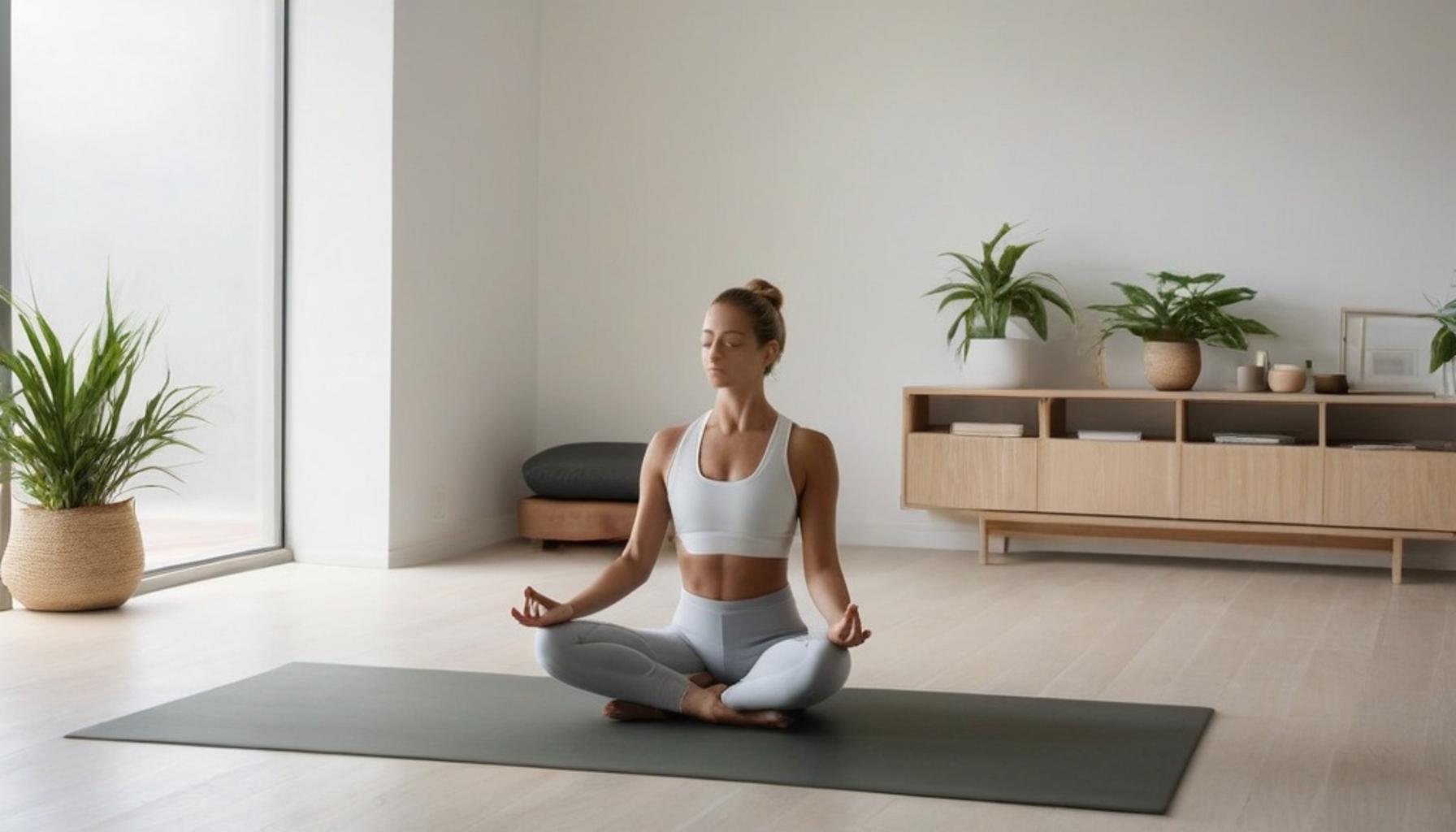
Mindful Living and the Art of Letting Go: Creating a Healthy Physical and Mental Space

Why Letting Go Might Be the Ultimate Wellness Trend
Americans are drowning in clutter, both physical and mental. The average U.S. household contains over 300,000 items, ranging from essential tools to forgotten toys. This staggering number highlights how consumer culture and a tendency to hold on to possessions can lead to overwhelming environments. Additionally, the average mind juggles thousands of thoughts a day, many of which are rooted in stress or anxiety. This constant mental chatter can hinder productivity and contribute to feelings of being overwhelmed.
This overwhelming accumulation has sparked a growing interest in Mindful Living and Letting Go as a practical path toward balance. It’s not just about tidying a closet; it’s about creating a healthy mental space that supports clarity, calm, and intention. For instance, many mindfulness advocates suggest that simple practices like decluttering a workspace or organizing a living room can lead to a better focus on tasks and an enhanced sense of well-being. By removing the physical and emotional excess, individuals often report feeling lighter and more in control of their lives.
What This Article Will Explore
From decluttering strategies to breathing techniques, this guide dives into the science and simplicity behind mindful transformation. Readers will discover:
- The psychological benefits of letting go of physical and emotional excess, such as increased happiness and reduced anxiety.
- Simple mindfulness practices backed by research that one can integrate into daily routines.
- Step-by-step methods for creating a peaceful environment at home and work, fostering productivity and serenity.
- Daily mindful living techniques that fit even the busiest schedules, helping to install a sense of calm amidst chaos.
Studies from esteemed institutions like Harvard Medical School indicate that mindfulness can reduce cortisol levels by up to 20%, which is significant considering that elevated cortisol is linked to numerous health issues. Furthermore, decluttering has not only been linked to improved focus but also better sleep quality, a crucial aspect of overall wellness. For instance, many individuals find that clearing their bedroom of unnecessary items leads to a more restful sleep experience.
This isn’t a fleeting trend—it’s a sustainable lifestyle shift with measurable impact. The following sections break down exactly how to start, one mindful choice at a time, offering actionable insights for anyone looking to embrace a more fulfilling, intentional way of living.
CHECK OUT: The Art of Living with Less: How Minimalism Enhances the Practice of Mindful Living
# The Hidden Weight of Physical ClutterWalk into any American garage, and you’ll likely find evidence of a national pattern: boxes stacked upon boxes, exercise equipment turned coat rack, and enough forgotten items to stock a small thrift store. This isn’t a personal failing—it’s a cultural phenomenon that researchers have been tracking for decades.The UCLA Center on Everyday Lives of Families conducted an eye-opening study revealing that clutter directly correlates with elevated stress hormones, particularly in women who described their homes as cluttered or unfinished. Their cortisol patterns throughout the day showed measurable spikes when surrounded by disorganized spaces. This finding underscores why Mindful Living and Letting Go has moved from niche wellness circles into mainstream conversation.## Why Our Brains Struggle With ExcessNeuroscience offers a compelling explanation for why clutter feels so exhausting. Princeton University researchers found that visual clutter competes for attention in the brain, making it genuinely harder to focus, process information, and even retain memories. Every item left in our field of vision sends a signal that the brain must consciously ignore, draining cognitive resources we didn’t realize we were spending.This explains why so many people report feeling instantly calmer after clearing a single surface, like a kitchen counter or a desk. The relief isn’t imaginary; it’s measurable.Consider these findings that highlight the tangible benefits of letting go:
- Participants in a Journal of Environmental Psychology study reported significantly higher life satisfaction after decluttering their homes, independent of income level.
- A National Sleep Foundation poll found that people who make their beds daily and maintain tidy bedrooms are 19% more likely to report consistent, quality sleep.
- Clutter has been linked to increased procrastination, as overwhelming environments trigger avoidance behaviors rather than motivation.
## The Emotional Attachment ProblemLetting go isn’t simply logistical—it’s deeply psychological. Many Americans hold onto items tied to identity, nostalgia, or fear of future scarcity, a behavior pattern amplified by decades of consumer marketing that equates ownership with security.Therapists specializing in cognitive behavioral approaches note that creating a peaceful environment often requires addressing the emotional stories behind possessions before physical removal becomes easier. Asking “What does this object represent?” rather than “Will I use this again?” tends to unlock more sustainable decluttering decisions.This intersection of psychology and physical space is precisely why mindful living resonates so strongly today. It’s not about minimalism for its own sake, but about intentionally curating surroundings that support mental clarity rather than working against it.

YOU MAY ALSO LIKE: Minimalism and Mindfulness: Creating Spaces that Inspire Tranquility and Mental Clarity
Mental Clutter: The Invisible Space We Forget to Clear
While physical clutter grabs attention because it’s visible, mental clutter operates quietly in the background, shaping how Americans experience stress, sleep, and daily decision-making. Psychologists increasingly argue that Mindful Living and Letting Go must extend beyond closets and garages into the realm of thoughts, habits, and digital consumption.
The average American checks their phone 96 times a day, according to research from Asurion. Each notification, scroll, and app switch adds another layer of cognitive residue, making it harder to achieve the kind of stillness that supports a healthy mental space.
Digital Overload as Modern-Day Clutter
Email inboxes with thousands of unread messages, dozens of open browser tabs, and endless social media feeds create a psychological environment strikingly similar to a cluttered attic. Stanford researchers studying multitasking found that heavy digital jugglers performed worse on memory and focus tests than those who concentrated on single tasks.
This constant digital noise trains the brain to expect stimulation, making silence and stillness feel uncomfortable rather than restorative. Breaking this pattern is where mindfulness practices become genuinely practical rather than abstract wellness advice.
- Setting designated phone-free hours, particularly during meals and the first hour after waking
- Unsubscribing from promotional emails that generate decision fatigue without adding value
- Practicing single-tasking instead of multitasking during work hours
Simple Mindful Living Techniques for Everyday Life
Adopting mindful living techniques doesn’t require a weekend retreat or expensive equipment. Small, consistent practices tend to produce more lasting change than dramatic overhauls.
Behavioral scientists point to the “two-minute rule” as an effective entry point: if a task, like returning a dish to the cabinet or deleting a redundant file, takes less than two minutes, doing it immediately prevents small clutter from accumulating into overwhelming backlog.
Breathing exercises offer another accessible tool. A study published in Frontiers in Psychology found that participants who practiced just five minutes of focused breathing daily reported reduced anxiety symptoms within two weeks, suggesting that mental decluttering can happen in remarkably short windows of time.
Creating a Peaceful Environment Room by Room
Rather than tackling an entire home at once, professional organizers recommend focusing on one space where mental and physical clutter intersect most visibly, often the bedroom or home office. Creating a peaceful environment in these specific zones tends to generate momentum that naturally spreads to other areas of the home and daily routine.
The Bigger Picture: Why Letting Go Is an Ongoing Practice
Across cluttered closets, overflowing inboxes, and restless minds, one theme emerges repeatedly: the benefits of letting go extend far beyond tidiness. They touch sleep quality, focus, relationships, and even how Americans process daily stress in an increasingly noisy world.
What makes Mindful Living and Letting Go genuinely effective isn’t a single dramatic purge but a series of small, repeated choices. Returning an item to its place, closing an unnecessary browser tab, or pausing before reaching for a phone all send the same signal to the brain: this space, physical or mental, deserves care.
Rethinking Progress Beyond Perfection
Researchers studying habit formation note that consistency outperforms intensity. A healthy mental space isn’t built in one weekend of aggressive decluttering; it’s built through daily micro-decisions that compound over weeks and months.
This reframes the goal. Instead of chasing an Instagram-worthy minimalist home or a perfectly calm mind, the more realistic target is sustainable rhythm, one where mindfulness practices and organizational habits reinforce each other naturally.
- Reassess physical spaces seasonally rather than waiting for overwhelming buildup
- Treat digital boundaries with the same seriousness as physical ones
- Recognize that creating a peaceful environment is a maintenance practice, not a one-time project
As more Americans confront rising screen time, shrinking living spaces, and constant informational overload, the principles explored throughout this article point toward a clear conclusion: mindful living techniques aren’t a passing wellness trend but a practical response to modern life’s genuine pressures. Those willing to start small, one drawer, one notification setting, one mindful breath at a time, often find the results extend well beyond their homes.
Frequently Asked Questions
How can I start practicing mindful living and letting go in my daily routine?
To begin practicing mindful living and letting go, start incorporating small moments of mindfulness into your day, such as deep breathing or meditation. Aim to identify and release attachments to material possessions or past experiences that no longer serve you. Gradually introduce these practices during breaks, in nature, or before bedtime to create a more intentional lifestyle.
What are some practical steps for letting go of emotional baggage?
To let go of emotional baggage, start by acknowledging your feelings and the experiences that contribute to them. Journaling your thoughts can provide clarity, followed by identifying actionable steps to move forward. Engage in activities that promote self-care, such as therapy or mindfulness exercises, to facilitate emotional release.
Can mindful living help reduce stress and anxiety?
Yes, mindful living has been shown to significantly reduce stress and anxiety levels. By focusing on the present moment and cultivating awareness without judgment, individuals can manage their emotional responses and create a calmer mindset. Practices like meditation, yoga, or mindful walking contribute to greater overall mental well-being.
What role does physical space play in mindful living and letting go?
Physical space plays a crucial role in mindful living and letting go, as it can directly influence your mental clarity and sense of peace. Decluttering your environment by letting go of items that no longer serve a purpose creates a calming atmosphere, allowing for better focus and emotional balance. A clean and organized space helps reinforce the principles of mindfulness.
How do I know if I’m successfully letting go of negative thoughts?
You can assess your ability to let go of negative thoughts by observing how often they arise and the emotional responses they trigger. If you’re experiencing fewer intrusive thoughts and can shift your focus more easily to positive aspects of your life, it’s a sign of progress. Additionally, maintaining a consistent mindfulness practice will help reinforce this positive mental space.

Linda Carter
Linda Carter is a writer specializing in minimalism and personal organization. With extensive experience helping readers create more functional and balanced routines, she shares practical advice on decluttering, organizing spaces, simplifying daily tasks, and making more intentional choices. Her goal is to offer clear guidance and accessible strategies that help people reduce excess, improve their surroundings, and enjoy a calmer, more organized lifestyle.