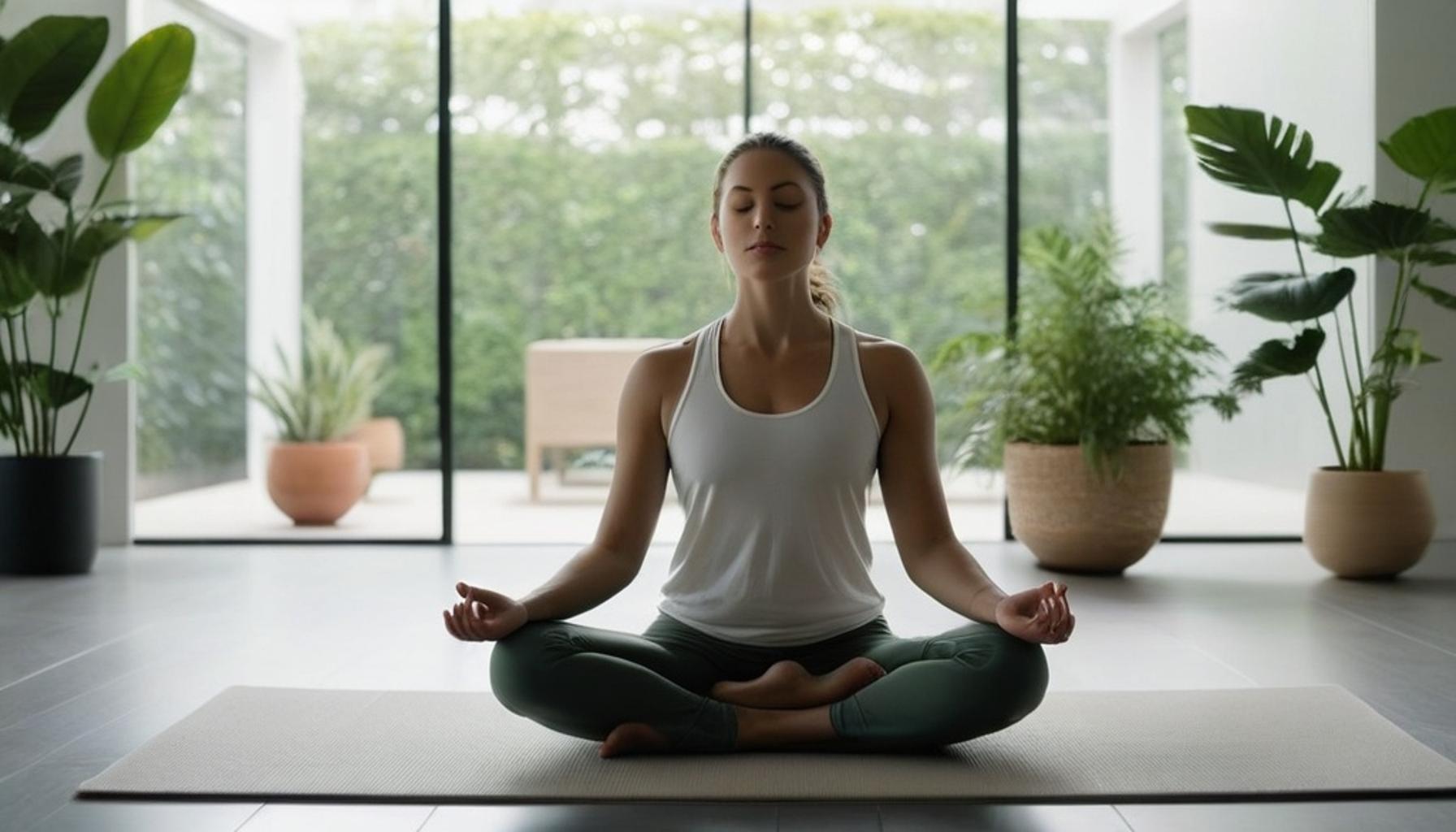
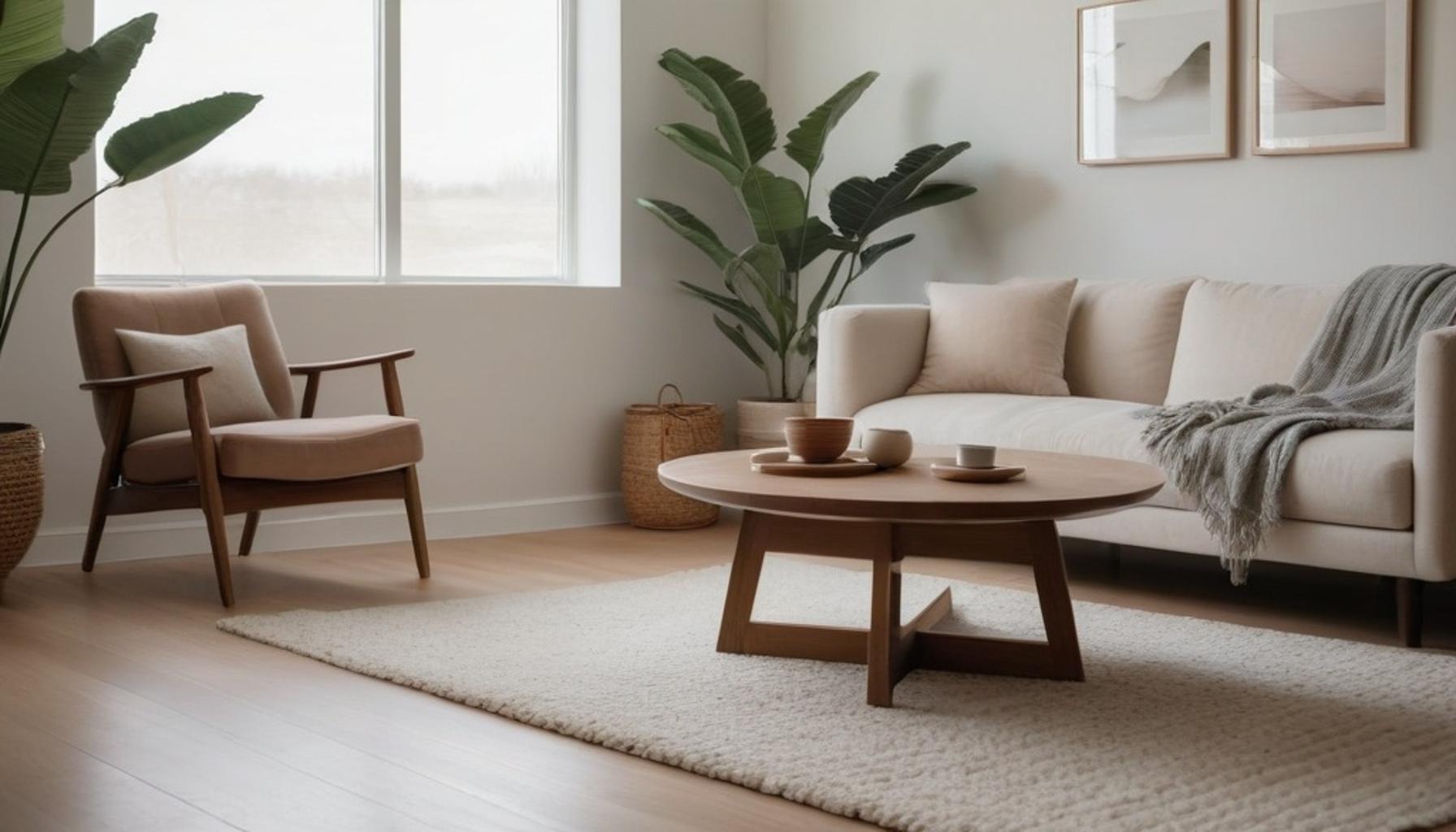
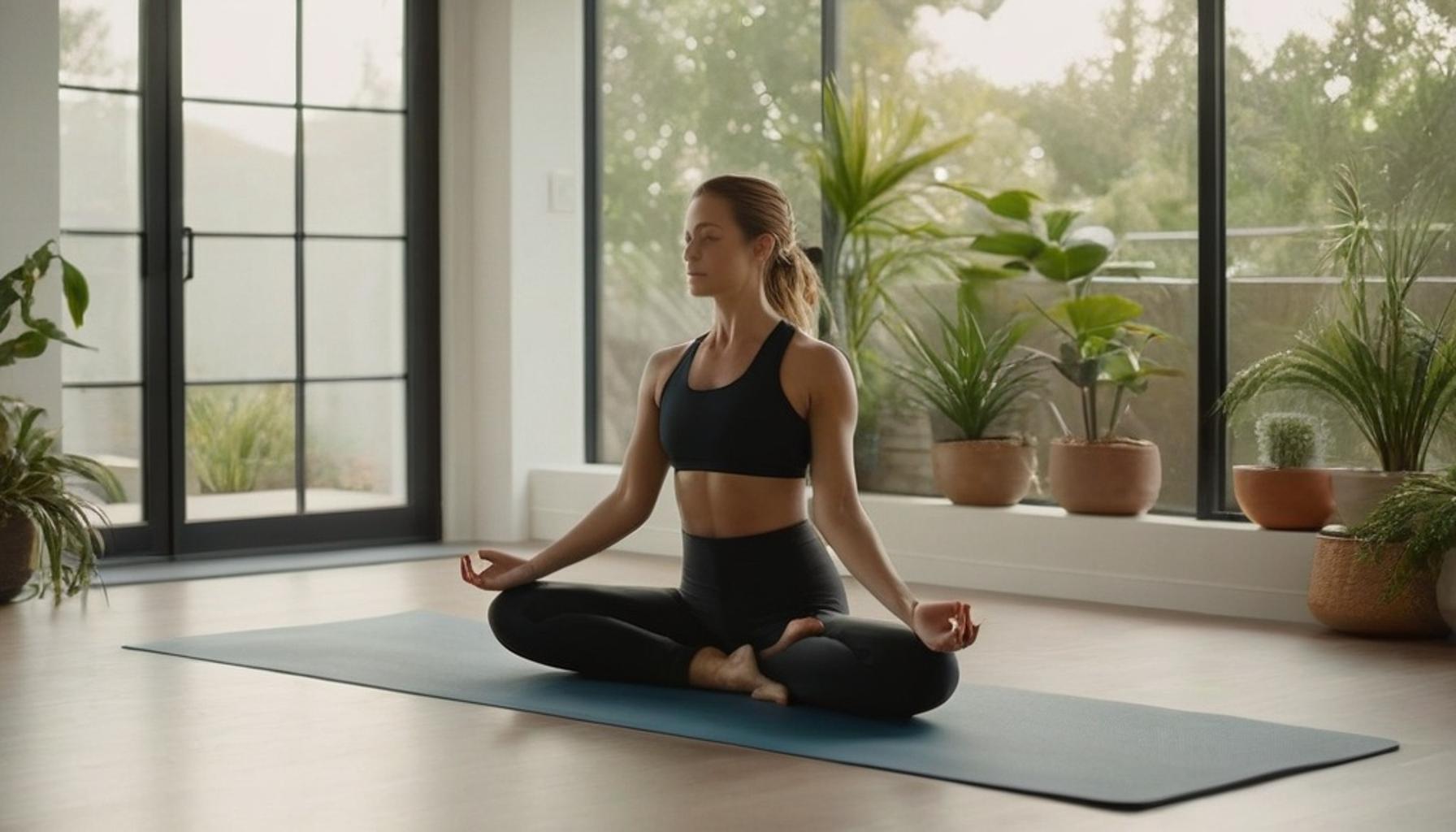
The Practice of Mindfulness: How Minimalism Can Enhance Your Daily Awareness
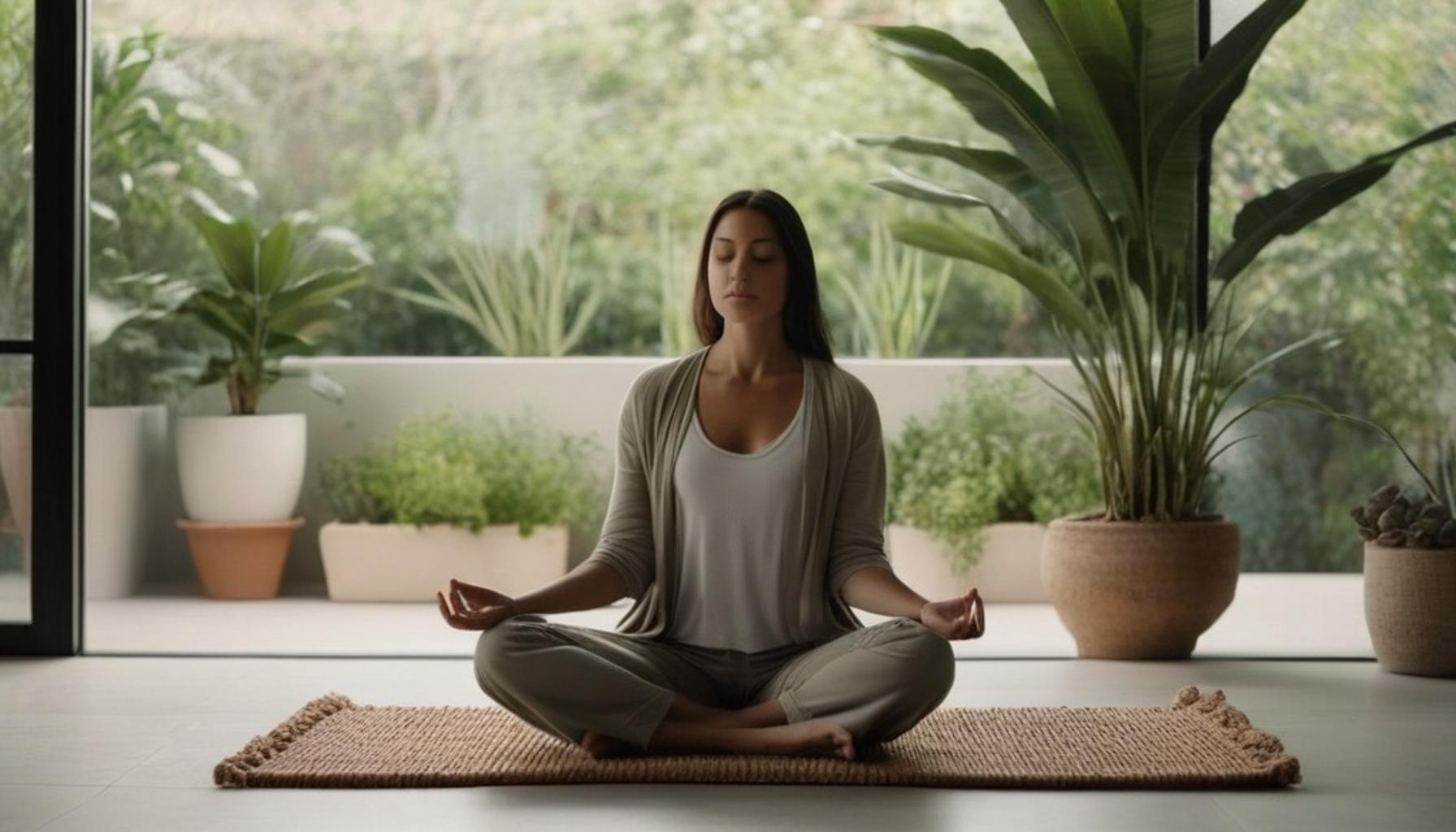
Finding Clarity in a Cluttered World
Americans spend an average of 2.5 hours a day managing physical possessions, according to organizational studies. That’s a significant portion of our day, time that could otherwise be devoted to presence, connection, and calm. In a society that constantly pushes us to acquire more, this statistic highlights a pervasive issue of disconnection—not just from our belongings, but from ourselves and each other.
This is where mindfulness and minimalism intersect in surprisingly powerful ways. By embracing minimalism, we can cultivate mindfulness and create an environment that fosters clarity, focus, and inner peace. This connection is especially crucial in an era where the digital landscape bombards us with information, making it increasingly difficult to find tranquility and balance.
Why This Pairing Matters Now
Stress levels among U.S. adults remain stubbornly high, with the American Psychological Association reporting that 76% of adults experienced health impacts from stress in the past month. In the quest for serenity, many individuals are searching for solutions that extend beyond temporary apps and quick fixes. Instead, they yearn for a more profound sense of mental well-being.
Enter a simpler approach: reducing what surrounds you to sharpen what you notice. A less cluttered environment provides a backdrop for more meaningful experiences and deeper relationships.
- Simple living and mindfulness often go hand-in-hand, creating space for genuine awareness. For example, consider how a minimalist wardrobe simplifies your mornings, allowing you to focus on the day ahead rather than being paralyzed by too many choices.
- Achieving mindfulness through minimalism doesn’t require monk-like discipline—just intentional choices. Even small adjustments, like limiting digital distractions or minimizing excessive social engagements, can lead to remarkable gains in mental clarity.
- The benefits of minimalism on awareness extend beyond tidy closets into mental clarity that enhances all facets of life. Research shows that a tidier space can reduce anxiety, making way for more productive, creative thought processes.
What This Article Explores
This piece unpacks exactly how minimalism enhances mindfulness in everyday American life—from morning routines to weekend habits. Expect practical, evidence-backed strategies rather than vague inspiration. For instance, adopting practices such as mindful eating—where you pay full attention to the experience of eating—can significantly improve dietary choices, leading to both physical health and mental satisfaction.
We will examine specific mindfulness practices for daily life that pair naturally with decluttering, digital minimalism, and intentional living. Real examples from individuals who have integrated these strategies into their lives will be shared, showcasing actionable steps and measurable outcomes. Think of the impact: fewer distractions can mean more time for family, personal hobbies, or simply relaxation after a long day.
Ready to discover how less can genuinely mean more? Join us on this journey towards a clearer mind and a more peaceful existence.
SEE ALSO: The importance of mindfulness in the practice of minimalism
The Science Behind Space and Awareness
Neuroscientists at Princeton University found that visual clutter competes for attention in the brain, reducing our ability to focus and process information efficiently. When researchers removed excess items from a workspace, participants completed tasks faster and reported feeling calmer. This isn’t just tidy-room folklore—it’s measurable cognitive science.
The connection between mindfulness and minimalism makes sense once you understand how the brain processes stimuli. Every object in your field of vision sends a signal that your mind must sort, categorize, and either dismiss or act upon. Multiply that by the average American household, which according to the LA Times contains over 300,000 items, and you begin to see why mental fatigue creeps in before noon.
How Minimalism Enhances Mindfulness in Practice
Consider the kitchen counter test: a cluttered counter filled with mail, gadgets, and miscellaneous items creates a low hum of visual noise every time you walk past it. A cleared counter, by contrast, becomes a small daily reset—a moment where your eyes and mind land on nothing demanding immediate attention.
This is achieving mindfulness through minimalism in its simplest form. You’re not meditating for twenty minutes on a cushion; you’re removing friction so awareness happens naturally, without effort.
- A 2019 study published in the Journal of Environmental Psychology linked cluttered home environments to elevated cortisol levels, particularly among women managing household responsibilities.
- Marketing professionals report that decision fatigue from too many choices—whether in a closet or a grocery aisle—directly diminishes willpower and emotional regulation later in the day.
- Simplified digital environments, such as organized phone home screens with fewer apps, have been shown to reduce phone-checking frequency by nearly 30% in behavioral tracking studies.
Simple Living and Mindfulness as Daily Allies
What makes this pairing so practical for American life is its flexibility. You don’t need to move into a tiny house or own fewer than 100 possessions, as some extreme minimalists advocate. Instead, simple living and mindfulness can be introduced gradually, through targeted changes to the spaces and habits that generate the most mental noise.
Take Sarah Thompson, a marketing manager from Denver, who began by clearing just her nightstand. “I didn’t expect much,” she said, “but that one small surface being empty changed how I felt walking into my bedroom every night.” Small shifts like this illustrate the benefits of minimalism on awareness—proof that clarity often starts in the smallest, most overlooked corners of daily life.

| Key Aspect | Description |
|---|---|
| Clarity of Purpose | Minimalism encourages individuals to identify what truly matters in life, leading to a greater mindfulness practice. This clarity can enhance daily awareness and focus. |
| Stress Reduction | By removing unnecessary clutter, both physical and mental, minimalism significantly lowers stress levels, allowing for clearer minds and better engagement in the present moment. |
| Intentional Living | Adopting a minimalist lifestyle supports intentional choices, enhancing mindfulness by focusing on experiences rather than material possessions, fostering deeper connections. |
| Enhanced Awareness | Practicing mindfulness through minimalism cultivates awareness of the present moment, providing space for reflection and deeper understanding of one’s emotions and thoughts. |
LEARN MORE: Disconnecting from Excess: The Intersection of Minimalism, Mindful Living, and Mental Health
Building Mindfulness Practices for Daily Life Through Minimalist Rituals
Once the science clicks, the next question becomes practical: how do you actually build mindfulness practices for daily life without overhauling your entire home in a weekend? The answer lies in ritual, not renovation.
Behavioral researchers at Duke University found that roughly 40% of daily actions are habitual rather than consciously decided. This means the environments we repeatedly move through—kitchens, cars, home offices—shape our mental state more than any single deliberate choice. Minimalist rituals work by inserting brief, repeatable moments of clarity into these existing routines.
The Morning Reset Method
Many Americans now start their day scrolling through dozens of notifications before their feet hit the floor. A simplified alternative gaining traction involves what productivity coaches call the “reset window”—the first ten minutes after waking, kept intentionally free of screens and clutter.
- Keep the nightstand limited to one or two essential items, reducing visual decisions before the brain is fully alert.
- Place phones in another room overnight, a habit linked to a 25% reduction in morning anxiety according to a 2021 sleep behavior survey.
- Choose one fixed point of focus, such as a window or a single plant, to anchor attention before the day’s demands arrive.
Workspace Minimalism and Sustained Focus
Open-plan offices, now standard in cities like Austin and Seattle, often amplify sensory overload rather than reduce it. Employees surrounded by shared supplies, monitors, and personal items report more frequent attention lapses than those with streamlined desks.
Companies experimenting with minimalist workstations—limiting desk items to a laptop, one notebook, and a water bottle—have observed measurable gains. One internal study at a Chicago-based tech firm noted a 17% increase in reported focus quality after implementing a “clear desk” policy across three departments.
Digital Minimalism as a Gateway to Awareness
Physical space isn’t the only frontier. Achieving mindfulness through minimalism increasingly extends into digital habits, where clutter is invisible but equally draining.
- Unsubscribing from non-essential email lists has been shown to cut daily inbox-checking time nearly in half.
- Turning off non-critical notifications reduces the average person’s phone pickups from 96 times a day to closer to 60, based on mobile behavior tracking data.
- Curating social media feeds to follow fewer, more intentional accounts correlates with lower reported feelings of comparison and distraction.
Together, these small adjustments reinforce a broader pattern: the benefits of minimalism on awareness aren’t confined to physical rooms. They ripple into inboxes, screens, and the invisible mental clutter that shapes how present we feel throughout an ordinary American day.
Rethinking Awareness: What Mindfulness and Minimalism Reveal Together
Strip away the productivity jargon, and a simple truth remains: mindfulness and minimalism are not separate self-improvement trends but two sides of the same practice. One trains attention; the other removes what competes for it. Together, they explain why a decluttered kitchen counter or a phone-free morning can feel disproportionately calming.
Across this discussion, the pattern holds steady. Whether it’s a Duke University finding on habitual behavior, a Chicago office trialing clear-desk policies, or nightstands stripped down to two items, the results point to the same conclusion. Environments engineered for simplicity consistently produce sharper focus and measurably lower stress markers.
What makes this approach compelling for American readers isn’t nostalgia for a simpler past. It’s data-backed relevance to modern overload—96 daily phone pickups, open-plan offices, overflowing inboxes. Simple living and mindfulness aren’t about abandoning modern life but about editing it deliberately.
Understanding how minimalism enhances mindfulness also reframes what “self-care” actually requires. It rarely demands retreats, apps, or expensive routines. Often, it starts with fewer objects, fewer notifications, and fewer decisions before 9 a.m.
For those curious about achieving mindfulness through minimalism, the entry point can be small: one drawer, one inbox filter, one screen-free hour. The broader lesson worth investigating further is how much everyday awareness is shaped not by what we add to our lives, but by what we finally choose to remove.
Frequently Asked Questions
How can practicing minimalism improve my mindfulness?
Practicing minimalism helps eliminate distractions and mental clutter, allowing you to focus more on the present moment. By reducing physical possessions and simplifying your environment, you create space for mindfulness practices, leading to a heightened awareness of your thoughts and feelings.
What are some minimalism techniques to enhance mindfulness?
Techniques such as decluttering your living space, adopting a ‘one in, one out’ policy for possessions, and prioritizing experiences over material goods can enhance mindfulness. These strategies help you develop a more intentional approach to life, fostering deeper connections with your surroundings and experiences.
Can minimalism reduce stress and enhance my mindfulness practice?
Yes, minimalism can significantly reduce stress by creating a more organized and peaceful living environment. A streamlined space promotes mental clarity, which is essential for effective mindfulness practices, allowing you to engage more deeply in meditation, reflection, or simply being present.
How does minimalism relate to daily mindfulness exercises?
Minimalism complements daily mindfulness exercises by allowing more focus on the practice itself without distractions. By minimizing external chaos and reducing the number of tasks on your to-do list, you can dedicate more time and energy to exercises like meditation or mindful breathing.
Is there a specific mindfulness technique that pairs well with minimalism?
One technique that pairs well with minimalism is mindful observation, where you take time to notice and appreciate the simplicity in your environment. Focusing on the beauty of minimalistic design and intentional living can deepen your mindfulness practice and enrich your perspective on daily experiences.
How can I integrate mindfulness and minimalism into my daily routine?
To integrate mindfulness and minimalism into your daily routine, start by setting aside a few minutes each day for mindfulness practice, such as meditation or journaling. At the same time, aim to declutter a small area of your home weekly, creating a serene space that supports your mindfulness efforts and encourages a more deliberate way of living.

Beatriz
Beatriz Johnson is a seasoned minimalist and writer with a passion for simplifying the complexities of personal organization and intentional living. With over a decade of experience in decluttering strategies and mindful consumption, she specializes in topics like space optimization, habit simplification, and sustainable lifestyle choices. Through her work on our website, Beatriz empowers readers to embrace minimalism, reduce mental and physical clutter, and create more meaningful, organized lives in today's fast-paced world.