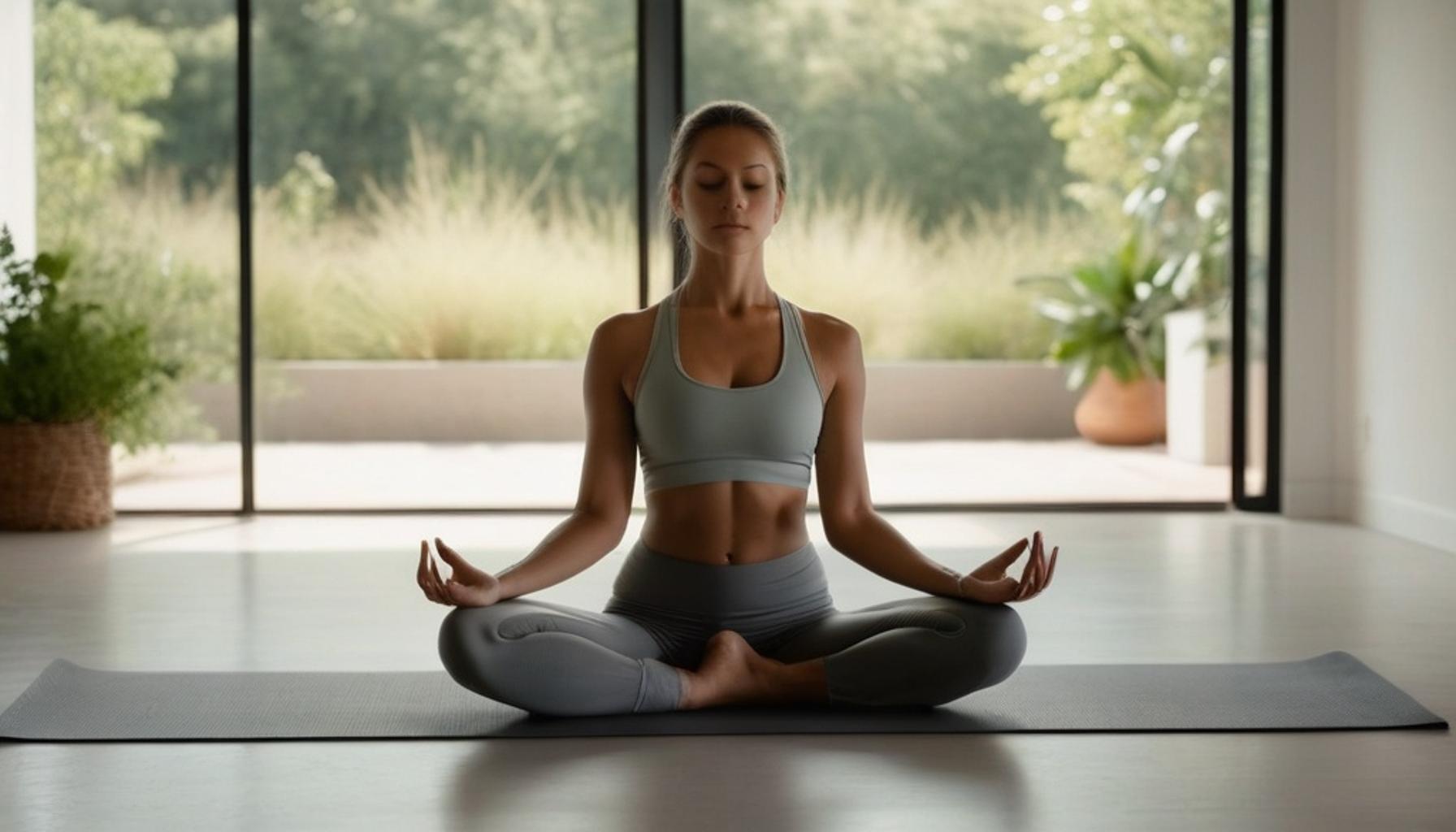
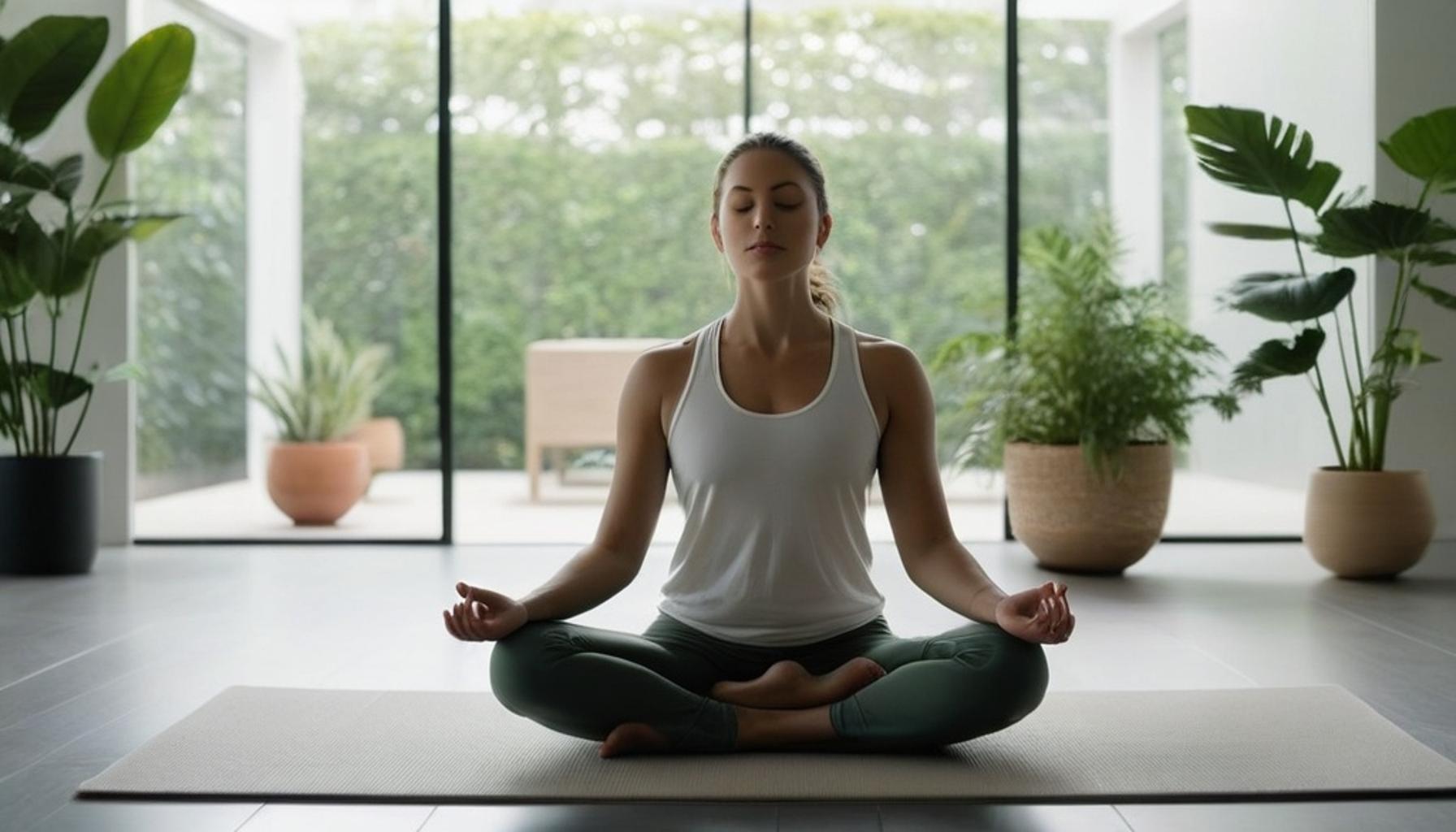
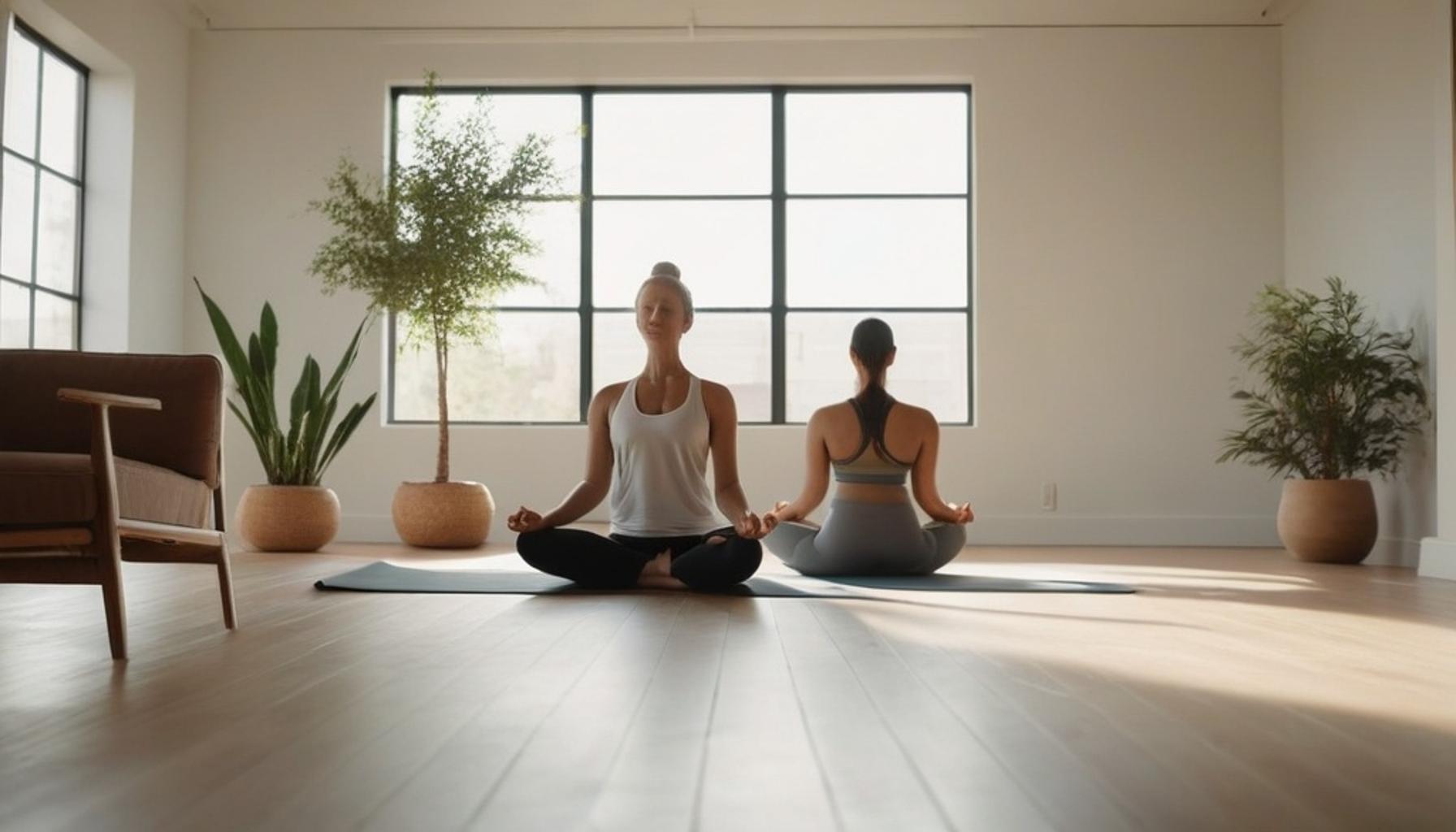
Creating Spaces of Calm: The Intersection of Personal Organization and Mindfulness Practices
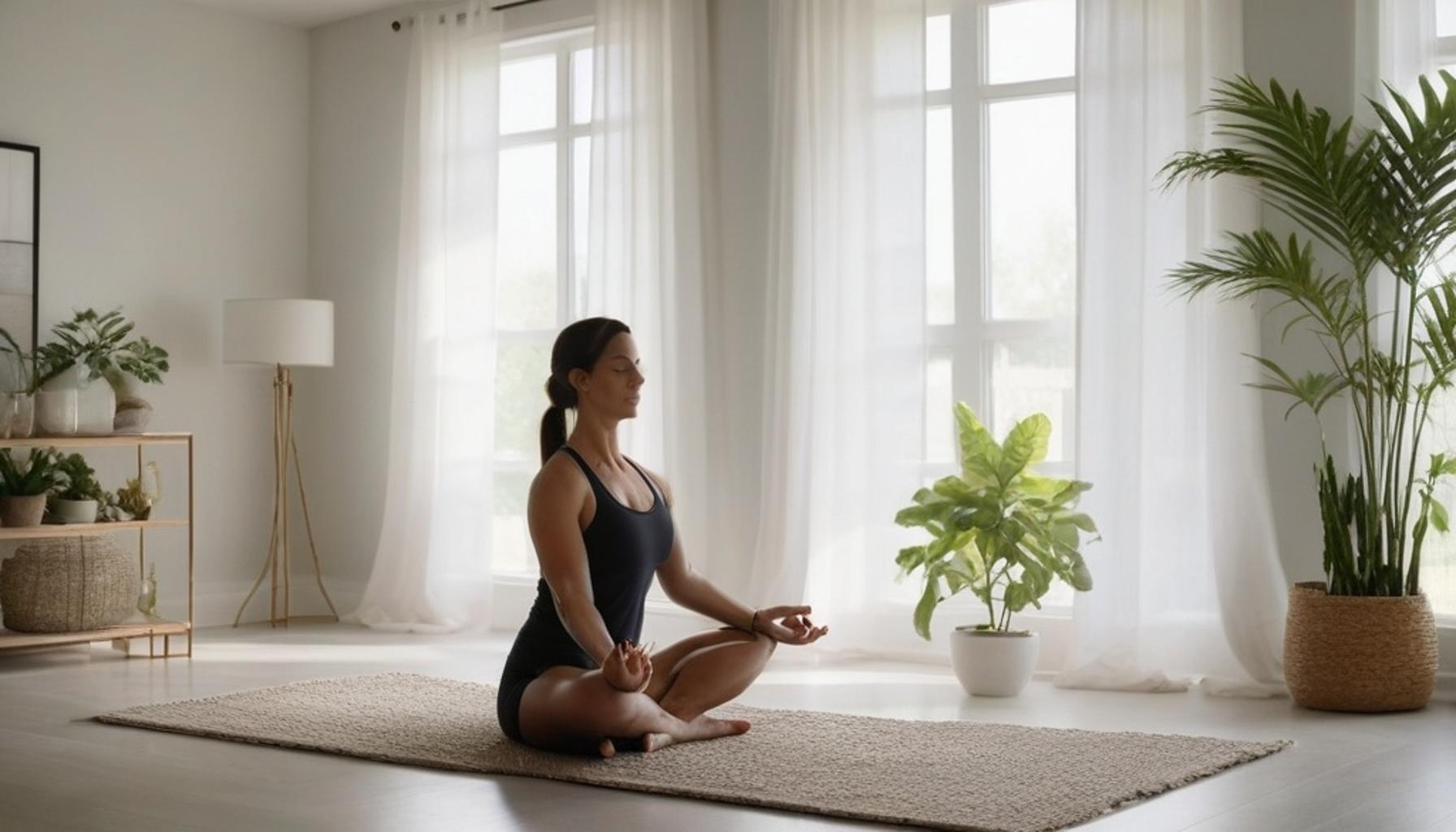
Understanding the Connection Between Clutter and Mental Well-Being
According to research from Pixie, an American home inventory app, people spend an average of 2.5 days per year frantically searching for misplaced items. This staggering statistic reveals a hidden aspect of modern life: the toll that disorganization takes on our mental health. It is not merely an inconvenience but rather a silent source of stress that can affect both productivity and emotional well-being.
A burgeoning movement across the United States is forging a connection between the realms of personal organization and mindfulness. From the bustling streets of Brooklyn to spacious suburban homes in Ohio, individuals increasingly find that the process of tidying up transcends mere aesthetics. It is about fostering a positive mental state and enhancing daily life.
The Science Behind the Trend
Research conducted at Princeton University underscores the cognitive impact of visual clutter. The study reveals that clutter competes for our attention, greatly reducing our ability to focus and process information efficiently. This is where mindfulness practices for organization play a crucial role in mitigating the effects of disarray.
By merging the principles of organization with mindfulness, a holistic approach emerges that can be immensely beneficial:
- Decluttering for mental clarity — Clearing out physical chaos diminishes cognitive load, enabling sharper focus and clearer thinking.
- Mindfulness techniques for stress relief — Engaging in breath work and maintaining awareness while organizing can create a calming effect, softening the psychological impact of chaos.
- Creating calm spaces at home — Designing living environments that prioritize tranquility can significantly contribute to emotional regulation, helping to establish a serene haven amidst the chaos of everyday life.
- Sustainable habits — Building ongoing routines rather than relying on temporary fixes sets the stage for lasting change.
This endeavor is not about attaining an Instagram-worthy minimalist lifestyle; it is about recognizing the intertwined relationship between our physical environment and our mental landscapes. A decluttered space can lead to better sleep quality, reduced anxiety levels, and healthier interpersonal relationships.
By exploring the intersection of personal organization and mindfulness, individuals can unlock a higher quality of life. Implementing these practices can start today, transforming not only your physical space but also your mental outlook.
CHECK OUT: Mental Detox: Organizing Your Life with Mindfulness and Minimalism
The Rise of Mindful Organizing Across American Homes
Walk into any bookstore from Seattle to Miami, and you’ll notice something curious: organizing guides now share shelf space with meditation manuals. This is not a coincidence. Personal organization and mindfulness have become so intertwined that professional organizers are increasingly required to understand emotional regulation, not just storage solutions.
The National Association of Productivity and Organizing Professionals reports a 65% increase in clients seeking “mindful decluttering” services since 2020. This shift reflects a broader cultural recognition that tidying up is fundamentally a psychological act, not just a physical one.
Why Physical Chaos Triggers Mental Chaos
Neuroscientists at UCLA have found that cluttered environments trigger elevated cortisol levels, particularly in women managing households. The brain interprets visual disorder as unfinished business, creating a persistent low-grade stress response that many people don’t even consciously notice.
This explains why decluttering for mental clarity has become such a powerful tool. When physical spaces are simplified, the brain no longer needs to process excess visual information, freeing up cognitive resources for more meaningful tasks.
Consider these findings from behavioral psychology studies conducted across American households:
- Reduced decision fatigue — Organized spaces eliminate dozens of micro-decisions daily, such as searching for keys or choosing among cluttered options.
- Improved emotional regulation — Clear surfaces and defined storage systems correlate with lower reported anxiety levels in home environments.
- Enhanced sleep patterns — Bedrooms free of clutter are associated with falling asleep faster and experiencing fewer nighttime awakenings.
- Stronger sense of control — Organized environments give individuals a tangible sense of agency, especially valuable during periods of external uncertainty.
From Marie Kondo to Mindful Living
While the KonMari method popularized joy-based decluttering nearly a decade ago, today’s approach goes further. It’s no longer just about what to keep, but about how the process itself can become a form of moving meditation.
Organizers in cities like Austin and Portland now incorporate breathing exercises directly into decluttering sessions. Clients are guided to pause, breathe, and assess their emotional response to each item before deciding its fate.
This fusion represents the core of mindfulness practices for organization: transforming a mundane chore into an intentional practice of self-awareness. The result is not simply a tidier home, but a more attuned relationship between individuals and their physical surroundings.
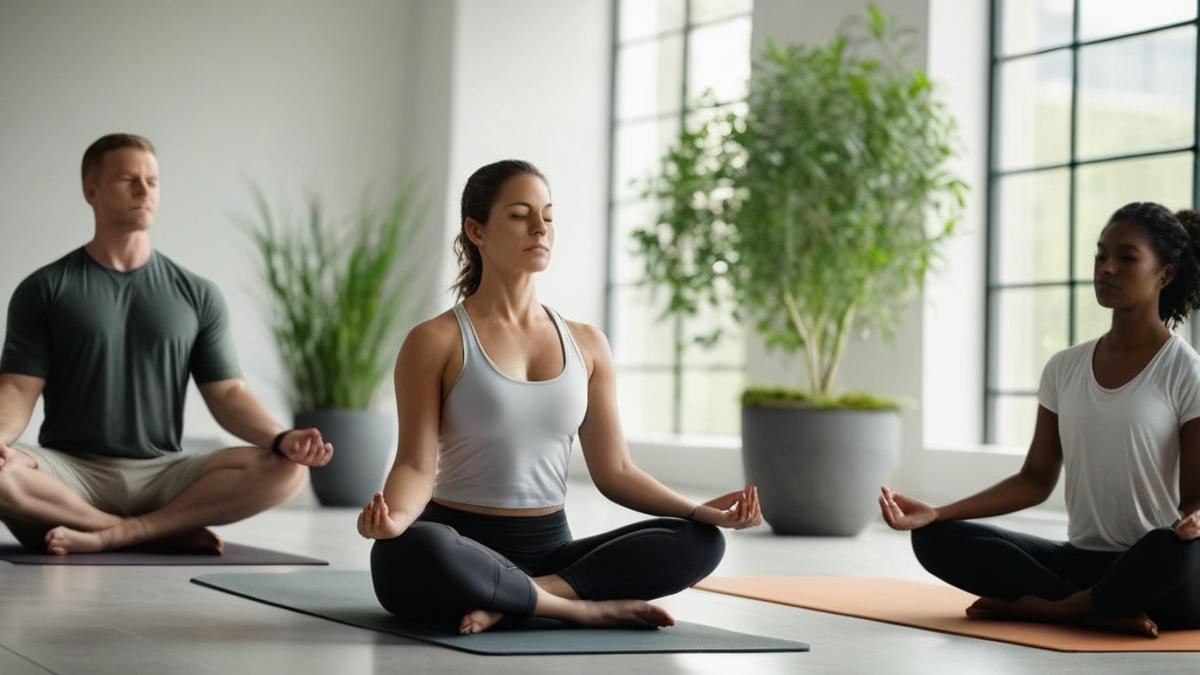
CHECK OUT: The Art of Living with Less: How Minimalism Enhances the Practice of Mindful Living
Designing Physical Spaces That Support Mental Stillness
If the first wave of mindful organizing focused on the act of decluttering, the current movement is turning its attention to something less obvious: the design of the space itself. Homes across the country, from brownstones in Boston to bungalows in San Diego, are being reimagined not just as functional spaces, but as environments engineered for calm.
Interior designers now speak of “sensory load,” a concept borrowed from environmental psychology. Every object, color, and texture in a room contributes to how much mental effort the brain expends just to exist in that space. Reducing this load has become a central pillar of creating calm spaces at home.
The Science Behind Calming Environments
Research from Cornell University’s Department of Design and Environmental Analysis suggests that natural light exposure and organized visual fields can lower blood pressure by measurable amounts within minutes of entering a room. This isn’t abstract wellness talk, it’s quantifiable physiology.
Several design principles have emerged from this research, and they’re now standard recommendations among professional organizers nationwide:
- Negative space matters — Empty surfaces, such as an uncluttered kitchen counter, give the eyes a place to rest, reducing overall stimulation.
- Zoning by function — Assigning specific purposes to specific areas, like a reading nook separate from a workspace, helps the brain transition between mental states more smoothly.
- Sensory consistency — Limiting color palettes and material types within a room minimizes the subconscious processing required to interpret the environment.
- Intentional lighting — Warm, adjustable lighting has been linked to lower cortisol readings compared to harsh overhead fluorescents common in older American homes.
Mindfulness Techniques That Reinforce Organized Living
Beyond physical design, a growing number of Americans are pairing their organizational habits with structured mindfulness techniques for stress relief. This isn’t limited to meditation apps or yoga studios anymore, it’s showing up in everyday household routines.
Take the “five-minute reset,” a practice gaining traction in cities like Chicago and Denver. Before bed, individuals spend five minutes returning items to their designated places while practicing slow, deliberate breathing. Occupational therapists report that clients who adopt this habit describe falling asleep with less racing thoughts.
Similarly, some professional organizers now recommend a “one-touch rule” combined with mindful attention: handle an object once, decide its fate immediately, and notice any resistance or attachment that arises. This small shift transforms routine tidying into a genuine exercise in self-observation.
What ties these approaches together is a recognition that personal organization and mindfulness are not separate disciplines competing for attention, but complementary practices that reinforce one another. A well-designed shelf means little without the awareness to maintain it, just as meditation alone rarely addresses the chaos of an overflowing closet.
Bringing It All Together: A Calmer Way of Living
Across the country, a quiet shift is taking place in how Americans think about their homes. What began as a simple desire to clear clutter has evolved into something more profound: a genuine partnership between personal organization and mindfulness that reshapes daily experience from the inside out.
The evidence points in one clear direction. Whether it’s Cornell researchers measuring blood pressure changes in tidy rooms or occupational therapists tracking sleep improvements after a five-minute reset, the message is consistent: our physical surroundings and our mental states are deeply intertwined, not separate concerns to be addressed one at a time.
Practical Takeaways for Everyday Life
For readers looking to apply these insights, a few core principles stand out:
- Start small — A single reset ritual or one decluttered surface can build momentum toward larger change.
- Pair action with awareness — Combining tidying with breathwork or mindful attention deepens the benefit beyond simple organization.
- Design for function, not perfection — Zoning spaces by purpose matters more than achieving a flawless aesthetic.
The benefits of personal organization extend well beyond tidiness, touching sleep quality, stress hormones, and even blood pressure. Meanwhile, decluttering for mental clarity proves most effective when paired with intentional awareness rather than treated as a one-time chore.
As more households from Seattle to Miami experiment with these overlapping practices, one thing becomes increasingly clear: creating calm spaces at home isn’t a trend confined to design magazines or wellness retreats. It’s a practical, evidence-backed response to the sensory overload of modern life.
Perhaps the most compelling takeaway is this: calm isn’t something we simply find, it’s something we actively build, one shelf, one breath, and one mindful choice at a time.
Frequently Asked Questions
How can personal organization enhance my mindfulness practices?
Personal organization can create a clutter-free environment, which is essential for maintaining focus during mindfulness practices. By organizing your space and time effectively, you can minimize distractions and allow for a deeper connection with the present moment.
What are some simple personal organization techniques that promote mindfulness?
Techniques like decluttering, using a planner, and setting designated spaces for specific activities can promote mindfulness. These practices help you establish a routine and create an atmosphere that fosters calmness and clarity.
Can mindfulness practices help improve my personal organization skills?
Yes, mindfulness practices can enhance your personal organization skills by improving your focus and decision-making abilities. By becoming more aware of your thoughts and emotions, you can better address areas of disorganization and prioritize tasks more effectively.
How do I create a calming space for both organization and mindfulness?
To create a calming space, start by selecting a quiet area free from distractions and clutter. Incorporate elements like soft lighting, calming colors, and personal items that inspire tranquility, while ensuring that everything has a designated place to enhance both organization and mindfulness.
Are there specific mindfulness techniques that can be practiced while organizing?
Yes, techniques like mindful breathing and the body scan can be integrated into your organizing tasks. By focusing on your breath and tuning into physical sensations as you declutter or arrange items, you can transform a mundane task into a mindful practice.
What role does self-reflection play in personal organization and mindfulness?
Self-reflection allows you to assess your current organizational habits and identify stressors in your environment. By regularly reflecting on your needs and feelings, you can adjust your organization strategies to create a more harmonious space that supports your mindfulness journey.

Beatriz
Beatriz Johnson is a seasoned minimalist and writer with a passion for simplifying the complexities of personal organization and intentional living. With over a decade of experience in decluttering strategies and mindful consumption, she specializes in topics like space optimization, habit simplification, and sustainable lifestyle choices. Through her work on our website, Beatriz empowers readers to embrace minimalism, reduce mental and physical clutter, and create more meaningful, organized lives in today's fast-paced world.