The Importance of Reducing Clutter in Mental Health: How Minimalism Can Transform Your Space and Your Life
The Hidden Toll of Cluttered Spaces on Mental Wellness
Americans allocate an astonishing $11 billion annually to varied storage solutions, such as bins, closets, and facilities designed to hold extra belongings. Yet, despite this financial investment, clutter continues to accumulate in homes across the United States. More than just an eyesore, this growing mountain of possessions exerts a profound, often unnoticed, influence on mental health.
Research reveals a significant link between addressing clutter and improved mental health outcomes. For example, studies demonstrate that clutter can elevate stress hormone levels, making individuals feel more anxious and overwhelmed. This turmoil disrupts not only sleep patterns but also impairs decision-making abilities, creating a detrimental cycle that may seem overwhelming.
The Hidden Cost of Excess Stuff
Consider how clutter infiltrates daily life:
- Elevated cortisol levels are associated with chronic exposure to visual chaos found in disorganized living spaces.
- Difficulty concentrating on essential tasks may arise, leading to decreased productivity and a sense of frustration.
- Individuals often experience increased feelings of anxiety and overwhelm when surrounded by clutter, resulting in mental fatigue.
- Relaxation becomes elusive, as the mind struggles to find peace amid a disordered environment.
These issues transcend anecdotal evidence; scholarly research from institutions like UCLA has documented how the impact of clutter on mental health can drastically alter brain function, affecting emotional regulation and overall cognitive processes. For instance, a recent study indicated that individuals living and working in disorganized environments reported higher levels of fatigue, leading to burnout more quickly than those in streamlined, orderly spaces.
Enter Minimalism: A Path Forward
Amidst this clutter crisis, minimalism gains traction, not merely as a trendy aesthetic choice but as a genuine strategy for cultivating mental clarity and achieving emotional stability. The benefits of minimalism for mental health are increasingly acknowledged by therapists and wellness experts who promote its principles as a solution to disarray and anxiety.
So, how does decluttering improve mood? Embracing minimalist principles can create space for clarity and reduce the cognitive load associated with excess possessions. Imagine a home where every item serves a unique purpose, allowing for a sense of control and achievement. Many individuals report transformative experiences after adopting these practices, citing enhanced focus and a renewed sense of peace in their environments.
With practical strategies available, including setting aside ten minutes each day for decluttering or employing the “one in, one out” rule, individuals can embark on a journey toward a more fulfilling life. This exploration of minimalism may unveil not only the science behind these claims but also the profound life changes that come from embracing less to gain more.
LEARN MORE: Practical Strategies for Reducing Clutter in Small Spaces
The Science Behind Clutter and Your Brain
Neuroscientists at Princeton University uncovered something striking: when they observed participants completing tasks in cluttered versus organized environments, visual clutter competed for attention in the brain, restricting the ability to focus and process information efficiently. This isn’t mere semantics about tidiness; it’s deeply intertwined with our cognitive capacity, a concept often referred to as cognitive bandwidth.
Every object left unattended—whether it’s socks on the floor, stacks of unread mail, or a chaotic workspace—sends a subtle but persistent signal to the brain that tasks remain unfinished. When we multiply this across numerous surfaces throughout a home, the mental toll compounds quickly, creating an overwhelming psychological burden. The implications of this phenomenon help explain why the discussion around reducing clutter in mental health has gained traction among psychologists and wellness professionals alike.
What Happens Inside a Cluttered Mind
The connection between physical space and psychological state isn’t merely abstract theory; it manifests in tangible ways that many Americans experience in their daily lives without realizing the underlying causes:
- Constant visual reminders of undone tasks trigger a persistent low-grade stress response that rarely switches off. This constant stress can drain energy and focus, making it challenging to tackle even simple daily tasks.
- Decision fatigue can increase dramatically when closets, drawers, and countertops overflow with choices and disorganization, leading to a paralyzing effect where one feels overwhelmed by the sheer number of options.
- Sleep quality often suffers when bedrooms double as storage zones laden with unfinished projects or excess belongings, resulting in a restless night as thoughts stray to what remains undone.
- Social withdrawal can set in when embarrassment about a messy home prevents individuals from inviting friends or family over, leading to feelings of isolation and loneliness.
A 2011 study published in the Journal of Neuroscience emphasized that clutter doesn’t just distract; it actively competes with the brain’s processing resources, which reduces overall efficiency and increases irritability. When this disarray becomes a daily background noise over months or years, the cumulative impact of clutter on mental health grows far more serious than what may be perceived as a simple nuisance.
Consider the average American garage, often cited as a classic symbol of accumulated excess. According to a survey by the University of California, Los Angeles, roughly one in four garages nationwide are so jammed with stored items that they cannot accommodate a vehicle. This isn’t solely a spatial issue; it reflects a broader behavioral pattern of accumulation that psychologists link to unresolved stress, avoidance behaviors, and even experiences of grief due to loss.
Understanding this connection sets the stage for a deeper inquiry: if clutter can gradually erode mental well-being, can its opposite—intentional minimalism—actively promote recovery? Emerging research appears to support this notion, indicating that embracing minimalism and mental clarity can revitalize mental health. This line of inquiry not only challenges the prevailing consumerist mindset but also invites individuals to reevaluate their relationship with material possessions. As minimalism gains popularity as a lifestyle choice, its potential benefits beckon a closer look at how living with less might translate to living more fully.
In exploring this intricate relationship between clutter and mental health, one begins to see the value of cultivating an organized space—not just as an aesthetic choice but as a vital component of psychological wellness. Delving into minimalism is more than just a trend; it confronts the deeply ingrained habits of excess that affect mental clarity and emotional well-being, thereby offering new pathways toward a healthier, more balanced life.

CHECK OUT: Practical Strategies for Reducing Clutter: Minimalist Organization Tips for Every Room in the House
How Decluttering Improves Mood and Rewires Daily Habits
If clutter drains cognitive resources, the reverse process appears to replenish them. Researchers at UCLA’s Center on Everyday Lives of Families found that women who described their homes using words like “cluttered” or “chaotic” showed elevated cortisol levels throughout the day, compared to those who used words like “restful” or “restorative.” This finding offers compelling evidence for how decluttering improves mood—it’s not just a feeling of accomplishment, but a measurable biochemical shift.
The process of removing excess doesn’t require an all-or-nothing overhaul. Behavioral therapists who study habit formation note that small, consistent decluttering actions create what’s known as a “success loop.” Clearing a single drawer or countertop delivers a quick psychological reward, which then motivates continued action elsewhere in the home.
Practical Starting Points Backed by Research
Mental health professionals and organizational experts increasingly recommend structured approaches rather than vague intentions to “get organized someday.” Some of the most effective strategies include:
- The five-minute rule, where individuals commit to just five minutes of tidying daily, lowering the barrier to entry and preventing the overwhelm that often stalls larger decluttering projects.
- The one-in-one-out method, which requires releasing an existing item whenever a new one enters the home, curbing the accumulation cycle before it restarts.
- Digital decluttering, addressing overflowing email inboxes and disorganized phone storage, which studies suggest contributes to mental fatigue in ways similar to physical clutter.
- Designated “landing zones” near entryways, reducing the daily scramble for keys, mail, or bags that often triggers morning stress.
A 2016 study from the Journal of Environmental Psychology found that individuals who described their living spaces as organized were more likely to report higher life satisfaction and lower levels of depression and fatigue. This supports the growing body of evidence around minimalism and mental clarity, suggesting that the benefits extend beyond aesthetics into genuine emotional resilience.
The Financial and Emotional Cost of Excess
Beyond mental strain, clutter carries a real financial burden that many Americans underestimate. The average U.S. household contains roughly 300,000 items, according to the Los Angeles Times, and the self-storage industry—valued at over $40 billion nationally—has grown substantially as people pay monthly fees to store possessions they rarely use.
This pattern reveals something deeper than simple disorganization. Psychologists studying acquisition behavior note that excess often stems from emotional attachment, fear of scarcity, or difficulty processing loss. Recognizing these underlying drivers is often the first step toward meaningful change.
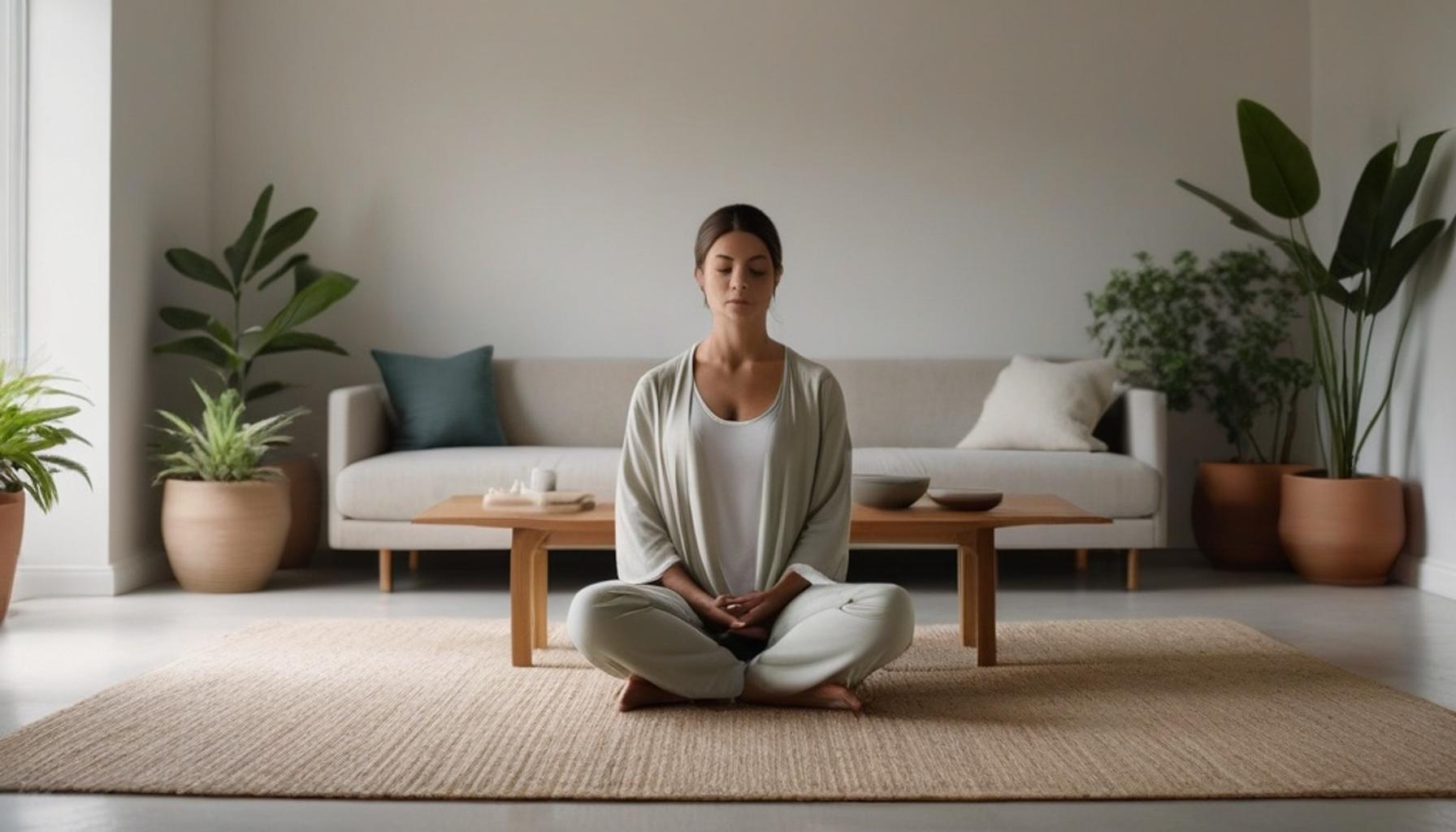
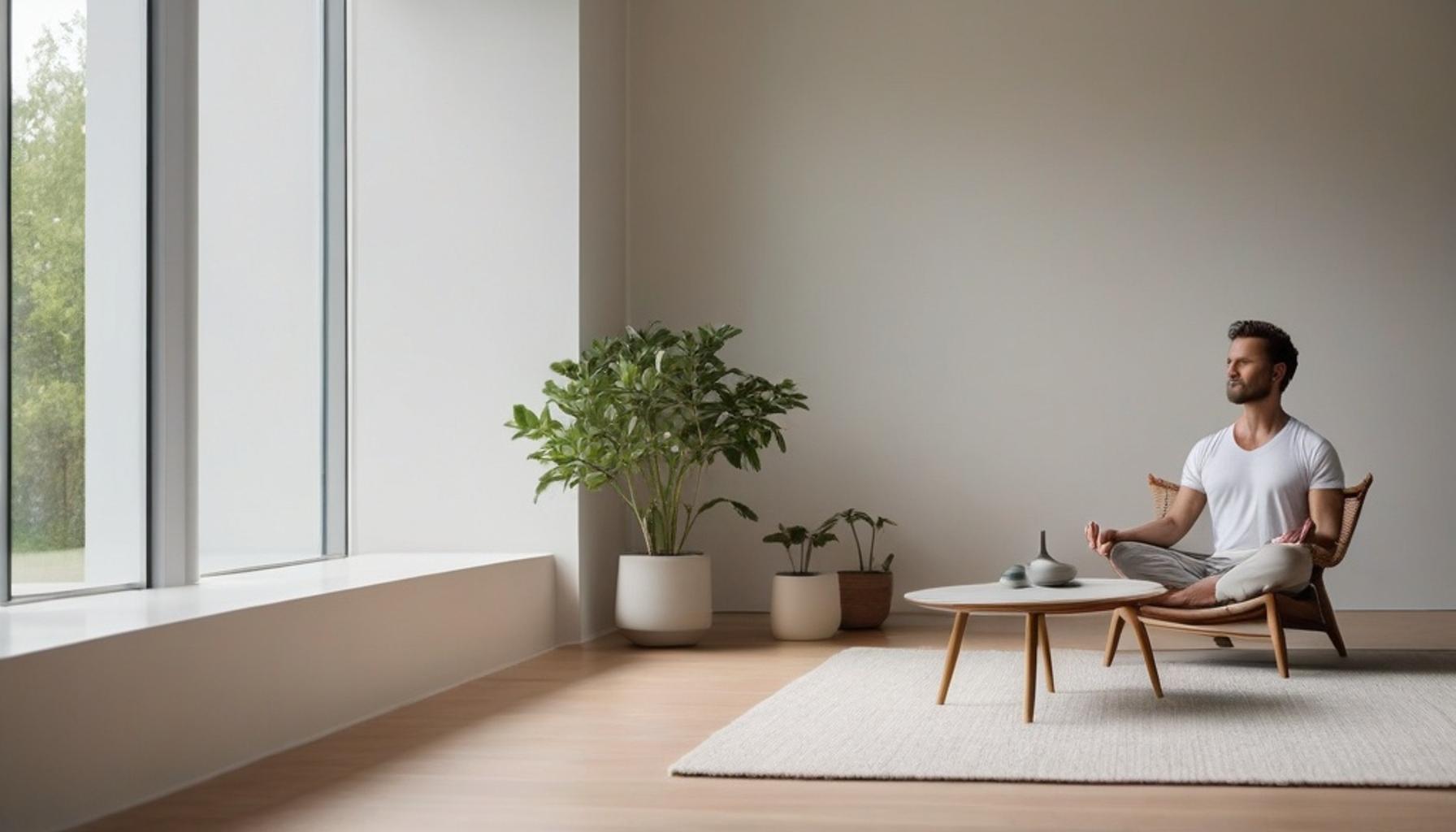
For many, embracing minimalism isn’t about stark, empty rooms devoid of personality. Instead, it’s about intentional curation—keeping what serves a purpose or brings genuine joy while releasing the rest. This distinction matters for anyone hoping to transform your life with minimalism without feeling deprived or restricted in the process.
LEARN MORE: The Journey of Letting Go: How Decluttering Can Free Your Creativity and Productivity
Rethinking the Space You Call Home
The evidence is difficult to ignore. From elevated cortisol levels to measurable drops in life satisfaction, the impact of clutter on mental health extends far beyond a messy countertop or an overstuffed closet. It shapes brain function, emotional regulation, and even financial decision-making in ways that many Americans have never paused to consider.
What makes reducing clutter in mental health conversations so compelling is the accessibility of the solution. Unlike many wellness interventions that require significant time, money, or specialized guidance, decluttering starts with something as simple as a junk drawer or a neglected inbox. The five-minute rule, the one-in-one-out method, and designated landing zones aren’t abstract theories—they’re practical entry points anyone can test this week.
The benefits of minimalism for mental health also challenge a cultural narrative that equates accumulation with success. Owning less doesn’t mean settling for less; it means making room—literally and psychologically—for what actually matters. This reframing may be the most valuable takeaway for readers who assume minimalism requires sacrifice rather than intention.
Looking ahead, researchers continue investigating how environment and mental health intersect, particularly as remote work blurs the boundaries between living space and workspace. Given that clutter’s effects on cognition and mood are increasingly well-documented, it’s worth asking: how might your own space be shaping your stress levels, focus, or sleep quality?
Ultimately, the science suggests that a single afternoon spent clearing a room could ripple outward, influencing mood, productivity, and even relationships. For anyone ready to transform your life with minimalism, the path forward doesn’t demand perfection—just a willingness to start, one drawer, one shelf, one decision at a time.
Frequently Asked Questions
How does reducing clutter in mental health benefit emotional well-being?
Reducing clutter can significantly enhance emotional well-being by creating a more peaceful and serene environment. A clutter-free space reduces feelings of anxiety and stress, allowing for clearer thinking and improved focus. This can lead to greater emotional stability and a more positive outlook on life.
Can minimalism improve my daily productivity and focus?
Yes, adopting minimalism through reducing clutter can greatly enhance your daily productivity and focus. A tidy environment minimizes distractions and helps streamline tasks, making it easier to concentrate on what truly matters. By removing unnecessary items, you’re better able to prioritize and stay organized.
What practical steps can I take to start reducing clutter for better mental health?
To start reducing clutter for better mental health, begin by decluttering one room or area at a time. Set aside specific times for sorting through belongings, distinguishing between items to keep, donate, or discard. Creating a simple organizational system can also help maintain a minimalist space moving forward.
Is there a link between reducing clutter and decreased anxiety levels?
Absolutely, there is a strong link between reducing clutter and decreased anxiety levels. Clutter can create feelings of overwhelm, while a minimalist environment promotes calmness and relaxation. Many individuals report feeling less stressed and more in control after simplifying their spaces.
How can I maintain a clutter-free environment to support my mental health long term?
To maintain a clutter-free environment, establish a regular decluttering routine, ideally setting aside time weekly or monthly to reassess your space. Implement the ‘one in, one out’ rule to prevent accumulation by ensuring that every new item brought into your space replaces an existing one. Additionally, regularly assess your belongings and let go of items that no longer serve a purpose in your life.

Linda Carter
Linda Carter is a writer specializing in minimalism and personal organization. With extensive experience helping readers create more functional and balanced routines, she shares practical advice on decluttering, organizing spaces, simplifying daily tasks, and making more intentional choices. Her goal is to offer clear guidance and accessible strategies that help people reduce excess, improve their surroundings, and enjoy a calmer, more organized lifestyle.