Maximizing Small Spaces: Creative Solutions for Minimalist Living
Shaping a New Way of Living
Across the United States, the average new apartment has shrunk to just 887 square feet, according to recent housing data. As rents in cities like New York and San Francisco continue to rise uncontrollably, this trend has prompted millions of Americans to reconsider how they live, store, and decorate within increasingly tighter spaces. The reality of today’s housing landscape has underscored the need for innovative solutions that maximize every square inch of living area.
The good news is that maximizing small spaces doesn’t require sacrificing comfort or personal style. With thoughtful strategies and creative approaches, even a modest 400-square-foot studio can be transformed into an open, functional, and distinctly personalized sanctuary. The art of living large in small spaces is now more accessible than ever.
Why Minimalist Living Is Gaining Ground
Minimalist living has evolved from a mere aesthetic trend to a practical necessity for many. Both renters and homeowners are discovering that intentional design not only solves issues related to limited space but also enhances overall well-being by reducing visual and mental clutter. A study from the National Association of Realtors indicates that over half of Americans now prefer smaller homes that promote a simpler lifestyle.
This growing movement is driven by several vital principles:
- Space-saving furniture that adapts to multiple functions throughout the day, like a sofa bed that offers seating by day and a comfortable sleeping area by night.
- Creative storage solutions cleverly integrated into walls, under beds, and beneath stairs, allowing for efficient use of every inch, such as nesting tables or ottomans that double as storage units.
- Vertical organization techniques that draw the eye upward, utilizing wall shelves and tall bookcases to free up floor space and create an illusion of height in the room.
- Decluttering methods, such as the “one in, one out” rule, which prioritizes function and necessity over accumulation, allowing spaces to breathe and enhancing their appeal.
What This Guide Covers
Decorating small apartments successfully requires a blend of strategic thinking and personal style. Below, you’ll find proven methods for small space organization that both homeowners and professional designers advocate.
From selecting multi-purpose furniture to implementing clever lighting tricks that visually expand a room, each solution is designed for immediate, practical application without the need for major renovations. By adopting these strategies, individuals can create an environment that not only looks good but also works harmoniously for their lifestyle. Exploring alternatives, like using mirrors to enhance light or incorporating plants for a touch of nature, further contributes to a well-rounded approach that celebrates the beauty of compact living.
YOU MAY ALSO LIKE: Transforming Cluttered Areas: Innovative Techniques for a Minimalist Home
Furniture That Works as Hard as You Do
When square footage is at a premium, every piece of furniture should justify its footprint. Interior designers across the country increasingly champion the idea that space-saving furniture is the cornerstone of any successful compact layout. A Murphy bed that folds into a wall unit, for instance, can free up nearly 40 square feet of floor space during the day—enough room for a home office or a yoga mat.
This shift toward multi-functional pieces isn’t just about clever engineering; it reflects a broader change in how Americans define comfort. Instead of asking “does it look nice?” shoppers are now asking “what else can it do?” That single question is reshaping furniture design nationwide, from IKEA’s expanding modular collections to boutique makers specializing in convertible pieces.
Popular Space-Saving Furniture Choices
Homeowners tackling decorating small apartments often gravitate toward a handful of tried-and-true furniture types. These choices consistently deliver the best balance between function and style:
- Extendable dining tables that shrink to a narrow console when not hosting guests, then expand to seat six during dinner parties.
- Loft beds with built-in desks or storage drawers underneath, ideal for studio apartments where every corner counts.
- Modular sectionals that can be rearranged into different configurations depending on the day’s needs, from movie nights to guest accommodations.
- Wall-mounted folding desks that tuck away completely when work hours end, restoring open floor space instantly.
Beyond individual furniture pieces, the broader strategy behind minimalist living ideas emphasizes intentionality. Rather than filling a room with items “just in case,” designers recommend selecting only pieces that serve a clear, recurring purpose. This approach naturally reduces clutter while making rooms feel more spacious than their actual dimensions suggest.
Data from furniture retailers backs this trend: sales of convertible and modular furniture have risen by double digits over the past three years, according to industry reports. This surge signals that Americans, particularly in dense urban markets like Boston, Chicago, and Los Angeles, are actively seeking solutions rather than simply tolerating cramped conditions.
Ultimately, choosing the right furniture is not about compromise—it’s about maximizing potential. A well-chosen ottoman with hidden storage or a nesting coffee table can quietly perform the work of three separate items, proving that thoughtful design choices are often more effective than square footage alone.
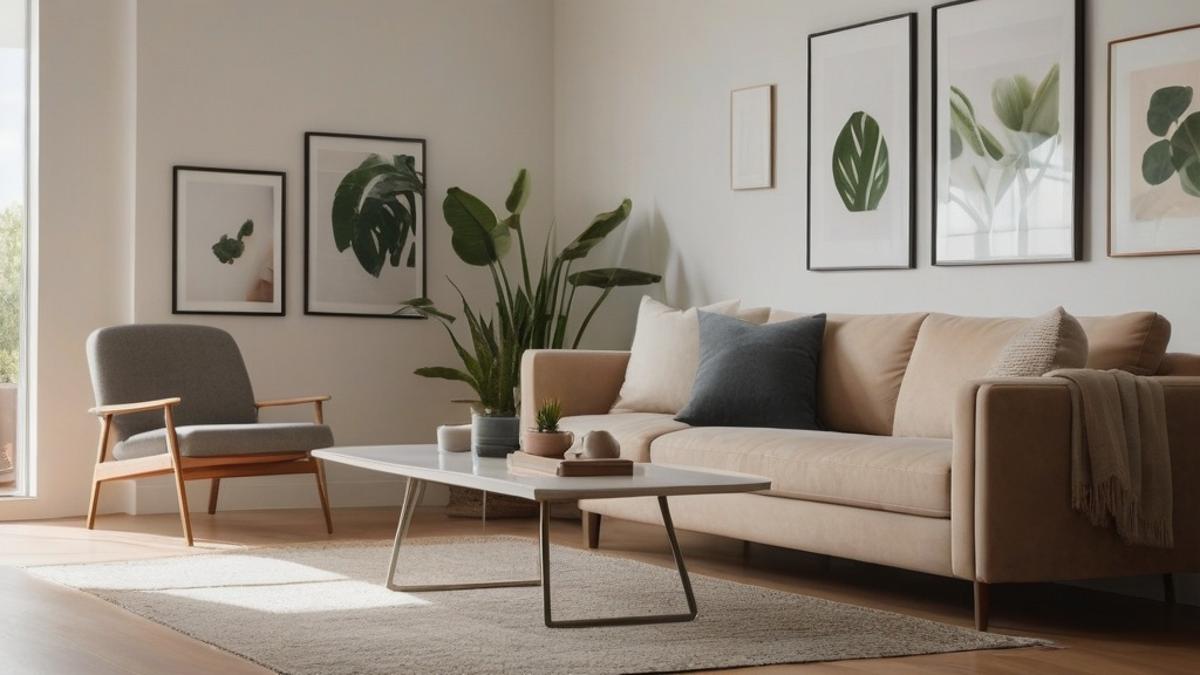
YOU MAY ALSO LIKE: The Art of Decluttering: How Space Optimization Enhances Personal Organization
Vertical Thinking: The Secret Weapon for Compact Rooms
Floor space may be limited, but walls rarely reach their full potential. Designers pursuing genuine small space organization increasingly look upward, treating vertical real estate as prime territory rather than an afterthought. A single wall fitted with floor-to-ceiling shelving can store the same volume as a bulky bookcase while occupying a fraction of the footprint.
This vertical mindset has become one of the most reliable creative storage solutions for renters and homeowners alike. Cities like New York and San Francisco, where studio apartments average under 500 square feet, have become unofficial testing grounds for these techniques. Residents there have popularized pegboard kitchen walls, ceiling-mounted bike racks, and stackable closet systems that maximize every inch above eye level.
Everyday Techniques That Deliver Real Results
Several vertical strategies have proven especially effective for households committed to Maximizing Small Spaces without sacrificing style:
- Tension rod dividers installed inside cabinets to create double-decker storage for plates, cutting boards, or linens.
- Hanging planters and wall-mounted herb gardens that bring greenery indoors without consuming counter or floor space.
- Over-the-door organizers repurposed for pantry goods, cleaning supplies, or shoes, turning overlooked surfaces into functional storage.
- Floating shelves above doorways, a spot most homeowners never consider despite offering several square feet of usable space.
Closets, too, are undergoing a quiet revolution. Professional organizers report that reconfiguring a standard closet with double hanging rods and vertical shoe racks can increase usable storage by up to 50 percent, all without expanding the closet’s physical dimensions.
Color, Light, and Illusion: Designing Rooms to Feel Bigger
Physical storage solves half the equation; perception solves the rest. Interior designers frequently point to color palettes and lighting choices as underrated tools for decorating small apartments so they feel airier than their square footage suggests.
Light, neutral tones—soft whites, pale grays, gentle beiges—reflect natural light and visually push walls outward. Mirrors placed strategically opposite windows can amplify this effect further, doubling the perceived depth of a room without any construction involved.
Lighting layers matter just as much. Rooms relying solely on a single overhead fixture tend to feel flat and boxed in, while spaces incorporating floor lamps, under-shelf LED strips, and dimmable sconces create depth and warmth. This layered approach is a favorite among proponents of minimalist living ideas, since it enhances ambiance without adding visual clutter.
Together, these visual strategies complement furniture and storage upgrades, proving that maximizing a small space is as much about perception as it is about square footage.
Bringing It All Together: A Smarter Way to Live Small
The evidence is clear: Maximizing Small Spaces is not about sacrifice, but about strategy. From multi-functional furniture to vertical shelving and thoughtful lighting, every technique explored throughout this article points to a single truth—square footage matters less than how intelligently that footage is used.
Households across the United States, from cramped Boston brownstones to compact Los Angeles bungalows, are proving that small space organization is achievable without expensive renovations. A few tension rods, a gallon of pale paint, or a well-placed mirror can transform a cramped room into something that feels open and intentional.
Key Takeaways for Minimalist-Minded Homeowners
- Treat vertical walls as valuable storage real estate, not empty backdrops.
- Space-saving furniture like fold-down desks and nesting tables can eliminate the need for separate, single-purpose pieces.
- Color and light are free tools that instantly influence how large a room feels.
- Creative storage solutions, from pegboards to over-the-door organizers, often outperform costly custom cabinetry.
What emerges from these strategies is more than a design trend—it is a practical philosophy. Minimalist living ideas encourage residents to ask harder questions about what they truly need, rather than simply how to fit more into less.
As urban rents climb and housing sizes shrink nationwide, the demand for smart, adaptable interiors will only grow. Those willing to experiment with decorating small apartments using the methods outlined here are likely to find that limited square footage is far less limiting than it first appears. Sometimes, less truly does deliver more.
Frequently Asked Questions
What are some furniture options that are best for maximizing small spaces?
Choosing multi-functional furniture is key in small spaces. Look for items like sofa beds, coffee tables with storage, and foldable dining tables to optimize your area. Additionally, consider vertical storage solutions such as wall-mounted shelves to keep the floor space open.
How can I create the illusion of more space in a small apartment?
To create the illusion of a larger space, use light colors for walls and furniture, which can help reflect light. Incorporating mirrors is another effective trick; they not only make a room feel bigger but also add depth. Keeping window treatments light and airy can also enhance that open feel.
What are some clever storage ideas for small kitchens?
For small kitchens, use vertical space by installing shelves above countertops and utilize the insides of cabinet doors for additional storage. Consider pegboards for hanging utensils or pots, and investing in stackable containers can help keep countertops clutter-free while maximizing storage efficiency.
Can plants be included in small living spaces without making them feel cramped?
Yes, plants can enhance the atmosphere of small living spaces without feeling overwhelming. Opt for small potted plants or hanging planters that use vertical space. Additionally, consider wall-mounted planters or trailing plants that don’t take up floor space but add greenery and a fresh touch to your home.
How do I choose a color scheme that maximizes a small living area?
For small living areas, stick to a light and cohesive color palette to create a sense of continuity, which can make the room feel larger. Neutrals like whites, beiges, and pale tones are great base colors, and you can add pops of color through decor items or artwork to maintain interest without overwhelming the space.
What organizational tips can I use to keep a small space clutter-free?
Regularly declutter and assess your belongings to ensure you only keep items you truly need or cherish. Use clear storage bins to easily identify contents and maintain organization. Being intentional about how you display decorative items can also help reduce clutter while showcasing your style.

Linda Carter
Linda Carter is a writer specializing in minimalism and personal organization. With extensive experience helping readers create more functional and balanced routines, she shares practical advice on decluttering, organizing spaces, simplifying daily tasks, and making more intentional choices. Her goal is to offer clear guidance and accessible strategies that help people reduce excess, improve their surroundings, and enjoy a calmer, more organized lifestyle.