Functional Organization: Creating Minimalist Work Environments with Minimal Resources
As the landscape of work continues to evolve across the United States, we are witnessing a notable transformation in how and where people choose to work. This change is not just a minor trend; it’s a fundamental shift in mindset towards Functional Organization. This approach favors efficiency and simplicity, leading to more productive work environments characterized by minimal clutter and maximal utility.
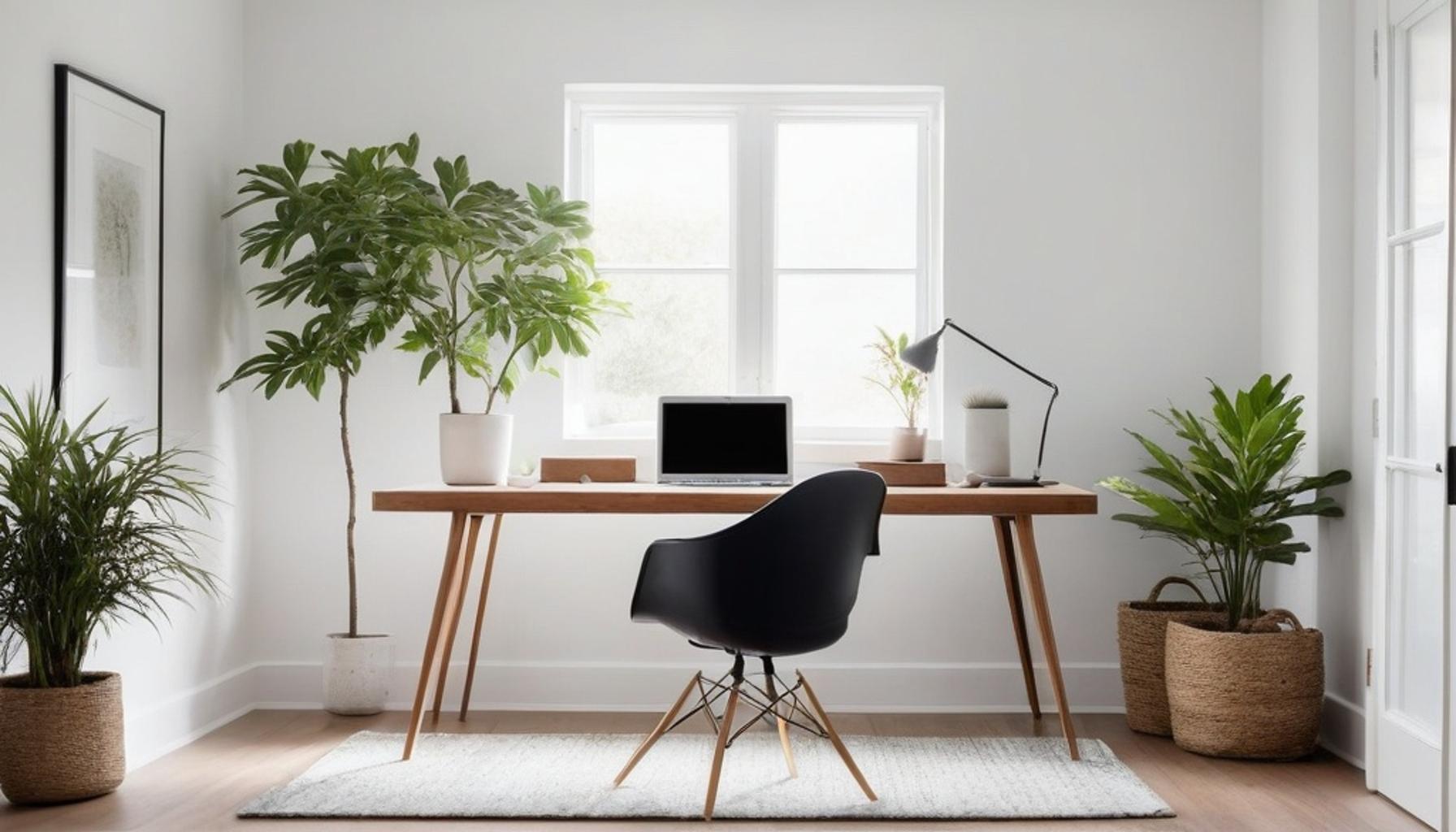
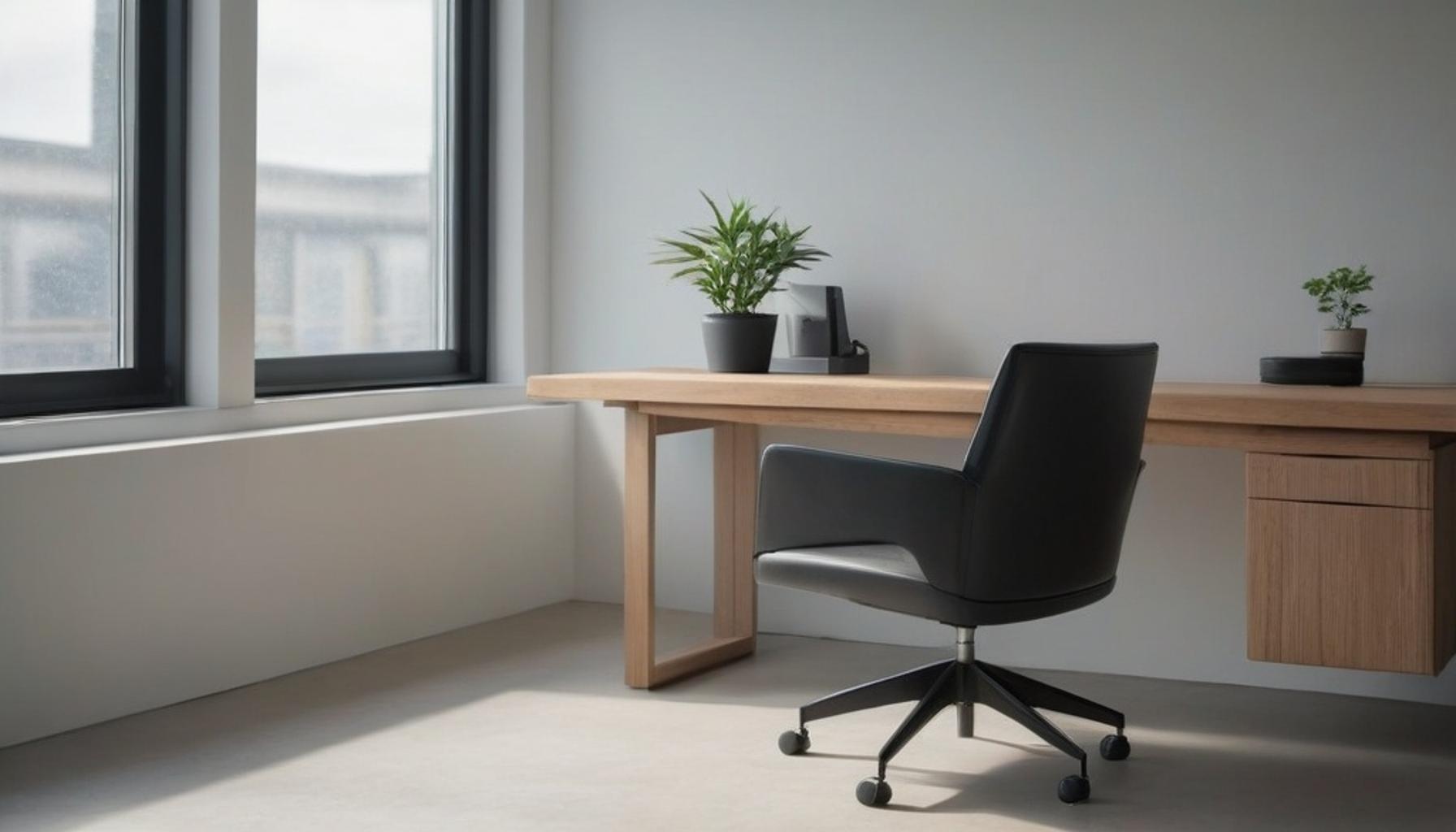
At its core, Functional Organization advocates for the design of minimalist work environments that prioritize essential tools and resources over unnecessary possessions. The philosophy behind this movement emphasizes using only what is required to enhance productivity. For instance, workers might replace bulky office furniture with sleek, multifunctional pieces that can easily adapt to their working style or needs, facilitating a smoother workflow.
Why This Trend Is Gaining Momentum
Recent statistics paint a revealing picture: approximately 35% of U.S. employees are working remotely at least part-time, a revelation that underscores a shift from conventional office settings to more personalized workspace arrangements, often squeezed into small living areas or unconventional environments. With the rise of remote work, individuals are rethinking how they utilize their space.
Take Brooklyn, for example, where many residents have transformed their cozy apartments into efficient home offices. In a similar vein, Austin’s vibrant start-up culture encourages freelancers to create makeshift offices in garages or shared communal spaces. These adaptations necessitate a focus on creating workspaces with minimal resources that still possess the capability to nurture creativity and efficiency. Here are a few notable examples:
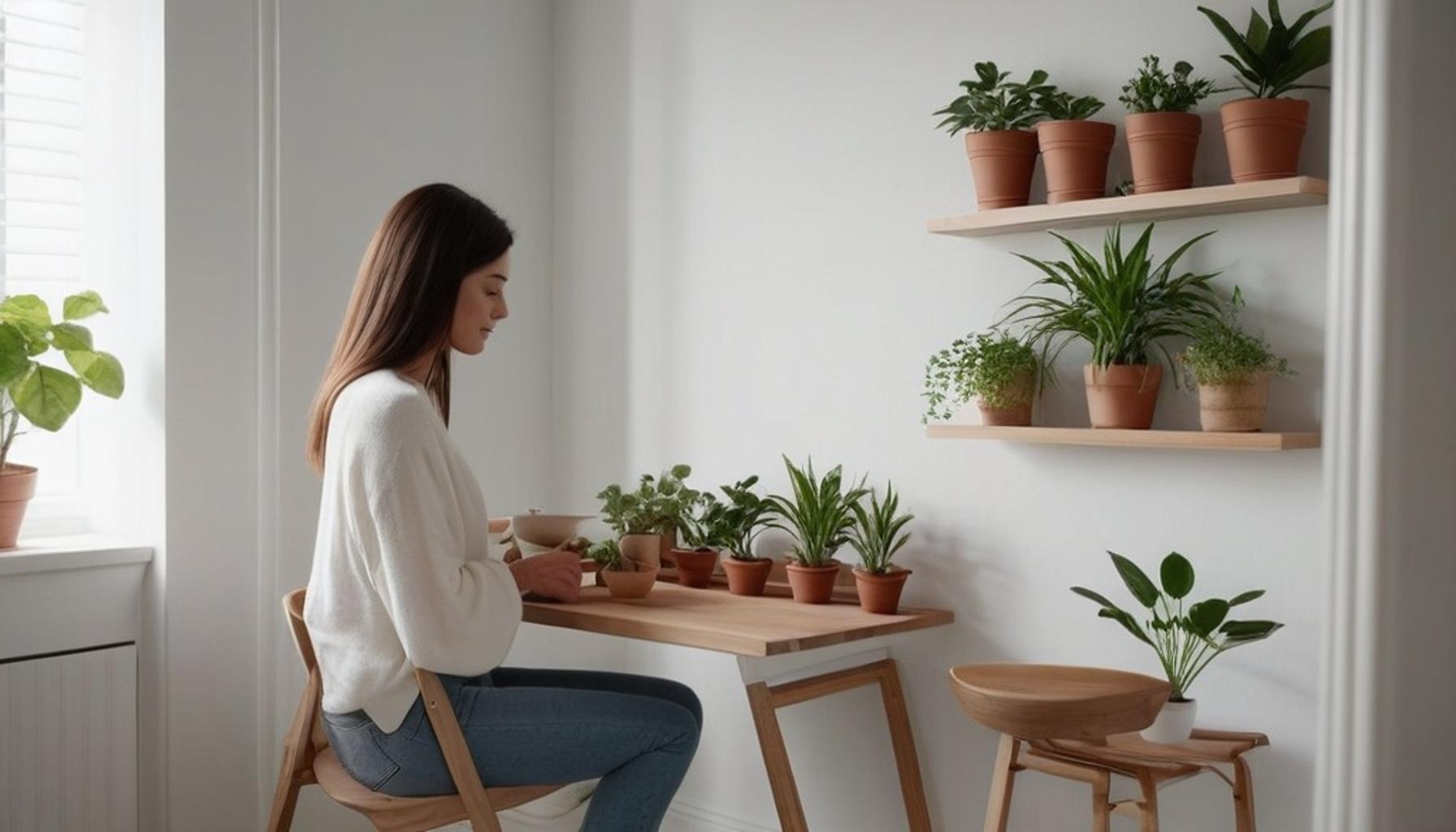
- Crafting a small apartment corner into a functional office nook that includes vertical storage solutions for books and documents.
- Co-working spaces adopting a stripped-down aesthetic, removing excess furniture to foster a communal and productive atmosphere.
- Freelancers optimizing their setups on tight budgets by investing in second-hand quality items and prioritizing digital over physical storage.
What This Article Will Explore
This article will delve into practical functional organization tips that anyone, regardless of available space or budget, can incorporate into their working environment. Readers will learn about effective strategies for efficient workspace design, which may include selecting the right furniture, implementing creative storage hacks, and performing digital decluttering methods that streamline workflows.
The ultimate goal is to guide readers to consider how a minimalist office setup could serve as a substantial productivity enhancement. Whether you’re simply looking to tidy up a corner desk or planning a complete office redesign, these actionable insights may unlock new levels of effectiveness in your work routine.
YOU MAY ALSO LIKE: Creating Zones: How Space Optimization Can Boost Productivity in a Minimalist Home Office
The Building Blocks of a Minimalist Office Setup
Before diving into furniture arrangements or storage hacks, it helps to understand what actually constitutes Functional Organization in practice. This isn’t about stripping a room bare or adopting a stark, cold aesthetic. Rather, it’s a deliberate process of identifying what serves a purpose and removing what doesn’t.
According to workplace productivity researchers, cluttered environments can reduce focus by as much as 20%, largely because visual noise competes for the brain’s limited attention resources. This finding alone explains why so many professionals across cities like Denver, Portland, and Chicago are gravitating toward pared-down desk setups. The goal is simple: fewer distractions, more output.
Core Principles Behind Efficient Workspace Design
Several principles consistently appear when examining successful minimalist work environments. These aren’t rigid rules but flexible guidelines that adapt to different professions, spaces, and budgets.
- Purpose-driven ownership: Every item on a desk or shelf should have a clear function tied to daily tasks.
- Vertical thinking: Wall-mounted shelves and pegboards free up floor and desk space, particularly valuable in small apartments common in cities like New York or San Francisco.
- Digital-first storage: Scanning documents and using cloud-based systems reduces the need for filing cabinets and paper stacks.
- Multi-use furniture: A desk that folds against the wall or a storage ottoman that doubles as seating maximizes limited square footage.
These principles form the backbone of creating workspaces with minimal resources, proving that a productive office doesn’t require a large budget or abundant square footage. In fact, many remote workers report that constraints actually sparked more creative, efficient solutions than they had in traditional office settings.
Real Numbers Behind the Movement
Data from workplace surveys suggests that professionals who adopt organized, minimalist desk setups report a 15% increase in perceived productivity compared to those working in cluttered spaces. Additionally, nearly 60% of remote workers say they’ve intentionally reduced physical office supplies since transitioning away from traditional corporate settings.
These figures suggest something worth investigating further: the connection between physical space and mental clarity isn’t just anecdotal, it’s measurable. As more Americans experiment with compact, intentional workspaces, the following sections will break down specific functional organization tips that make this transition both achievable and sustainable.
| Key Aspect | Summary |
|---|---|
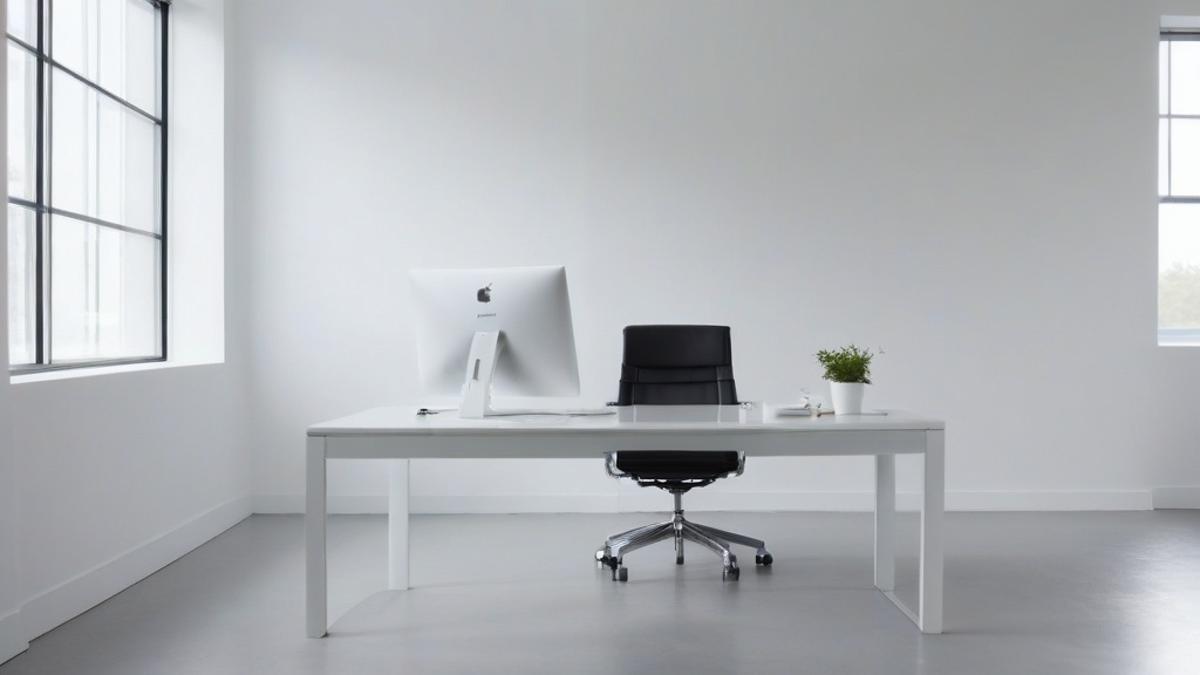
| Minimalist Design Principles | Incorporating functional organization strategies emphasizes simplicity, reducing clutter to improve focus and productivity. Utilizing neutral color palettes and open spaces can transform any workspace. |
| Resource Efficiency | Creating workspaces with minimal resources means maximizing utility of existing items. This not only minimizes costs but also encourages creative solutions and thoughtful design. |
| Ergonomic Solutions | Focusing on ergonomics within a minimalist office setup leads to increased comfort and efficiency. Simple adjustments can significantly enhance productivity without extensive financial investment. |
| Clarity and Organization | Implementing effective organizational systems aligns with efficient workspace design. By categorizing and simplifying workflows, teams can boost collaboration and reduce stress. |
SEE ALSO: Maximizing Small Spaces: Creative Solutions for Minimalist Living
Practical Strategies for Low-Cost, High-Impact Workspaces
Once the underlying principles of Functional Organization are understood, the next logical step is application. Turning theory into a workable desk setup doesn’t require a trip to a specialty furniture store or a hefty budget. It requires resourcefulness, and often, a willingness to repurpose what’s already on hand.
Freelancers and remote employees in cities like Austin and Seattle have popularized a trend sometimes called “budget minimalism,” where thrifted furniture, secondhand shelving, and repainted crates become the foundation of a functional office. This approach directly supports creating workspaces with minimal resources without sacrificing efficiency.
Actionable Steps for an Efficient Workspace Design
Below are specific, low-cost tactics that professionals have used to transform cluttered corners into productive work zones.
- The one-in, one-out rule: For every new item brought onto a desk, one existing item must be removed or relocated.
- Cable management with household items: Binder clips, repurposed toilet paper rolls, and zip ties can eliminate tangled cords for less than five dollars total.
- Repurposed containers: Mason jars, shoeboxes, and tin cans often replace store-bought organizers, cutting costs while maintaining order.
- Color-coded zones: Assigning specific colors or labels to task categories, such as billing, client work, or personal projects, speeds up retrieval without expensive labeling systems.
These functional organization tips emphasize a mindset shift rather than a spending spree. In fact, a recent survey of home-based workers found that 68% of respondents spent less than fifty dollars total when reorganizing their workspace for better efficiency.
Small-Space Solutions Gaining Traction Nationwide
Urban dwellers, particularly renters in high-density markets like Boston and Los Angeles, face a unique challenge: limited square footage paired with a growing need for dedicated work zones. This has fueled interest in fold-away desks, under-bed storage bins, and closet-converted offices.
One notable example involves a New York-based graphic designer who transformed a coat closet into a fully functional workstation using a mounted shelf, battery-powered lighting, and a laptop stand, spending under seventy dollars total. Stories like this illustrate how a minimalist office setup can thrive even in the smallest of footprints.
Interestingly, workplace analysts note that this shift isn’t purely financial. Many workers cite mental clarity as the primary motivator, with cost savings serving as a welcome secondary benefit. This raises an important question worth exploring: how much of workplace stress is tied not to workload, but to the physical chaos surrounding it?
LEARN MORE: Functional Furniture: Designing Minimalist Spaces that Work for You
The Bigger Picture: Why Functional Organization Matters Beyond the Desk
Across Austin apartments, Boston studios, and repurposed closets in New York, a common thread emerges: Functional Organization isn’t a fleeting design trend. It’s a practical response to real constraints, whether financial, spatial, or mental.
The evidence gathered from freelancers, remote employees, and workplace analysts points to a clear conclusion. Effective minimalist work environments don’t hinge on expensive furniture or elaborate systems. They hinge on intention, consistency, and a willingness to reimagine everyday objects as tools for order.
This article has walked through the reasoning behind decluttering, the psychological payoff of organized spaces, and concrete methods for creating workspaces with minimal resources. From the one-in, one-out rule to color-coded task zones, these functional organization tips prove that efficiency and affordability aren’t mutually exclusive.
What Comes Next for Minimalist Workspaces
As remote and hybrid work continue reshaping American offices and homes, expect more innovation in efficient workspace design. Multi-use furniture, modular shelving, and digital tools that reduce physical clutter are likely to gain further traction, particularly among renters and budget-conscious professionals.
The rise of the minimalist office setup also signals something larger: a cultural shift toward valuing clarity over accumulation. Fifty dollars and a weekend afternoon may be all it takes to notice the difference.
Perhaps the most compelling takeaway is this: organization isn’t about having less for its own sake. It’s about ensuring every item, every inch of space, and every minute of focus serves a clear purpose. For workers navigating tight budgets and tighter apartments, that principle may prove more valuable than any single product or purchase.
Frequently Asked Questions
What is Functional Organization and how does it relate to minimalist work environments?
Functional Organization refers to a system where tasks and activities are grouped based on their function, promoting efficiency and clarity. In minimalist work environments, this concept helps in organizing spaces that reduce clutter and distractions, allowing for more focus and productivity with limited resources.
How can I implement Functional Organization in my small office with minimal resources?
To implement Functional Organization in a small office, start by identifying and categorizing tasks based on their functionality. Utilize existing furniture and materials to create designated areas for each function, ensuring that space is used effectively while maintaining a clean and clutter-free environment.
What are some tools or techniques to maintain Functional Organization in a minimalist workspace?
Tools like digital task management apps, label makers, and storage bins can help streamline Functional Organization in a minimalist workspace. Techniques such as the ‘one in, one out’ rule for incoming items and regular decluttering sessions can also keep the space functional and organized.
Can Functional Organization improve employee productivity in a minimalist office setup?
Yes, Functional Organization can significantly enhance employee productivity in a minimalist office by providing clear areas for specific tasks, reducing the time spent searching for materials. A well-structured environment also fosters a more focused mindset, which is crucial in maximizing output with limited resources.
What challenges might I face when creating a Functional Organization within a minimalist environment?
Some challenges include balancing the need for functionality with the constraints of limited space and resources. Additionally, it may take time to adjust employees’ habits and ensure they understand the system, so consistent communication and training are essential for a smooth transition.

Linda Carter
Linda Carter is a writer specializing in minimalism and personal organization. With extensive experience helping readers create more functional and balanced routines, she shares practical advice on decluttering, organizing spaces, simplifying daily tasks, and making more intentional choices. Her goal is to offer clear guidance and accessible strategies that help people reduce excess, improve their surroundings, and enjoy a calmer, more organized lifestyle.